Anatolian Neolithic: Seeds of Farming

Download PDF creates a visual, rasterized copy. Use Print for selectable text and better assistive-technology support.

Bericht wird vorbereitet

Verfügbare Informationen und Referenzen werden geladen

Verbindung mit dem archäologischen Quellenbestand...

Alte Quellen werden zusammengestellt

Zum Hauptinhalt springen
Anatolian Neolithic: Seeds of Farming
Zivilisations-Spotlight

Anatolian Neolithic: Seeds of Farming

Early farmers of central Anatolia whose pottery, obsidian trade, and genes reshaped Eurasia

8226 CE - 5600 BCE
Central & NW Anatolia (Turkey)
32 antike Proben
Scrollen zum Start
Kapitel I

Die Geschichte

Die Anatolian Neolithic: Seeds of Farming-Kultur verstehen

From Aşıklı Höyük to Çatalhöyük (8226–5600 BCE), Anatolian Neolithic communities pioneered farming, craft networks, and formed a genetic source for later European farmers. Ancient DNA (97 samples) reveals a distinct Anatolian farmer ancestry with notable Y and mtDNA lineages.

Time Period

8226–5600 BCE

Region

Central & NW Anatolia (Turkey)

Common Y-DNA

G (20), C (6), H (3), I (3), J (2)

Common mtDNA

K (37), N (19), T (7), HV (6), H (4)

Kapitel II

Zeitleiste

Zentrale Momente in der Geschichte dieser Kultur

8226 BCE

Early occupation at Aşıklı Höyük

Earliest layers at Aşıklı Höyük show village living, early cultivation, and obsidian use around 8226 BCE.

7100 BCE

Expansion at Çatalhöyük

Çatalhöyük flourishes as a dense, symbol-rich settlement reflecting mature Neolithic lifeways.

5600 BCE

Late Neolithic Barcın phases

Barcın and Marmara sites record ceramic Neolithic traditions near the end of this dataset (ca. 5600 BCE).

Kapitel III

Origins & Emergence

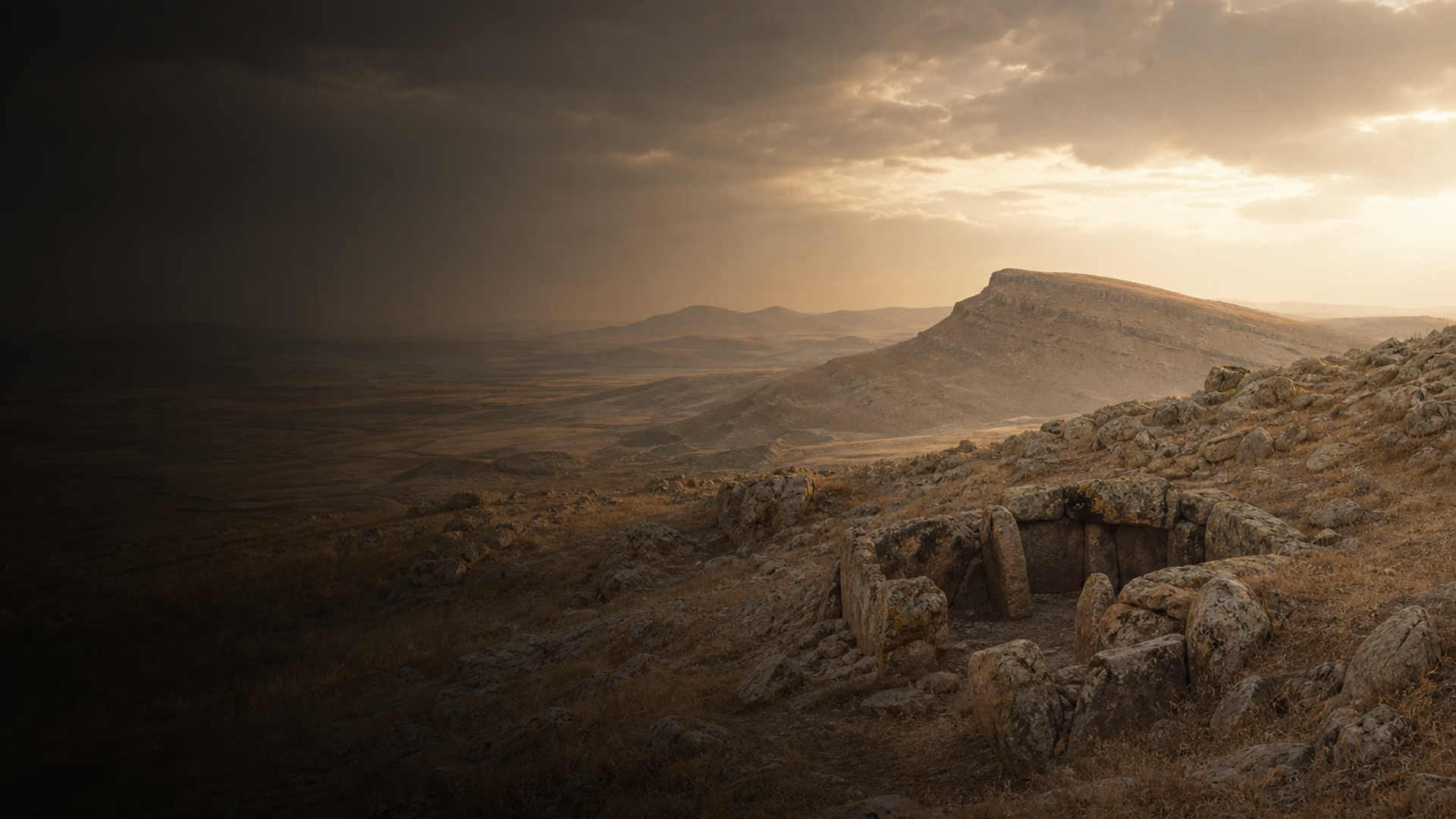
Across the volcanic plains and steppe-steeped valleys of Central Anatolia, the first village life emerges in the early Holocene. Sites such as Aşıklı Höyük (Aksaray province, earliest layers ca. 8226 BCE), Tepecik Çiftlik, and Barcın in the Marmara record a long arc from preceramic settlements to fully ceramic Neolithic communities. Archaeological layers show an increasingly deliberate management of wild cereals and pulses, the domestication of sheep and goats, and the adoption of pottery and permanent houses.

Stone tool industries and long-distance exchange in obsidian — especially from central Anatolian sources — mark burgeoning craft specializations and regional networks. Çatalhöyük (Konya plain) becomes emblematic of dense, closely-packed houses and rich symbolic contexts in the later part of this sequence (ca. 7100–6000 BCE). Archaeological data indicate a mosaic of continuity and innovation: local hunter-gatherer traditions interweave with cropping regimes and new technologies. Limited evidence suggests different communities adopted these changes at varying paces, producing regional diversity within an overarching Anatolian Neolithic phenomenon. The archaeological record provides the stage; ancient genomes help reveal the actors and their movements across Eurasia.

  • Earliest village occupations from ca. 8226 BCE (Aşıklı Höyük)
  • Transition from preceramic to ceramic cultures across Central and NW Anatolia
  • Obsidian trade and early pastoralism link sites across the region
Kapitel IV

Daily Life & Society

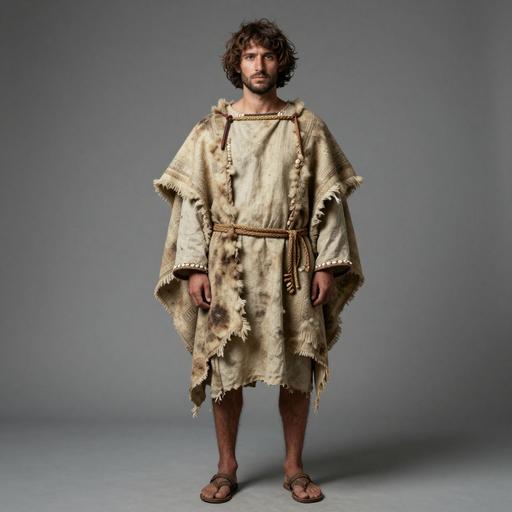
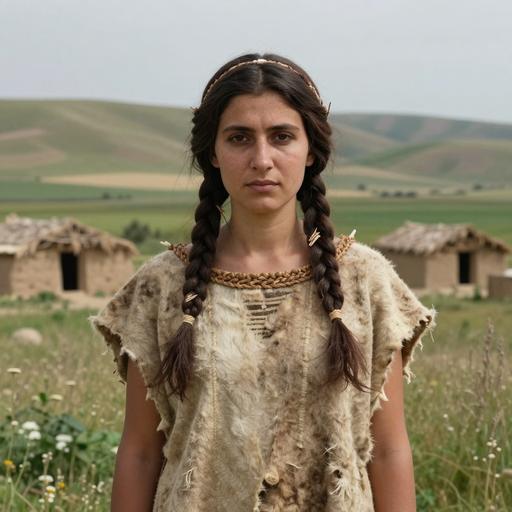
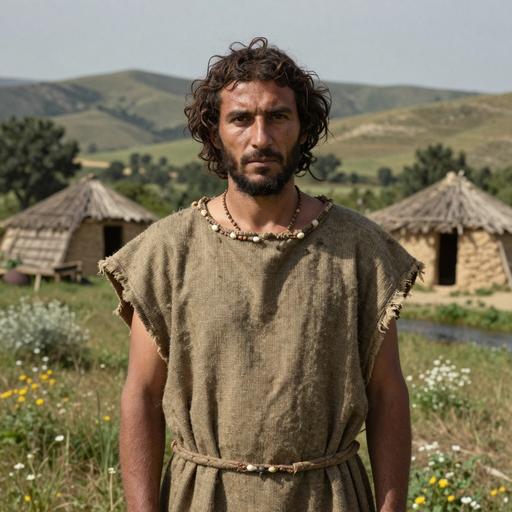
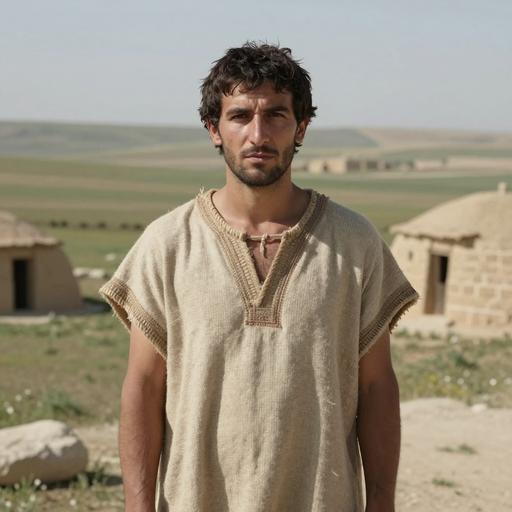
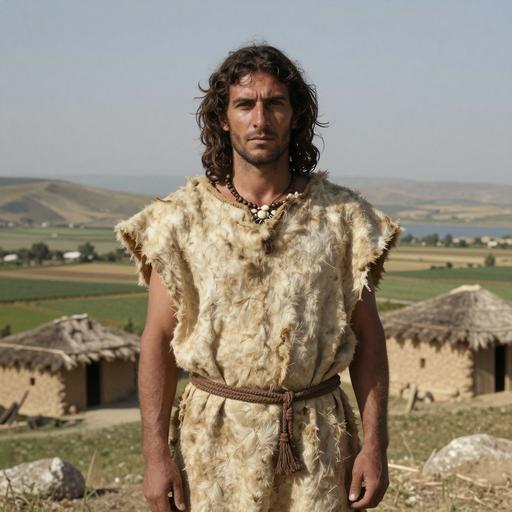
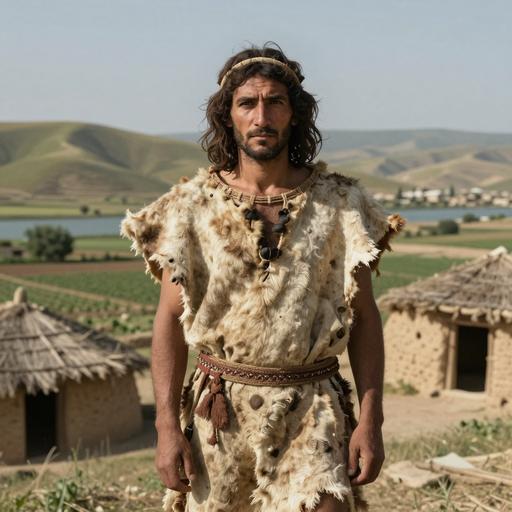
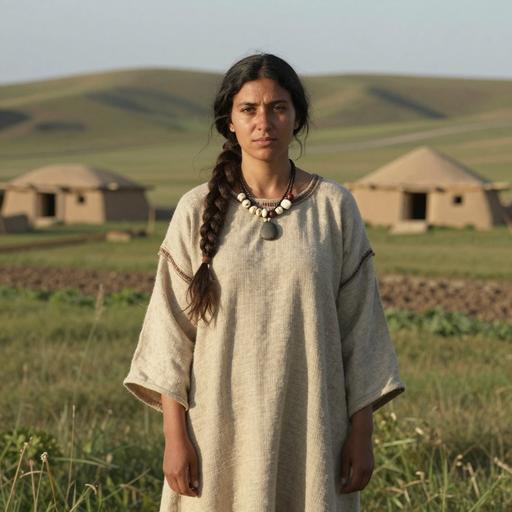
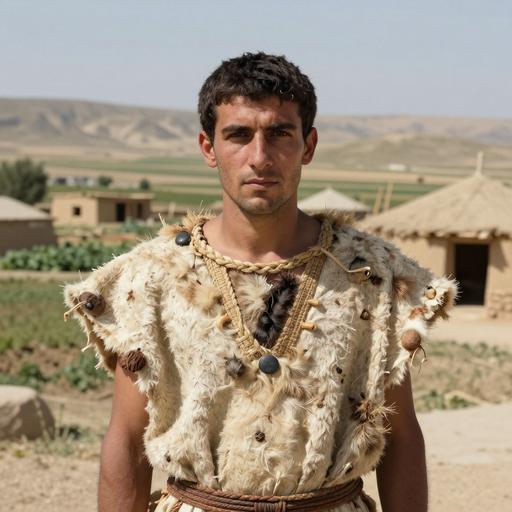
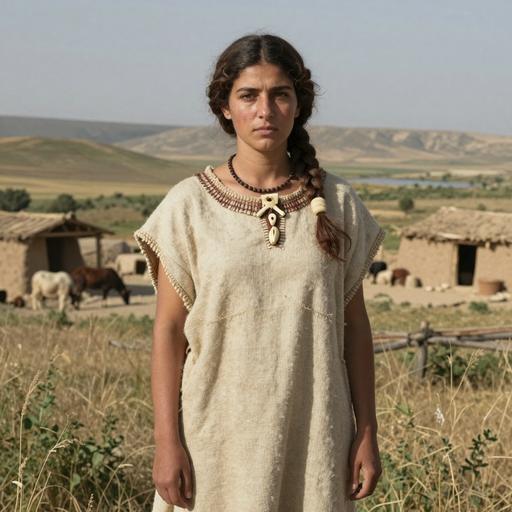
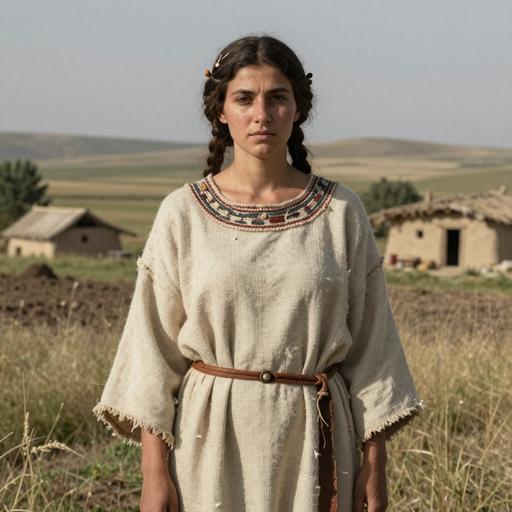
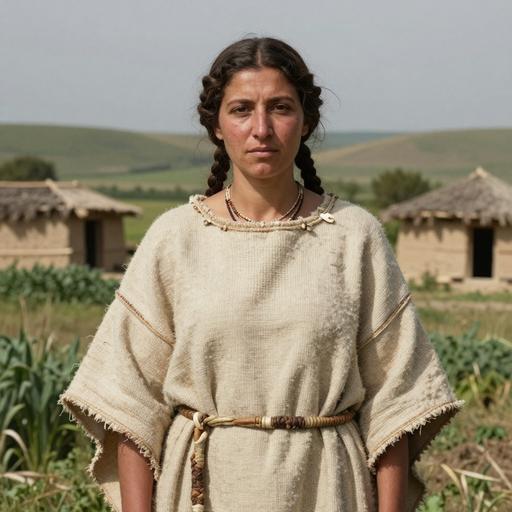
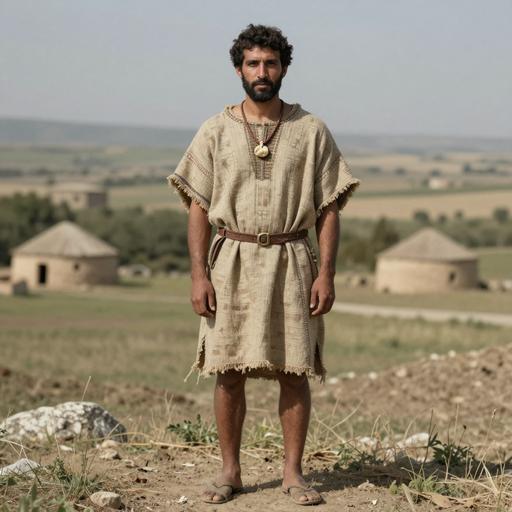
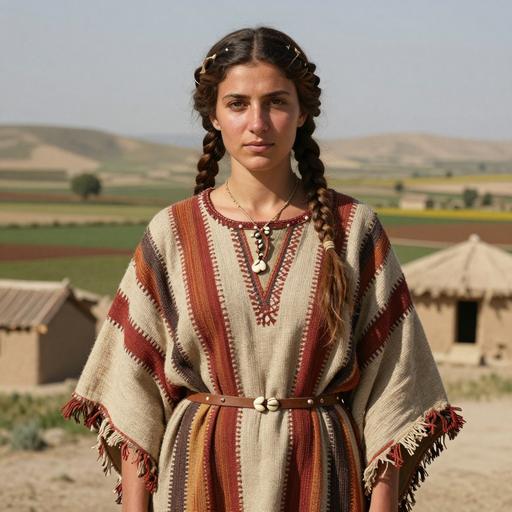
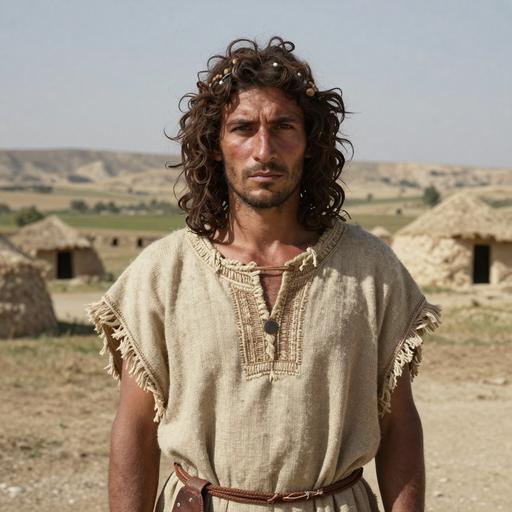
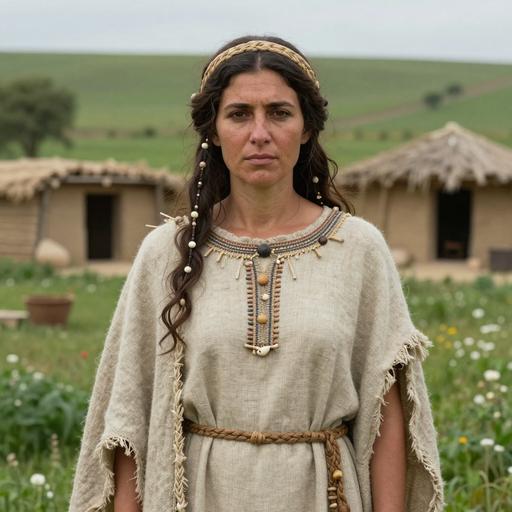
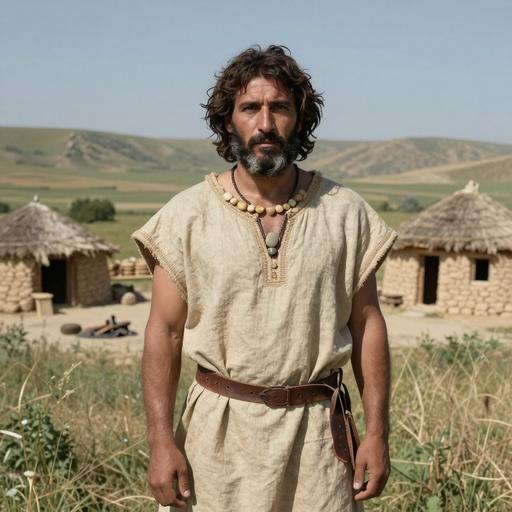
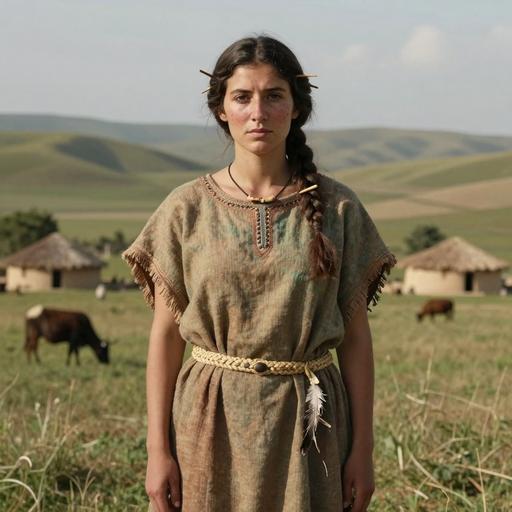
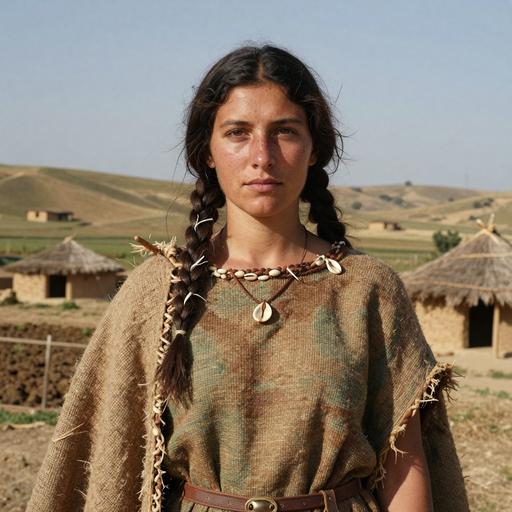
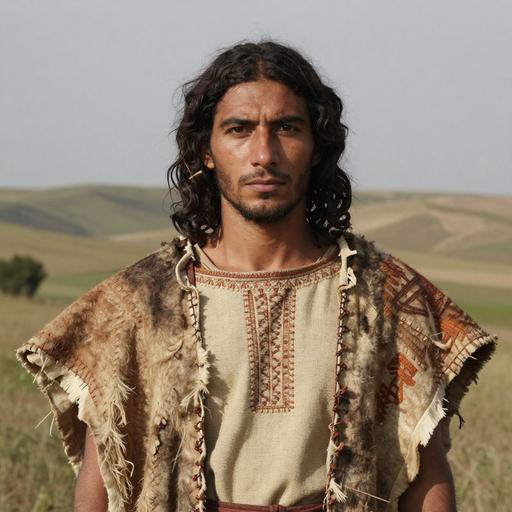
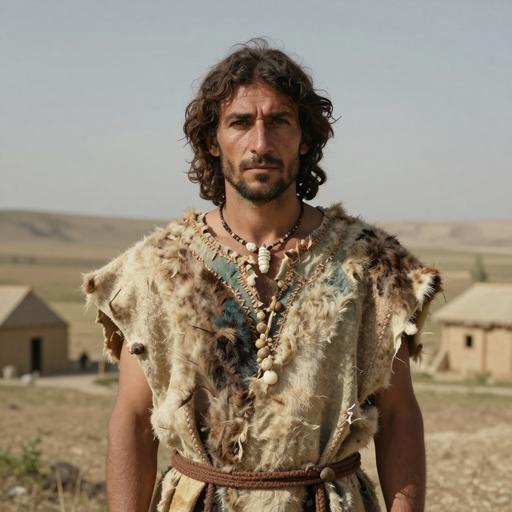
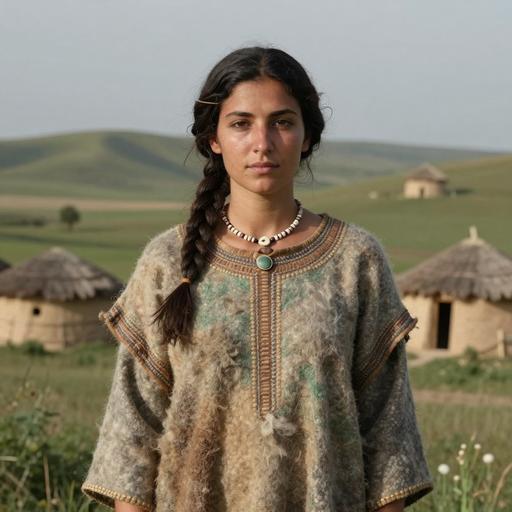
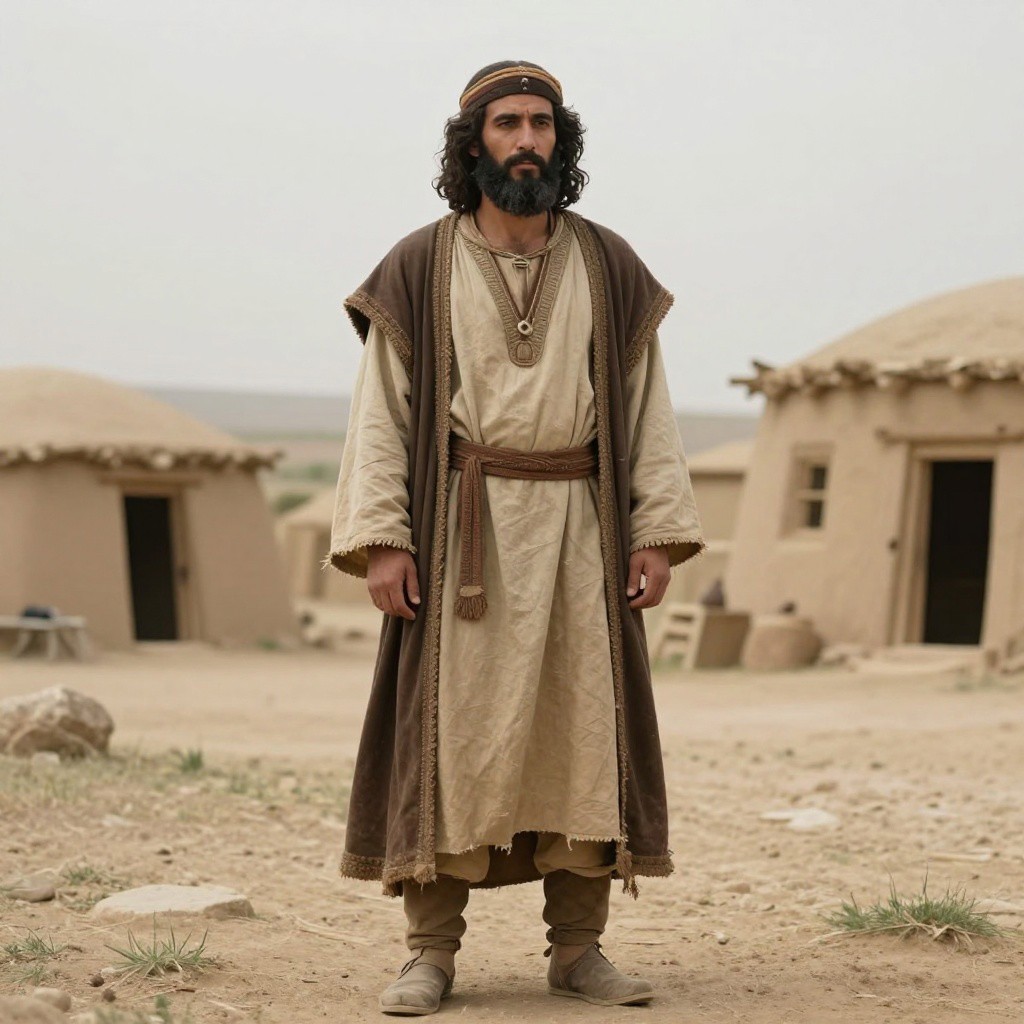
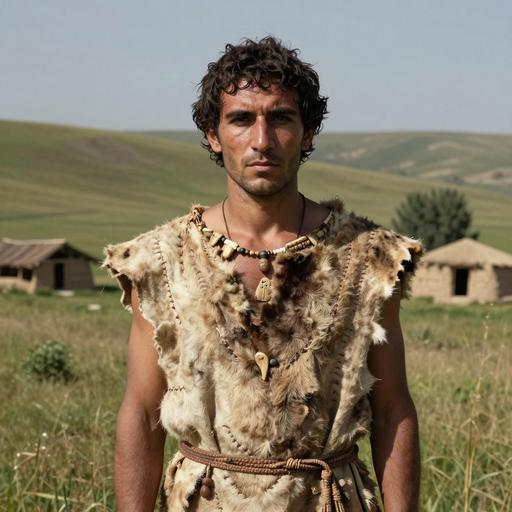
Life in Anatolian Neolithic settlements was tactile and collective: mudbrick and daub houses pressed shoulder-to-shoulder, hearths and storage pits embedded in daily routines, and courtyards where grinding, weaving, and tool-making left traces in living floors. Aşıklı Höyük’s layered floors reveal repeated rebuilding and domestic ritual; Çatalhöyük’s painted walls and figurines evoke a dense social fabric where homes were stages for both work and ceremony.

Economy centered on cultivation of einkorn, emmer, barley and managed herds of sheep and goats. Pottery styles—well-attested at Barcın and Ilıpınar—facilitated storage and cooking, while obsidian workshops attest to specialized production and intercommunity exchange. Burial practices varied: intramural burials, secondary interments, and modest grave goods suggest differing social expressions rather than rigid hierarchies. Craft, food, and symbolic life intertwined: the archaeological traces emphasize resilience and adaptation to changing climates and social circumstances.

Archaeobotanical, zooarchaeological, and material culture studies together sketch a vibrant, tactile world where communities negotiated space, resources, and identity.

  • Household-focused production: grinding, pottery, textile work, and obsidian tools
  • Mixed farming economy: cereals + caprine herding with variable burial customs
Kapitel V

Genetic Profile

Ninety-seven genome-wide samples from Central and NW Anatolia provide a robust genetic portrait of Anatolian Neolithic populations. These individuals cluster tightly in ancient DNA space and are widely recognized as the primary ancestry source for early European farmers who expanded into the Balkans and beyond. Mitochondrial lineages are dominated by haplogroup K (37 occurrences), followed by N (19), T (7), HV (6), and H (4), reflecting maternal continuity and links to Near Eastern gene pools.
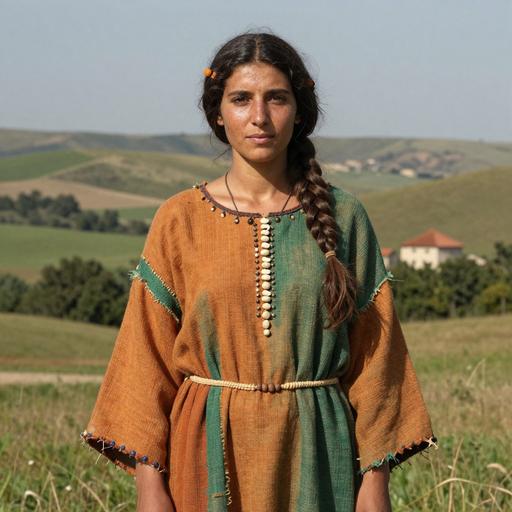
Y-chromosome diversity shows common presence of haplogroup G (20), a marker frequently associated with Neolithic farming groups in the Near East and Europe. Less frequent Y lineages observed include C (6), H (3), I (3), and J (2). While the overall sample size (97) gives confidence in major patterns, smaller counts of some Y haplogroups warrant caution: low-frequency lineages may reflect local admixture, sampling bias, or later male-mediated gene flow. Genomic analyses indicate Anatolian farmers carried a Near Eastern agricultural ancestry component with limited local hunter-gatherer admixture relative to contemporary European foragers.

Archaeogenetic evidence therefore ties the material innovations of Anatolian sites to population movements that reshaped the genetic landscape of Neolithic Europe, even as regional variation within Anatolia remained significant.

  • Anatolian farmer cluster is a major source for European Neolithic ancestry
  • mtDNA dominated by K (37); Y-DNA commonly G (20) but includes diverse low-frequency lineages
Kapitel VI

Legacy & Modern Connections

The Anatolian Neolithic left both tangible and genetic legacies. Genomes from these early farmers contribute substantially to the maternal and autosomal ancestry of later European populations, underpinning the demographic spread of agriculture. In Anatolia itself, continuity appears in parts of the genetic record, although subsequent millennia brought multiple waves of migration and language change—so modern Turkish populations reflect a complex palimpsest rather than direct one-to-one descent from Neolithic villagers.

Culturally, many hallmarks of settled life—domesticated crops, pottery, village-scale exchange—radiated from Anatolian centers into the Aegean and Balkans. However, archaeological and genetic data together caution against simplistic narratives: the spread of farming involved networks of people, ideas, and goods, and linguistic affiliations (including later Indo-European and Turkic arrivals) are not directly equated with these early farmer genomes. Continued sampling, especially from underrepresented sites and later periods, will refine our understanding of how Neolithic Anatolia shaped the genetic and cultural map of Eurasia.

  • Major genetic source for European Neolithic populations
  • Cultural innovations (farming, pottery, exchange) spread from Anatolia, but later migrations altered regional genetics and languages
Kapitel VII

Probenkatalog

32 alte DNA-Proben, die mit der Anatolian Neolithic: Seeds of Farming-Kultur in Verbindung stehen und genetische Einordnungen zu den Menschen dieses Zeitraums liefern.

32 / 32 Proben
Porträt Probe Land Epoche Datum Kultur Geschlecht Y-DNA mtDNA
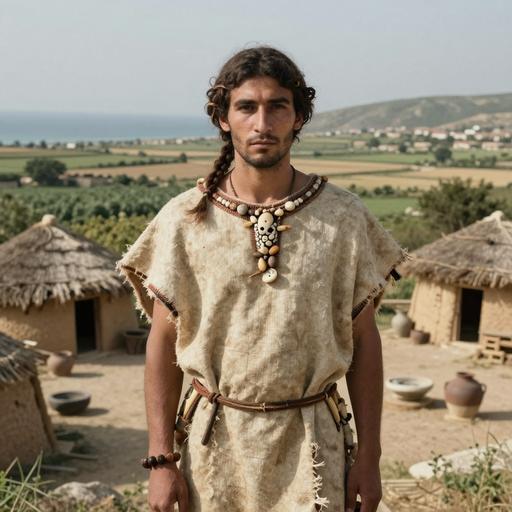
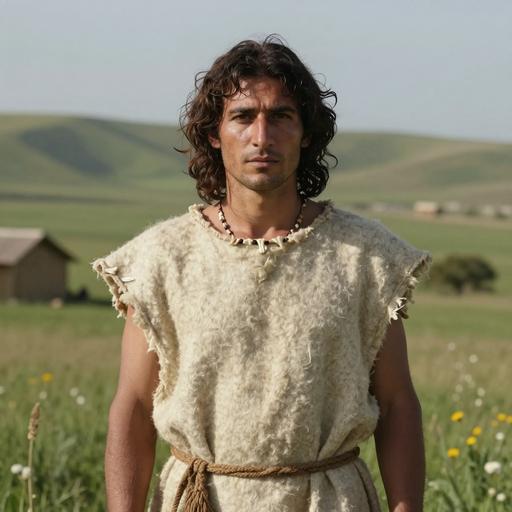
Künstlerische Rekonstruktion von N individual, Turkey
N individual, Turkey
Turkey Turkey_N 6150-5800 BCE Anatolian Neolithic F - N1a1a1a
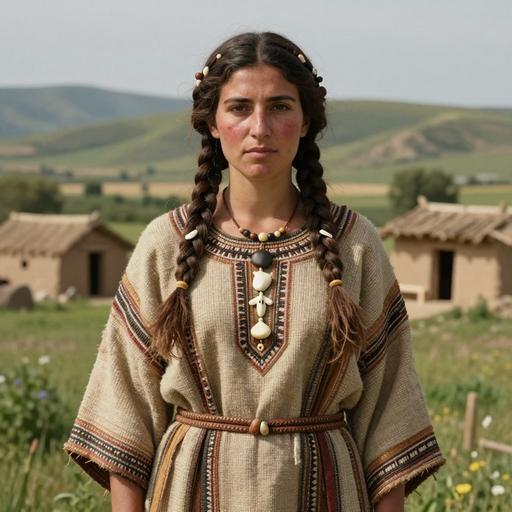
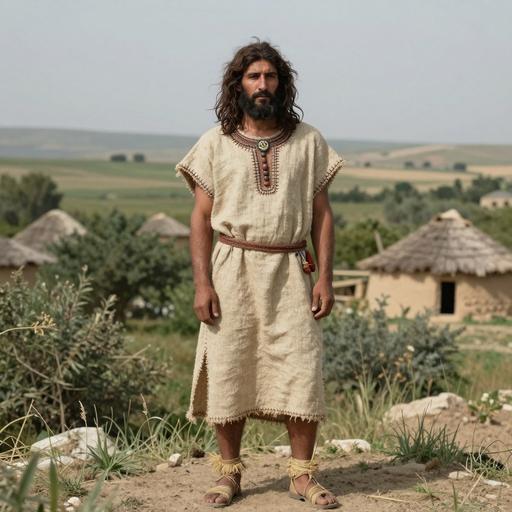
Künstlerische Rekonstruktion von Anatolian Neolithic individual, Turkey
Anatolian Neolithic individual, Turkey
Turkey Turkey_N 6223 BCE Anatolian Neolithic M H-BY102409 U3
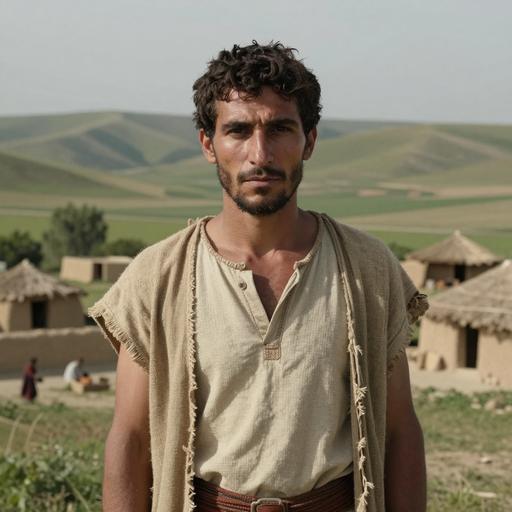
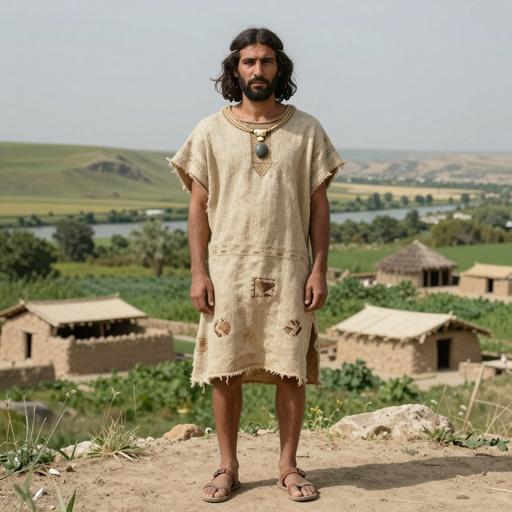
Künstlerische Rekonstruktion von Anatolian Neolithic individual, Turkey
Anatolian Neolithic individual, Turkey
Turkey Turkey_N 6225 BCE Anatolian Neolithic F - K1a4*
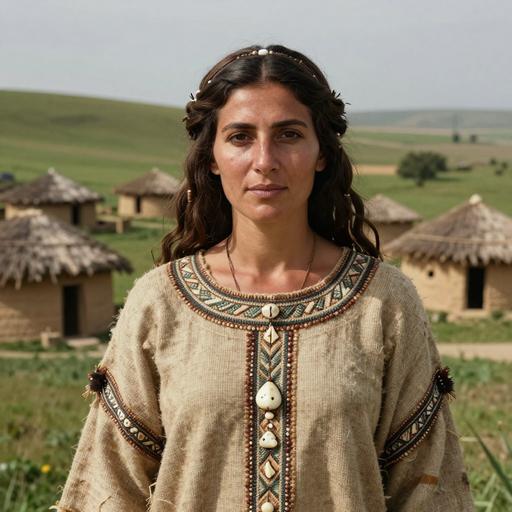
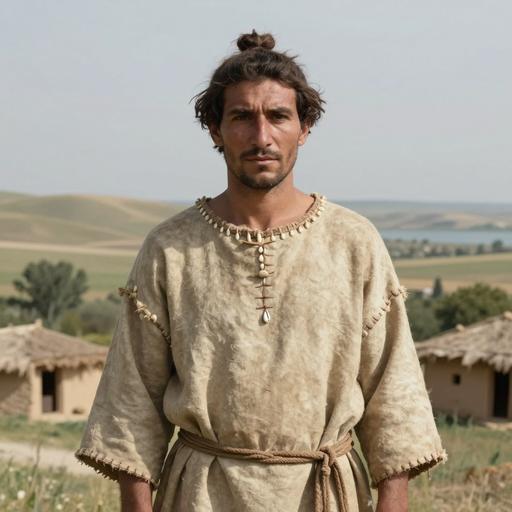
Künstlerische Rekonstruktion von Anatolian Neolithic individual, Turkey
Anatolian Neolithic individual, Turkey
Turkey Turkey_N 6424 BCE Anatolian Neolithic M G-FGC2315 K1a2e
Künstlerische Rekonstruktion von N individual, Turkey
N individual, Turkey
Turkey Turkey_N 6070-5888 calBCE (7110±50 BP, Poz-82177) Anatolian Neolithic M G-CTS5990 K1a1*
Künstlerische Rekonstruktion von N individual, Turkey
N individual, Turkey
Turkey Turkey_N 6387-6111 calBCE (7405±30 BP, PSUAMS-2105) Anatolian Neolithic M H-SK1180 U8b1b1*
Künstlerische Rekonstruktion von N individual, Turkey
N individual, Turkey
Turkey Turkey_N 6224-6074 calBCE (7285±30 BP, PSUAMS-2103) Anatolian Neolithic M J-Z43590 N1b1a*
Künstlerische Rekonstruktion von Anatolian Neolithic individual, Turkey
Anatolian Neolithic individual, Turkey
Turkey Turkey_N 6221 BCE Anatolian Neolithic F - J2b1a
Künstlerische Rekonstruktion von Anatolian Neolithic individual, Turkey
Anatolian Neolithic individual, Turkey
Turkey Turkey_N 6417 BCE Anatolian Neolithic M G-L30 X2m
Künstlerische Rekonstruktion von Anatolian Neolithic individual, Turkey
Anatolian Neolithic individual, Turkey
Turkey Turkey_N 6217 BCE Anatolian Neolithic F - J/J1c
KI-gestützt

KI-Assistent

Stellen Sie Fragen zur Anatolian Neolithic: Seeds of Farming-Kultur

KI-Assistent von DNAGENICS

Funktion freischalten
Stellen Sie Fragen zur Kultur Anatolian Neolithic: Seeds of Farming. Unser KI-Assistent kann genetische Befunde, historischen Kontext, archäologische Belege und moderne Verbindungen erläutern.
Beispiel einer KI-Analyse

Die Anatolian Neolithic: Seeds of Farming-Kultur ist ein faszinierendes Kapitel der Menschheitsgeschichte...

Genetische Analysen zeigen Übereinstimmungen mit früheren Populationen und Hinweise auf besondere Anpassungen und kulturelle Innovationen. Alte DNA-Proben liefern Einblicke in Migrationsmuster, soziale Strukturen und genetische Verbindungen zwischen Populationen.

Dies ist eine Vorschau der KI-Analyse. Schalten Sie den vollständigen KI-Assistenten frei, um detaillierte Einblicke zu erkunden:

  • Genetische Zusammensetzung und genetische Ähnlichkeit
  • Migrationsmuster und Ursprünge
  • Alltag und kulturelle Praktiken
  • Genetischer Bezug zu heutigen Populationen

Weitere antike Kulturen erkunden

Geschichten von Zivilisationen aus der antiken Welt entdecken

Use code for 35% off • Expires Nov 09