Chinchorro (Late Archaic) — Enco C2

Download PDF creates a visual, rasterized copy. Use Print for selectable text and better assistive-technology support.

Bericht wird vorbereitet

Verfügbare Informationen und Referenzen werden geladen

Verbindung mit dem archäologischen Quellenbestand...

Alte Quellen werden zusammengestellt

Zum Hauptinhalt springen
Chinchorro (Late Archaic) — Enco C2
Zivilisations-Spotlight

Chinchorro (Late Archaic) — Enco C2

A single ancient coastal burial from Arica links archaeology and DNA at the dawn of Andean prehistory

4354 CE - 4180 BCE
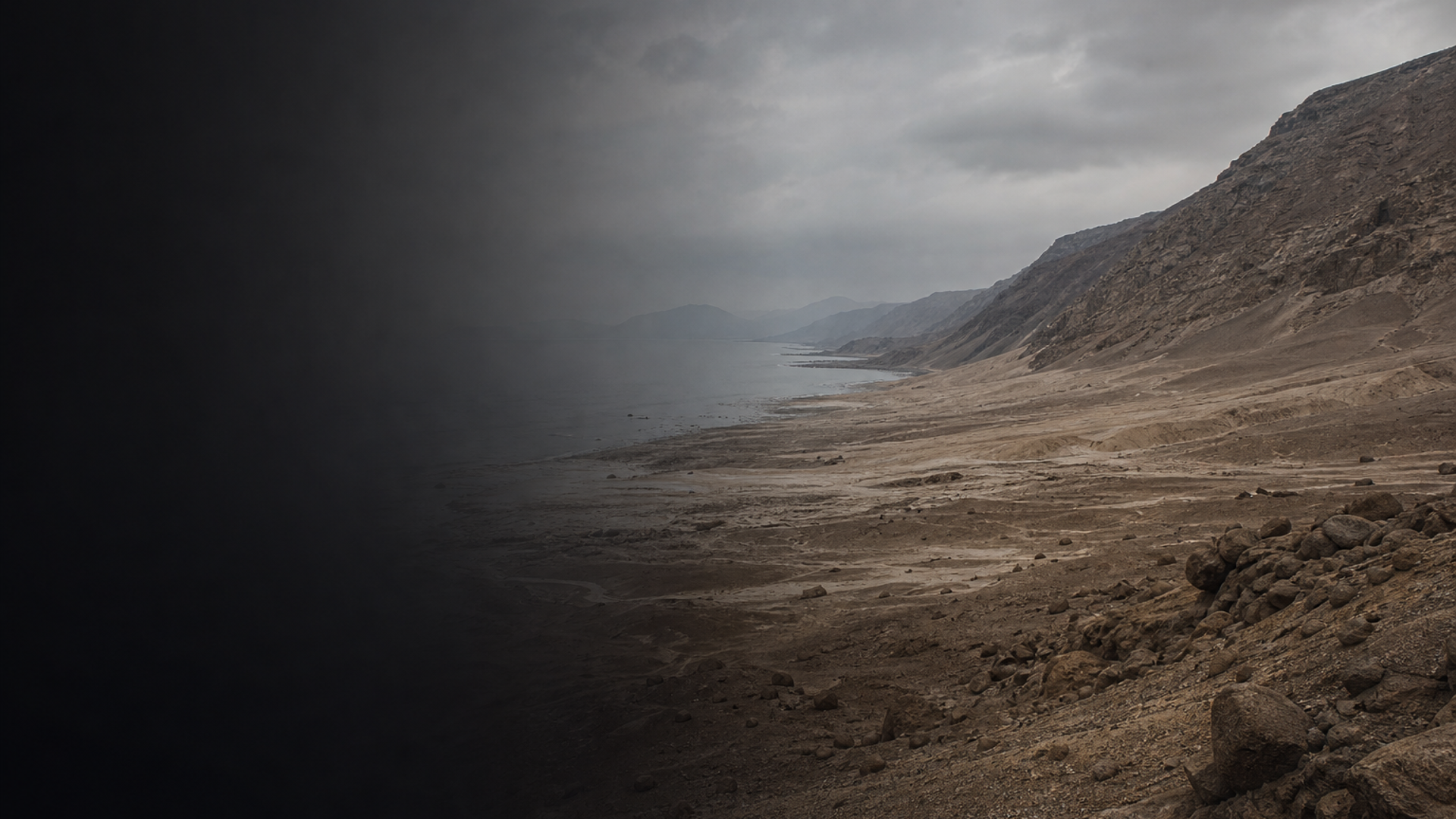
Arica, northern Chile (Maderas, Enco C2)
Scrollen zum Start
Kapitel I

Die Geschichte

Die Chinchorro (Late Archaic) — Enco C2-Kultur verstehen

An individual from Enco C2 (Maderas, Arica, Chile), dated 4354–4180 BCE, belongs to the Late Archaic Chinchorro tradition. Archaeological context and a single genetic profile (Y haplogroup CT; mtDNA A2) hint at early coastal lifeways and ancestral Native American lineages — conclusions remain preliminary.

Time Period

4354–4180 BCE

Region

Arica, northern Chile (Maderas, Enco C2)

Common Y-DNA

CT (1 sample)

Common mtDNA

A2 (1 sample)

Kapitel II

Zeitleiste

Zentrale Momente in der Geschichte dieser Kultur

4300 BCE

Enco C2 burial dated

A burial at Enco C2 (Maderas, Arica) is radiocarbon-dated to 4354–4180 BCE, situating it within the Late Archaic Chinchorro coastal tradition.

Kapitel III

Origins & Emergence

The Late Archaic Chinchorro presence along the hyper-arid coast near Arica unfolds like a shoreline epic written in shell and bone. Archaeological deposits at Maderas — notably the Enco C2 burial — are firmly dated by radiocarbon to 4354–4180 BCE, placing this individual within a long local tradition of coastal foragers and early sedentism.

Archaeological data indicates a deep-time engagement with marine resources: shell middens, fish bone concentrations, and lithic tools adapted for coastal procurement characterize sites across the Chinchorro arc. Although the elaborate artificial mummification practices most commonly associated with the Chinchorro appear more prominently later, these early burials already display careful interment choices that suggest persistent funerary attention.

Limited evidence suggests that communities in this era were small, highly maritime, and territorially anchored to specific shorelines. Enco C2 offers a rare, direct link between material culture on the beach and a human genome, but interpretations must be cautious: with a single directly dated individual, broader population dynamics remain largely unresolved until additional samples are recovered.

  • Radiocarbon date: 4354–4180 BCE at Enco C2 (Maderas, Arica)
  • Coastal adaptations: shell middens, fish remains, marine-focused tools
  • Funerary behaviors prefigure later Chinchorro mortuary complexity
Kapitel IV

Daily Life & Society

The rhythm of life for Late Archaic Chinchorro communities was dictated by the tides and the desert wind. Archaeological remains from the Arica littoral reveal repeated campsite loci where seafood — fish, shellfish, and marine mammals — provided caloric staples, supplemented by small-scale terrestrial resources transported from nearby oases.

Material traces suggest specialized toolkits: barbed points for fishing, scraping tools for hide and plant processing, and containers fashioned from shell or vegetal fiber. Domestic spaces appear ephemeral but repeatedly occupied, producing dense middens that today preserve a stratified record of diet and craft. The careful placement of the Enco C2 burial within this matrix hints at social identities formed through kinship, territorial attachment, and maritime knowledge.

Social complexity likely remained subtle and non-hierarchical by monumental standards, yet ritual investment in the dead points to symbolic worlds and communal memory. Archaeological interpretation must remain provisional: a single burial cannot reveal household composition, social ranking, or full economic breadth, but it offers a vivid human face for broader coastal lifeways.

  • Marine-focused diet evidenced by middens and fish remains
  • Specialized coastal toolkits and repeated campsite occupations
Kapitel V

Genetic Profile

Genetic data from Enco C2 provide a tantalizing but preliminary window into population history. This dataset comprises a single individual: Y-chromosome lineage assigned to CT and mitochondrial haplogroup A2. In ancient DNA terms, CT is a very broad paternal clade that predates most downstream Native American Y-haplogroups and therefore carries limited resolution on its own. By contrast, mtDNA A2 is a well-established founding maternal lineage widely observed across ancient and modern Native American populations.
Archaeological and genetic signals together suggest continuity with the deep-rooted peopling of the Americas: the presence of A2 is consistent with a maternal ancestry that traces back to early continental dispersals. However, because only one sample is available (sample count = 1), any population-level claims are tentative. Additional male and female genomes from contemporaneous Chinchorro contexts and neighboring inland sites are required to test models of coastal continuity, gene flow, and potential social structure visible through sex-biased ancestry patterns.

Future aDNA work integrated with stratigraphy and isotope studies will be decisive in resolving whether Enco C2 represents a typical member of a stable coastal population or an individual within a more mobile, interconnected network.

  • Single-sample genetic dataset: Y = CT (broad), mtDNA = A2 (founding Native American lineage)
  • Low sample count (<10) makes population-level conclusions preliminary
Kapitel VI

Legacy & Modern Connections

The Chinchorro shore is an ancestral stage for human resilience and creativity. The Enco C2 individual bridges ice-and-sand antiquity with present-day peoples of northern Chile: mtDNA A2 echoes lineages still carried across the Americas, suggesting threads of biological continuity even as cultural practices evolved.

Archaeology and genetics together illuminate how coastal knowledge systems — fishing techniques, resource scheduling, and mortuary customs — can persist, transform, or disperse across millennia. Ethical collaboration with descendant communities and cautious interpretation are essential: genetic data are powerful but incomplete storytellers. As future excavations and ancient genomes multiply, the cinematic landscape of the Chinchorro will resolve from silhouette into detail, revealing the lived lives behind shells and bones.

  • mtDNA continuity (A2) links ancient coastal individuals to broader Native American ancestries
  • Future aDNA and archaeological sampling will clarify long-term continuity and change
KI-gestützt

KI-Assistent

Stellen Sie Fragen zur Chinchorro (Late Archaic) — Enco C2-Kultur

KI-Assistent von DNAGENICS

Funktion freischalten
Stellen Sie Fragen zur Kultur Chinchorro (Late Archaic) — Enco C2. Unser KI-Assistent kann genetische Befunde, historischen Kontext, archäologische Belege und moderne Verbindungen erläutern.
Beispiel einer KI-Analyse

Die Chinchorro (Late Archaic) — Enco C2-Kultur ist ein faszinierendes Kapitel der Menschheitsgeschichte...

Genetische Analysen zeigen Übereinstimmungen mit früheren Populationen und Hinweise auf besondere Anpassungen und kulturelle Innovationen. Alte DNA-Proben liefern Einblicke in Migrationsmuster, soziale Strukturen und genetische Verbindungen zwischen Populationen.

Dies ist eine Vorschau der KI-Analyse. Schalten Sie den vollständigen KI-Assistenten frei, um detaillierte Einblicke zu erkunden:

  • Genetische Zusammensetzung und genetische Ähnlichkeit
  • Migrationsmuster und Ursprünge
  • Alltag und kulturelle Praktiken
  • Genetischer Bezug zu heutigen Populationen

Weitere antike Kulturen erkunden

Geschichten von Zivilisationen aus der antiken Welt entdecken

Use code for 30% off • Expires Nov 08




