Conqueror Elite of the Carpathian Basin

Download PDF creates a visual, rasterized copy. Use Print for selectable text and better assistive-technology support.

Bericht wird vorbereitet

Verfügbare Informationen und Referenzen werden geladen

Verbindung mit dem archäologischen Quellenbestand...

Alte Quellen werden zusammengestellt

Zum Hauptinhalt springen
Conqueror Elite of the Carpathian Basin
Zivilisations-Spotlight

Conqueror Elite of the Carpathian Basin

Elite burials of the Hungarian conquest, where archaeology meets DNA

706 CE - 1000 CE
Carpathian Basin (modern Hungary)
Scrollen zum Start
Kapitel I

Die Geschichte

Die Conqueror Elite of the Carpathian Basin-Kultur verstehen

Archaeological and genetic evidence from 48 high-status burials (706–1000 CE) in Hungary — including Karos, Szakony and Nagykőrös — reveal a mixed heritage: European maternal lineages alongside West and East Eurasian signals, reflecting steppe mobility and local admixture during the Hungarian Conquest.

Time Period

706–1000 CE

Region

Carpathian Basin (modern Hungary)

Common Y-DNA

Mixed / heterogeneous (limited resolution in this dataset)

Common mtDNA

U (9), J (6), T (6), H (3), D (3)

Kapitel II

Zeitleiste

Zentrale Momente in der Geschichte dieser Kultur

895 CE

Magyar Conquest & Settlement

Traditional timeframe for Magyar entry and settlement in the Carpathian Basin, leading to the formation of elite burial traditions visible at Karos and related sites.

Kapitel III

Origins & Emergence

The Hungary_Conqueror_Elite represent the heterogeneous coalition of warrior-elites who appear in the Carpathian Basin in the late 9th and 10th centuries CE. Archaeological data from cemeteries such as Karos-1 and Karos-2 (Borsod‑Abaúj‑Zemplén County), Szakony‑Kavicsbánya (Győr‑Moson‑Sopron), Nagykőrös‑Fekete‑dűlő (Pest) and Magyarhomorog‑Kónyadomb (Hajdú‑Bihar) provide a vivid material record: weapon burials, horse gear, and rich personal ornaments mark a distinct elite identity formed during rapid migration and settlement.

Limited evidence suggests this elite is not a single homogeneous population. Instead, archaeological patterns indicate a fusion of steppe nomadic traditions with local Central European influences. Radiocarbon and contextual dating center these cemeteries between the late 9th century and the end of the 10th century, aligning with historical accounts of Magyar incursions and settlement around c.895–900 CE. Material culture evokes a mobile, mounted lifestyle even where archaeology shows they adopted sedentary practices after settling.

Genetic data — when integrated with burial contexts — supports a picture of complex origins: maternal lineages reflect European, West Eurasian and East Eurasian connections, consistent with a multi-regional origin for the elite. However, while 48 samples offer meaningful resolution, some fine-scale conclusions remain provisional pending larger comparative datasets.

  • Elite coalition appears during the Hungarian Conquest (c.895–1000 CE)
  • Key sites: Karos-1, Karos-2, Szakony, Nagykőrös, Magyarhomorog
  • Material culture blends steppe nomadic and local Central European elements
Kapitel IV

Daily Life & Society

Funerary assemblages provide the clearest window into the lives of the Conqueror elite. Graves at Karos and Sándorfalva‑Eperjes contain weaponry, archery equipment, sabers, and horse trappings — dramatic signals of mounted warfare and status. Ornamental metalwork, imported luxury items and distinct grave orientations echo rituals that tied identity, prestige and mobility together.

Archaeological contexts also show heterogeneity in burial practice: some graves are solitary high‑status interments, others clustered family cemeteries. This pattern suggests both hierarchical social stratification and kin-based organization. Evidence of dietary change and sedentism appears in peripheral settlements and later contexts, indicating a transition from predominantly mobile pastoralism to mixed farming and village life as elites settled into the Carpathian Basin.

The cinematic image of riders sweeping across the plain is supported by tangible traces — bridles, bits, and stirrup mounts — but osteological and isotopic studies indicate varied diets and mobility behaviors. In short, these men and women embodied a liminal lifestyle: rooted in steppe martial traditions while engaging with the settled landscapes and economies of medieval Hungary.

  • Grave goods: weapons, horse gear, luxury ornaments
  • Evidence for both mobile steppe practices and increasing sedentism
Kapitel V

Genetic Profile

The genetic portrait of the Hungary_Conqueror_Elite is compelling and complex. Among 48 sequenced individuals, mitochondrial DNA shows notable diversity: haplogroups U (9), J (6), T (6), H (3), and D (3) are present. The presence of U, H and J lineages points to substantial Central and Western Eurasian maternal ancestry, while D — an East Eurasian marker — signals contributions from more easterly sources consistent with steppe or Inner Asian contacts.

Y‑chromosome data for this specific dataset are reported as mixed or remain incompletely resolved; therefore we refrain from asserting dominant paternal lineages. Archaeogenetic studies of contemporaneous conqueror elites elsewhere have noted both West Eurasian and steppe‑associated paternal signals, but for this set the pattern appears heterogeneous. Genome‑wide analyses (where available) tend to show admixture: a core ancestry related to local or West Eurasian populations, layered with inputs from eastern steppe groups.

Interpretation must be cautious. With 48 samples, population‑level trends are visible, yet fine‑scale modelling of origins and sex‑biased admixture requires broader comparative sampling across contemporaneous rural and elite contexts. Archaeology and DNA together suggest an elite formed through mobility, alliances and assimilation rather than a single migrating tribe.

  • mtDNA diversity: U, J, T, H dominate; D indicates East Eurasian input
  • Y-DNA: heterogeneous or underreported in this dataset; interpretations remain provisional
Kapitel VI

Legacy & Modern Connections

The Conqueror elite left an indelible cultural and genetic imprint on the medieval Carpathian Basin. Archaeologically, motifs and burial customs influenced regional material culture; linguistically and politically, the arrival shaped emerging Hungarian polities. Genetically, the elite contributed ancestral components that blended into the broader population through centuries of admixture.
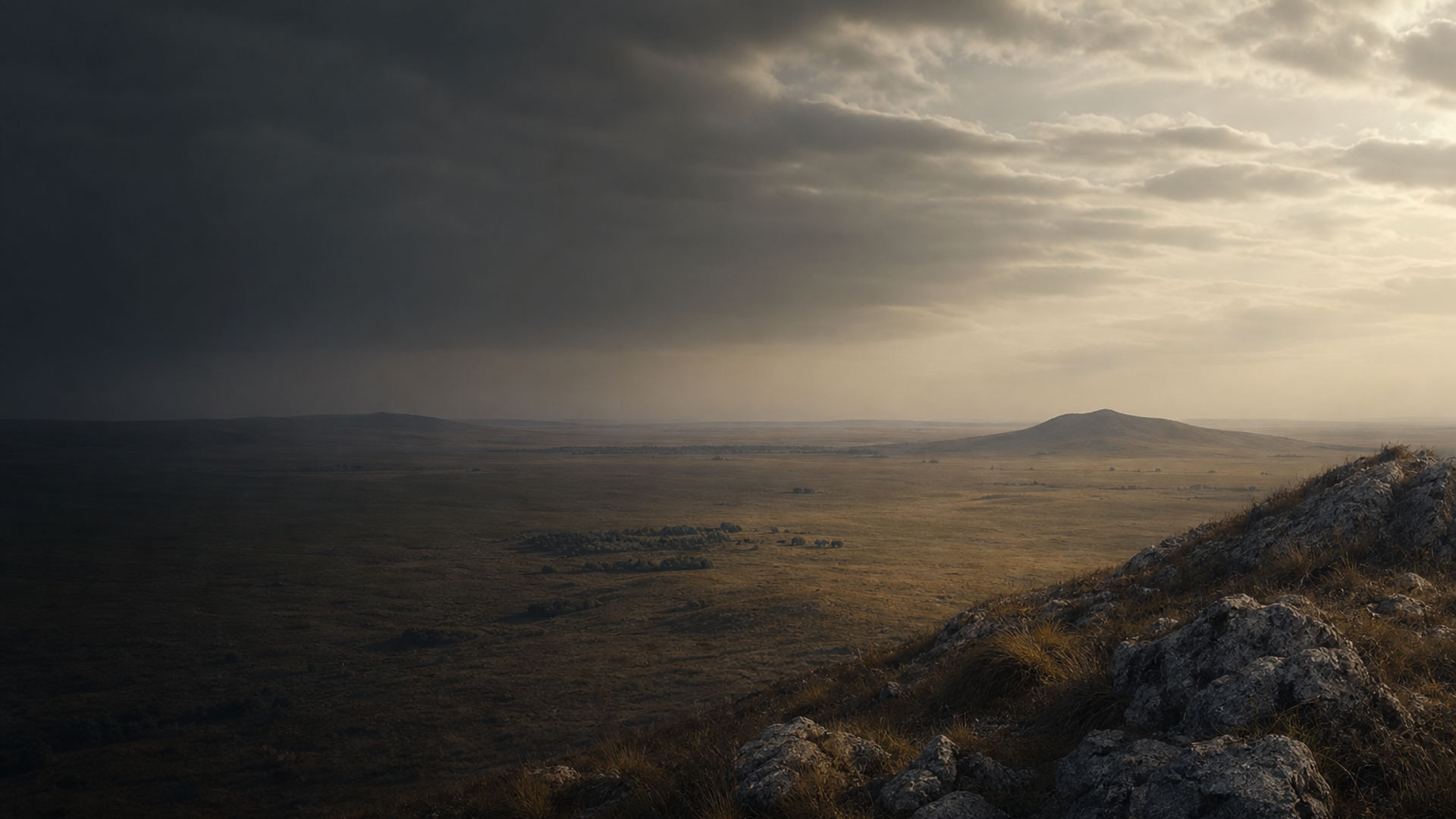
Modern Hungarians trace their ancestry to a tapestry of earlier peoples: local Late Antique and Early Medieval farmers, incoming steppe groups, and later medieval gene flow. The presence of both West Eurasian and East Eurasian maternal lineages in the elite sample hints at enduring, though diluted, eastern connections. However, because demographic processes over a millennium dilute signals, linking specific modern lineages to individual elite burials requires careful, large‑scale comparative genomics. Continued sampling of rural contemporaries and wider Y‑chromosome resolution will sharpen our view of how this dramatic episode shaped Europe's genetics and history.

  • Contributed detectable but blended ancestry to later populations in Hungary
  • Long‑term influence best understood by combining broader archaeological and genomic sampling
KI-gestützt

KI-Assistent

Stellen Sie Fragen zur Conqueror Elite of the Carpathian Basin-Kultur

KI-Assistent von DNAGENICS

Funktion freischalten
Stellen Sie Fragen zur Kultur Conqueror Elite of the Carpathian Basin. Unser KI-Assistent kann genetische Befunde, historischen Kontext, archäologische Belege und moderne Verbindungen erläutern.
Beispiel einer KI-Analyse

Die Conqueror Elite of the Carpathian Basin-Kultur ist ein faszinierendes Kapitel der Menschheitsgeschichte...

Genetische Analysen zeigen Übereinstimmungen mit früheren Populationen und Hinweise auf besondere Anpassungen und kulturelle Innovationen. Alte DNA-Proben liefern Einblicke in Migrationsmuster, soziale Strukturen und genetische Verbindungen zwischen Populationen.

Dies ist eine Vorschau der KI-Analyse. Schalten Sie den vollständigen KI-Assistenten frei, um detaillierte Einblicke zu erkunden:

  • Genetische Zusammensetzung und genetische Ähnlichkeit
  • Migrationsmuster und Ursprünge
  • Alltag und kulturelle Praktiken
  • Genetischer Bezug zu heutigen Populationen

Weitere antike Kulturen erkunden

Geschichten von Zivilisationen aus der antiken Welt entdecken

Use code for 30% off • Expires Nov 08




