Echoes of Early Iron Age Slovenia

Download PDF creates a visual, rasterized copy. Use Print for selectable text and better assistive-technology support.

Zum Hauptinhalt springen
Zivilisations-Spotlight

Echoes of Early Iron Age Slovenia

Archaeology and ancient DNA from 850–350 BCE across present‑day Slovenia

850 CE - 350 BCE
Slovenia (Central Europe)

Die Geschichte

Archaeological and genomic data from 19 Early Iron Age individuals (850–350 BCE) in Slovenia reveal a landscape of material innovation and genetic continuity. Excavations at Grofove njive, Novo mesto, Ljubljana and other sites connect local lifeways to wider Central European networks.

Time Period

850–350 BCE

Region

Slovenia (Central Europe)

Common Y-DNA

R (7 of 19)

Common mtDNA

H (10), U (3), H18, H49, K

Zeitleiste

850 BCE

Emergence of Early Iron Age communities

Around 850 BCE communities in present‑day Slovenia begin expressing Early Iron Age material culture in cemeteries and settlements.

Origins & Emergence

The Early Iron Age in present‑day Slovenia unfolds like a landscape rewritten by new metals, trade routes and shifting social styles. Archaeological data indicates activity between roughly 850 and 350 BCE at cemeteries and settlements in places such as Grofove njive (Smarješke Toplice region), Zagorje ob Savi, Novo mesto (Kapiteljska njive), and urban deposits beneath Ljubljana’s Kongresni trg. Material culture — iron tools, fibulae, and regionally distinctive pottery — links local communities to the broader Hallstatt cultural horizon of Central Europe while retaining local craft traditions.

Stratigraphic sequences and typologies suggest gradual adoption of ironworking technology rather than a single dramatic replacement of Bronze Age practices. Landscape archaeology highlights river corridors such as the Sava as conduits for ideas and goods: salt, metals and finished prestige items moved along these routes. Genetic evidence from 19 individuals offers an additional window onto population dynamics. While the presence of Y‑chromosome R lineages and mitochondrial H haplotypes is notable, the dataset is modest in scale; archaeological and genetic signals together suggest regional continuity with episodes of interaction and mobility, rather than wholesale population replacement. Limited evidence suggests social networks reached into neighboring regions, shaping an emergent Early Iron Age identity in what is now Slovenia.

  • Sites: Grofove njive, Zagorje ob Savi, Novo mesto, Ljubljana (Kongresni trg)
  • Material links to Hallstatt horizon and riverine trade
  • Genetic and archaeological data indicate continuity with new external contacts

Daily Life & Society

Life in Early Iron Age Slovenian communities combined agricultural steadiness with expanding craft specialization and long‑distance exchange. Archaeological assemblages from cemeteries and domestic contexts show cereal cultivation, animal husbandry, and metallurgical activity; slag, crucible fragments and iron objects point to local workshops interwoven with imported prestige goods. Burials at Kapiteljska njive (Novo mesto) and Grofove njive reveal varied funerary practice: inhumations with personal ornaments, occasionally accompanied by tools or weapons, reflecting both gendered roles and social differentiation.

Settlement evidence is often modest—small farmsteads, seasonal hamlets—yet the density of burial sites near rivers suggests communities were organized around fertile valleys and communication routes. Ceramic styles and metalwork display regional tastes that change through time, implying craft interchanges with neighboring Carpathian and Alpine groups. Archaeological data indicates that everyday life balanced local resilience—food production, house building, craft production—with a sensitivity to wider fashions and connections. Mobility appears present but not overwhelming: people and objects traveled, and those movements left traces in both burial goods and, as genetic data show, in the bodies of the people themselves.

  • Mixed agriculture, livestock, and emerging metalworking
  • Burials show social differentiation and exchange with neighboring regions

Genetic Profile

Nineteen sequenced individuals from Early Iron Age sites in Slovenia provide a cautiously illuminating genetic portrait. Common Y‑chromosome markers labeled broadly as R appear in 7 of 19 males; mitochondrial haplogroup H is the most frequent maternal lineage (10 of 19), with U present in 3 individuals and rarer types like H18, H49 and K observed. These unambiguous haplogroup labels convey broad affinities: mtDNA H and U are widespread in Europe since the Neolithic and Bronze Age, while Y‑lineages within R are commonly associated with steppe‑derived ancestry that spread across Europe in earlier millennia.

Archaeological and genomic data together suggest substantial continuity from Late Bronze Age populations in the region, with genetic affinities to contemporaneous Central European Iron Age groups. The prevalence of H maternal lineages points to maternal continuity or local inheritance, while the diversity of Y markers and archaeological signs of mobility leave open the possibility of male‑biased movements or persistent gene flow. Important caveats apply: the sample count (19) limits geographic and temporal resolution, and many reported haplogroups are given at broad levels (e.g., "R") without subclade detail. Therefore, conclusions about precise migration routes or demographic turnovers remain provisional. Future dense sampling and high‑resolution Y‑SNP/mtDNA analyses will improve the picture of population structure in Early Iron Age Slovenia.

  • Y: R lineages in 7 of 19 — suggests continuation of steppe‑derived paternal ancestry
  • mtDNA: H dominant (10), with U and rarer types — points to maternal continuity

Legacy & Modern Connections

The archaeological and genetic echoes of Early Iron Age Slovenia contribute to modern understandings of regional identity and ancestry. Genomic affinities indicate that elements of the maternal lineages common in the Iron Age persist in later populations of Central Europe, and archaeological continuities in craft and settlement patterns underpin cultural transmission across centuries. Modern Slovenian genetic landscapes reflect many layers of demographic history; the Early Iron Age is one visible chapter among long sequences of continuity and exchange.

Heritage-wise, sites like Novo mesto and Ljubljana preserve material traces that shape regional narratives: museum displays, ongoing excavations beneath city centers, and curated metalwork all connect contemporary communities to ancestors who lived along the same river valleys. While genetic links are suggestive rather than definitive—sample size and geographic coverage are limited—the combined archaeological and DNA evidence paints a vivid portrait of people rooted in place yet engaged in wider networks, a duality that resonates in the cultural memory of the region.
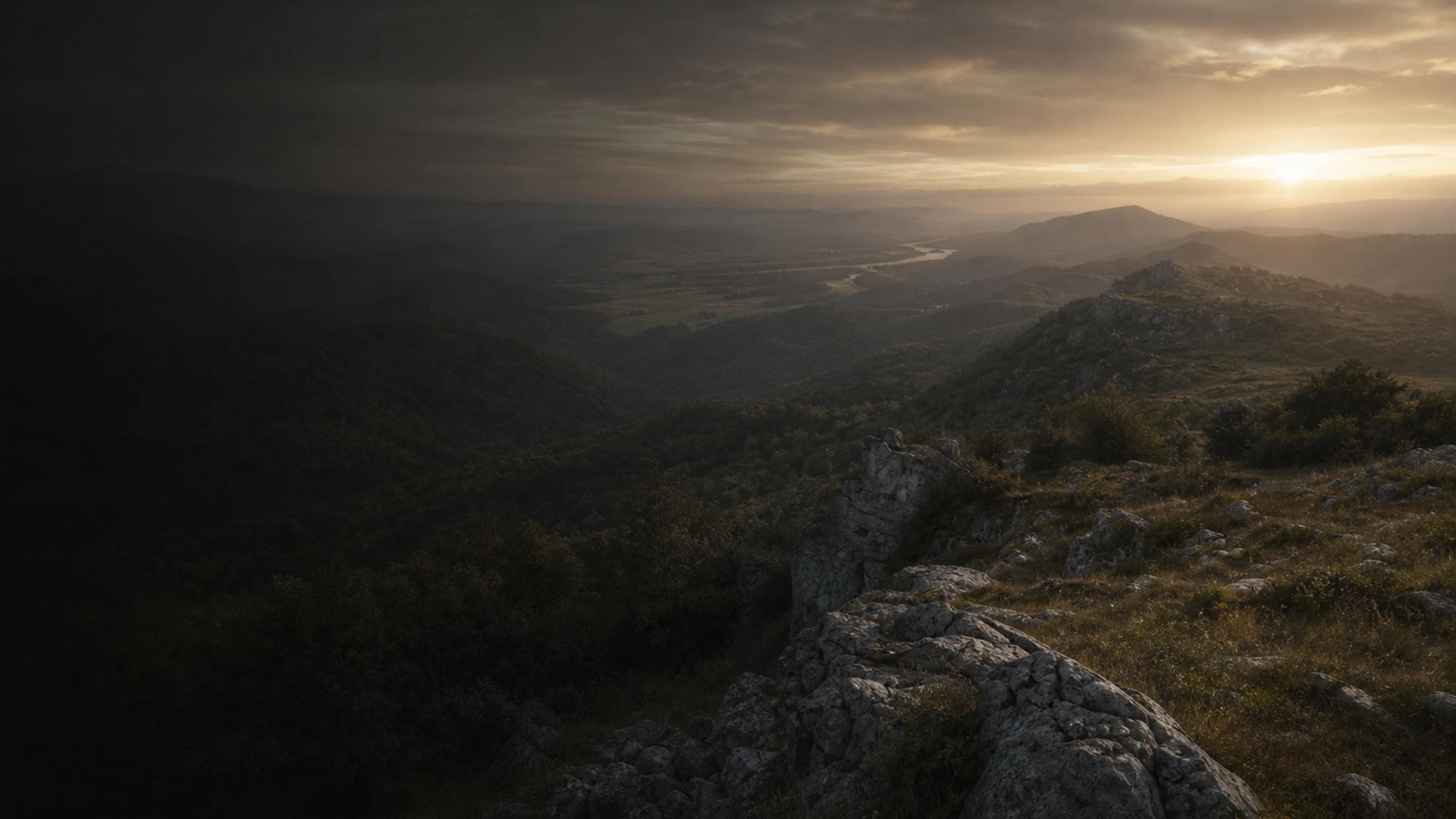

  • Continuity of maternal lineages contributes to long‑term genetic heritage
  • Archaeological sites inform regional identity and ongoing research

KI-Assistent

KI-Assistent von DNAGENICS

Funktion freischalten
Stellen Sie Fragen zur Kultur Echoes of Early Iron Age Slovenia. Unser KI-Assistent kann genetische Befunde, historischen Kontext, archäologische Belege und moderne Verbindungen erläutern.
Beispiel einer KI-Analyse

Die Echoes of Early Iron Age Slovenia-Kultur ist ein faszinierendes Kapitel der Menschheitsgeschichte...

Genetische Analysen zeigen Übereinstimmungen mit früheren Populationen und Hinweise auf besondere Anpassungen und kulturelle Innovationen. Alte DNA-Proben liefern Einblicke in Migrationsmuster, soziale Strukturen und genetische Verbindungen zwischen Populationen.

Dies ist eine Vorschau der KI-Analyse. Schalten Sie den vollständigen KI-Assistenten frei, um detaillierte Einblicke zu erkunden:

  • Genetische Zusammensetzung und genetische Ähnlichkeit
  • Migrationsmuster und Ursprünge
  • Alltag und kulturelle Praktiken
  • Genetischer Bezug zu heutigen Populationen
Use code for 30% off • Expires Nov 14




