Echoes of Rio Doce: Botocudo Remains

Download PDF creates a visual, rasterized copy. Use Print for selectable text and better assistive-technology support.

Bericht wird vorbereitet

Verfügbare Informationen und Referenzen werden geladen

Verbindung mit dem archäologischen Quellenbestand...

Alte Quellen werden zusammengestellt

Zum Hauptinhalt springen
Echoes of Rio Doce: Botocudo Remains
Zivilisations-Spotlight

Echoes of Rio Doce: Botocudo Remains

Three Botocudo individuals from Rio Doce Valley (1479–1842 CE) reveal genetic echoes of Indigenous Brazil

1479 CE - 1842 CE
Rio Doce Valley, Brazil
3 antike Proben
Scrollen zum Start
Kapitel I

Die Geschichte

Die Echoes of Rio Doce: Botocudo Remains-Kultur verstehen

Archaeological and aDNA data from three Botocudo individuals (1479–1842 CE) recovered in Brazil's Rio Doce Valley show Indigenous American maternal and paternal lineages. Limited samples make conclusions preliminary, but results align with broader Native American genetic patterns.

Time Period

1479–1842 CE

Region

Rio Doce Valley, Brazil

Common Y-DNA

C (observed in 1 of 3)

Common mtDNA

B (observed in 1 of 3)

Kapitel II

Zeitleiste

Zentrale Momente in der Geschichte dieser Kultur

1500 CE

Early sustained European contact

Arrival and expansion of Portuguese colonizers in eastern Brazil began processes of disease, displacement, and cultural disruption affecting Indigenous groups like the Botocudo.

Kapitel III

Origins & Emergence

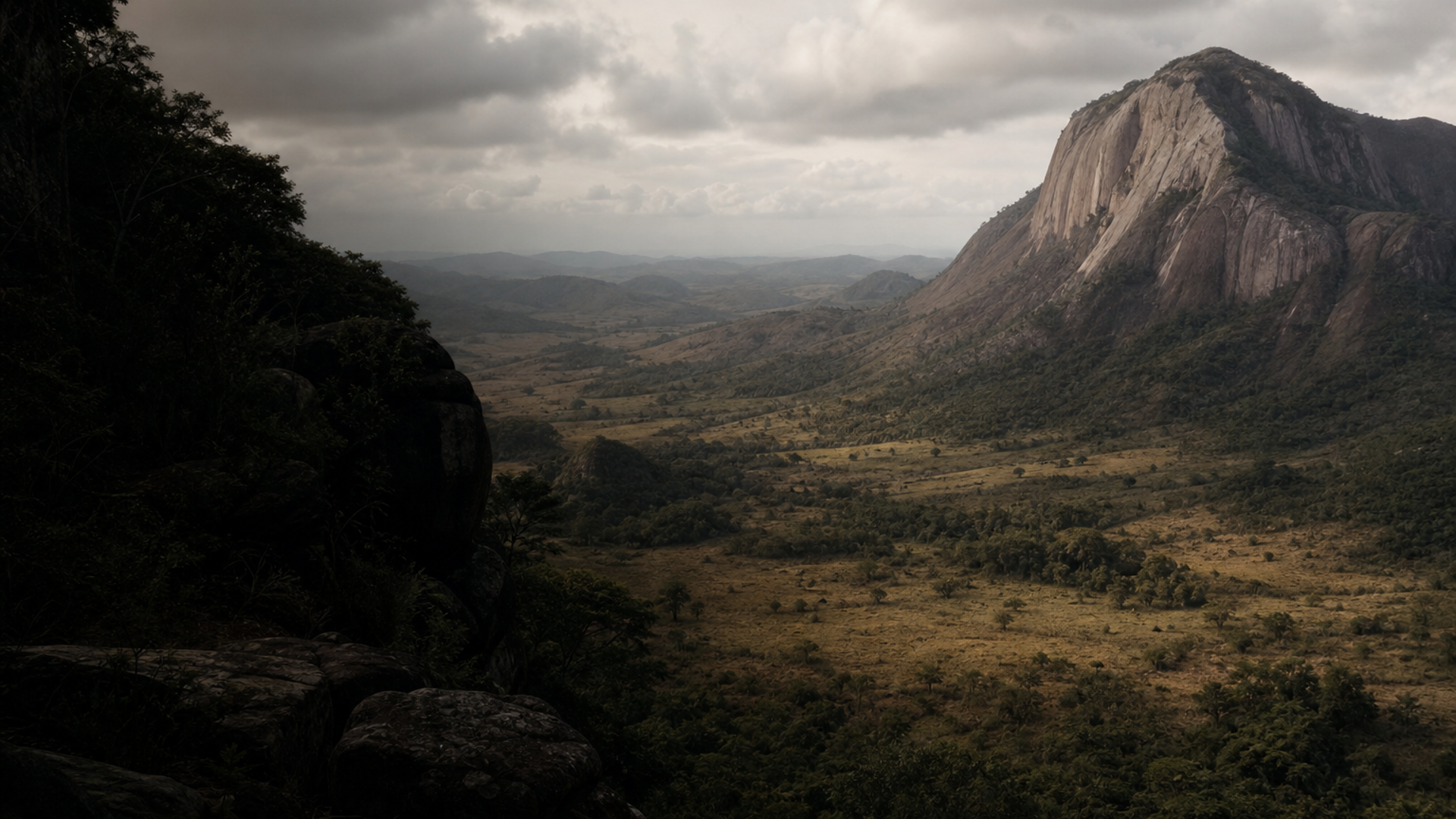
In the hush of the Rio Doce Valley, bone and soil whisper of communities known historically as the Botocudo. Archaeological data indicates these individuals lived in a landscape of rivers, gallery forests, and open savannah patches — an environment that shaped mobility, diet and settlement patterns. The three sampled individuals date between 1479 and 1842 CE, situating them across the initial centuries of sustained European contact in eastern Brazil.

Limited evidence suggests continuity with longer Holocene occupation of eastern Brazil, but the sparse record for this region makes fine-grained reconstructions difficult. Material remains historically attributed to Botocudo groups include stone tools, simple ceramic sherds in some contexts, and ethnographically attested body modification (the labret or lip ornament, from which the colonial name 'Botocudo' derives). Skeletal assemblages from valleys like the Rio Doce offer direct life-history snapshots — age, diet indicators, healed trauma — but sample preservation is uneven in tropical soils.

Genetic findings from the three individuals provide additional threads in the tapestry of origin. While archaeological signatures frame cultural life, aDNA offers biological continuity and movement patterns through time. Because only three samples are available, any narrative of emergence must remain provisional: the combined archaeological and genetic signals point toward Indigenous American ancestry consistent with broader regional lineages, but the full story of population formation in the Rio Doce Valley awaits larger, ethically guided sampling.

  • Samples dated to 1479–1842 CE from Rio Doce Valley
  • Archaeological record in eastern Brazil is patchy; preservation is challenging
  • Evidence hints at long-term Indigenous occupation but conclusions are provisional
Kapitel IV

Daily Life & Society

Archaeological imagination paints a cinematic scene: dawn mist over the Rio Doce, fish smoke rising from riverbank hearths, and skillful hunters and gatherers moving between forest and field. Ethnohistoric accounts and regionally recovered artifacts suggest Botocudo lifeways emphasized mobility, riverine resource use, and intimate knowledge of seasonal cycles. Small camps, temporary clearings for tuber cultivation, and fishing sites would have structured daily labor and social networks.

Burials and bone chemistry, when preserved, provide concrete details. Stable isotope data from dentition and bone (where available in similar regional contexts) often point to diets rich in freshwater fish, wild game and C3 plant resources rather than maize-dominated agriculture. Material culture remains modest: flaked stone tools, occasional pottery fragments, and personal adornment attest to local craft traditions. Historical descriptions note distinctive forms of bodily ornamentation and social identity — visible markers that likely encoded kinship, status and group affiliation.

Archaeological evidence from the Rio Doce Valley itself is limited, so these reconstructions borrow cautiously from better-documented neighboring zones. Importantly, social disruption during the colonial era — forced displacement, disease, and conflict — dramatically reshaped community composition, and the skeletal record from 1479–1842 CE captures communities in a time of upheaval as well as continuity.

  • Riverine resources and mobility structured subsistence strategies
  • Burials and isotopes suggest diets focused on fish, wild game, and C3 plants
Kapitel V

Genetic Profile

Genetic data from the three Botocudo individuals in the Rio Doce Valley yield cautious but informative signals. Observed haplogroups include Y-DNA C (1 individual) and mtDNA B (1 individual). Both haplogroups fall within the spectrum of founding Native American lineages: mitochondrial B and Y-chromosome C have broad distributions across the Americas and, in different sublineages, in parts of Asia and Oceania.

Because only three genomes are available, these findings are preliminary. Small sample sizes (<10) greatly limit population-level inference: the presence of a haplogroup in one or two individuals cannot be taken as representative of whole communities. Nevertheless, the detected lineages are consistent with Indigenous American ancestry rather than clear signals of external, recent colonizer admixture in these particular samples.
Practical limitations shape genetic interpretation in this region. Tropical climates accelerate DNA degradation, increasing contamination risk and reducing genomic coverage. When genomic-wide data are obtainable, comparisons to regional reference panels — other ancient and modern Indigenous groups from eastern South America — can refine affinity models, infer relatedness, and identify admixture events connected to colonial contact. For now, the conjunction of archaeology and aDNA from the Rio Doce Valley underscores Indigenous continuity while highlighting how much remains unknown without a larger, ethically sourced dataset.

  • Observed haplogroups: Y-DNA C (1), mtDNA B (1) — consistent with Indigenous American lineages
  • Sample count is only three; population-level conclusions are provisional
Kapitel VI

Legacy & Modern Connections

The human remains from the Rio Doce Valley carry stories beyond the laboratory: they are fragments of living traditions disrupted by colonialism and displacement. Archaeological and genetic data together can illuminate continuities of ancestry, but small sample sizes mean we must avoid overclaiming direct continuity with any particular modern community without collaborative engagement.

Modern descendants and neighboring indigenous groups in eastern Brazil have experienced profound cultural loss and resilience. Ethical practice requires that genetic research be paired with consultation, transparent communication, and repatriation where appropriate. Future, community-centered studies — combining expanded aDNA sampling, oral histories, and archaeological fieldwork — can help bridge past and present, recovering social histories erased in the colonial centuries. The Rio Doce valley remains a promising, if fragile, archive: its echoes invite careful, respectful research that centers descendant voices.

  • Genetic signals suggest Indigenous ancestry but cannot alone determine modern continuity
  • Further research must be community-led, ethical, and increase sample sizes before firm conclusions
Kapitel VII

Probenkatalog

3 alte DNA-Proben, die mit der Echoes of Rio Doce: Botocudo Remains-Kultur in Verbindung stehen und genetische Einordnungen zu den Menschen dieses Zeitraums liefern.

3 / 3 Proben
Porträt Probe Land Epoche Datum Kultur Geschlecht Y-DNA mtDNA
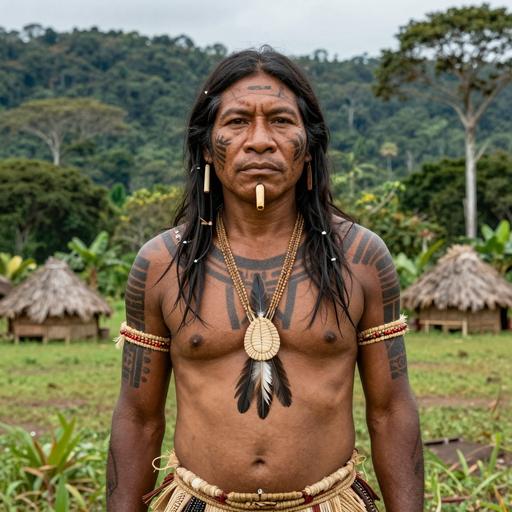
Künstlerische Rekonstruktion von Central Minas Gerais Botocudo individual, Brazil
Central Minas Gerais Botocudo individual, Brazil
Brazil Brazil_Botocudo 1450-1850 CE Indigenous Amerindian M C-Z31885 B4a1a1a
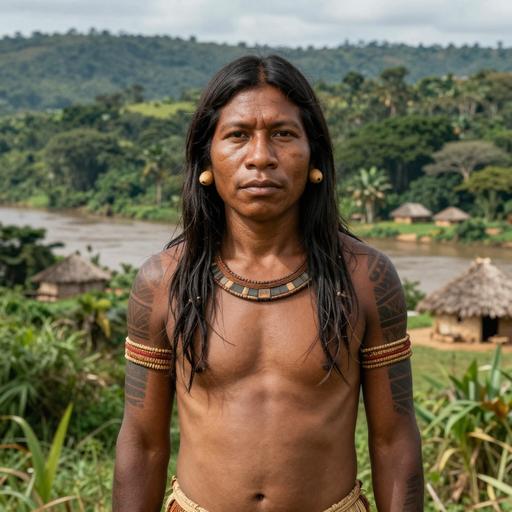
Künstlerische Rekonstruktion von Indigenous Amerindian individual, Brazil
Indigenous Amerindian individual, Brazil
Brazil Brazil_Botocudo 1479 CE Indigenous Amerindian M - -
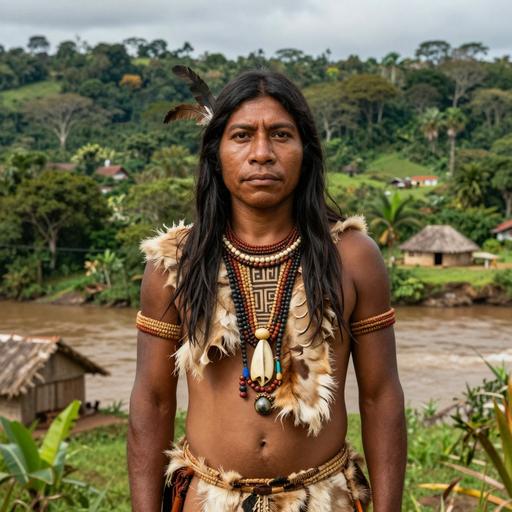
Künstlerische Rekonstruktion von Indigenous Amerindian individual, Brazil
Indigenous Amerindian individual, Brazil
Brazil Brazil_Botocudo 1496 CE Indigenous Amerindian M C-M208 -
KI-gestützt

KI-Assistent

Stellen Sie Fragen zur Echoes of Rio Doce: Botocudo Remains-Kultur

KI-Assistent von DNAGENICS

Funktion freischalten
Stellen Sie Fragen zur Kultur Echoes of Rio Doce: Botocudo Remains. Unser KI-Assistent kann genetische Befunde, historischen Kontext, archäologische Belege und moderne Verbindungen erläutern.
Beispiel einer KI-Analyse

Die Echoes of Rio Doce: Botocudo Remains-Kultur ist ein faszinierendes Kapitel der Menschheitsgeschichte...

Genetische Analysen zeigen Übereinstimmungen mit früheren Populationen und Hinweise auf besondere Anpassungen und kulturelle Innovationen. Alte DNA-Proben liefern Einblicke in Migrationsmuster, soziale Strukturen und genetische Verbindungen zwischen Populationen.

Dies ist eine Vorschau der KI-Analyse. Schalten Sie den vollständigen KI-Assistenten frei, um detaillierte Einblicke zu erkunden:

  • Genetische Zusammensetzung und genetische Ähnlichkeit
  • Migrationsmuster und Ursprünge
  • Alltag und kulturelle Praktiken
  • Genetischer Bezug zu heutigen Populationen

Weitere antike Kulturen erkunden

Geschichten von Zivilisationen aus der antiken Welt entdecken

Use code for 35% off • Expires Nov 09