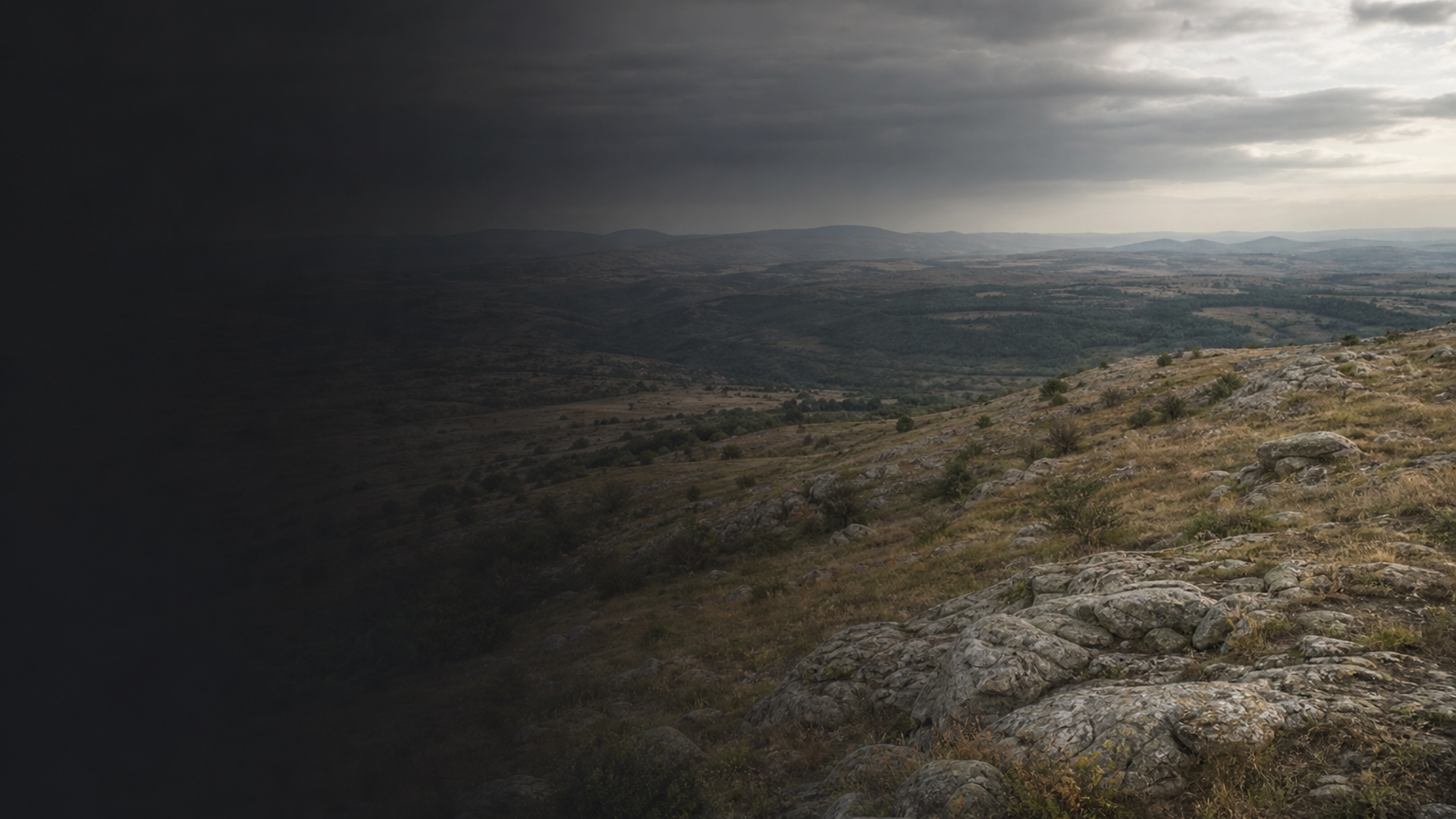
The material traces of daily life among Ezero communities evoke a world of settled villages, craft specialization, and seasonal rhythms tied to the land. Houses—often built in compact clusters—suggest households organized around extended-family units. Hearths, pottery kilns, and lithic workshops attest to domestic craft production: coarse storage vessels and finely made decorated wares appear together, indicating both utilitarian and symbolic uses of pottery.
Economy likely combined mixed farming—cereal cultivation and livestock herding—with foraged resources from nearby wetlands. Tools and animal bone assemblages indicate sheep, goats, and cattle were important, while grinding stones and agricultural implements reflect systematic cultivation. Fortifications and changes in mortuary practice hint at shifting social hierarchies: some individuals or households may have accrued greater status, whether through control of resources, craft skills, or ritual roles.
Trade and exchange left visible marks: non-local raw materials, exotic ornaments, and stylistic influences in ceramics suggest long-distance ties. Yet daily life remained rooted in local landscapes—fields, riverine marshes, and the shelter of low mounds—and the sensory world of Ezero people would have been defined by seasonal labor, communal feasts, and the rhythms of craft production.