
Gambia: Coastal Threads of Today

Download PDF creates a visual, rasterized copy. Use Print for selectable text and better assistive-technology support.

Bericht wird vorbereitet

Verfügbare Informationen und Referenzen werden geladen

Verbindung mit dem archäologischen Quellenbestand...

Alte Quellen werden zusammengestellt

Zum Hauptinhalt springen
Gambia: Coastal Threads of Today
Zivilisations-Spotlight

Gambia: Coastal Threads of Today

A contemporary portrait linking Gambian coastal archaeology with genomic patterns

2000 CE
The Gambia (Western District, Western Divisions)
Scrollen zum Start
Kapitel I

Die Geschichte

Die Gambia: Coastal Threads of Today-Kultur verstehen

Modern Gambia (2000 CE) — 113 samples from the Western District and Western Divisions. Archaeological continuity on the coast meets genomic patterns typical of West Africa. Dataset lacks detailed haplogroup listings; comparative research suggests E1b1a and mtDNA L lineages are common regionally.

Time Period

2000 CE (contemporary)

Region

The Gambia (Western District, Western Divisions)

Common Y-DNA

Not specified in dataset; regionally often E1b1a (E-M2)

Common mtDNA

Not specified in dataset; regionally dominated by L haplogroups (L0–L3)

Kapitel II

Zeitleiste

Zentrale Momente in der Geschichte dieser Kultur

1965 CE

National independence context

The Gambia's independence (1965) marks a modern political milestone that shaped migration and demographic patterns into the late 20th century.

2000 CE

Contemporary sampling snapshot

One-hundred-thirteen modern samples taken from Western District/Western Divisions provide a coastal Gambian genetic snapshot for the year 2000.

Kapitel III

Origins & Emergence

The samples assigned to "Modern Gambia" capture life at a single temporal snapshot: the year 2000 CE. Archaeological continuity along the Gambian coast — seen in settlement traces, fishing infrastructure, and trade-linked artefacts — creates a long visual of human occupation, but modern collections reflect living communities rather than deep-time layers.

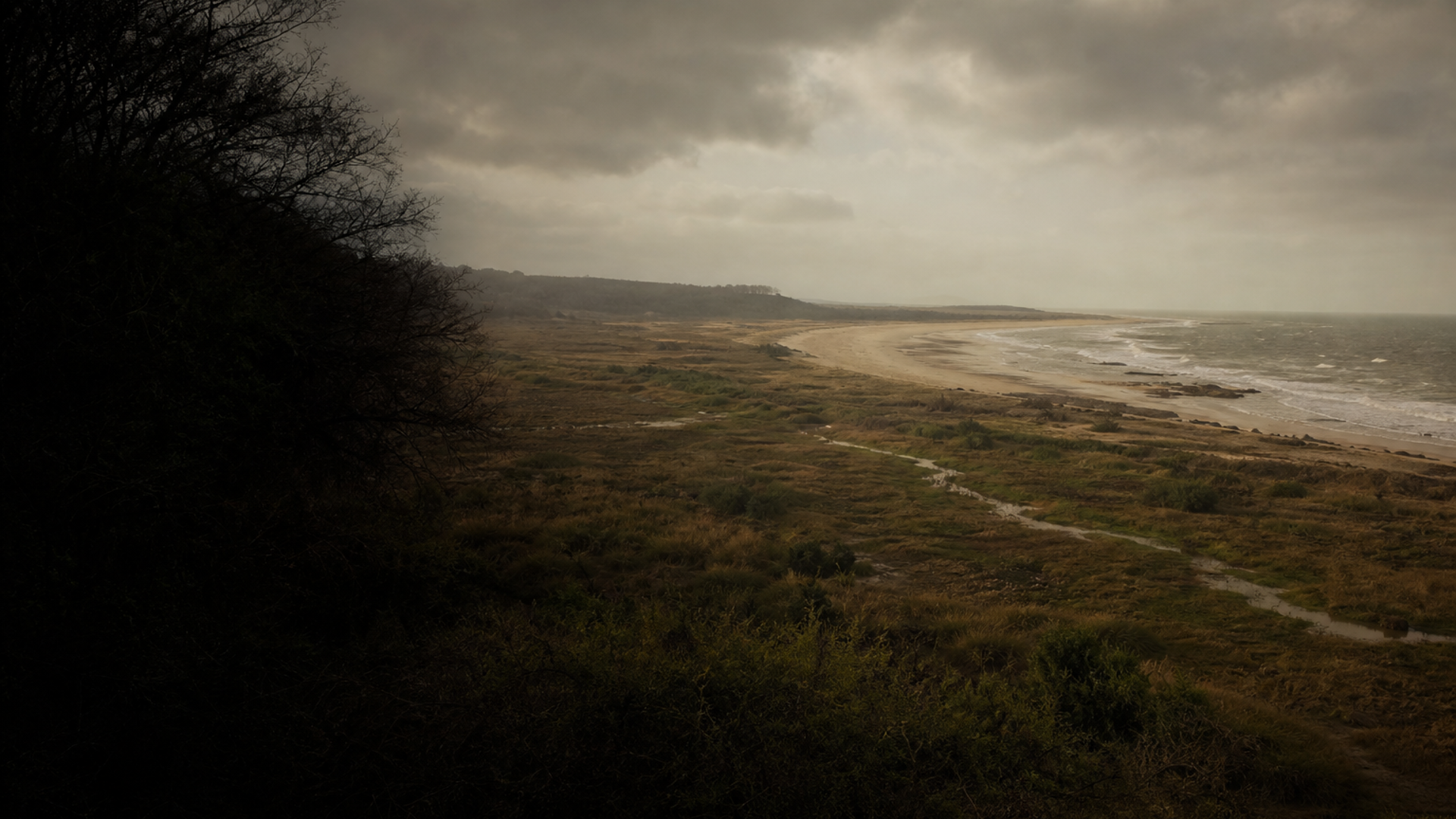
Archaeological data indicates persistent coastal economies shaped by estuarine resources of the Gambia River and Atlantic littoral. Landscapes of mangrove, tidal flats and riverine floodplains have long directed settlement, mobility and material culture. Ethnohistoric records and excavations elsewhere in Senegambia show how trade, seasonal fishing, and small-scale agriculture form a resilient fabric that frames modern lifeways.

Genetically, this snapshot sits atop millennia of movement across West Africa. Limited evidence in this dataset (haplogroups not listed) prevents direct claims about specific lineages in these 113 samples, but comparative regional studies point toward deeply rooted West African ancestries that reflect both local continuity and historical interactions.

  • Samples date to a single year: 2000 CE — contemporary context
  • Archaeological continuity along the Gambia River and Atlantic coast informs modern settlement patterns
  • Dataset lacks site-specific deep-time layers; represents living communities
Kapitel IV

Daily Life & Society

Daily life in coastal Gambian communities blends maritime skill, market exchange and kin networks. Archaeological traces — fish processing features, pottery scatters, and coastal architecture — reflect economies built on estuarine fisheries, smallholder agriculture and regional trade. Oral histories and historical records complement material culture, providing context for household structure, craft specialization and seasonal mobility.

In the Western District and Western Divisions, towns and villages form nodes along roads and river channels. Markets concentrate marine products, rice, manioc, and goods that flow from inland and across the border. Social life is structured by extended families and age-grade institutions; ritual sites and community spaces retain visible archaeological signatures in refuse middens and reused building material.

Modern infrastructure and colonial-era transformations have altered settlement patterns, but many everyday practices show continuity with past adaptive strategies to coastal environments. Archaeology here is best read alongside ethnography and recent genetic sampling to understand how heritage, diet and mobility intersect.

  • Economy shaped by estuarine fishing, small-scale agriculture, and market exchange
  • Material traces include fish processing areas, pottery, and settlement middens
Kapitel V

Genetic Profile

This dataset comprises 113 samples from the Western District and Western Divisions dated to 2000 CE. The submission does not list specific Y‑DNA or mtDNA haplogroups, so direct claims about lineage proportions within these samples cannot be asserted. Where the dataset is silent, comparative population genetics for Gambian and broader Senegambian populations provide a cautious interpretive frame.

Regionally, living Gambian populations typically show Y‑chromosome profiles with high frequencies of haplogroup E1b1a (E‑M2) and mitochondrial DNA dominated by sublineages of macro-haplogroup L (L0, L1, L2, L3). Genome-wide studies of West African populations reveal deep autochthonous ancestry components, layered with signals of historical contact across the Sahel and Atlantic coast.

Important caveats: because haplogroup details are not provided for these 113 samples, any direct mapping of lineages to archaeological features is preliminary. The sample count, however, is substantial enough to support population-level analyses if accompanying genetic calls are later released. Spatially concentrated sampling (Western District/Divisions) means findings primarily reflect coastal Gambian diversity and may not capture inland variation.

  • Dataset: 113 modern samples from Western District and Western Divisions (2000 CE)
  • Haplogroup listings not included; regional comparative data typically show E1b1a (Y) and mtDNA L lineages
Kapitel VI

Legacy & Modern Connections

The modern genetic and archaeological portrait of the Gambia is one of continuity braided with exchange. Coastal lifeways preserved in material culture and living memory continue to shape identity and demography. Genetic patterns seen across Senegambia reflect ancient population structure and more recent mobility — markets, marriage networks and colonial-era movements — that have left measurable traces in DNA.

For researchers and descendant communities, linking archaeological evidence with genomic data offers a narrative of resilience: environmental knowledge, maritime economies, and kin-based social systems have anchored communities through climatic and social change. Future publication of the haplogroup and genome-wide calls for these 113 samples would allow more precise statements about lineages, admixture, and demographic history in the Gambian coast.

  • Modern Gambian coastal communities reflect long-term coastal adaptation and regional connectivity
  • Full genetic call-sets would clarify lineage histories; current dataset invites further analysis
KI-gestützt

KI-Assistent

Stellen Sie Fragen zur Gambia: Coastal Threads of Today-Kultur

KI-Assistent von DNAGENICS

Funktion freischalten
Stellen Sie Fragen zur Kultur Gambia: Coastal Threads of Today. Unser KI-Assistent kann genetische Befunde, historischen Kontext, archäologische Belege und moderne Verbindungen erläutern.
Beispiel einer KI-Analyse

Die Gambia: Coastal Threads of Today-Kultur ist ein faszinierendes Kapitel der Menschheitsgeschichte...

Genetische Analysen zeigen Übereinstimmungen mit früheren Populationen und Hinweise auf besondere Anpassungen und kulturelle Innovationen. Alte DNA-Proben liefern Einblicke in Migrationsmuster, soziale Strukturen und genetische Verbindungen zwischen Populationen.

Dies ist eine Vorschau der KI-Analyse. Schalten Sie den vollständigen KI-Assistenten frei, um detaillierte Einblicke zu erkunden:

  • Genetische Zusammensetzung und genetische Ähnlichkeit
  • Migrationsmuster und Ursprünge
  • Alltag und kulturelle Praktiken
  • Genetischer Bezug zu heutigen Populationen

Weitere antike Kulturen erkunden

Geschichten von Zivilisationen aus der antiken Welt entdecken

Use code for 30% off • Expires Nov 08




