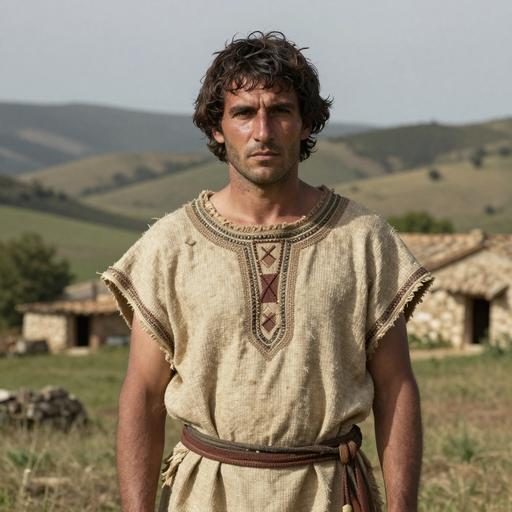
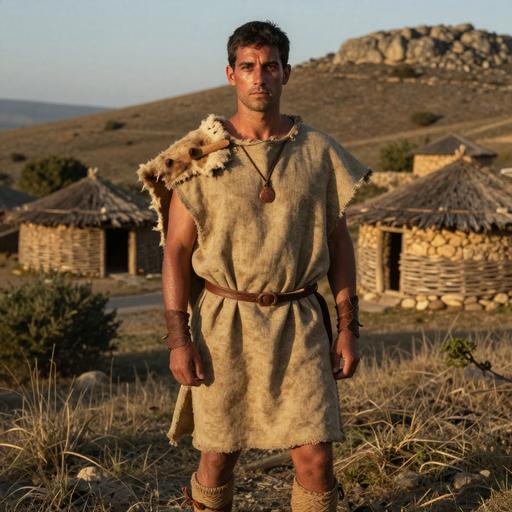
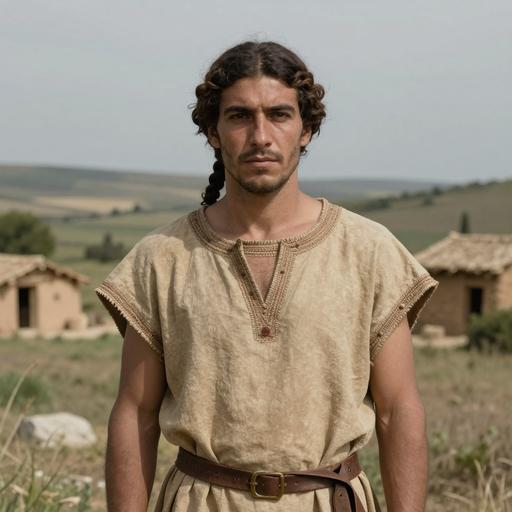
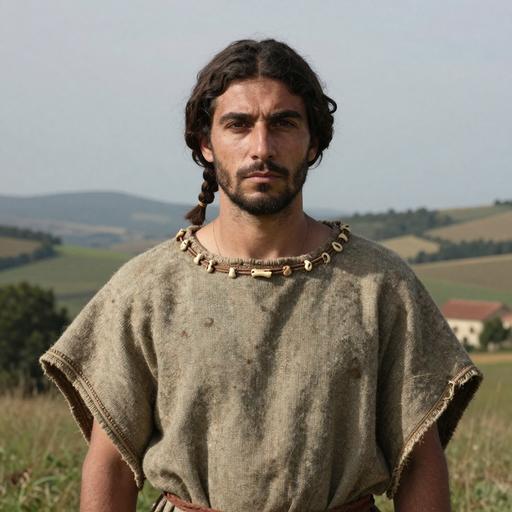
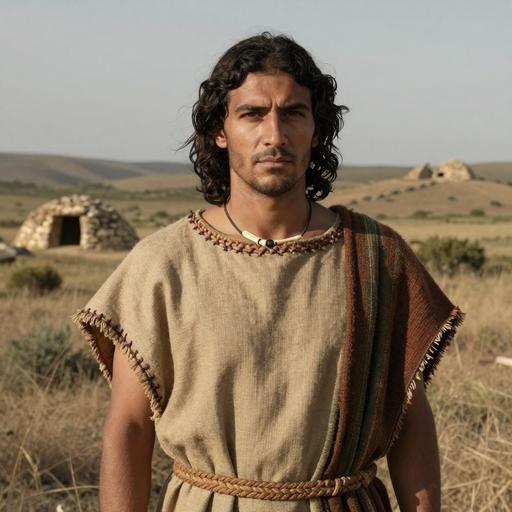
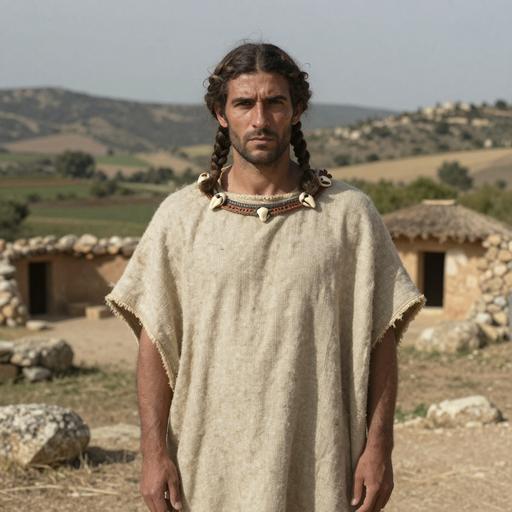
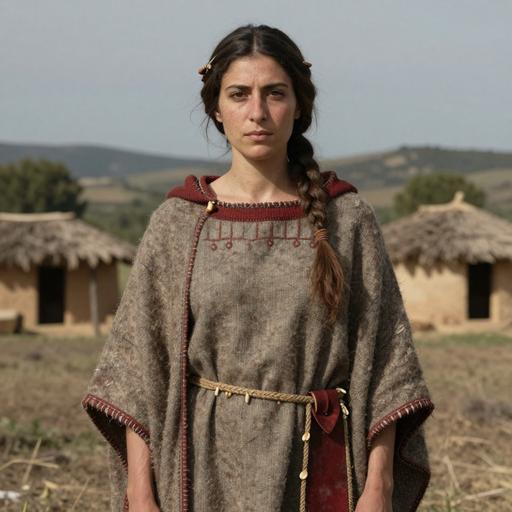
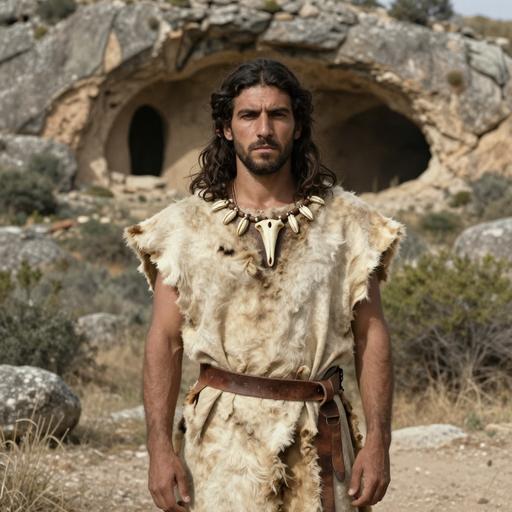
|
|
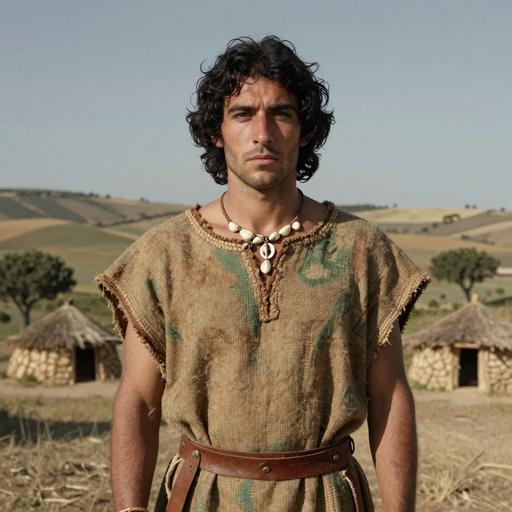
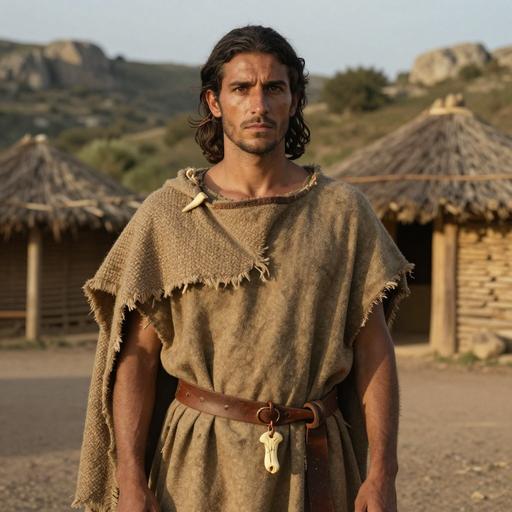
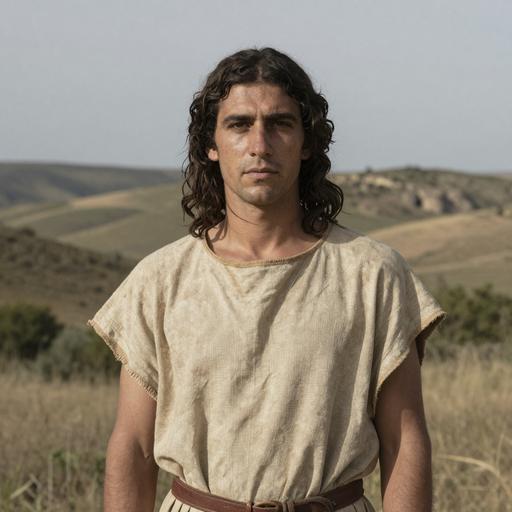
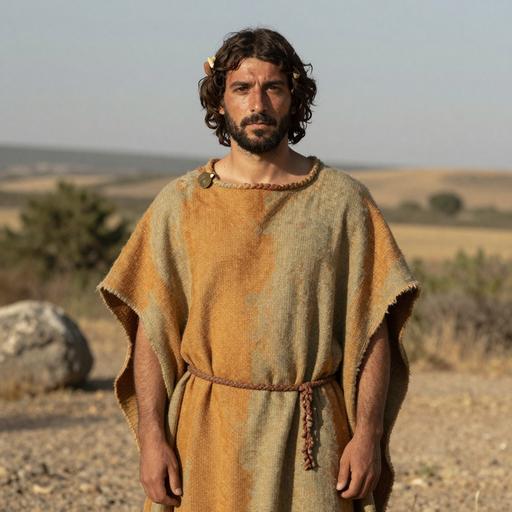
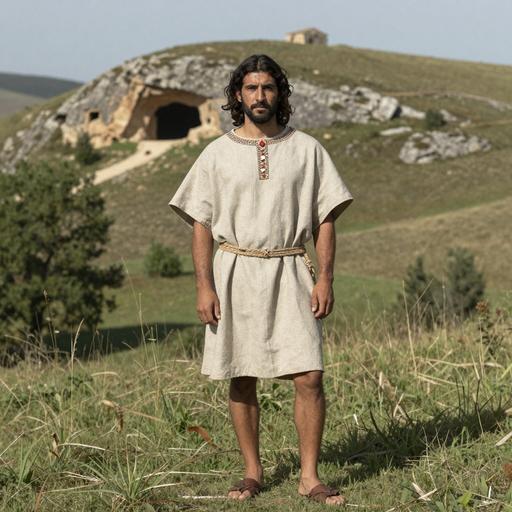
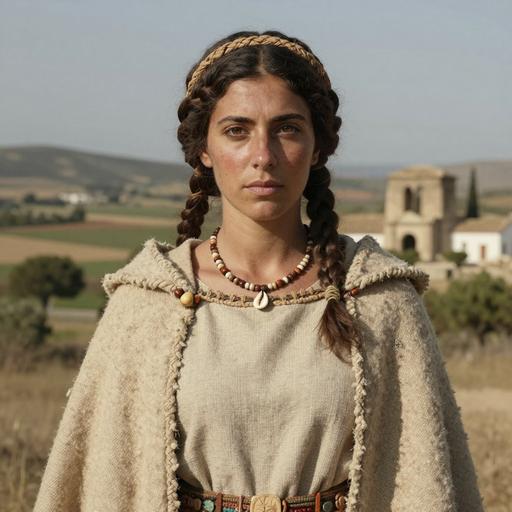
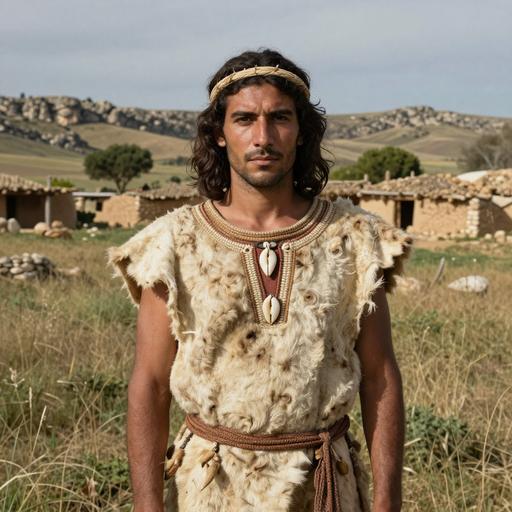
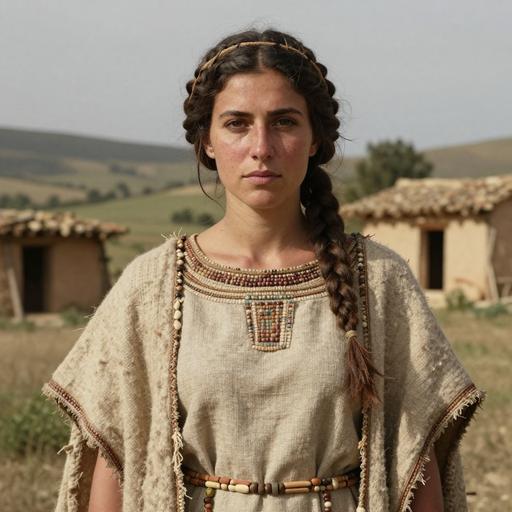
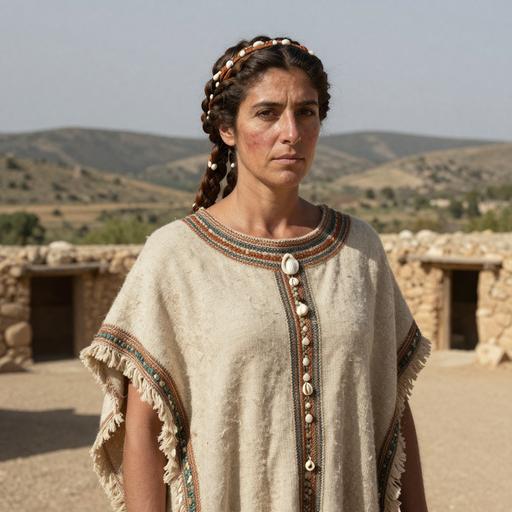
Iberian Chalcolithic individual, Spain
|
Spain |
Spain_C |
3265 BCE |
Iberian Chalcolithic |
F
|
-
|
H3c3
|
|
|
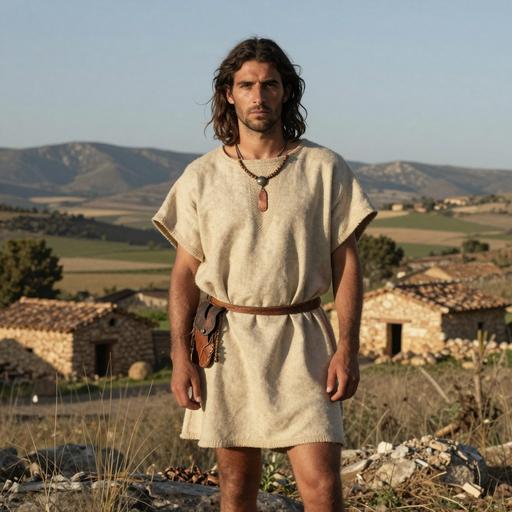
Iberian Chalcolithic individual, Spain
|
Spain |
Spain_C |
2900 BCE |
Iberian Chalcolithic |
M
|
H2-P96
|
U5b3
|
|
|
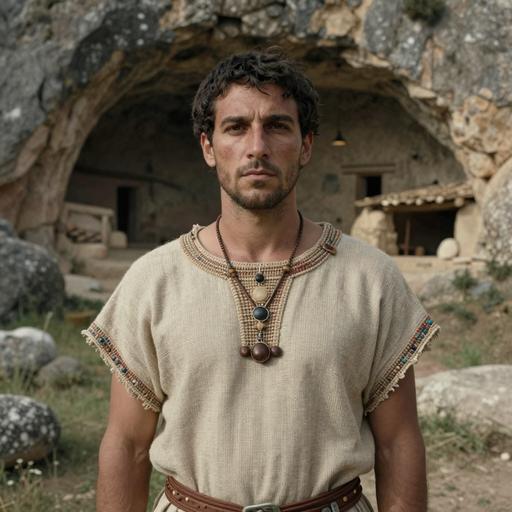
Iberian Chalcolithic individual, Spain
|
Spain |
Spain_C |
2900 BCE |
Iberian Chalcolithic |
M
|
I2a2a
|
K1-a15
|
|
|
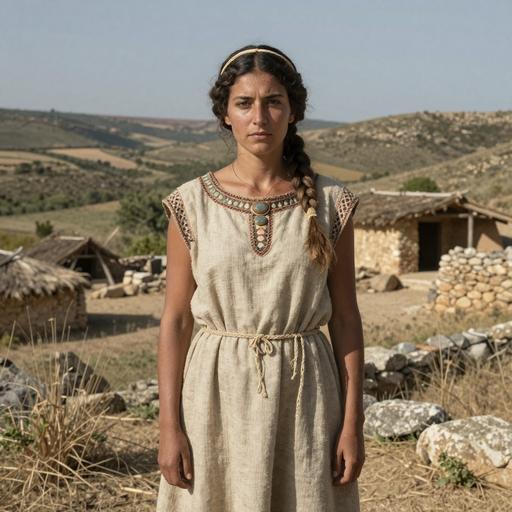
Iberian Chalcolithic individual, Spain
|
Spain |
Spain_C |
3096 BCE |
Iberian Chalcolithic |
M
|
G2a2a
|
V
|
|
|
Iberian Chalcolithic individual, Spain
|
Spain |
Spain_C |
2900-2500 BCE |
Iberian Chalcolithic |
M
|
G-CTS5990
|
U5b1-a1
|
|
|
Iberian Chalcolithic individual, Spain
|
Spain |
Spain_C |
2900-2500 BCE |
Iberian Chalcolithic |
F
|
-
|
H4a1
|
|
|
Iberian Chalcolithic individual, Spain
|
Spain |
Spain_C |
3356-2936 calBCE (4470±50 BP, Poz-83429) |
Iberian Chalcolithic |
F
|
-
|
J1c3ac
|
|
|
Spain C individual, Spain
|
Spain |
Spain_C |
4000-3400 BCE |
|
M
|
T-MF136843
|
W5a2
|
|
|
Iberian Chalcolithic individual, Spain
|
Spain |
Spain_C |
2750-2550 BCE |
Iberian Chalcolithic |
M
|
G-CTS5990
|
H
|
|
|
Iberian Chalcolithic individual, Spain
|
Spain |
Spain_C |
2900-2500 BCE |
Iberian Chalcolithic |
F
|
-
|
J2b1a
|
|
|
Iberian Chalcolithic individual, Spain
|
Spain |
Spain_C |
2750-2550 BCE |
Iberian Chalcolithic |
M
|
I-CTS5375
|
J2b1a2a
|
|
|
Iberian Chalcolithic individual, Spain
|
Spain |
Spain_C |
2900 BCE |
Iberian Chalcolithic |
F
|
-
|
K1a2a
|
|
|
Iberian Chalcolithic individual, Spain
|
Spain |
Spain_C |
3011 BCE |
Iberian Chalcolithic |
M
|
I2-M223
|
-
|
|
|
Iberian Chalcolithic individual, Spain
|
Spain |
Spain_C |
3100-2650 BCE |
Iberian Chalcolithic |
F
|
-
|
K1a4a1
|
|
|
Iberian Chalcolithic individual, Spain
|
Spain |
Spain_C |
3000 BCE |
Iberian Chalcolithic |
M
|
I2a2a
|
U5b2b3a
|
|
|
Iberian Chalcolithic individual, Spain
|
Spain |
Spain_C |
2867-2573 calBCE (4110±30 BP, Beta-416458) |
Iberian Chalcolithic |
F
|
-
|
H1t
|
|
|
C-o Steppe individual, Spain
|
Spain |
Spain_C |
2564-2299 cal BCE (3933±32 BP, CSIC-1896) |
Iberian Chalcolithic |
M
|
R-P312
|
K1a4a1
|
|
|
C-o Steppe individual, Spain
|
Spain |
Spain_C |
2453-2201 calBCE (3837±25 BP, MAMS-14857) |
Iberian Chalcolithic |
F
|
-
|
K1a1b1
|
|
|
Iberian Chalcolithic individual, Spain
|
Spain |
Spain_C |
3015-2901 calBCE (4340±22 BP) [R_combine: (4390±30 BP, Beta-301225), (4290±30 BP, Beta-301226)] |
Iberian Chalcolithic |
F
|
-
|
U5b1-a1
|
|
|
Iberian Chalcolithic individual, Spain
|
Spain |
Spain_C |
3022-2907 calBCE (4355±20 BP, PSUAMS-2866) |
Iberian Chalcolithic |
M
|
I-S10631
|
H5
|
|
|
Iberian Chalcolithic individual, Spain
|
Spain |
Spain_C |
2600 BCE |
Iberian Chalcolithic |
F
|
-
|
U5b1f1a
|
|
|
Iberian Chalcolithic individual, Spain
|
Spain |
Spain_C |
2857-2492 calBCE (4080±30 BP, Beta-416456) |
Iberian Chalcolithic |
F
|
-
|
K1b1a1
|
|
|
Iberian Chalcolithic individual, Spain
|
Spain |
Spain_C |
3100-2650 BCE |
Iberian Chalcolithic |
F
|
-
|
T2b3d
|
|
|
Iberian Chalcolithic individual, Spain
|
Spain |
Spain_C |
2872-2626 calBCE (4141±21 BP, MAMS-18651) |
Iberian Chalcolithic |
M
|
G-PF3148
|
H1ah
|
|
|
Iberian Chalcolithic individual, Spain
|
Spain |
Spain_C |
2570-2342 calBCE (3950±30 BP, Beta-416457) |
Iberian Chalcolithic |
M
|
I2a2a
|
H3
|
|
|
C-o Steppe individual, Spain
|
Spain |
Spain_C |
2287-2044 cal BCE (3760±30 BP, Beta-492280) |
Iberian Chalcolithic |
M
|
R-L51
|
U5a1b1
|
|
|
Iberian Chalcolithic individual, Spain
|
Spain |
Spain_C |
2900 BCE |
Iberian Chalcolithic |
M
|
I2a1a1
|
U3a1
|
|
|
Iberian Chalcolithic individual, Spain
|
Spain |
Spain_C |
3336 BCE |
Iberian Chalcolithic |
M
|
I-M423
|
K1a2b
|
|
|
Iberian Chalcolithic individual, Spain
|
Spain |
Spain_C |
2600-2200 BCE |
Iberian Chalcolithic |
F
|
-
|
U5b2b
|
|
|
C-o Steppe individual, Spain
|
Spain |
Spain_C |
2283-1983 calBCE (3730±40 BP, Poz-49174) |
Iberian Chalcolithic |
M
|
R-DF103
|
K1a24a
|
|
|
Iberian Chalcolithic individual, Spain
|
Spain |
Spain_C |
3000 BCE |
Iberian Chalcolithic |
M
|
G-PF3148
|
H1e1a
|
|
|
C-o Steppe individual, Spain
|
Spain |
Spain_C |
2500-2000 BCE |
Iberian Chalcolithic |
M
|
R-P312
|
T2b3-a
|
|
|
Iberian Chalcolithic individual, Spain
|
Spain |
Spain_C |
3100-2650 BCE |
Iberian Chalcolithic |
M
|
I-BY37404
|
K1a2c
|
|
|
Iberian Chalcolithic individual, Spain
|
Spain |
Spain_C |
2900-2300 BCE |
Iberian Chalcolithic |
M
|
I-Z161
|
H1-e
|
|
|
Iberian Chalcolithic individual, Spain
|
Spain |
Spain_C |
3000 BCE |
Iberian Chalcolithic |
F
|
-
|
K1a4a1
|
|
|
Iberian Chalcolithic individual, Spain
|
Spain |
Spain_C |
2460-2206 calBCE (3860±30 BP, UGA-15905) |
Iberian Chalcolithic |
M
|
I-BY191090
|
H45
|
|
|
Iberian Chalcolithic individual, Spain
|
Spain |
Spain_C |
3000 BCE |
Iberian Chalcolithic |
F
|
-
|
J2a1a1
|
|
|
Iberian Chalcolithic individual, Spain
|
Spain |
Spain_C |
2900 BCE |
Iberian Chalcolithic |
M
|
G2a
|
J2a1a1
|
|
|
Iberian Chalcolithic individual, Spain
|
Spain |
Spain_C |
2600 BCE |
Iberian Chalcolithic |
F
|
-
|
U5b1e
|
|
|
Iberian Chalcolithic individual, Spain
|
Spain |
Spain_C |
3800-2500 BCE |
Iberian Chalcolithic |
F
|
-
|
J2b1a
|
|
|
Iberian Chalcolithic individual, Spain
|
Spain |
Spain_C |
2650-2250 BCE |
Iberian Chalcolithic |
F
|
-
|
K1-a
|
|
|
Iberian Chalcolithic individual, Spain
|
Spain |
Spain_C |
2900 BCE |
Iberian Chalcolithic |
F
|
-
|
J1c1
|
|
|
C-o Steppe individual, Spain
|
Spain |
Spain_C |
2500-2200 BCE |
Iberian Chalcolithic |
M
|
R-P310
|
H3-b
|
|
|
Iberian Chalcolithic individual, Spain
|
Spain |
Spain_C |
2462-2209 calBCE (3870±30 BP, PSUAMS-2120) |
Iberian Chalcolithic |
F
|
-
|
T2b3
|
|
|
Iberian Chalcolithic individual, Spain
|
Spain |
Spain_C |
2130-1896 calBCE (3630±30 BP, Ua-35012) |
Iberian Chalcolithic |
M
|
G-PF3148
|
U5b1c
|
|
|
Iberian Chalcolithic individual, Spain
|
Spain |
Spain_C |
3307-2899 calBCE (4380±40 BP, Beta-288933) |
Iberian Chalcolithic |
M
|
I-M223
|
X2b
|
|
|
C-o Steppe individual, Spain
|
Spain |
Spain_C |
2500-2000 BCE |
Iberian Chalcolithic |
M
|
R-PF6658
|
HV0b
|
|
|
Spain C individual, Spain
|
Spain |
Spain_C |
2600-2300 BCE |
|
M
|
I-PF692
|
H3
|
|
|
Iberian Chalcolithic individual, Spain
|
Spain |
Spain_C |
2900 BCE |
Iberian Chalcolithic |
M
|
I-S9403
|
X2b
|
|
|
Iberian Chalcolithic individual, Spain
|
Spain |
Spain_C |
2500-2000 BCE |
Iberian Chalcolithic |
F
|
-
|
H4a1a-a
|
|
|
Iberian Chalcolithic individual, Spain
|
Spain |
Spain_C |
2600 BCE |
Iberian Chalcolithic |
M
|
H-P96
|
U5b1i
|
|
|
Iberian Chalcolithic individual, Spain
|
Spain |
Spain_C |
2900 BCE |
Iberian Chalcolithic |
M
|
I-M223
|
H3
|
|
|
Iberian Chalcolithic individual, Spain
|
Spain |
Spain_C |
2916-2704 calBCE (4250±30 BP, Beta-299305) |
Iberian Chalcolithic |
M
|
I-M223
|
H3
|
|
|
Iberian Chalcolithic individual, Spain
|
Spain |
Spain_C |
2571-2347 calBCE (3960±30 BP, Beta-299306) |
Iberian Chalcolithic |
M
|
I2a1b1
|
H3
|
|
|
Iberian Chalcolithic individual, Spain
|
Spain |
Spain_C |
2500-2000 BCE |
Iberian Chalcolithic |
M
|
I-P222
|
K1a1b1
|
|
|
Iberian Chalcolithic individual, Spain
|
Spain |
Spain_C |
2456-2204 calBCE (3850±30 BP, UGA-15904) |
Iberian Chalcolithic |
M
|
I-S10631
|
K1a1b1
|
|
|
Iberian Chalcolithic individual, Spain
|
Spain |
Spain_C |
2474-2209 calBCE (3900±40 BP, Beta-299300) |
Iberian Chalcolithic |
M
|
I-M223
|
X2b
|
|
|
Iberian Chalcolithic individual, Spain
|
Spain |
Spain_C |
2900 BCE |
Iberian Chalcolithic |
M
|
I-CTS2257
|
H3
|
|
|
Iberian Chalcolithic individual, Spain
|
Spain |
Spain_C |
3096 BCE |
Iberian Chalcolithic |
M
|
I-P214
|
K1-a
|
|
|
Iberian Chalcolithic individual, Spain
|
Spain |
Spain_C |
3013-2889 calBCE (4320±30 BP, Beta-301223) |
Iberian Chalcolithic |
F
|
-
|
J1c1
|
|
|
Iberian Chalcolithic individual, Spain
|
Spain |
Spain_C |
3150-2850 BCE |
Iberian Chalcolithic |
F
|
-
|
U5b2b
|
|
|
Iberian Chalcolithic individual, Spain
|
Spain |
Spain_C |
2900 BCE |
Iberian Chalcolithic |
F
|
-
|
H3c3
|
|
|
Iberian Chalcolithic individual, Spain
|
Spain |
Spain_C |
2835-2473 calBCE (4051±28 BP, MAMS-25940) |
Iberian Chalcolithic |
M
|
I-P222
|
H1t
|
|
|
Iberian Chalcolithic individual, Spain
|
Spain |
Spain_C |
2900-2300 BCE |
Iberian Chalcolithic |
F
|
-
|
H1
|
|
|
Iberian Chalcolithic individual, Spain
|
Spain |
Spain_C |
2025 BCE |
Iberian Chalcolithic |
M
|
I-Y31653
|
J1c1
|
|
|
Iberian Chalcolithic individual, Spain
|
Spain |
Spain_C |
2573-2348 calBCE (3965±29 BP, MAMS-25937) |
Iberian Chalcolithic |
M
|
R-V88
|
H1ax
|
|
|
C-o Steppe individual, Spain
|
Spain |
Spain_C |
2500-2000 BCE |
Iberian Chalcolithic |
M
|
R-P310
|
U5b2b3
|
|
|
Iberian Chalcolithic individual, Spain
|
Spain |
Spain_C |
2576-2356 calBCE (3980±30 BP, Beta-504712) |
Iberian Chalcolithic |
F
|
-
|
J2b1
|
|
|
Iberian Chalcolithic individual, Spain
|
Spain |
Spain_C |
3092-2893 calBCE (4350±40 BP, Beta-288937) |
Iberian Chalcolithic |
M
|
I-P214
|
J1c1
|
|
|
Iberian Chalcolithic individual, Spain
|
Spain |
Spain_C |
2600 BCE |
Iberian Chalcolithic |
M
|
I-M423
|
H1
|
|
|
Iberian Chalcolithic individual, Spain
|
Spain |
Spain_C |
2850-2250 BCE |
Iberian Chalcolithic |
F
|
-
|
U5b3
|
|
|
Iberian Chalcolithic individual, Spain
|
Spain |
Spain_C |
2900-2500 BCE |
Iberian Chalcolithic |
F
|
-
|
U5b1
|
|
|
Iberian Chalcolithic individual, Spain
|
Spain |
Spain_C |
2200-2000 BCE |
Iberian Chalcolithic |
M
|
I-M423
|
U5b1
|
|
|
Iberian Chalcolithic individual, Spain
|
Spain |
Spain_C |
2900-2500 BCE |
Iberian Chalcolithic |
F
|
-
|
T2b3-a
|
|
|
Iberian Chalcolithic individual, Spain
|
Spain |
Spain_C |
2900 BCE |
Iberian Chalcolithic |
M
|
G-PF3359
|
J2b1a3
|
|
|
Iberian Chalcolithic individual, Spain
|
Spain |
Spain_C |
2900 BCE |
Iberian Chalcolithic |
M
|
I-M170
|
H3
|
|
|
Iberian Chalcolithic individual, Spain
|
Spain |
Spain_C |
2850-2250 BCE |
Iberian Chalcolithic |
F
|
-
|
H1q
|
|
|
Iberian Chalcolithic individual, Spain
|
Spain |
Spain_C |
2850-2250 BCE |
Iberian Chalcolithic |
F
|
-
|
H1
|
|
|
Iberian Chalcolithic individual, Spain
|
Spain |
Spain_C |
2850-2250 BCE |
Iberian Chalcolithic |
M
|
R1b1a
|
U5b1i
|
|
|
Iberian Chalcolithic individual, Spain
|
Spain |
Spain_C |
2850-2250 BCE |
Iberian Chalcolithic |
F
|
-
|
K1a2a
|
|
|
Iberian Chalcolithic individual, Spain
|
Spain |
Spain_C |
2900-2500 BCE |
Iberian Chalcolithic |
M
|
G-L30
|
T2b3-a
|
|
|
Iberian Chalcolithic individual, Spain
|
Spain |
Spain_C |
2600 BCE |
Iberian Chalcolithic |
M
|
P-M45
|
U5b1i
|
|
|
Iberian Chalcolithic individual, Spain
|
Spain |
Spain_C |
2500-2000 BCE |
Iberian Chalcolithic |
F
|
-
|
U5b3
|
|
|
Iberian Chalcolithic individual, Spain
|
Spain |
Spain_C |
3345 BCE |
Iberian Chalcolithic |
F
|
-
|
-
|
|
|
Iberian Chalcolithic individual, Spain
|
Spain |
Spain_C |
2600 BCE |
Iberian Chalcolithic |
F
|
-
|
J1c3
|
|
|
Iberian Chalcolithic individual, Spain
|
Spain |
Spain_C |
2900-2300 BCE |
Iberian Chalcolithic |
F
|
-
|
J2a1a1
|
|
|
Iberian Chalcolithic individual, Spain
|
Spain |
Spain_C |
2905-2636 calBCE (4210±40 BP, Beta-261529) |
Iberian Chalcolithic |
M
|
I-L623
|
H1
|
|
|
C-o Steppe individual, Spain
|
Spain |
Spain_C |
2500-2200 BCE |
Iberian Chalcolithic |
F
|
-
|
U5b1
|
|
|
Iberian Chalcolithic individual, Spain
|
Spain |
Spain_C |
2900-2500 BCE |
Iberian Chalcolithic |
M
|
I-P214
|
H1ah
|
|
|
Iberian Chalcolithic individual, Spain
|
Spain |
Spain_C |
2471-2296 calBCE (3915±29 BP, MAMS-25939) |
Iberian Chalcolithic |
M
|
G-L89
|
K1a4a1
|
|
|
C-o Steppe individual, Spain
|
Spain |
Spain_C |
2500-2200 BCE |
Iberian Chalcolithic |
M
|
P-M45
|
U5a1a2b
|
|
|
Iberian Chalcolithic individual, Spain
|
Spain |
Spain_C |
2850-2250 BCE |
Iberian Chalcolithic |
F
|
-
|
H103*
|
|
|
Iberian Chalcolithic individual, Spain
|
Spain |
Spain_C |
3008 BCE |
Iberian Chalcolithic |
M
|
I-M223
|
H3
|
|
|
Iberian Chalcolithic individual, Spain
|
Spain |
Spain_C |
2900 BCE |
Iberian Chalcolithic |
M
|
H-SK1180
|
H3
|
|
|
Iberian Chalcolithic individual, Spain
|
Spain |
Spain_C |
3516 BCE |
Iberian Chalcolithic |
M
|
R-M173
|
-
|
|
|
Iberian Chalcolithic individual, Spain
|
Spain |
Spain_C |
2500 BCE |
Iberian Chalcolithic |
M
|
P-M45
|
U5b1c1
|
|
|
C-o Steppe individual, Spain
|
Spain |
Spain_C |
2569-2344 calBCE (3950±26 BP, MAMS-25936) |
Iberian Chalcolithic |
F
|
-
|
K1a-a4
|
|
|
Iberian Chalcolithic individual, Spain
|
Spain |
Spain_C |
2900-2300 BCE |
Iberian Chalcolithic |
M
|
F-M89
|
T2b
|
|
|
Iberian Chalcolithic individual, Spain
|
Spain |
Spain_C |
2850-2250 BCE |
Iberian Chalcolithic |
F
|
-
|
X2b-a
|
|
|
Iberian Chalcolithic individual, Spain
|
Spain |
Spain_C |
2900 BCE |
Iberian Chalcolithic |
U
|
G-L156
|
J1c1b
|
|
|
Iberian Chalcolithic individual, Spain
|
Spain |
Spain_C |
2900-2500 BCE |
Iberian Chalcolithic |
M
|
G-P15
|
K1a4a1
|
|
|
Iberian Chalcolithic individual, Spain
|
Spain |
Spain_C |
2461-2240 calBCE (3875±20 BP, PSUAMS-2320) |
Iberian Chalcolithic |
F
|
-
|
L1b1a
|
|
|
Iberian Chalcolithic individual, Spain
|
Spain |
Spain_C |
3000-2100 BCE |
Iberian Chalcolithic |
F
|
-
|
U5b2a1a
|
|
|
Iberian Chalcolithic individual, Spain
|
Spain |
Spain_C |
2900-2500 BCE |
Iberian Chalcolithic |
F
|
-
|
J1c3
|
|
|
Iberian Chalcolithic individual, Spain
|
Spain |
Spain_C |
2121 BCE |
Iberian Chalcolithic |
F
|
-
|
K1a-a4
|
|
|
Iberian Chalcolithic individual, Spain
|
Spain |
Spain_C |
2900-2500 BCE |
Iberian Chalcolithic |
M
|
I-M170
|
J2b1a1
|
|
|
Iberian Chalcolithic individual, Spain
|
Spain |
Spain_C |
2900-2500 BCE |
Iberian Chalcolithic |
M
|
F-M89
|
T2b3-a
|
|
|
Iberian Chalcolithic individual, Spain
|
Spain |
Spain_C |
3000-2100 BCE |
Iberian Chalcolithic |
M
|
IJ-P124
|
J1c1
|
|
|
Iberian Chalcolithic individual, Spain
|
Spain |
Spain_C |
2291 BCE |
Iberian Chalcolithic |
F
|
-
|
U5a1c
|
|
|
Iberian Chalcolithic individual, Spain
|
Spain |
Spain_C |
2200-2000 BCE |
Iberian Chalcolithic |
F
|
-
|
K1a1b1
|
|
|
Iberian Chalcolithic individual, Spain
|
Spain |
Spain_C |
2474-2236 calBCE (3905±35 BP, Ua-35013) |
Iberian Chalcolithic |
F
|
-
|
H1t
|
|
|
Iberian Chalcolithic individual, Spain
|
Spain |
Spain_C |
2600 BCE |
Iberian Chalcolithic |
F
|
-
|
U5b1
|
|
|
Iberian Chalcolithic individual, Spain
|
Spain |
Spain_C |
2900 BCE |
Iberian Chalcolithic |
F
|
-
|
H4a1a
|
|
|
Iberian Chalcolithic individual, Spain
|
Spain |
Spain_C |
2397-2069 calBCE (3797±32 BP, Ua-43525) |
Iberian Chalcolithic |
M
|
-
|
K1a4a1
|
|
|
Iberian Chalcolithic individual, Spain
|
Spain |
Spain_C |
2008-1744 calBCE (3530±40 BP, Ua-35014) |
Iberian Chalcolithic |
F
|
-
|
K1a-a4
|
|
|
Iberian Chalcolithic individual, Spain
|
Spain |
Spain_C |
2600 BCE |
Iberian Chalcolithic |
F
|
-
|
H1
|
|
|
Iberian Chalcolithic individual, Spain
|
Spain |
Spain_C |
2500 BCE |
Iberian Chalcolithic |
M
|
F-M89
|
K1a1b1
|
|
|
Iberian Chalcolithic individual, Spain
|
Spain |
Spain_C |
2900 BCE |
Iberian Chalcolithic |
M
|
F-M89
|
HV0-a
|
|
|
Iberian Chalcolithic individual, Spain
|
Spain |
Spain_C |
2600-2400 BCE |
Iberian Chalcolithic |
F
|
-
|
H1aq
|