Laguna Toro: 2400 BP Echoes

Download PDF creates a visual, rasterized copy. Use Print for selectable text and better assistive-technology support.

Bericht wird vorbereitet

Verfügbare Informationen und Referenzen werden geladen

Verbindung mit dem archäologischen Quellenbestand...

Alte Quellen werden zusammengestellt

Zum Hauptinhalt springen
Laguna Toro: 2400 BP Echoes
Zivilisations-Spotlight

Laguna Toro: 2400 BP Echoes

A single ancient individual from a lagoon southwest of Buenos Aires links archaeology and mitochondrial lineage A

740 CE - 200 BCE
Southwest of Buenos Aires, Argentina
Scrollen zum Start
Kapitel I

Die Geschichte

Die Laguna Toro: 2400 BP Echoes-Kultur verstehen

Laguna Toro (740–200 BCE): Archaeological traces around a coastal lagoon in southwest Buenos Aires yield one ancient human genome with mtDNA haplogroup A. Limited evidence suggests Late Holocene wetland subsistence and maternal ties to broader Native American lineages; conclusions remain preliminary.

Time Period

740–200 BCE

Region

Southwest of Buenos Aires, Argentina

Common Y-DNA

Unknown (no Y-DNA data)

Common mtDNA

A (single sample)

Kapitel II

Zeitleiste

Zentrale Momente in der Geschichte dieser Kultur

400 BCE

Laguna Toro individual dated

A human sample from Laguna Toro is dated within 740–200 BCE, providing a Late Holocene genetic snapshot from southwest Buenos Aires.

Kapitel III

Origins & Emergence

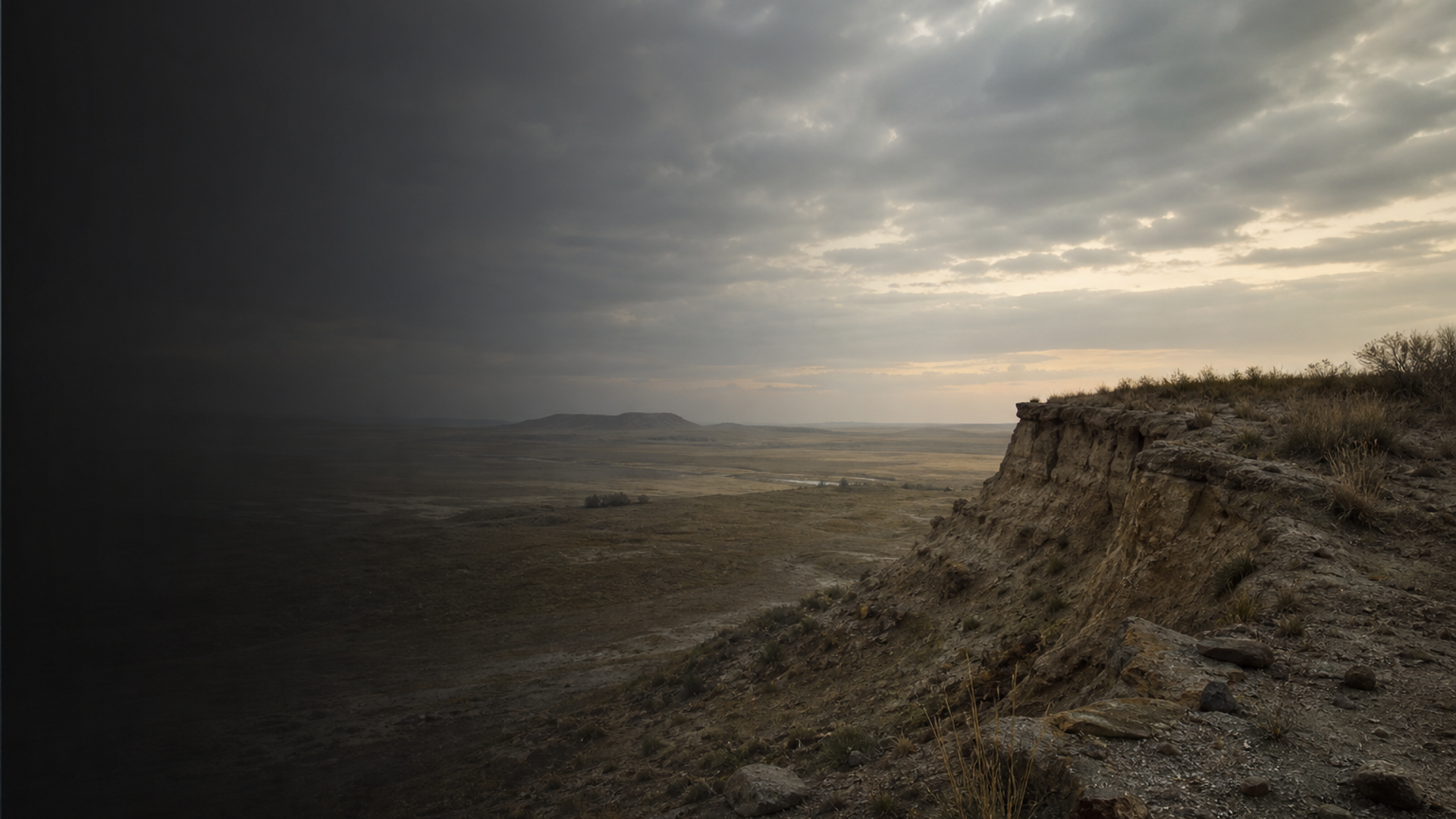
Along the ragged edge of a lagoon that catches the sky, the Laguna Toro site preserves a slender thread of human presence in the Late Holocene. Radiocarbon-calibrated contexts place activity between roughly 740 and 200 BCE, situating the site within regional transformations across the Pampas and coastal lowlands of southern Buenos Aires province. Archaeological data indicates ephemeral camps and resource-focused occupations around wetlands and shallow lagoons; these landscapes offered seasonal abundance of fish, birds and marsh plants.

The single human sample recovered from Laguna Toro provides a snapshot rather than a narrative: limited evidence suggests a mobile lifeway adapted to lagoon margins, not a sedentary, large-scale settlement. Nearby sites around the South American Atlantic seaboard show comparable strategies of wetland exploitation during this interval, implying shared ecological adaptations rather than clear-cut cultural uniformity. The archaeological record at Laguna Toro therefore reads as an intimate portrait—one ledger of human presence framed by reeds, tides, and migratory flights—rather than a comprehensive account of population history.

Key uncertainties: stratigraphic resolution and low sample count limit our ability to link material culture with biological ancestry. Additional excavations and dated organic contexts are needed to refine chronology and lifeways.

  • Located at Laguna Toro, southwest of Buenos Aires; dated 740–200 BCE
  • Evidence points to wetland-focused mobility and seasonal use
  • Single-sample context constrains broad cultural conclusions
Kapitel IV

Daily Life & Society

Imagining daily life at Laguna Toro is an exercise in sensory fragments: the slap of oars or paddles, the cry of waterfowl, the scrape of stone tools and the smell of smoked fish. Archaeological data from comparable lagoon and coastal sites in the Pampas suggest communities practiced broad-spectrum foraging—fish and shellfish, waterbirds, and edible wetland plants—supplemented by hunting of small mammals and occasional larger game. The landscape encouraged mobility: seasonal circuits linking lagoons, riverine corridors, and inland grasslands.

Material traces at Laguna Toro itself are sparse: lithic debris and isolated ecofacts are consistent with short-term camps rather than extensive built environments. The small size of the assemblage means social structure, ritual practice, and household composition remain largely invisible. Yet the human presence recorded in the single genetic sample anchors these material traces to a living person whose life was entwined with the lagoon’s rhythms.

Caveats: absence of evidence for pottery, permanent houses, or agriculture at Laguna Toro should not be read as definitive; preservation and sampling biases affect what survives. Broader regional patterns from contemporaneous sites hint at diverse, flexible lifeways across the southern Atlantic coast.

  • Wetland resource exploitation likely central to subsistence
  • Evidence consistent with mobile, short-term occupation
Kapitel V

Genetic Profile

The genetic data from Laguna Toro is both illuminating and necessarily cautious: a single sequenced individual carries mitochondrial haplogroup A, one of the founding Native American maternal lineages widely documented across the Americas. This mitochondrial signal aligns the Laguna Toro individual with a deep maternal ancestry that spread through the continent during the late Pleistocene and Holocene.

Because only one sample is available and no Y-chromosome assignments are recorded, population-level inferences are highly provisional. Limited evidence suggests maternal continuity with broader South American lineages, but we cannot determine local population structure, migration events, or genetic continuity with present-day communities from a single mtDNA result. Genome-wide data—if recovered in future sampling—would be required to test affinities to neighboring Pampas groups, southern cone ancient genomes, or coastal populations.

Genetic context: mtDNA A appears in many ancient and modern Native American populations; its presence at Laguna Toro reinforces continental-scale maternal connections while leaving open questions about local demographic dynamics. Given the sample count is one (<10), all interpretations must be framed as preliminary and hypothesis-generating rather than conclusive.

  • mtDNA haplogroup A identified in the single sampled individual
  • Sample size (n=1) makes population-level conclusions preliminary
Kapitel VI

Legacy & Modern Connections

The Laguna Toro individual offers a poignant bridge between past and present: a maternal lineage detected in this Late Holocene individual resonates with mitochondrial lineages persisting among indigenous and admixed populations in Argentina and beyond. Archaeological data combined with genetics suggest threads of continuity in maternal ancestry across millennia, even as lifeways and landscapes transformed.

At the same time, the story is incomplete. With just one genetic sample, claims of direct descent, regional continuity, or cultural inheritance must remain guarded. The real legacy of Laguna Toro is methodological: it demonstrates how targeted ancient DNA sampling from lagoon and coastal contexts can illuminate understudied chapters of southern South American prehistory and guide future fieldwork aimed at building a robust, multi-individual picture of population history.

  • mtDNA A connects the individual to broader Native American maternal lineages
  • More samples needed to assess continuity with modern populations
KI-gestützt

KI-Assistent

Stellen Sie Fragen zur Laguna Toro: 2400 BP Echoes-Kultur

KI-Assistent von DNAGENICS

Funktion freischalten
Stellen Sie Fragen zur Kultur Laguna Toro: 2400 BP Echoes. Unser KI-Assistent kann genetische Befunde, historischen Kontext, archäologische Belege und moderne Verbindungen erläutern.
Beispiel einer KI-Analyse

Die Laguna Toro: 2400 BP Echoes-Kultur ist ein faszinierendes Kapitel der Menschheitsgeschichte...

Genetische Analysen zeigen Übereinstimmungen mit früheren Populationen und Hinweise auf besondere Anpassungen und kulturelle Innovationen. Alte DNA-Proben liefern Einblicke in Migrationsmuster, soziale Strukturen und genetische Verbindungen zwischen Populationen.

Dies ist eine Vorschau der KI-Analyse. Schalten Sie den vollständigen KI-Assistenten frei, um detaillierte Einblicke zu erkunden:

  • Genetische Zusammensetzung und genetische Ähnlichkeit
  • Migrationsmuster und Ursprünge
  • Alltag und kulturelle Praktiken
  • Genetischer Bezug zu heutigen Populationen

Weitere antike Kulturen erkunden

Geschichten von Zivilisationen aus der antiken Welt entdecken

Use code for 30% off • Expires Nov 08




