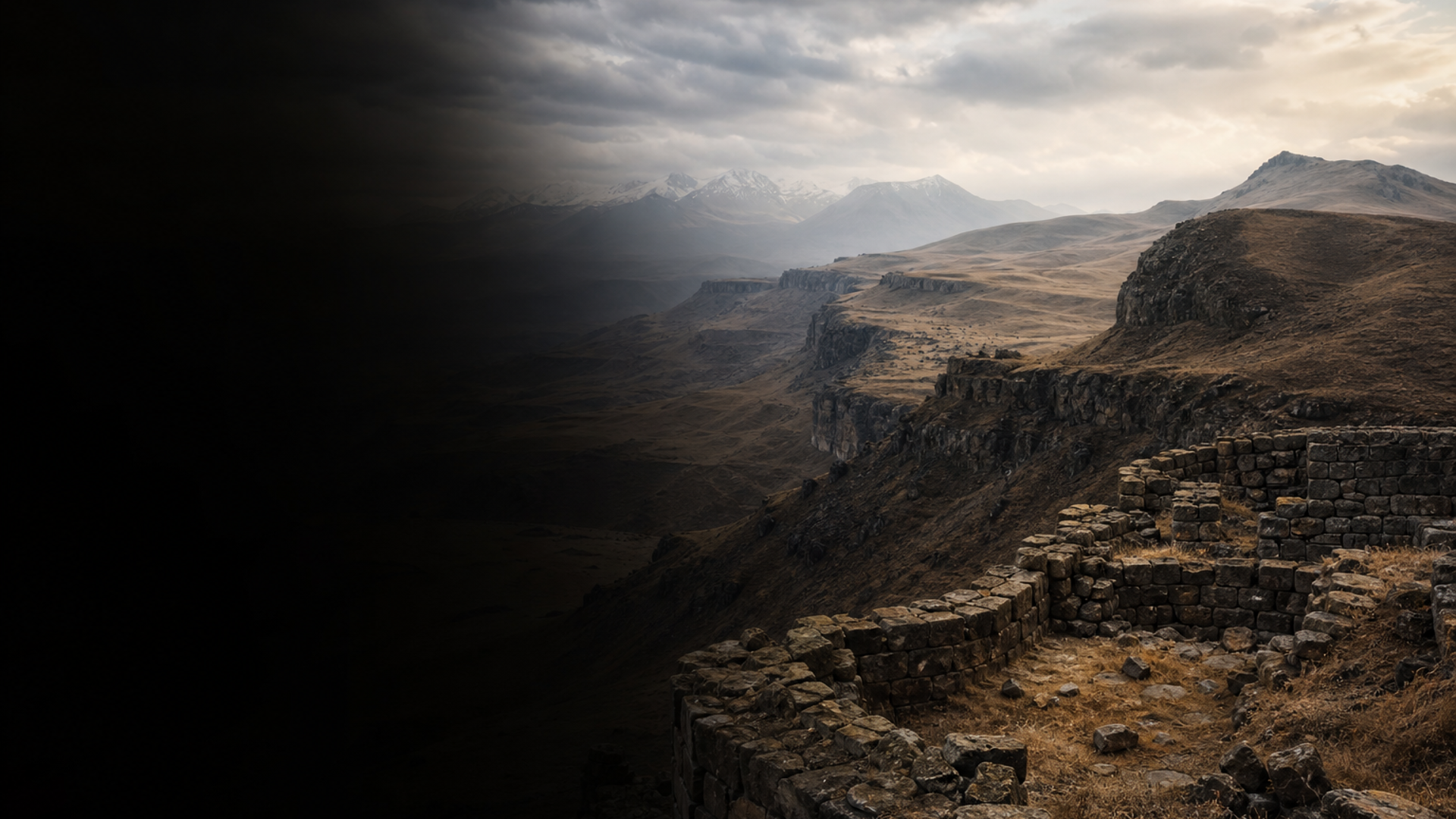
Life in Late Bronze Age Armenian communities unfolded in mountain valleys, riverine terraces, and fortified hilltops. Archaeological deposits from cemeteries and nearby settlements preserve pottery, tools, metalwork fragments, and evidence for livestock management that suggest mixed farming, sheep and cattle herding, and specialized craft production. Fortified sites and burial mounds imply concerns with protection, status, and control of pastures and routes.
Grave assemblages vary from modest offerings to richer burials, indicating social differentiation and possibly household-based status. Funerary rites recorded at sites such as Tekhut and Karashamb frequently include ceramic vessels, bronze items, and occasionally imported objects—a cinematic tableau of flames, smoke, and ritual gestures that bound families to the landscape. Osteological data, where preserved, point to a physically demanding life: repetitive strains, healed injuries, and dietary signals consistent with cereals, legumes, and pastoral products.
Archaeology suggests networks of exchange linking Armenian highlands to the broader Late Bronze Age world—trade in metal, the movement of craft styles, and the circulation of ideas. Genetic evidence (see below) helps test whether these networks also carried people and biological lineages, and whether kin groups were buried together at cemetery locales.