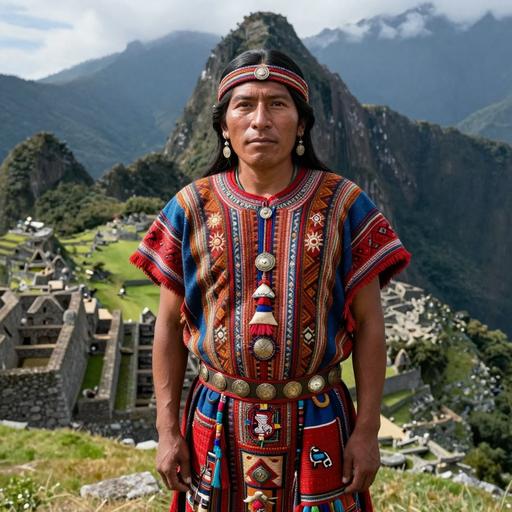
Machu Picchu: Andean Voices

Download PDF creates a visual, rasterized copy. Use Print for selectable text and better assistive-technology support.

Bericht wird vorbereitet

Verfügbare Informationen und Referenzen werden geladen

Verbindung mit dem archäologischen Quellenbestand...

Alte Quellen werden zusammengestellt

Zum Hauptinhalt springen
Machu Picchu: Andean Voices
Zivilisations-Spotlight

Machu Picchu: Andean Voices

Genetic echoes from Machu Picchu tie stone terraces to maternal lineages before Spanish contact.

1420 CE - 1532 CE
Peru (Machu Picchu, Cusco region)
21 antike Proben
Scrollen zum Start
Kapitel I

Die Geschichte

Die Machu Picchu: Andean Voices-Kultur verstehen

Archaeogenetic and archaeological evidence from Machu Picchu (1420–1532 CE) reveals maternal lineages typical of Andean populations. Excavations and DNA point to a mobile, hierarchical society within the late Inca world; some conclusions remain tentative due to sample limits and preservation.

Time Period

1420–1532 CE

Region

Peru (Machu Picchu, Cusco region)

Common Y-DNA

Not reported / limited preservation

Common mtDNA

B2, A, B2b, C, C1b

Kapitel II

Zeitleiste

Zentrale Momente in der Geschichte dieser Kultur

1420 CE

Earliest sampled individuals

Earliest radiocarbon dates among the sampled individuals (~1420 CE), marking pre-contact late-Inca activity in the area.

1450 CE

Major construction phase

Archaeological evidence indicates an intensive building phase at Machu Picchu around 1450–1460 CE under Inca state expansion.

1532 CE

Onset of Spanish contact

Dates approach the period of initial Spanish incursions into the Andes; later social disruptions may affect population structure.

Kapitel III

Origins & Emergence

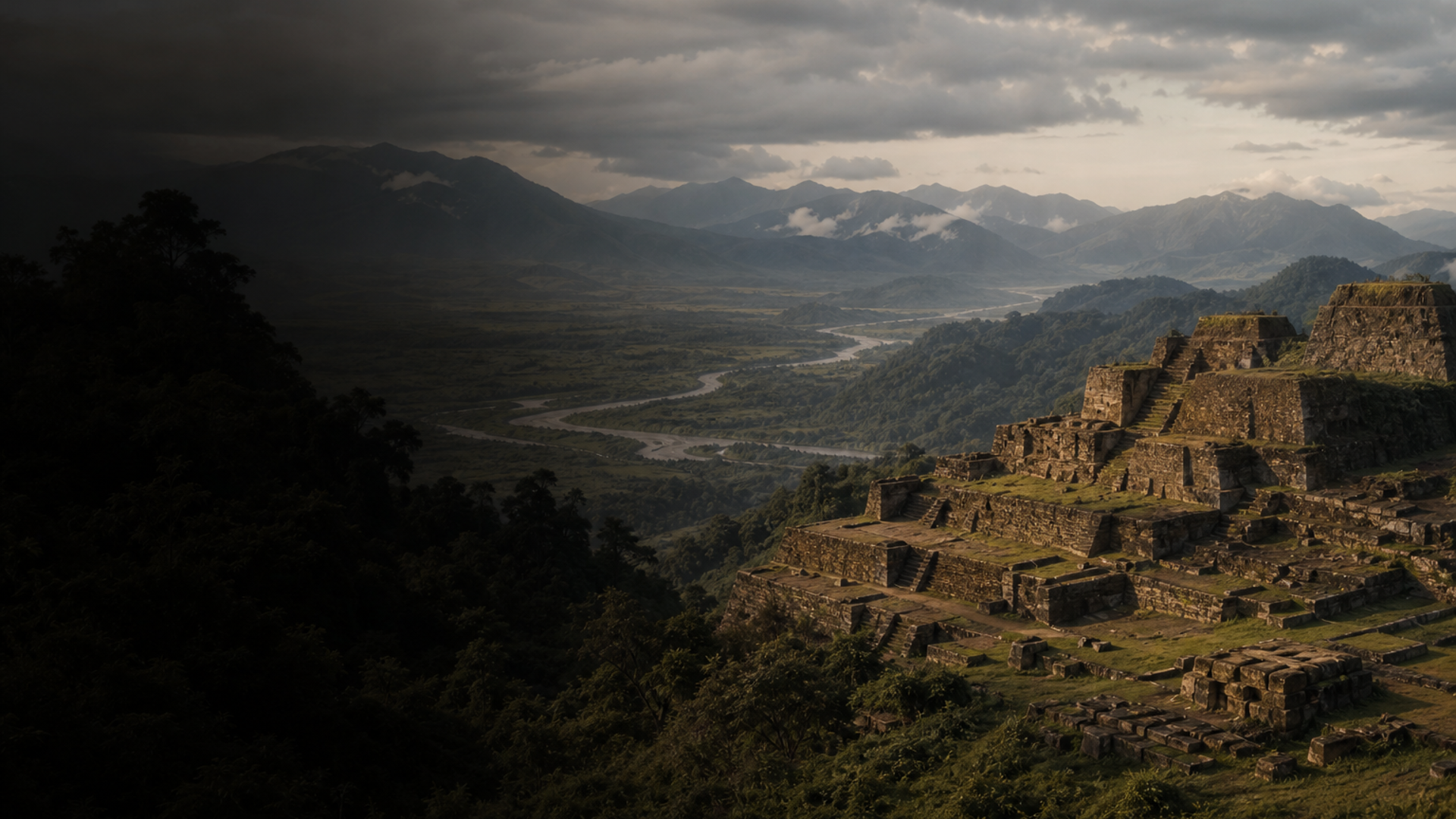
Machu Picchu sits on a spine of granite above the Urubamba Valley. Archaeological data indicates large-scale construction in the mid-15th century—commonly dated around 1450–1460 CE—under the expansion of the Inca state centered at Cusco. The site’s terraces, finely cut ashlar masonry, and planned plazas read like a stone script of imperial ideology: administration, ritual, and elite residence arranged to control water, produce, and movement.

Material culture from excavations—ceramics, metallurgical debris, and agricultural installations—links the site to broader Andean exchange networks. Radiocarbon and stratigraphic evidence suggest an intense period of occupation lasting until the early 16th century, overlapping with the initial years of Spanish intrusion across the Andes. Limited osteological assemblages and mausoleum features imply selective interment practices for some residents, perhaps reflecting social differentiation.

Cinematic in its silhouette, Machu Picchu is both a lived landscape and a stage of imperial power. Archaeological evidence indicates it was not an isolated village but part of a constellation of state-managed sites. However, many questions remain open: the precise founding agents, the balance between local and relocated populations (mitmaqkuna), and the daily rhythms of those who worked the terraces. Genetic data can illuminate these threads, but must be read alongside material culture and caution; preservation and sampling biases shape what ancient DNA can—and cannot—reveal.

  • Construction date commonly placed around 1450–1460 CE
  • Located above the Urubamba Valley, Cusco region, Peru
  • Site function combines administration, ritual, and elite residence
Kapitel IV

Daily Life & Society

Archaeological evidence paints a textured picture of daily life among Machu Picchu’s inhabitants. Terraced agriculture and irrigation channels show careful landscape engineering to produce maize, tubers, and other staples on steep slopes. Storage structures (qullqas) and finely made ceramics indicate organized surplus management, likely to supply an elite household and visiting contingents.

Artifacts and architectural layouts reveal specialized activities: workshops for textiles and metallurgy, plazas for public ritual performance, and house compounds that suggest kin-based households or quarters for retainers. Bioarchaeological remains (dental wear, isotopes where available) hint at varied diets reflecting altitude agriculture and trade goods from lower valleys.

Social organization appears hierarchical but integrated into state networks. Historical analogy with Inca administrative practices suggests a mix of local communities and state resettlement (mitmaq) strategies. Limited burials and funerary architecture at Machu Picchu indicate differential mortuary treatment; however, preservation and excavation scope mean interpretations remain provisional. Ethnographic and ethnohistoric records add depth, but must be used carefully to avoid projecting later colonial conditions onto pre-contact lifeways.
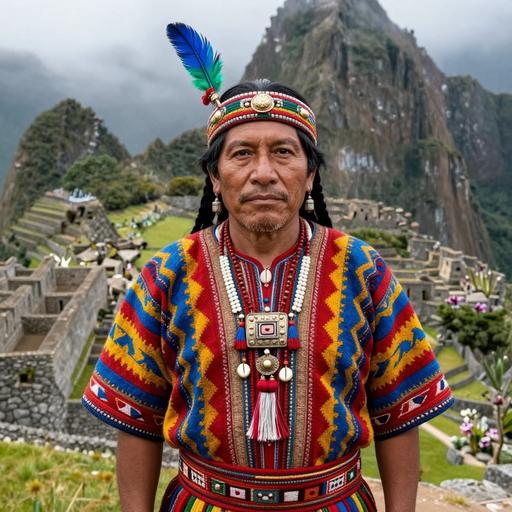
  • Terraced agriculture and engineered irrigation sustained food production
  • Evidence for specialized workshops, storage, and hierarchical residency
Kapitel V

Genetic Profile

Twenty-one ancient samples dated between 1420 and 1532 CE were analyzed from Machu Picchu contexts. Mitochondrial DNA (mtDNA) haplogroups identified include B2 (4), A (4), B2b (3), C (2), and C1b (2). These mtDNA lineages are part of the suite of founding Native American maternal haplogroups and are commonly observed in Andean and broader South American populations. Archaeogenetic patterns are consistent with a predominantly indigenous maternal ancestry among those buried or sampled at the site.

It is important to note that mtDNA reflects only maternal inheritance and therefore captures only one dimension of ancestry. The absence of reported common Y-DNA haplogroups in the available dataset may reflect preservation problems, differential sampling, or analyses not yet yielding robust paternal calls. Furthermore, the mtDNA counts provided come from the subset of samples with recoverable mitochondrial genomes; some individuals lacked usable DNA.

Genetic diversity at Machu Picchu suggests both local continuity and connections to wider Andean gene pools—consistent with archaeological evidence for movement of people and goods. While 21 samples provide valuable windows into population makeup, they remain a limited dataset for resolving fine-scale patterns such as kinship networks, sex-biased migration, or low-level admixture. Ongoing sequencing, isotope studies, and larger comparative datasets are needed to refine models of mobility, social organization, and the relationship between statecraft and household composition in the late Inca period.

  • mtDNA haplogroups align with Native American founding lineages (B2, A, C variants)
  • Y-DNA not consistently reported—could reflect preservation limits or missing data
Kapitel VI

Legacy & Modern Connections

Machu Picchu stands as a living symbol of Andean heritage. Genetic signatures observed—maternal lineages common across the highlands—echo in present-day indigenous communities of the Cusco region and beyond. These continuities support archaeological interpretations of long-term demographic stability in some valleys alongside episodes of relocation and state-driven labor movement.

However, translating ancient DNA into direct ancestry claims for contemporary individuals requires care: mtDNA reflects only maternal lines, and 21 ancient individuals cannot represent the full population diversity. Limited sample sizes and preservation bias mean conclusions should be framed as contributions to a larger, cumulative picture rather than definitive genealogies. When combined responsibly with archaeology, ethnohistory, and modern genomics, these data enrich our understanding of how imperial projects were lived and how their legacies continue to shape Andean identities today.

  • Maternal lineages show continuity with modern Andean populations
  • Conclusions are provisional; ancient sample size and mtDNA focus limit scope
Kapitel VII

Probenkatalog

21 alte DNA-Proben, die mit der Machu Picchu: Andean Voices-Kultur in Verbindung stehen und genetische Einordnungen zu den Menschen dieses Zeitraums liefern.

21 / 21 Proben
Porträt Probe Land Epoche Datum Kultur Geschlecht Y-DNA mtDNA
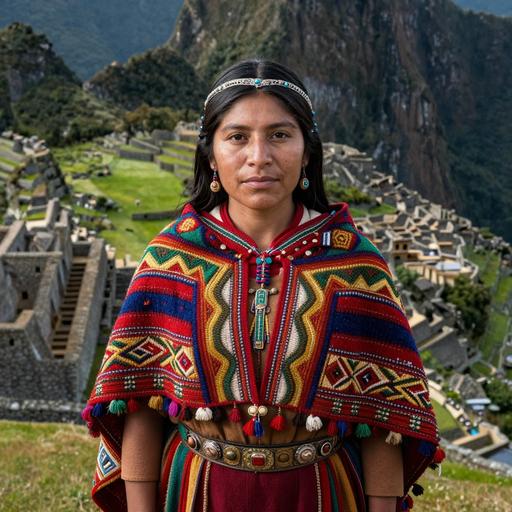
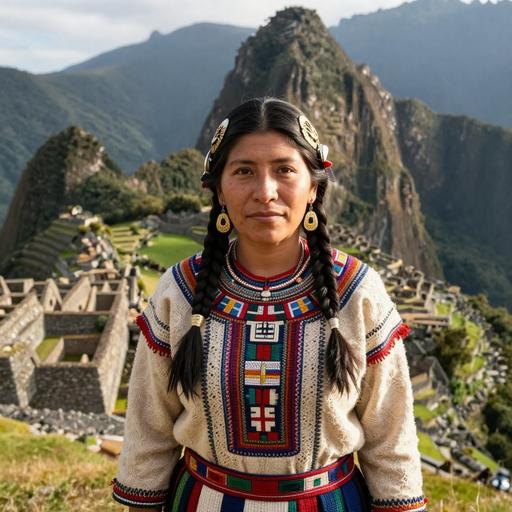
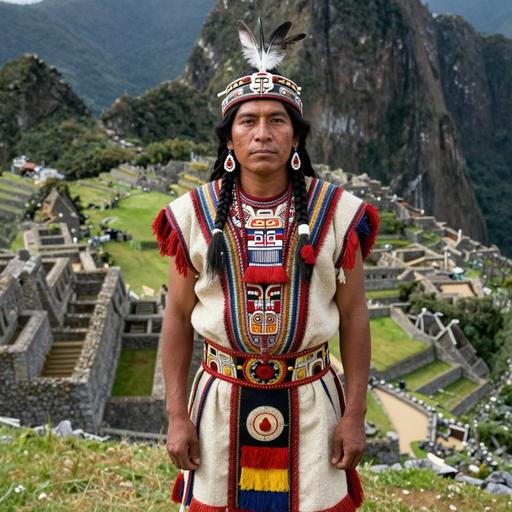
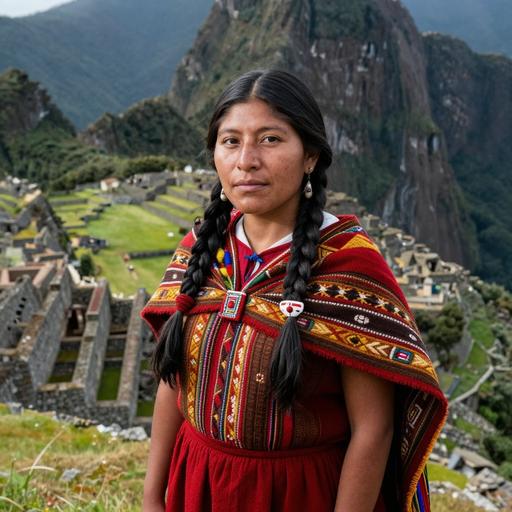
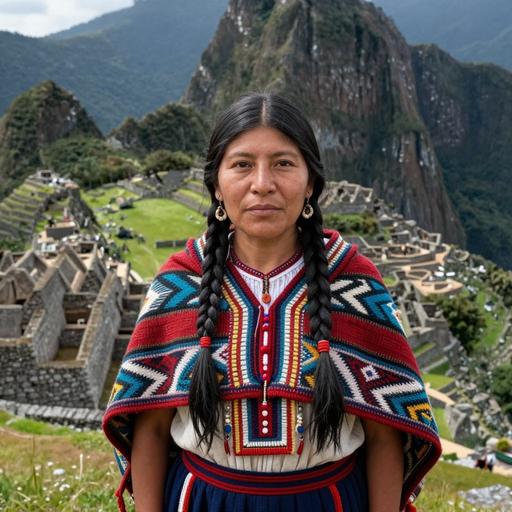
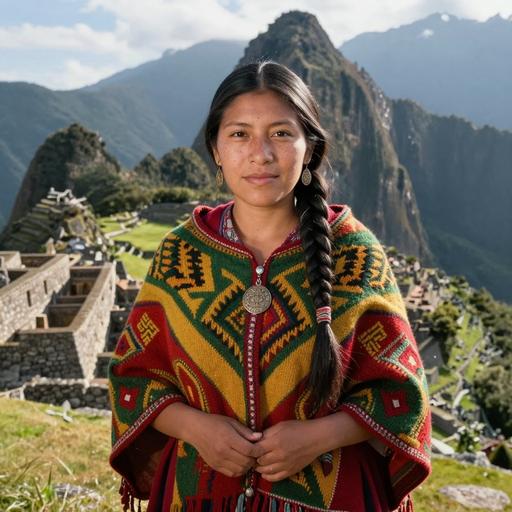
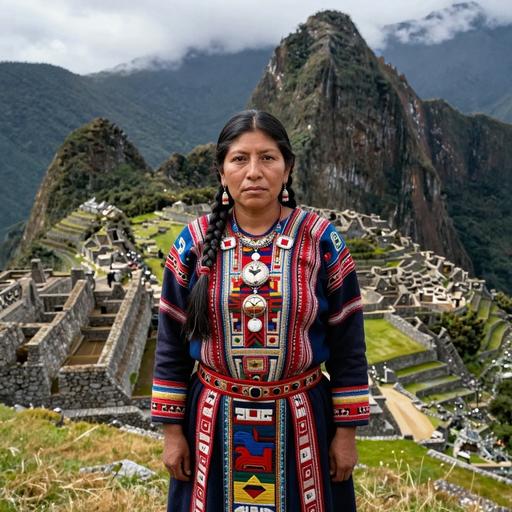
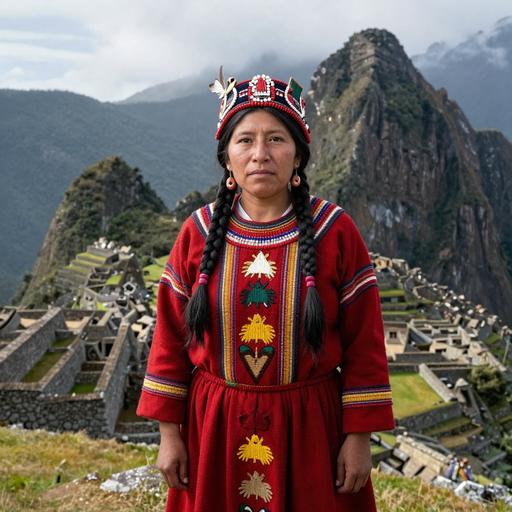
Künstlerische Rekonstruktion von Inca Civilization individual, Peru
Inca Civilization individual, Peru
Peru America_Precolumbian 1420 CE Inca Civilization M - B2
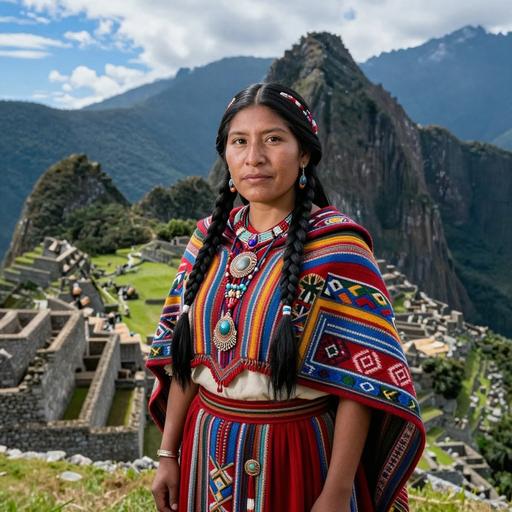
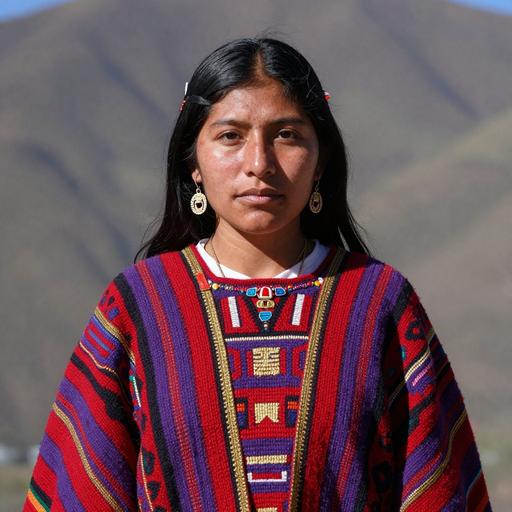
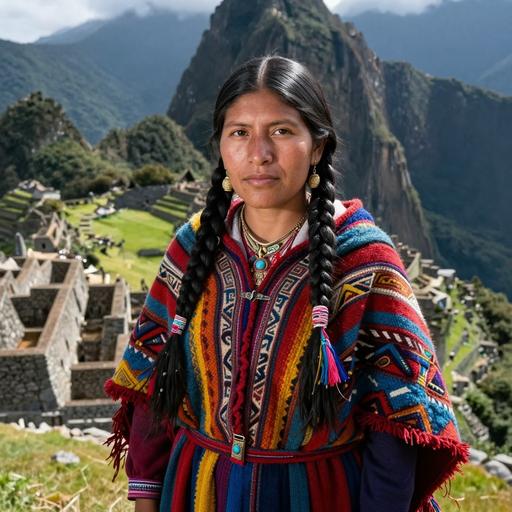
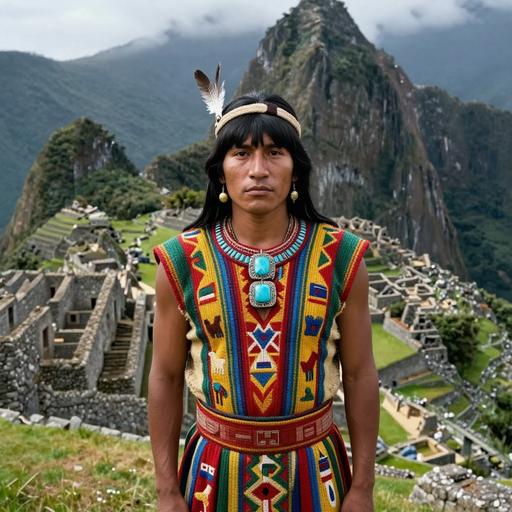
Künstlerische Rekonstruktion von Inca Civilization individual, Peru
Inca Civilization individual, Peru
Peru America_Precolumbian 1420 CE Inca Civilization F - D1f
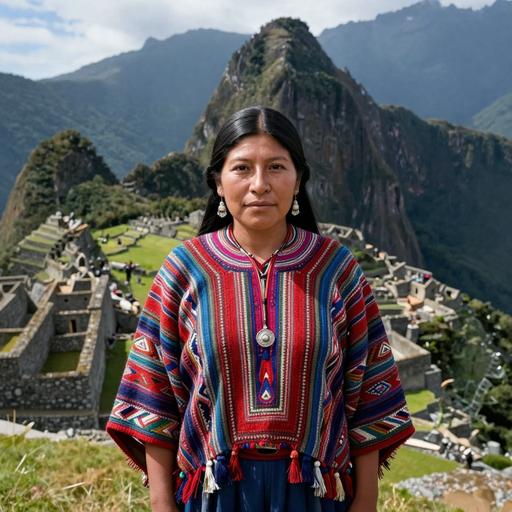
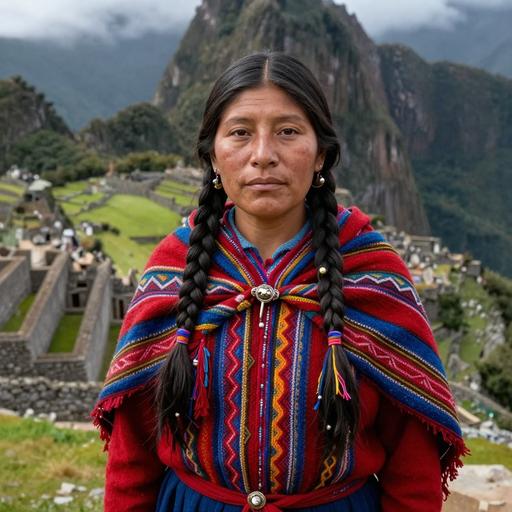
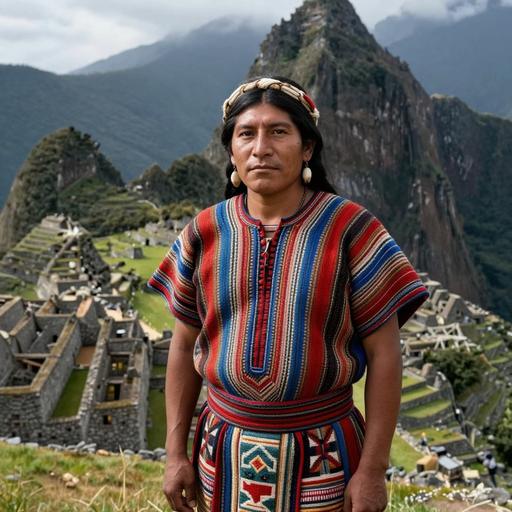
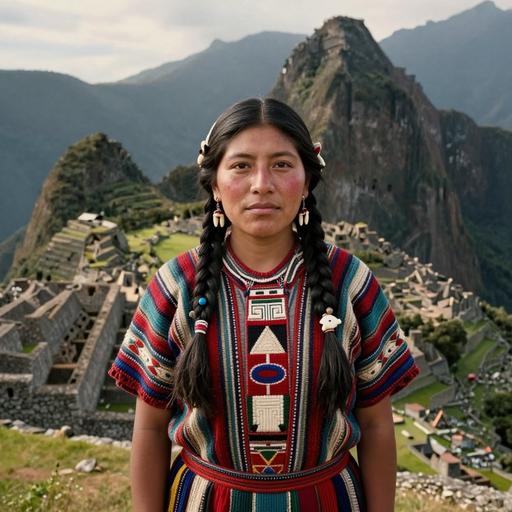
Künstlerische Rekonstruktion von Inca Civilization individual, Peru
Inca Civilization individual, Peru
Peru America_Precolumbian 1420 CE Inca Civilization F - C1b2
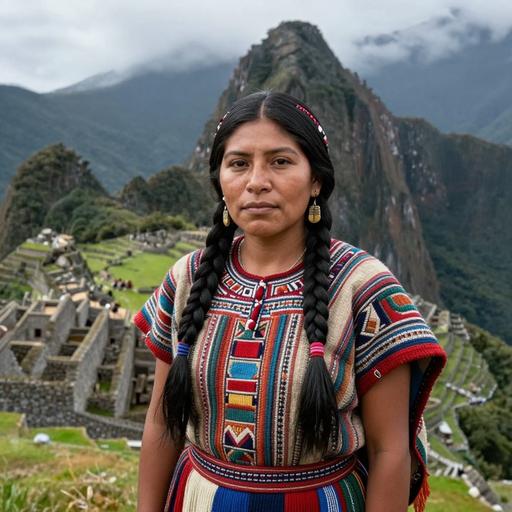
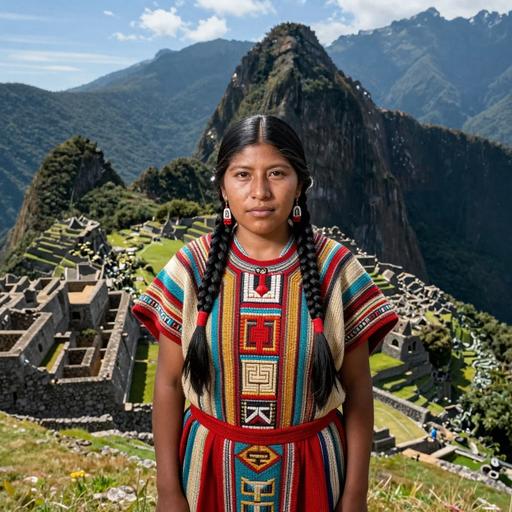
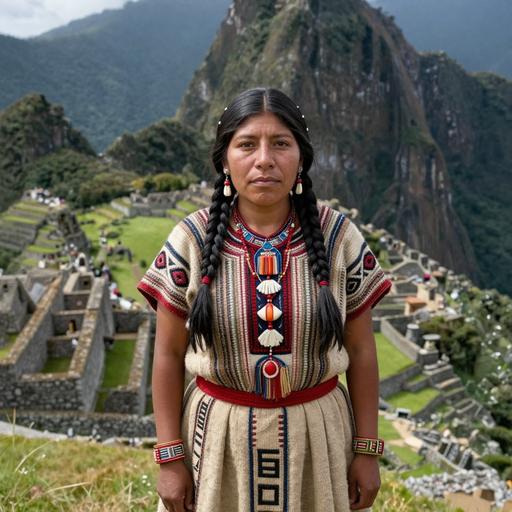
Künstlerische Rekonstruktion von Inca Civilization individual, Peru
Inca Civilization individual, Peru
Peru America_Precolumbian 1420 CE Inca Civilization F - B2o
Künstlerische Rekonstruktion von Inca Civilization individual, Peru
Inca Civilization individual, Peru
Peru America_Precolumbian 1420 CE Inca Civilization F - C
Künstlerische Rekonstruktion von Inca Civilization individual, Peru
Inca Civilization individual, Peru
Peru America_Precolumbian 1420 CE Inca Civilization F - C1b
Künstlerische Rekonstruktion von Inca Civilization individual, Peru
Inca Civilization individual, Peru
Peru America_Precolumbian 1420 CE Inca Civilization F - B2
Künstlerische Rekonstruktion von Inca Civilization individual, Peru
Inca Civilization individual, Peru
Peru America_Precolumbian 1420 CE Inca Civilization F - B2y
Künstlerische Rekonstruktion von Inca Civilization individual, Peru
Inca Civilization individual, Peru
Peru America_Precolumbian 1420 CE Inca Civilization M - A2+(64)
Künstlerische Rekonstruktion von Inca Civilization individual, Peru
Inca Civilization individual, Peru
Peru America_Precolumbian 1420 CE Inca Civilization F - D1
KI-gestützt

KI-Assistent

Stellen Sie Fragen zur Machu Picchu: Andean Voices-Kultur

KI-Assistent von DNAGENICS

Funktion freischalten
Stellen Sie Fragen zur Kultur Machu Picchu: Andean Voices. Unser KI-Assistent kann genetische Befunde, historischen Kontext, archäologische Belege und moderne Verbindungen erläutern.
Beispiel einer KI-Analyse

Die Machu Picchu: Andean Voices-Kultur ist ein faszinierendes Kapitel der Menschheitsgeschichte...

Genetische Analysen zeigen Übereinstimmungen mit früheren Populationen und Hinweise auf besondere Anpassungen und kulturelle Innovationen. Alte DNA-Proben liefern Einblicke in Migrationsmuster, soziale Strukturen und genetische Verbindungen zwischen Populationen.

Dies ist eine Vorschau der KI-Analyse. Schalten Sie den vollständigen KI-Assistenten frei, um detaillierte Einblicke zu erkunden:

  • Genetische Zusammensetzung und genetische Ähnlichkeit
  • Migrationsmuster und Ursprünge
  • Alltag und kulturelle Praktiken
  • Genetischer Bezug zu heutigen Populationen

Weitere antike Kulturen erkunden

Geschichten von Zivilisationen aus der antiken Welt entdecken

Use code for 30% off • Expires Nov 08