
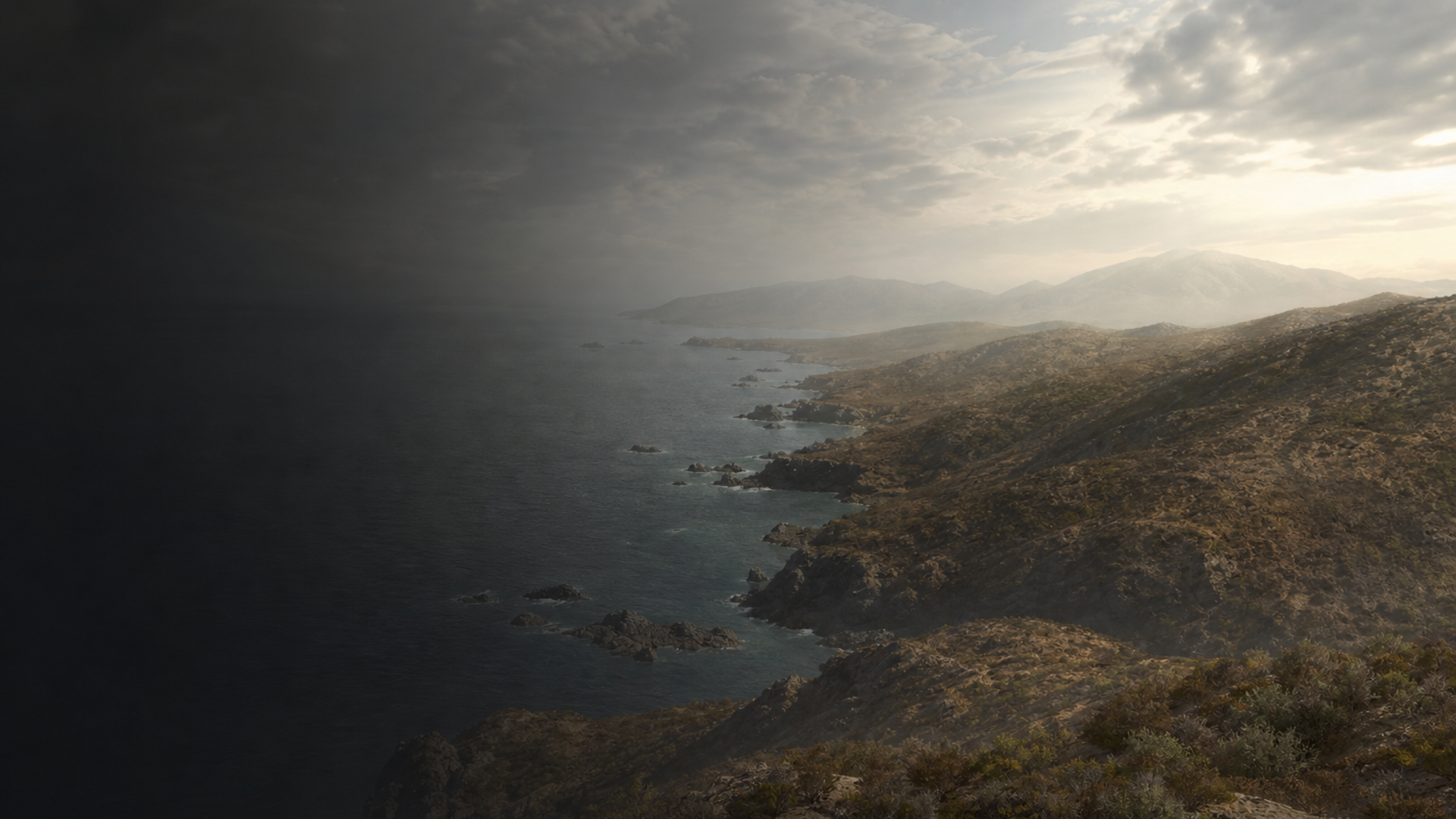
Mescalitan Island, ca. 1000 BP

Download PDF creates a visual, rasterized copy. Use Print for selectable text and better assistive-technology support.

Bericht wird vorbereitet

Verfügbare Informationen und Referenzen werden geladen

Verbindung mit dem archäologischen Quellenbestand...

Alte Quellen werden zusammengestellt

Zum Hauptinhalt springen
Mescalitan Island, ca. 1000 BP
Zivilisations-Spotlight

Mescalitan Island, ca. 1000 BP

A coastal Chumash-era community at Goleta seen through archaeology and DNA

800 CE - 12001200 CE
California, USA — Mescalitan Island (CA-SBA-46A)
Scrollen zum Start
Kapitel I

Die Geschichte

Die Mescalitan Island, ca. 1000 BP-Kultur verstehen

Archaeological and ancient-DNA data from CA-SBA-46A (Mescalitan Island, Goleta, CA) dated 800–1200 CE reveal limited but telling genetic links: Y haplogroup Q and mtDNA A2, consistent with Indigenous West Coast lineages and Chumash-era ancestry. Conclusions remain preliminary.

Time Period

800–1200 CE (ca. 1200–800 BP)

Region

California, USA — Mescalitan Island (CA-SBA-46A)

Common Y-DNA

Q (2 of 3 samples)

Common mtDNA

A2 (3 of 3 samples)

Kapitel II

Zeitleiste

Zentrale Momente in der Geschichte dieser Kultur

800 CE

Local village occupation begins (archaeological window)

Evidence places sustained occupation at Mescalitan Island around 800 CE, during the Chumash cultural horizon (50 words max).

1000 CE

Genetic snapshot

Ancient DNA from CA-SBA-46A individuals dates within this interval, revealing mtDNA A2 and Y-DNA Q lineages (preliminary).

1200 CE

Site transformation or continuity

Archaeological deposits suggest changes in site use after 1200 CE, marking shifts in settlement patterns or resource strategies (preliminary).

Kapitel III

Origins & Emergence

Archaeological data indicates that the Mescalitan Island locality (CA-SBA-46A) hosted coastal villages within the broader Chumash cultural landscape between roughly 800 and 1200 CE. The site sits on the wind-sculpted shores of what is now Goleta, a place of ending daylight and abundant tide lines — a setting that encouraged intimate knowledge of sea, estuary, and shore.

Material traces recovered in the region — shell midden deposits, hearth features, and village debris visible in multiple investigations of Goleta-area sites — point to long-term occupation and intensive exploitation of marine resources. Within this seaside tableau, social identities were shaped by craft, trade, and seasonal rounds that connected islands, mainland coves, and inland oak groves.

Genetic data from three ancient individuals overlaps this archaeological window and suggests continuity with Indigenous coastal populations. Limited evidence cautions us: three samples cannot capture the full demographic complexity of the Chumash world, but they do provide a genomic glimmer of the people who navigated these shores.

  • Site: CA-SBA-46A (Mescalitan Island), Goleta, California
  • Date range: 800–1200 CE (ca. 1200–800 BP)
  • Archaeological indicators of sustained coastal village life
Kapitel IV

Daily Life & Society

Daily life at a Chumash-era coastal village would have been sculpted by tides, kelp beds, and migrating fish — a rhythm of sunrise launches, tidepool gleaning, and communal processing of shellfish. Archaeological data indicates dense midden layers near habitation zones, suggesting regular shellfish consumption and on-site discard of debris. Seasonality likely structured labor: shellfishing and fish harvests in one season, acorn processing and inland gathering in others.

Craft production and exchange were also central. The broader Chumash world is known ethnographically for sophisticated maritime technology and craft specialization; archaeological signatures in the Santa Barbara area include evidence for woodworking, basketry impressions, and ornament production. Social life combined kin-based households with wider ritual and exchange networks: plazas, decorated objects, and intersite trade forged ties along the southern California coast.

At Mescalitan Island, these lifeways would have been enacted within sheltered estuaries and on exposed shorelines — a community attuned to the sea’s generosity and hazards.

  • Economy centered on marine resources and seasonal terrestrial gathering
  • Craft, exchange, and community rituals tied to coastal lifeways
Kapitel V

Genetic Profile

Three ancient individuals from CA-SBA-46A produced reproducible DNA results: all three carried mitochondrial haplogroup A2, while two of the three males carried Y-chromosome haplogroup Q. Both markers are widely recognized components of Indigenous American genetic diversity. mtDNA A2 is commonly found across western North America and on the Pacific coast, signifying maternal-line continuity in the region. Y haplogroup Q is a predominant Native American paternal lineage and its presence here aligns with broader continental patterns.

Important caveats: the sample count is very small (n=3). Limited evidence suggests local genetic continuity consistent with Chumash affiliation, but these results are preliminary. Small sample sizes can miss population heterogeneity, kin-structured burial practices, and recent admixture episodes. Genetic signals must therefore be interpreted alongside archaeological assemblages, cultural chronology, and respectful consultation with descendant communities.

Nevertheless, the concordance of archaeological context (Chumash-era coastal settlement) with Indigenous-associated haplogroups strengthens a cautious inference: Mescalitan Island individuals were part of the deep-rooted coastal genetic landscape of Southern California.

  • All three samples: mtDNA A2 — common West Coast maternal lineage
  • Two of three males: Y-DNA Q — widespread Native American paternal lineage; sample size is small
Kapitel VI

Legacy & Modern Connections

The genetic and archaeological echoes from Mescalitan Island connect past communities to present peoples of the Santa Barbara region. mtDNA A2 and Y-DNA Q link these ancient individuals to broader Indigenous American lineages, underscoring continuity across centuries of coastal life. Archaeological landscapes like CA-SBA-46A are not static museum pieces but parts of living heritage that inform contemporary identities, stewardship, and claims.

Because only three samples have yielded genetic data, any claims about population structure, migration, or replacement must remain tentative. Ongoing research that combines larger aDNA sample sets, high-resolution archaeology, and collaboration with Chumash descendant communities will refine these early portraits. For now, Mescalitan Island offers a cinematic yet scientifically cautious glimpse of Chumash-era lifeways and the genetic threads that help trace them into the present.

  • Genetic markers align with Indigenous West Coast ancestry and cultural continuity
  • Small sample size requires respectful, preliminary interpretations and community collaboration
KI-gestützt

KI-Assistent

Stellen Sie Fragen zur Mescalitan Island, ca. 1000 BP-Kultur

KI-Assistent von DNAGENICS

Funktion freischalten
Stellen Sie Fragen zur Kultur Mescalitan Island, ca. 1000 BP. Unser KI-Assistent kann genetische Befunde, historischen Kontext, archäologische Belege und moderne Verbindungen erläutern.
Beispiel einer KI-Analyse

Die Mescalitan Island, ca. 1000 BP-Kultur ist ein faszinierendes Kapitel der Menschheitsgeschichte...

Genetische Analysen zeigen Übereinstimmungen mit früheren Populationen und Hinweise auf besondere Anpassungen und kulturelle Innovationen. Alte DNA-Proben liefern Einblicke in Migrationsmuster, soziale Strukturen und genetische Verbindungen zwischen Populationen.

Dies ist eine Vorschau der KI-Analyse. Schalten Sie den vollständigen KI-Assistenten frei, um detaillierte Einblicke zu erkunden:

  • Genetische Zusammensetzung und genetische Ähnlichkeit
  • Migrationsmuster und Ursprünge
  • Alltag und kulturelle Praktiken
  • Genetischer Bezug zu heutigen Populationen

Weitere antike Kulturen erkunden

Geschichten von Zivilisationen aus der antiken Welt entdecken

Use code for 30% off • Expires Nov 08




