Saki Tzul: Belize, 7,400 Years Ago

Download PDF creates a visual, rasterized copy. Use Print for selectable text and better assistive-technology support.

Bericht wird vorbereitet

Verfügbare Informationen und Referenzen werden geladen

Verbindung mit dem archäologischen Quellenbestand...

Alte Quellen werden zusammengestellt

Zum Hauptinhalt springen
Saki Tzul: Belize, 7,400 Years Ago
Zivilisations-Spotlight

Saki Tzul: Belize, 7,400 Years Ago

Two early Holocene individuals link ancient Belize archaeology with Indigenous genetic lineages

5513 CE - 53607400 BCE
Saki Tzul, Belize (Central America)
Scrollen zum Start
Kapitel I

Die Geschichte

Die Saki Tzul: Belize, 7,400 Years Ago-Kultur verstehen

Archaeological and aDNA results from Saki Tzul (c. 5513–5360 BCE) recover two individuals carrying Y haplogroup Q and mtDNA D1. Limited samples hint at deep continuity with Indigenous American lineages; conclusions remain preliminary pending more data.

Time Period

5513–5360 BCE (≈7,400 BP)

Region

Saki Tzul, Belize (Central America)

Common Y-DNA

Q (observed in both samples)

Common mtDNA

D1 (observed in both samples)

Kapitel II

Zeitleiste

Zentrale Momente in der Geschichte dieser Kultur

5513 BCE

Saki Tzul burials dated

Radiocarbon and aDNA from Saki Tzul date two individuals to c. 5513–5360 BCE, providing early Holocene genetic evidence from Belize.

Kapitel III

Origins & Emergence

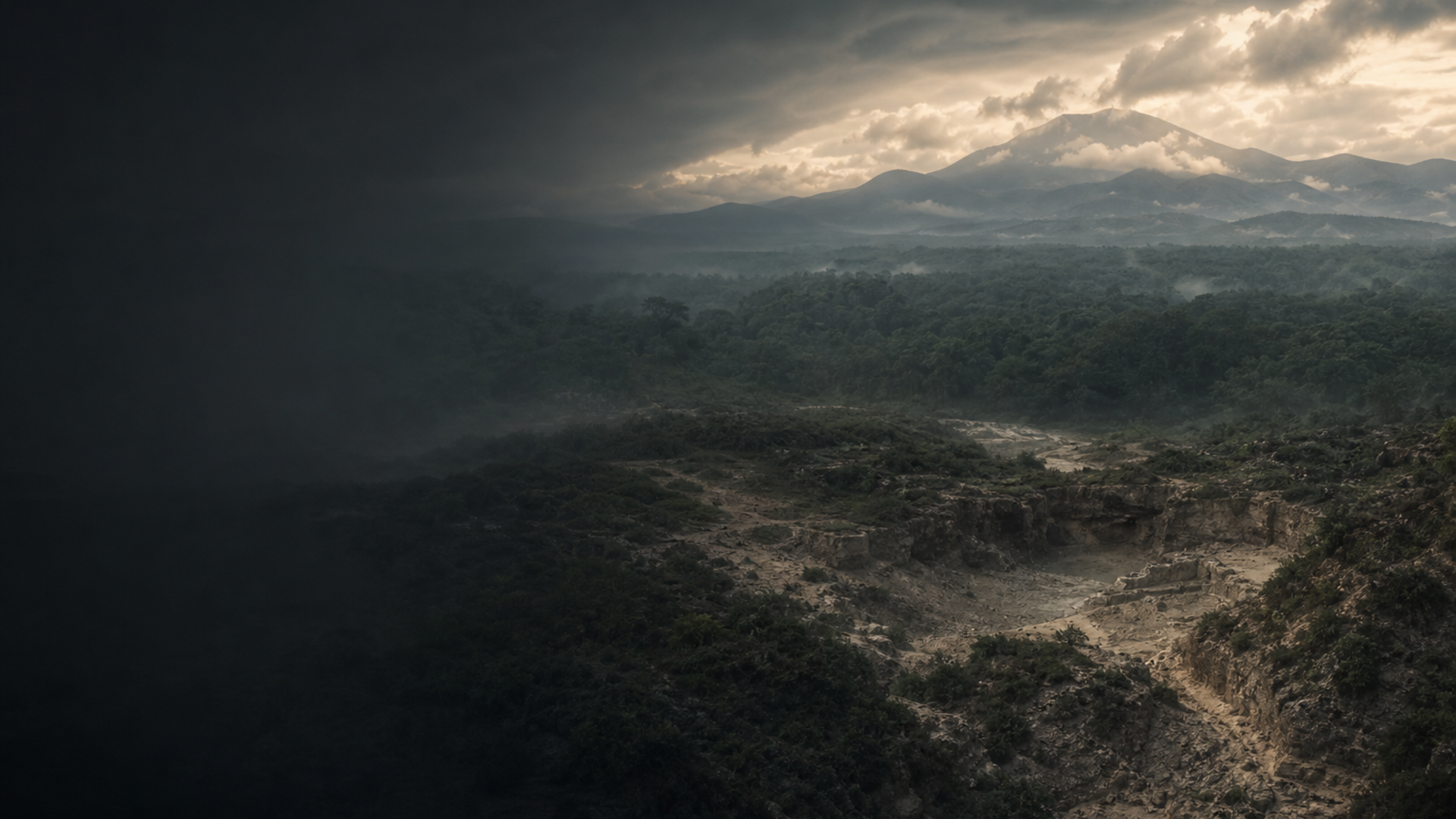
Beneath the canopy and limestone hills of western Belize, the Saki Tzul deposits record a human presence in the early Holocene. Radiocarbon-dated material associated with the site places two directly sampled individuals between c. 5513 and 5360 BCE — roughly 7,400 years before present. The archaeological context at Saki Tzul preserves stratified deposits and organic material suitable for radiocarbon and ancient DNA analyses; these lines of evidence anchor a small but vivid window into post-glacial landscapes of the Maya lowlands.

Archaeological data indicate repeated use of local riverine and karstic environments during this interval. Limited evidence suggests these occupations were by small, mobile groups exploiting a mosaic of forest and freshwater resources as ecosystems adjusted after the Pleistocene. The combination of secure dates and recoverable aDNA makes Saki Tzul a key locality for tracing early population structure in southern Mesoamerica.

Caution is essential: only two genotyped individuals are available. While their presence confirms human occupation and preserves genetic signals at this time and place, any broader narrative about population size, migration corridors, or social complexity must remain provisional until additional samples and sites are analyzed.

  • Occupation dated c. 5513–5360 BCE (≈7,400 BP)
  • Stratified, organic-rich deposits enabled radiocarbon dating and aDNA recovery
  • Small sample size limits broader demographic inferences
Kapitel IV

Daily Life & Society

Archaeological data from early Holocene Belize point to lifeways adapted to a tropical, dynamic environment. At Saki Tzul, the preservation of organic material alongside occupation layers suggests people were embedded in riverine and forest ecologies: fishing, collecting shell and plant resources, and using locally available stone for tool manufacture are likely components of daily life.

Patterns visible in the deposits—spatially discrete hearths, food debris, and worked stone in similar regional sites—suggest small, kin-based groups with high mobility across river corridors and seasonally productive patches. The climate of 7,400 years ago was stabilizing after late-glacial shifts, and communities would have negotiated changing distributions of game, fish, and edible plants. Archaeological evidence indicates a material culture tuned to flexibility rather than dense sedentism at this early stage in Belize.

Because direct evidence for social structures (e.g., house forms or long-lived settlements) is limited at Saki Tzul, reconstructions emphasize economy and landscape-use rather than detailed social hierarchies. Ethnographic analogy and regional comparisons provide hypotheses, but these remain tentative in the face of limited on-site data.

  • Likely small, mobile groups exploiting riverine and forest resources
  • Material culture adapted to flexibility; limited evidence for dense sedentism
Kapitel V

Genetic Profile

The ancient DNA results from Saki Tzul are clear in their immediate findings yet restrained by sample size. Both recovered individuals carry Y-chromosome haplogroup Q and mitochondrial haplogroup D1. Haplogroup Q is widely associated with Indigenous paternal lineages across the Americas, and mtDNA D1 is one of the founding maternal lineages commonly observed in ancient and modern Native American populations.

These concordant paternal and maternal markers at Saki Tzul are consistent with deep genetic continuity between early Holocene inhabitants of Belize and broader Indigenous American genetic roots. Archaeogenetic patterns suggest that components of the First Peoples’ ancestries were established well before 7,000 years ago in Mesoamerica, and Saki Tzul provides a localized snapshot of that broader picture.

However, only two samples were analyzed. With n=2, population-level claims (such as frequency estimates, internal structure, or migration timing specific to Belize) remain highly preliminary. Archaeological and genetic integration is powerful—radiocarbon-secured individuals with aDNA anchor models of demographic history—but more individuals from more sites are required to resolve population continuity, admixture events, or regional substructure with confidence.

  • Both individuals: Y haplogroup Q and mtDNA D1
  • Findings suggest deep continuity with Indigenous American lineages but are preliminary (n=2)
Kapitel VI

Legacy & Modern Connections

The genetic signatures at Saki Tzul echo across millennia: haplogroups observed in these early Holocene individuals are also present among later ancient samples and many modern Indigenous communities in the Americas. This continuity underlines a long-term biological connection to the continent’s first peoples and highlights Belize’s role in the deep history of Mesoamerica.
At the same time, scientific caution governs interpretation. Direct cultural or genealogical claims between two ancient individuals and any specific modern community cannot be asserted without broader, ethically conducted sampling and collaboration with descendant communities. Archaeology and aDNA together offer a cinematic but careful reconstruction of human presence: fragments of bone and strands of inherited DNA illuminate journeys of survival, adaptation, and enduring ties to place across the landscape of Belize.

  • Genetic markers align with widespread Indigenous American lineages
  • Direct links to modern groups require broader sampling and community collaboration
KI-gestützt

KI-Assistent

Stellen Sie Fragen zur Saki Tzul: Belize, 7,400 Years Ago-Kultur

KI-Assistent von DNAGENICS

Funktion freischalten
Stellen Sie Fragen zur Kultur Saki Tzul: Belize, 7,400 Years Ago. Unser KI-Assistent kann genetische Befunde, historischen Kontext, archäologische Belege und moderne Verbindungen erläutern.
Beispiel einer KI-Analyse

Die Saki Tzul: Belize, 7,400 Years Ago-Kultur ist ein faszinierendes Kapitel der Menschheitsgeschichte...

Genetische Analysen zeigen Übereinstimmungen mit früheren Populationen und Hinweise auf besondere Anpassungen und kulturelle Innovationen. Alte DNA-Proben liefern Einblicke in Migrationsmuster, soziale Strukturen und genetische Verbindungen zwischen Populationen.

Dies ist eine Vorschau der KI-Analyse. Schalten Sie den vollständigen KI-Assistenten frei, um detaillierte Einblicke zu erkunden:

  • Genetische Zusammensetzung und genetische Ähnlichkeit
  • Migrationsmuster und Ursprünge
  • Alltag und kulturelle Praktiken
  • Genetischer Bezug zu heutigen Populationen

Weitere antike Kulturen erkunden

Geschichten von Zivilisationen aus der antiken Welt entdecken

Use code for 30% off • Expires Nov 08




