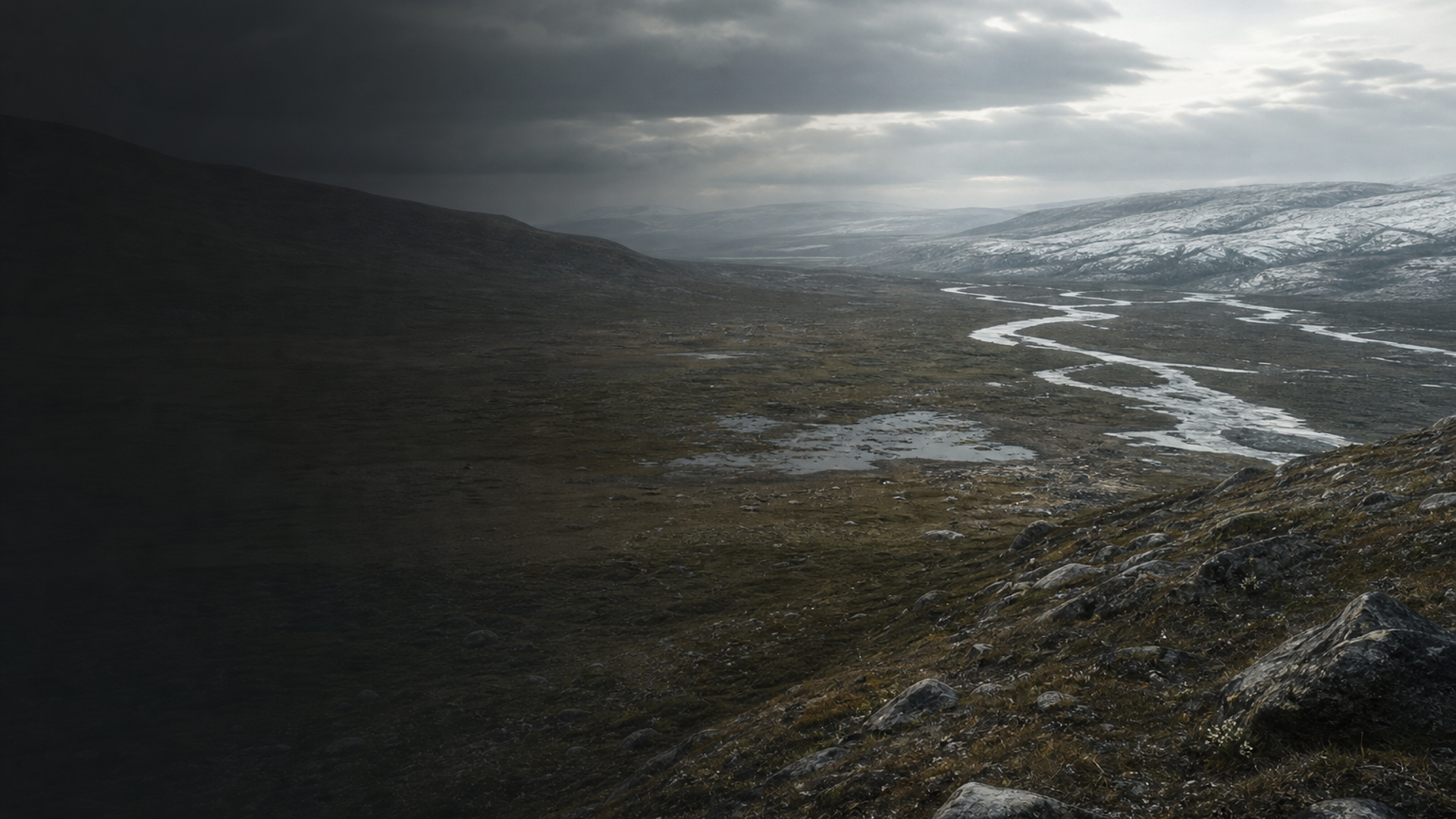
The world these Mesolithic people inhabited was cinematic: river fog, birch and pine fringes, and ice‑scoured shorelines that yielded salmon, pike, and migrating waterfowl. Stone blades, microliths, and hacked bone tools recovered at these sites suggest skilled toolkits adapted for fishing, bird‑netting, and crafting. Archaeological assemblages from Karavaikha and Pogostishche‑1 show hearth features and worked osseous implements, implying seasonal camps with repeated returns to favored resources.
Mobility was likely structured around resource seasonality. Small kin groups would have tracked fish runs, bird migrations, and foraging grounds, while raw material choices hint at exchange or long‑distance connections across the forest‑tundra interface. Funerary traces — such as isolated burials and the treatment of the dead at Peschanitsa — indicate meaningful social behaviors and possibly place‑based identities tied to specific river stretches. The archaeological record preserves fragments: hearth ash, chipped stone, and human bones that together evoke a resilient hunter‑gatherer lifeway carved from northern landscapes.
Archaeological interpretations remain cautious: preservation biases and incomplete excavation mean daily routines are reconstructed from indirect signals rather than written records.