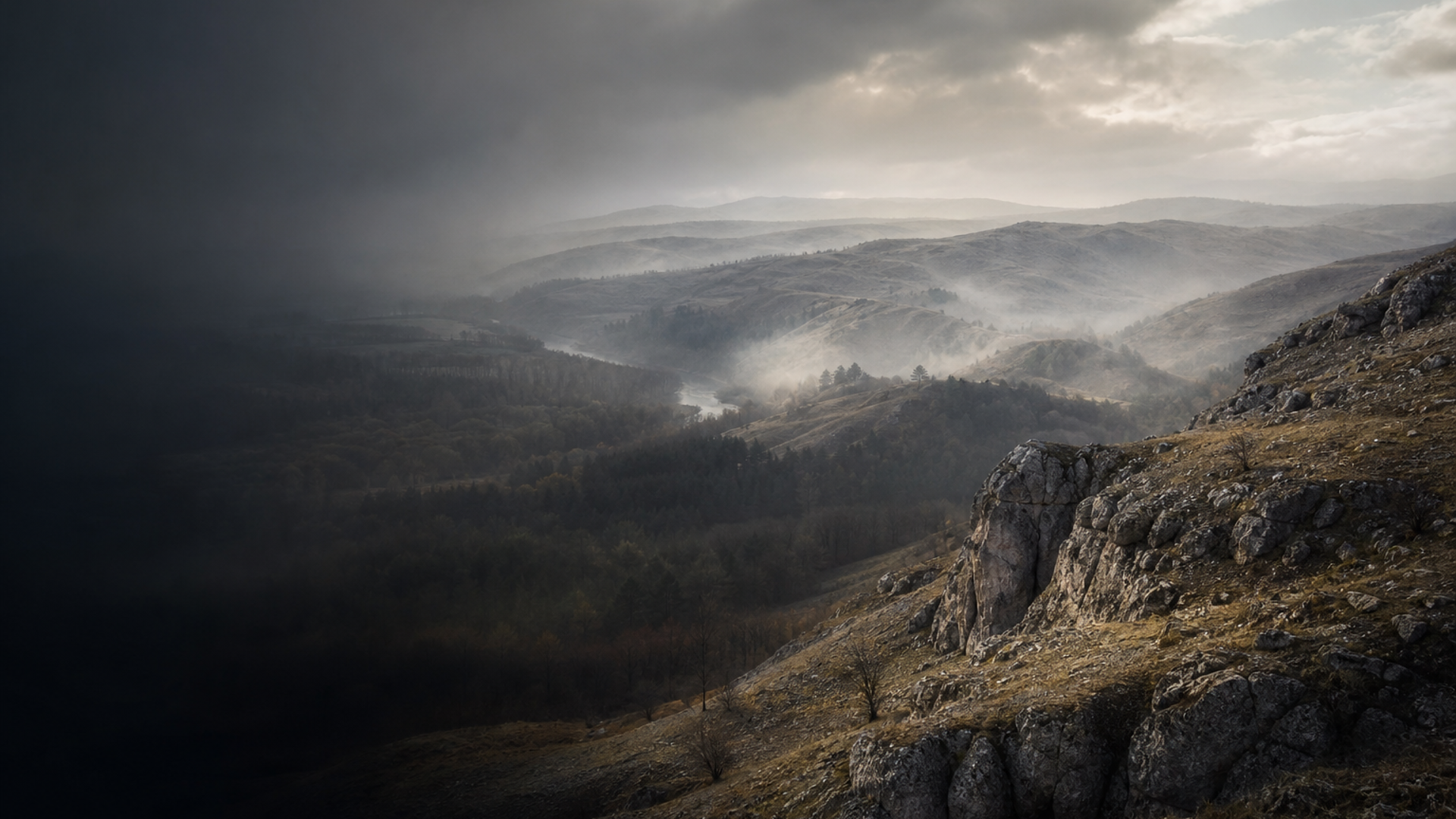
The lives of the Krems-Wachtberg people unfolded in a dramatic, ice‑framed landscape. Archaeological data indicates seasonal use of river terraces for hunting, tool production, and ephemeral camps. Flint blades, retouched points, and debris of knappage reflect skilled lithic economies tuned to processing game and hides. Organic materials rarely survive from this deep time, so reconstructions rely on stone technology, faunal remains, and spatial patterns of hearths and lithic scatters.
Social organization was likely flexible and kin‑based: small bands that could expand or contract with resource availability. The paired genetic signals—two individuals both carrying Y haplogroup I and mtDNA U5*—suggest potential patrilineal continuity in this micro‑region or the chance recovery of closely related individuals. Yet with only two samples, archaeological context remains the primary lens for social inference. Ritual practices, symbolic expression, and finer points of social hierarchy remain elusive; what archaeology preserves are traces of daily rhythms—raw material choice, food processing, and movement across the landscape—that shaped survival and social bonds.
Archaeological investigations at Krems-Wachtberg continue to refine micro‑stratigraphy and site use, offering the best pathway to flesh out how these genetic lineages mapped onto lived behavior.