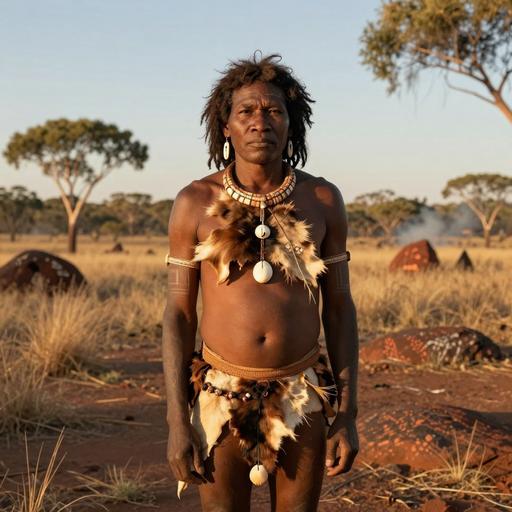
Voices of River and Lake: NSW Before 1788

Download PDF creates a visual, rasterized copy. Use Print for selectable text and better assistive-technology support.

Bericht wird vorbereitet

Verfügbare Informationen und Referenzen werden geladen

Verbindung mit dem archäologischen Quellenbestand...

Alte Quellen werden zusammengestellt

Zum Hauptinhalt springen
Voices of River and Lake: NSW Before 1788
Zivilisations-Spotlight

Voices of River and Lake: NSW Before 1788

Archaeology and ancient DNA from New South Wales that hint at deep maternal continuity

400 CE - 1788 CE
New South Wales, Australia
2 antike Proben
Scrollen zum Start
Kapitel I

Die Geschichte

Die Voices of River and Lake: NSW Before 1788-Kultur verstehen

Two ancient samples from New South Wales (400–1788 CE) link archaeological landscapes at Barham Forest/Koondrook-Perricoota and the Willandra Lakes to maternal mtDNA lineage S. Limited samples mean conclusions are preliminary, but they offer a cinematic glimpse of pre‑contact lifeways and continuity with Aboriginal Australians of NSW.

Time Period

400–1788 CE

Region

New South Wales, Australia

Common Y-DNA

Not reported / no data

Common mtDNA

S (2 samples)

Kapitel II

Zeitleiste

Zentrale Momente in der Geschichte dieser Kultur

1788 CE

Onset of sustained European colonization

Arrival of European settlers precipitated major social and environmental changes that profoundly affected Aboriginal lifeways across New South Wales.

Kapitel III

Origins & Emergence

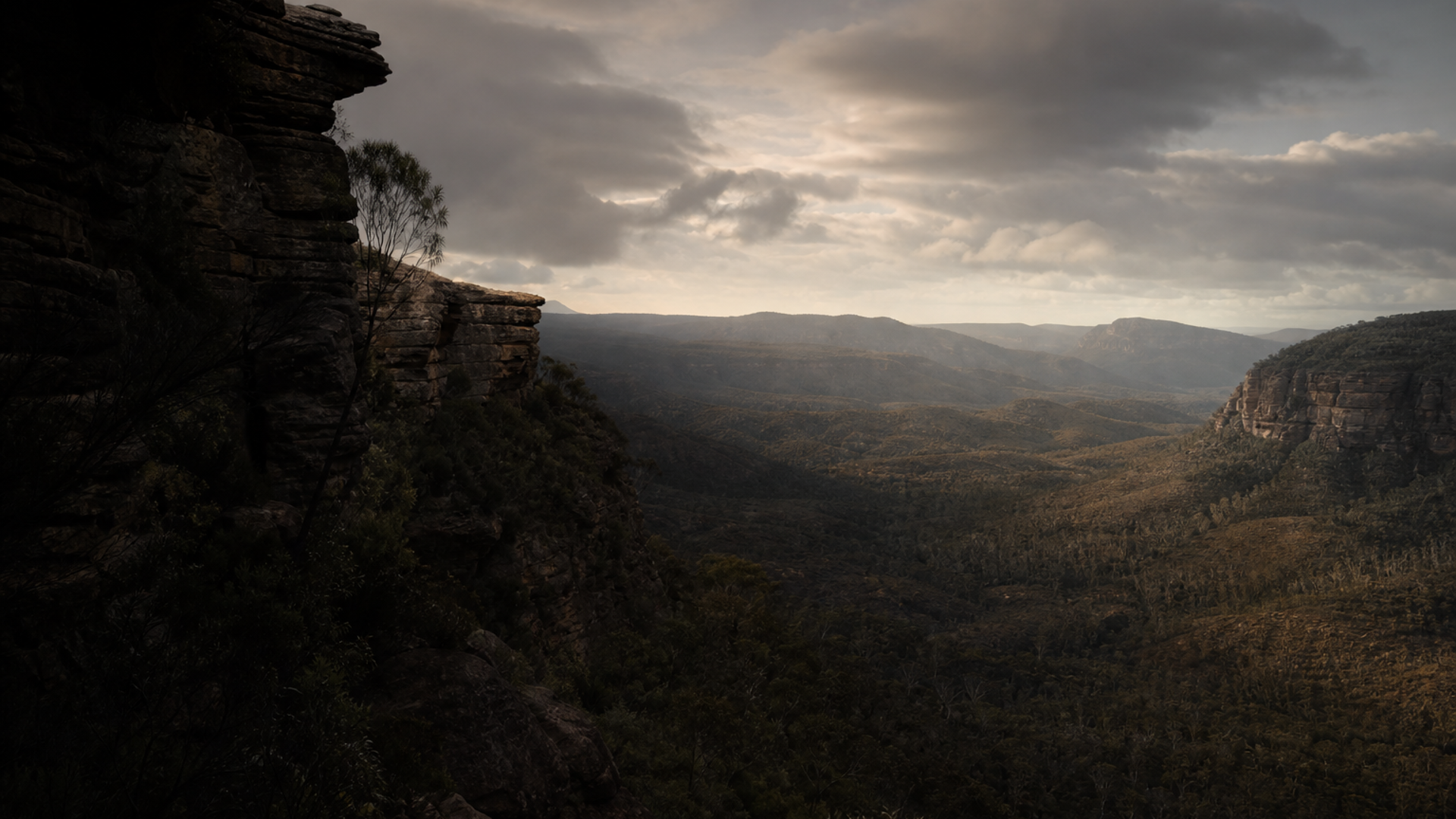
The archaeological record of pre‑European New South Wales is a landscape written in stone, shell and hearth-scars. Sites sampled for this dataset include riverine deposits at Barham Forest / Koondrook‑Perricoota (near the Murray River) and lake margins within the Willandra Lakes Region — a wide basin of ephemeral lakes and lunettes in western NSW. Radiocarbon contexts for the two genomic samples span roughly 400 CE to the eve of sustained European colonization in 1788 CE, situating them in the Late Holocene.

Archaeological data indicates persistent hunter‑gatherer lifeways adapted to river and lake ecosystems: curated stone tools, hearth features, and seasonal use of aquatic resources. Oral traditions and ethnographic records point to long continuity of custodial relationships with country; ancient DNA from human remains offers an independent line of evidence that can be compared to these cultural records.

Caveats are essential. Only two genomic samples underpin this cultural identifier, so patterns of population movement, kinship networks or demographic change remain tentative. Limited evidence suggests maternal continuity in this part of NSW through the presence of mtDNA haplogroup S in both individuals, but this must be tested with larger, ethically conducted sampling and strong collaboration with Traditional Owners.

Bulleted lines of ancestry are still being drawn: the material traces speak of deep time across rivers and lakes, while the genetic traces whisper of maternal lineages that endured into the recent past.

  • Samples from Barham Forest/Koondrook‑Perricoota and Willandra Lakes Region
  • Dates span ~400 CE to 1788 CE (Late Holocene)
  • Very small sample size — interpretations are preliminary
Kapitel IV

Daily Life & Society

In the cinematic light of low lakeshores and braided river channels, communities in pre‑contact New South Wales lived in intimate relationship with water and country. Archaeological deposits at the Willandra lunette and riverine sites like Koondrook‑Perricoota preserve hearths, flaked stone, and food remains that point to seasonal fishing, waterfowl hunting, plant harvesting and mobile camps linked to resource pulses.

Material culture was optimized for mobility and locality: blades and backed artefacts hint at composite toolkits, while shell and bone fragments reflect riverine diets. Archaeological data indicates varied mortuary practices across the region; where human remains are studied, the contexts can be complex and culturally sensitive. Social organization likely emphasized small kin groups with networks of exchange, ceremony and custodial stewardship of specific places — patterns echoed in later ethnographic accounts of Aboriginal Australians of NSW.

Landscape memory and songlines structured the movement of people and materials across country. While artifacts chart day-to-day subsistence, genetic data can illuminate biological kinship across sites when sampled ethically, complementing but not replacing Indigenous knowledge systems.

  • Riverine and lake resources shaped seasonal mobility and diets
  • Material culture indicates mobile hunter‑gatherer lifeways with strong place-based custodianship
Kapitel V

Genetic Profile

The genomic signal available for this cultural label is limited: two individuals, both carrying mitochondrial haplogroup S. Haplogroup S is recognized among Aboriginal Australian maternal lineages and its presence here is consistent with archaeological continuity in New South Wales. Because mtDNA traces only the maternal line, it offers a narrow but valuable window into one strand of ancestry.

No Y‑chromosome haplogroups are reported for these samples, so paternal-line patterns remain unknown. With only two genomes, any population-level inference is preliminary: low sample counts (<10) can misrepresent diversity and obscure micro‑regional structure. Contamination, preservation biases and the uneven survival of DNA in Australian climates further complicate interpretation.

Despite these limits, the genetic data complements archaeology in useful ways. Shared mtDNA types across spatially separated sites may suggest maternal connections or long-standing local continuity; differences could indicate mobility, marriage exchange networks, or changes in demographic structure. Deep time studies of Australian ancient DNA have shown substantial continuity from Pleistocene and Holocene periods into recent centuries, but localized sampling — as in NSW — is essential to understand the finer grain of ancestry.

All genetic interpretations must be framed by ethical collaboration with Indigenous communities, who bring crucial context and consent to the study of ancestral remains.

  • Both samples carry mtDNA haplogroup S, indicating maternal continuity
  • Y‑DNA not reported; sample count (n=2) means results are highly preliminary
Kapitel VI

Legacy & Modern Connections

The echoes of these two ancient genomes are not cold data but strands in living histories. Maternal continuity signaled by mtDNA S resonates with the continued connection of Aboriginal peoples to country across New South Wales. Archaeogenetic findings, when shared and interpreted in partnership with Traditional Owners, can enrich understandings of past mobility, kinship and the persistence of lineages.
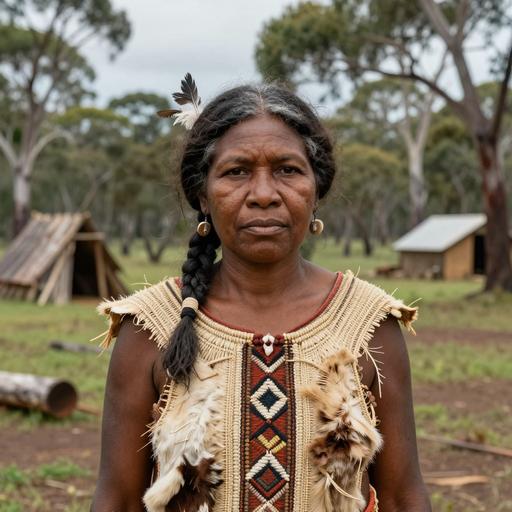
Researchers emphasize that genetics cannot replace Indigenous knowledge, ceremony or custodial claims. Rather, ancient DNA provides a complementary narrative thread: it can corroborate patterns suggested by archaeology and oral histories, and highlight areas where further respectful, community‑led research is needed.

Given the tiny sample size, the primary legacy of these data is methodological and ethical: they underscore the importance of collaborative frameworks, careful sampling strategies, and returning results in ways that support community interests, cultural continuity, and repatriation where appropriate.

  • mtDNA continuity can complement Indigenous knowledge and archaeological context
  • Research must be collaborative, community-led and mindful of cultural sensitivities
Kapitel VII

Probenkatalog

2 alte DNA-Proben, die mit der Voices of River and Lake: NSW Before 1788-Kultur in Verbindung stehen und genetische Einordnungen zu den Menschen dieses Zeitraums liefern.

2 / 2 Proben
Porträt Probe Land Epoche Datum Kultur Geschlecht Y-DNA mtDNA
Künstlerische Rekonstruktion von Pre European individual, Australia
Pre European individual, Australia
Australia Australia_NSW_PreEuropean 400-500 CE Aboriginal Australian F - S2a1a
Künstlerische Rekonstruktion von Aboriginal Australian individual, Australia
Aboriginal Australian individual, Australia
Australia Australia_NSW_PreEuropean 410 CE Aboriginal Australian M - S2a1a
KI-gestützt

KI-Assistent

Stellen Sie Fragen zur Voices of River and Lake: NSW Before 1788-Kultur

KI-Assistent von DNAGENICS

Funktion freischalten
Stellen Sie Fragen zur Kultur Voices of River and Lake: NSW Before 1788. Unser KI-Assistent kann genetische Befunde, historischen Kontext, archäologische Belege und moderne Verbindungen erläutern.
Beispiel einer KI-Analyse

Die Voices of River and Lake: NSW Before 1788-Kultur ist ein faszinierendes Kapitel der Menschheitsgeschichte...

Genetische Analysen zeigen Übereinstimmungen mit früheren Populationen und Hinweise auf besondere Anpassungen und kulturelle Innovationen. Alte DNA-Proben liefern Einblicke in Migrationsmuster, soziale Strukturen und genetische Verbindungen zwischen Populationen.

Dies ist eine Vorschau der KI-Analyse. Schalten Sie den vollständigen KI-Assistenten frei, um detaillierte Einblicke zu erkunden:

  • Genetische Zusammensetzung und genetische Ähnlichkeit
  • Migrationsmuster und Ursprünge
  • Alltag und kulturelle Praktiken
  • Genetischer Bezug zu heutigen Populationen

Weitere antike Kulturen erkunden

Geschichten von Zivilisationen aus der antiken Welt entdecken

Use code for 30% off • Expires Nov 08