Sample context and scope
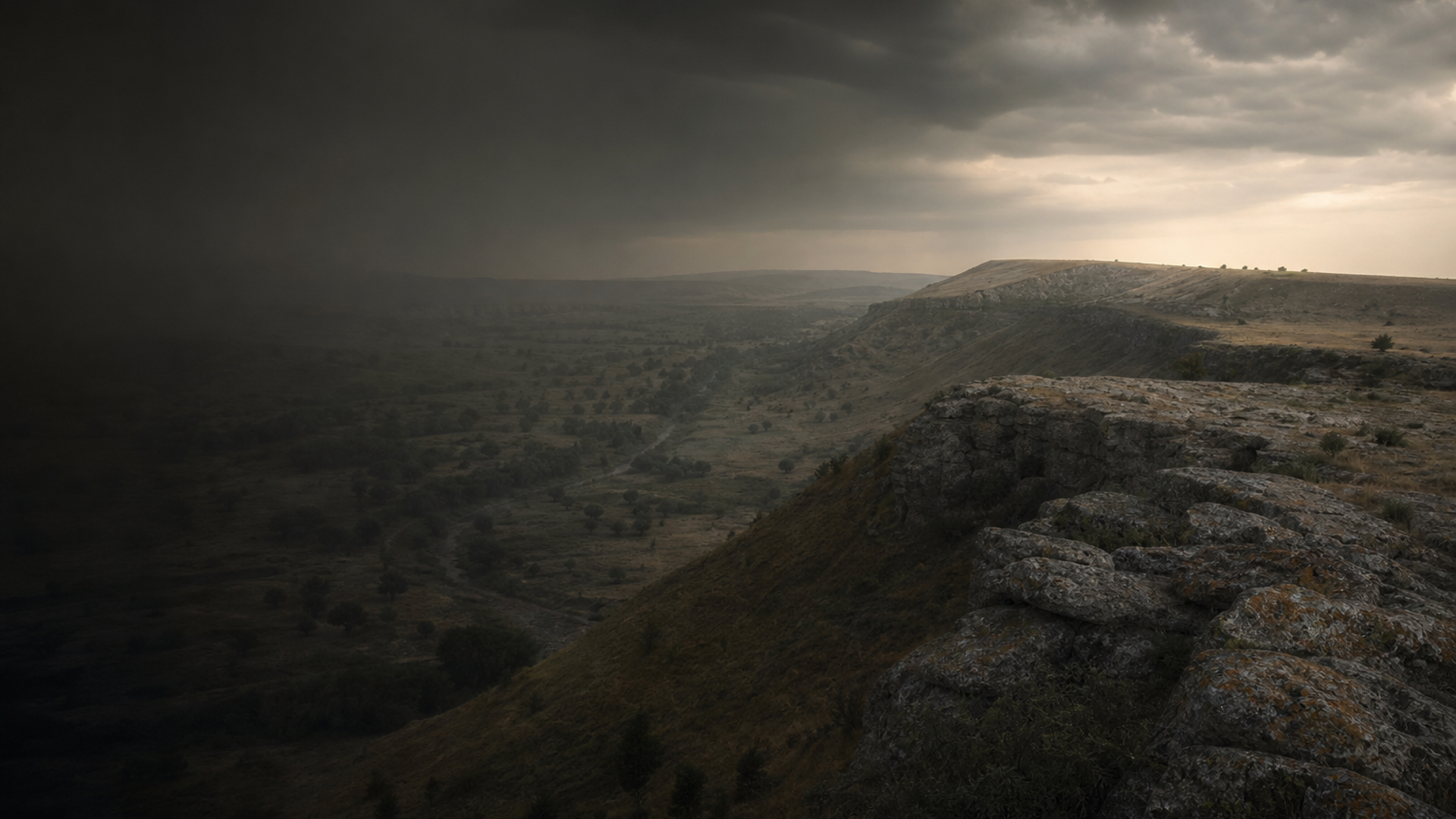
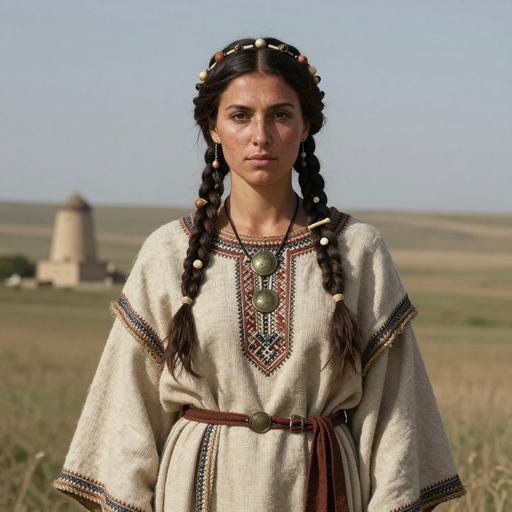
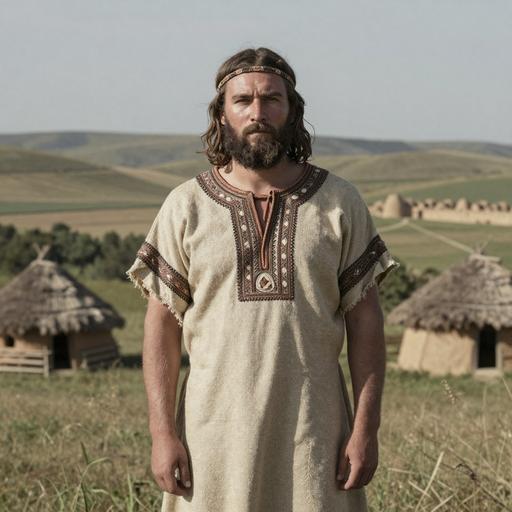
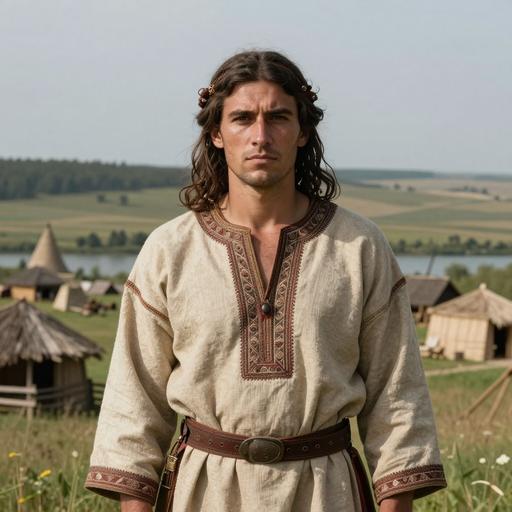
This dataset includes 99 ancient individuals spanning c. 3345 BCE to 410 CE from Central Kazakhstan (Akbeit I, Bektauata, Berel Necropolis) and broader steppe regions. The sample size enables robust regional patterns while still requiring caution for fine-scale temporal and social interpretation.
Uniparental markers
Y-chromosome results show a predominance of haplogroup R (26/99), consistent with a strong steppe-derived paternal lineage seen in many Bronze and Iron Age pastoralist contexts. Haplogroup Q (11) and low counts of N (2), J (1), and C (1) point to eastern and Siberian connections in some individuals, and occasional West Asian links.
Mitochondrial diversity is high: U (17), C (9), H (8), R (7), D (6), among others. This mixed maternal pool indicates female-mediated gene flow from diverse sources and suggests exogamous marriage networks across ecological and cultural zones.
Population dynamics and interpretation
Archaeogenetic patterns align with archaeological evidence for mobility: a dominant steppe genetic signature (reflected in R-lineages) combined with eastern/western admixture over time. The presence of Q and N haplogroups implies interactions with Inner Asian and Siberian populations, while mtDNA heterogeneity suggests incoming women from varied backgrounds. These data support models of largely male-driven mobility complemented by wide-ranging female exchange, but regional and temporal heterogeneity cautions against simple, uniform narratives.