Beniamin (Shirak): Iron Age Echo

Download PDF creates a visual, rasterized copy. Use Print for selectable text and better assistive-technology support.

Zum Hauptinhalt springen
Zivilisations-Spotlight

Beniamin (Shirak): Iron Age Echo

A single Iron Age sample from Shirak Province offers a cautious window into Armenia's early 1st millennium BCE.

1047 CE - 926 BCE
Shirak Province, Armenia
1 antike Proben

Die Geschichte

Archaeological and genetic evidence from a solitary Iron Age sample (1047–926 BCE) at Beniamin, Shirak Province, Armenia, hints at connections to broader Armenian Highland ancestries. Limited sampling makes population-level inferences preliminary but aligns with regional Iron Age patterns.

Time Period

1047–926 BCE

Region

Shirak Province, Armenia

Common Y-DNA

Not reported (single sample)

Common mtDNA

Not reported (single sample)

Fundorte der Proben

Die interaktive Karte ist nicht verfügbar. Die Fundorte findest du im Probenkatalog.

Zeitleiste

1047 BCE

Earliest calibrated date for Beniamin sample

The starting bound of radiocarbon/calibrated dating for the sampled individual at Beniamin, situating them in the early Iron Age of the Armenian Highlands.

926 BCE

Latest calibrated date for Beniamin sample

The terminal bound of the sample's date range, marking the end of the 1047–926 BCE interval for the individual.

860 BCE

Regional emergence of Iron Age polities

Archaeological records mark the consolidation of early highland polities in the 9th century BCE, a regional backdrop for the Beniamin individual.

Origins & Emergence

The specimen from Beniamin (Shirak Province) dates to the early Iron Age of the Armenian Highlands (1047–926 BCE), a time of regional reorganization and the rise of new polities across the highland corridor. Archaeological data indicates persistent local traditions layered with influences from neighboring lowlands and steppe corridors. Material culture across the region at this time—ceramics, metalwork, and settlement patterns—suggests communities adapting older Bronze Age lifeways to new socio-political realities.

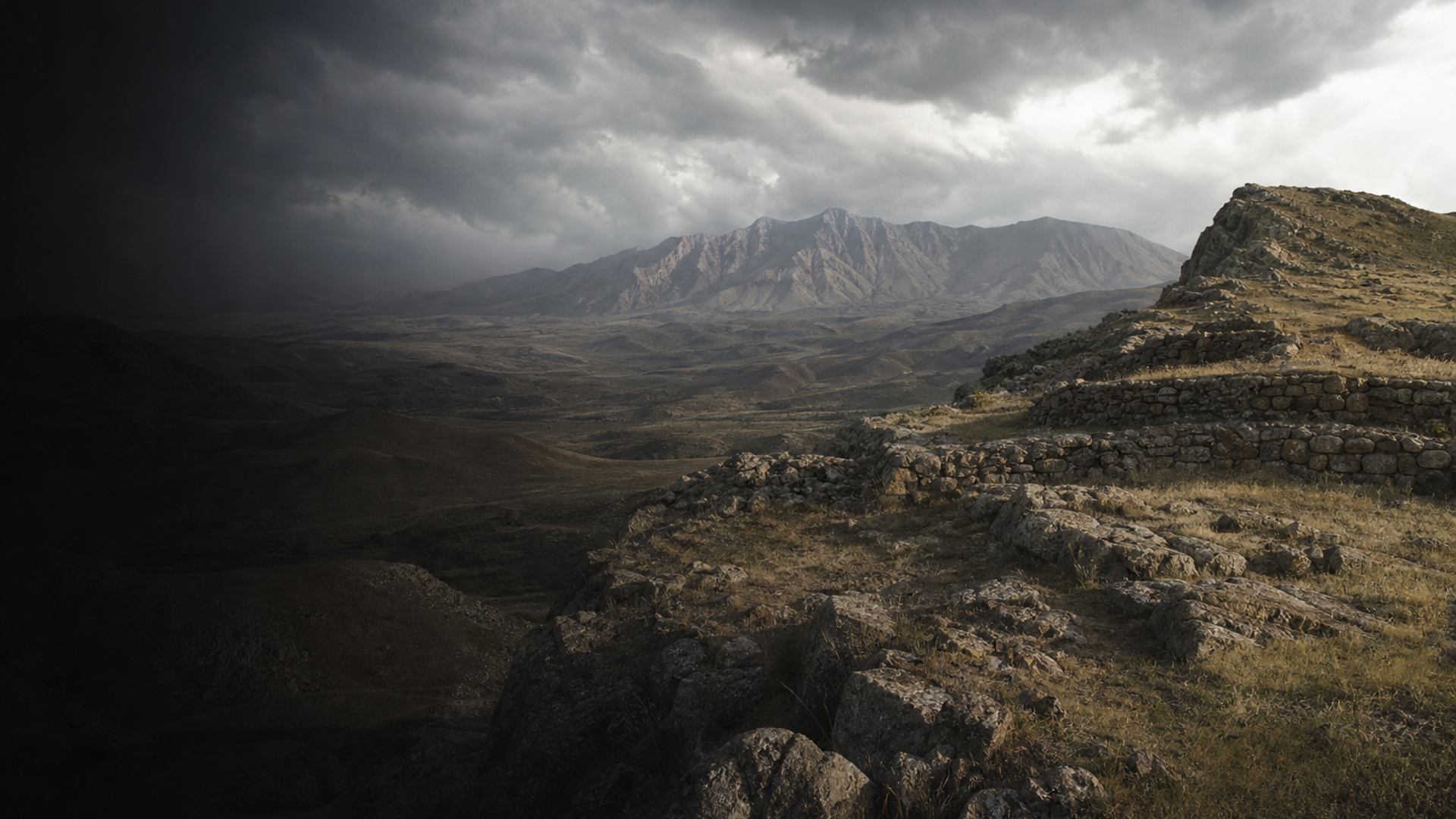
Limited evidence from a single sample cannot resolve questions of migration or cultural transformation, but it does place an individual human life within the dynamic landscape that would see the emergence of Iron Age polities in the 9th century BCE. Environmental change, long-distance exchange, and technological shifts (notably increased iron use) provided the backdrop for these transformations. In cinematic terms: the Beniamin individual stands at a threshold, where the glow of bronze-age horizons meets the sharper silhouette of Iron Age horizons. Archaeological context indicates regional continuity with punctuated influences rather than wholesale replacement, but additional samples are needed to confirm population-level processes.

  • Single individual dated 1047–926 BCE from Beniamin, Shirak Province
  • Context fits early Iron Age transitions in the Armenian Highlands
  • Evidence suggests continuity with earlier Bronze Age traditions amid new influences

Daily Life & Society

Although the genetic dataset here is minimal, archaeological parallels across Iron Age Armenia illuminate probable rhythms of life. Communities in the highlands combined agriculture and pastoralism, tending cereals and herds on terraced slopes, while seasonal mobility connected mountain villages with river valleys. Craft specializations—pottery, metallurgy, textile production—created local signatures that also carried broader stylistic echoes of the Caucasus and Anatolian margins.

Social organization likely centered on kin-based households and local leaders who mediated exchange and defended resources. Ritual practice and funerary behavior varied regionally; the presence or absence of grave goods and burial architecture at sites in Shirak and neighboring provinces shows a tapestry of practices, some conservative and others distinctly innovative. For the person from Beniamin, the material world would have been tactile—iron tools sharp at the hearth, clay vessels bearing fingerprints, and the constellations guiding seasonal movement—yet archaeological data from the site remains limited and should be read with caution.

  • Mixed farming and pastoral economy suggested for the region
  • Local crafts and exchange networks linked Shirak to the wider highlands

Genetic Profile

This dataset comprises a single ancient DNA sample from Beniamin dated 1047–926 BCE. No communal Y-DNA or mtDNA haplogroup frequencies can be established from one individual; haplogroup data for this sample are not reported here. Archaeogenetic studies across the Armenian Highlands, by contrast, indicate a broad pattern of long-term continuity with a core Caucasus-related ancestry and varying contributions from Anatolian and steppe-linked sources during the Bronze-to-Iron Age transition.

Because the sample count is one (well below ten), any genetic inference must be highly tentative. The single genome can be compared to regional reference panels to assess affinities—whether it clusters with local Bronze Age individuals or shows additional steppe-related admixture—but such comparisons only suggest possibilities rather than population trends. Limited evidence suggests the individual from Beniamin is compatible with the phased genetic landscape of Iron Age Armenia: a mosaic blending deep Caucasus roots with external contacts. Future sampling in Shirak Province and neighboring districts is essential to transform this cinematic glimpse into a robust portrait of population history.

  • Only one genome available—insufficient for population-level conclusions
  • Regional patterns show continuity with Caucasus-related ancestry plus variable external admixture

Legacy & Modern Connections

The human story at Beniamin is a single thread in the fabric of Armenian Highland prehistory. Modern populations in Armenia carry deep genetic continuity with ancient highland inhabitants, but the precise ties between living communities and one Iron Age individual remain speculative until larger samples are analyzed. Archaeology and genetics together suggest enduring cultural landscapes: place-based lifeways, inherited crafts, and networks of exchange that shaped later historical trajectories.

In museum terms, the Beniamin sample offers a reflective shard—an evocative fragment that invites us to imagine voices from the early 1st millennium BCE and encourages targeted fieldwork and sequencing to illuminate the full chorus of Iron Age Armenia.

  • Modern Armenians show genetic continuity with ancient highland ancestries
  • The Beniamin sample invites further sampling to clarify ancestral links

Probenkatalog

1 / 1 Proben
Porträt Probe Land Epoche Datum Kultur Geschlecht Y-DNA mtDNA
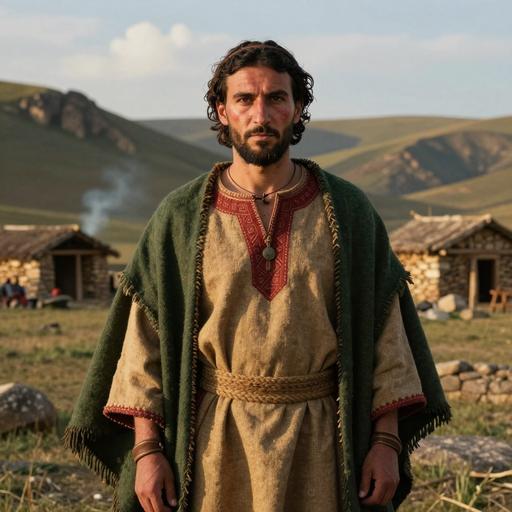
Künstlerische Rekonstruktion von Beniamin EIA individual, Armenia
Armenia Armenia_Beniamin_IA 1047-926 calBCE (2835±15 BP, UCIAMS-237546) Ancient Near Eastern Civilization M I-Y16419 -

KI-Assistent

KI-Assistent von DNAGENICS

Funktion freischalten
Stellen Sie Fragen zur Kultur Beniamin (Shirak): Iron Age Echo. Unser KI-Assistent kann genetische Befunde, historischen Kontext, archäologische Belege und moderne Verbindungen erläutern.
Beispiel einer KI-Analyse

Die Beniamin (Shirak): Iron Age Echo-Kultur ist ein faszinierendes Kapitel der Menschheitsgeschichte...
Genetische Analysen zeigen Übereinstimmungen mit früheren Populationen und Hinweise auf besondere Anpassungen und kulturelle Innovationen. Alte DNA-Proben liefern Einblicke in Migrationsmuster, soziale Strukturen und genetische Verbindungen zwischen Populationen.

Dies ist eine Vorschau der KI-Analyse. Schalten Sie den vollständigen KI-Assistenten frei, um detaillierte Einblicke zu erkunden:

  • Genetische Zusammensetzung und genetische Ähnlichkeit
  • Migrationsmuster und Ursprünge
  • Alltag und kulturelle Praktiken
  • Genetischer Bezug zu heutigen Populationen
Use code for 25% off • Expires Nov 13





