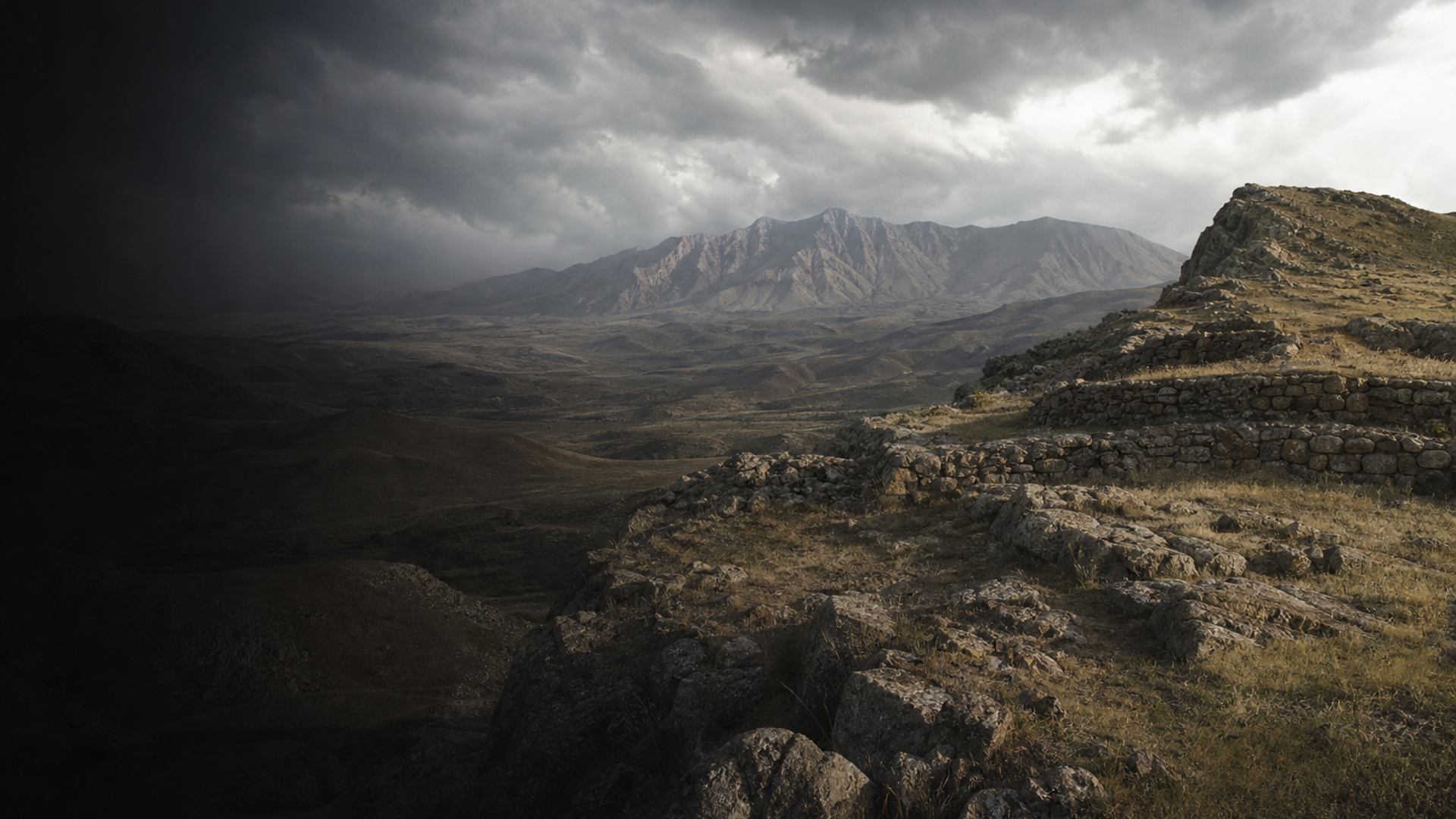
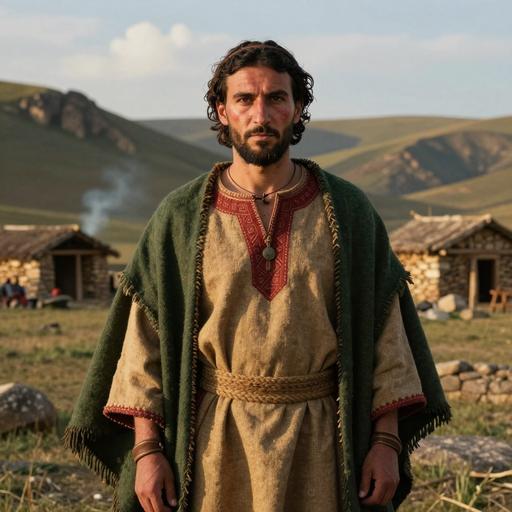
Although the genetic dataset here is minimal, archaeological parallels across Iron Age Armenia illuminate probable rhythms of life. Communities in the highlands combined agriculture and pastoralism, tending cereals and herds on terraced slopes, while seasonal mobility connected mountain villages with river valleys. Craft specializations—pottery, metallurgy, textile production—created local signatures that also carried broader stylistic echoes of the Caucasus and Anatolian margins.
Social organization likely centered on kin-based households and local leaders who mediated exchange and defended resources. Ritual practice and funerary behavior varied regionally; the presence or absence of grave goods and burial architecture at sites in Shirak and neighboring provinces shows a tapestry of practices, some conservative and others distinctly innovative. For the person from Beniamin, the material world would have been tactile—iron tools sharp at the hearth, clay vessels bearing fingerprints, and the constellations guiding seasonal movement—yet archaeological data from the site remains limited and should be read with caution.