Lchashen Voices: Armeniahashen LBA

Download PDF creates a visual, rasterized copy. Use Print for selectable text and better assistive-technology support.

Bericht wird vorbereitet

Verfügbare Informationen und Referenzen werden geladen

Verbindung mit dem archäologischen Quellenbestand...

Alte Quellen werden zusammengestellt

Zum Hauptinhalt springen
Lchashen Voices: Armeniahashen LBA
Zivilisations-Spotlight

Lchashen Voices: Armeniahashen LBA

Late Bronze Age lives at Lchashen cemetery, seen through archaeology and ancient mtDNA

1420 CE - 1150 BCE
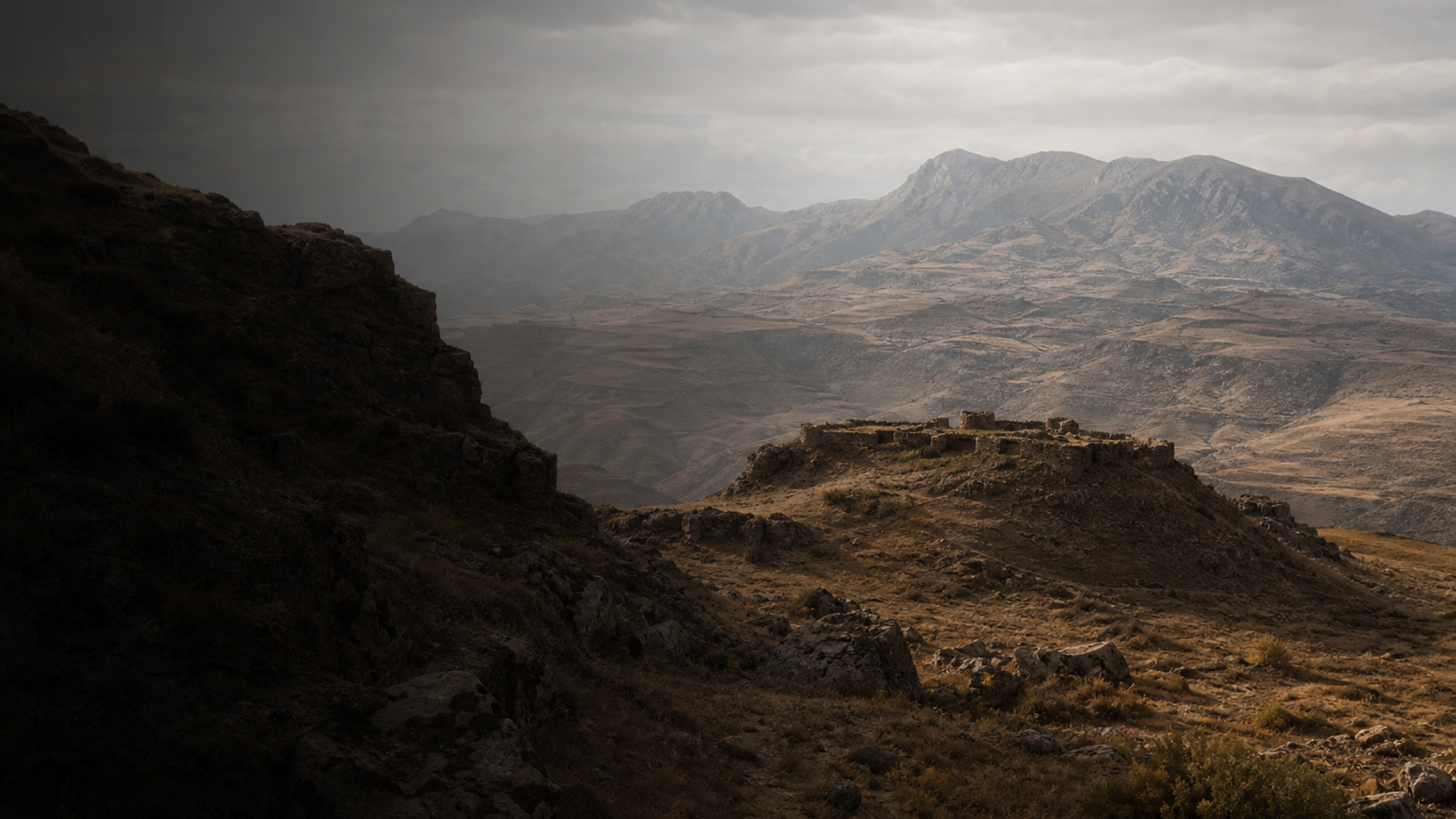
Armenian Highlands (Lchashen, Armenia)
13 antike Proben
Scrollen zum Start
Kapitel I

Die Geschichte

Die Lchashen Voices: Armeniahashen LBA-Kultur verstehen

Archaeogenetic and archaeological data from 13 Late Bronze Age individuals (1420–1150 BCE) at Lchashen cemetery, Armenia, reveal West Eurasian maternal lineages and offer cautious insights into population continuity in the Armenian Highlands.

Time Period

1420–1150 BCE (Late Bronze Age)

Region

Armenian Highlands (Lchashen, Armenia)

Common Y-DNA

Not reported in this dataset

Common mtDNA

H (4), N (2), T2h (2), H20 (1), W (1)

Kapitel II

Zeitleiste

Zentrale Momente in der Geschichte dieser Kultur

1420 BCE

Earliest dated Lchashen burials in dataset

First samples in the Armeniahashen_LBA series are dated to c. 1420 BCE, anchoring the assemblage in the Late Bronze Age Armenian Highlands.

Kapitel III

Origins & Emergence

The Armeniahashen_LBA assemblage comes from Lchashen cemetery in the Armenian Highlands, dated between about 1420 and 1150 BCE. Archaeological data indicates a Late Bronze Age funerary landscape characterized by formally arranged burials and grave goods that reflect long-standing regional traditions. The material culture at Lchashen sits within the broader Armenian LBA horizon and may reflect local developments rather than sudden large-scale replacement.

Genetic samples (n = 13) offer a focused but modest window into maternal ancestry. MtDNA lineages detected — predominantly H, along with N, T2h, H20 and W — are common across West Eurasia in the Bronze Age and later periods. These maternal markers are consistent with continuity of West Eurasian maternal ancestries in the highland zone, but caution is required: the dataset is geographically limited to a single cemetery and lacks matching paternal (Y-chromosome) resolution in the published set.

Limited evidence suggests local demographic stability punctuated by connections across the highland and steppe margins. Archaeology points to sustained occupation and ritual practice at Lchashen, while the genetic signal underlines affinities with broader West Eurasian maternal pools rather than a signature of dramatic new population influxes.

  • Samples dated c. 1420–1150 BCE from Lchashen cemetery, Armenia
  • Material culture places the site within the Armenian Late Bronze Age horizon
  • MtDNA lineages indicate West Eurasian maternal affinity; paternal data not reported
Kapitel IV

Daily Life & Society

Archaeological excavations at Lchashen reveal a community engaged in the lifeways typical of the Armenian Highlands in the Late Bronze Age: mixed farming, pastoralism, and craft production with strong ritual investment in burial practice. Grave architecture and associated objects—ceramics, metal fragments, and personal ornaments—suggest social differentiation and the importance of funerary display in expressing identity.

The cemetery context allows a rare intimate view of people’s lives: burial placement, body orientation, and the presence or absence of goods hint at kinship and status distinctions. Combined with isotopic studies elsewhere in the region (where available), such cemeteries can indicate mobility patterns between highland valleys and surrounding pastures. For Lchashen specifically, the archaeological picture supports long-term occupation and social networks that tied communities across the Armenian highlands and beyond.

While funerary evidence can suggest wealth differences and trade connections, direct inferences about language or precise social organization remain tentative. The biological data from the cemetery complement material culture by showing who was buried here, but cannot on its own reconstruct daily routines or institutions without broader comparative datasets.

  • Burials show ritual investment and social differentiation
  • Material culture points to mixed farming, craft production, and regional connections
Kapitel V

Genetic Profile

The genetic dataset for Armeniahashen_LBA includes 13 individuals from a single cemetery (Lchashen). Mitochondrial DNA shows a predominance of haplogroup H (4 individuals), with additional lineages N (2), T2h (2), H20 (1) and W (1). These mtDNA types are widespread across Bronze Age and later West Eurasia, indicating maternal ancestries that share broad affinity with neighboring highland and Anatolian populations.

No common Y-DNA haplogroups are reported for this sample set, so paternal lineages remain unresolved in this release. The absence of paternal resolution limits inferences about patrilineal continuity, migration directionality, or male-driven demographic events. Nevertheless, the mtDNA distribution supports the idea of maternal continuity or long-term local incorporation of common West Eurasian maternal lineages during the Late Bronze Age in the Armenian Highlands.

Genetic evidence should be read alongside archaeology: 13 samples provide meaningful signals but represent a modest, geographically concentrated dataset. Broader sampling across sites and inclusion of genome-wide and Y-chromosome data would strengthen conclusions about demographic processes, mobility, and possible connections to later populations such as Iron Age and historic Armenian groups.

  • MtDNA dominated by H, with N, T2h, H20, W present
  • Y-chromosome data not reported — limits paternal lineage interpretation
Kapitel VI

Legacy & Modern Connections

Archaeological continuity at sites like Lchashen and the West Eurasian composition of maternal lineages suggest threads of biological and cultural continuity in the Armenian Highlands from the Late Bronze Age onward. Genetic affinities seen in mtDNA echo patterns observed across Bronze Age West Eurasia and may be one element in the complex tapestry that contributes to later population structure in the region.
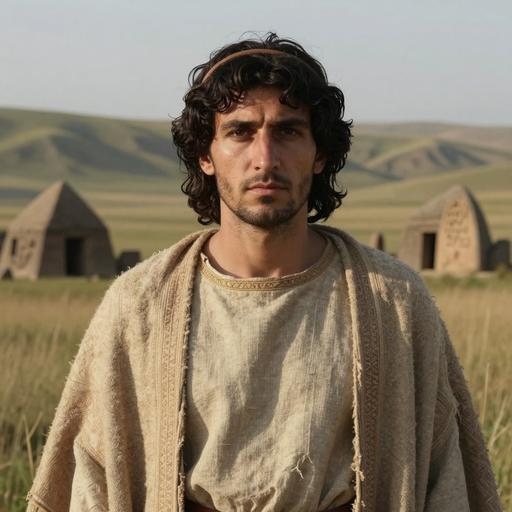
However, drawing direct lines from these 13 individuals to modern populations requires caution. Population dynamics over the last three millennia—movements, cultural shifts, and gene flow—are complex. The Armeniahashen_LBA data provide evocative snapshots: they anchor stories of ancestry in real people from Lchashen while highlighting the need for more comprehensive genome-wide and paternal data to clarify long-term continuity and change.

  • Maternal lineages align with broader West Eurasian Bronze Age diversity
  • Direct links to modern populations are plausible but require more data
Kapitel VII

Probenkatalog

13 alte DNA-Proben, die mit der Lchashen Voices: Armeniahashen LBA-Kultur in Verbindung stehen und genetische Einordnungen zu den Menschen dieses Zeitraums liefern.

13 / 13 Proben
Porträt Probe Land Epoche Datum Kultur Geschlecht Y-DNA mtDNA
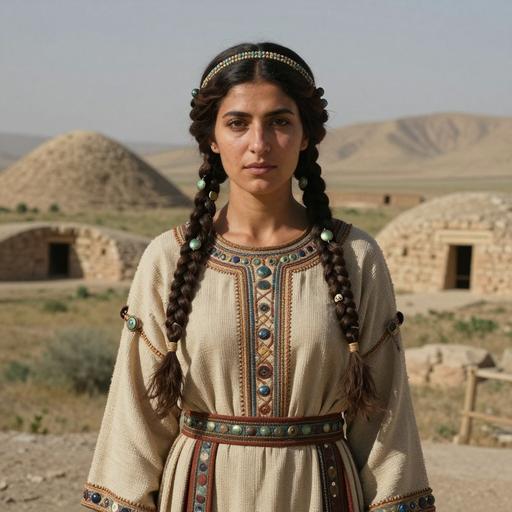
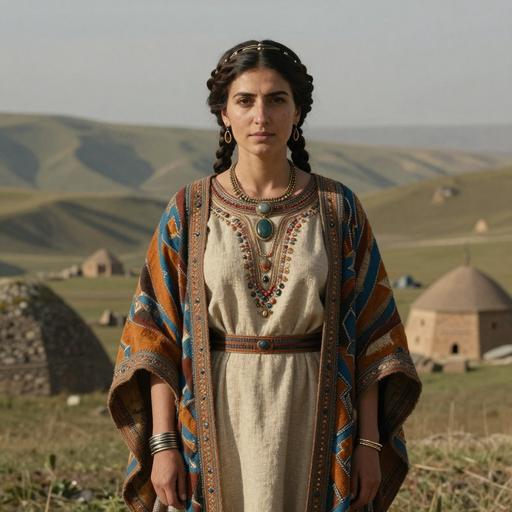
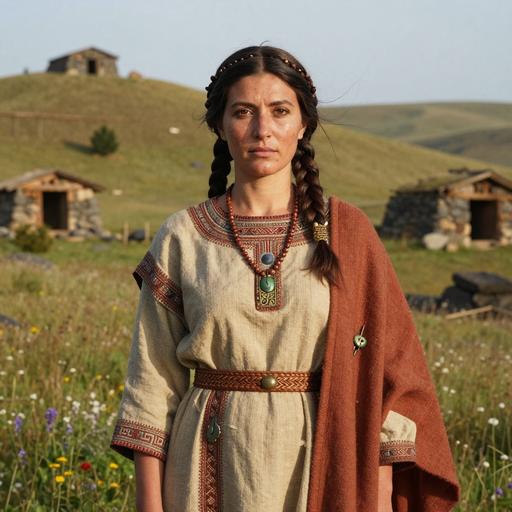
Künstlerische Rekonstruktion von Lchashen LBA individual, Armenia
Lchashen LBA individual, Armenia
Armenia Armeniahashen_LBA 1450-1250 BCE Ancient Near Eastern Civilization M I-Y16419 N1b1a3
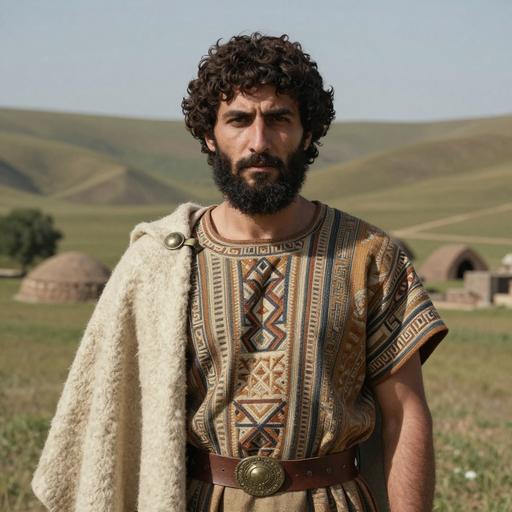
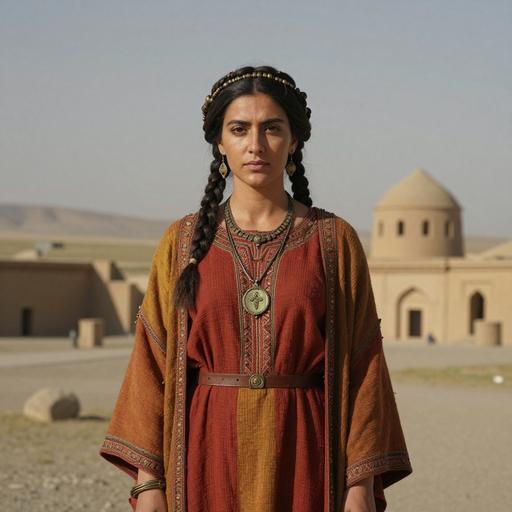
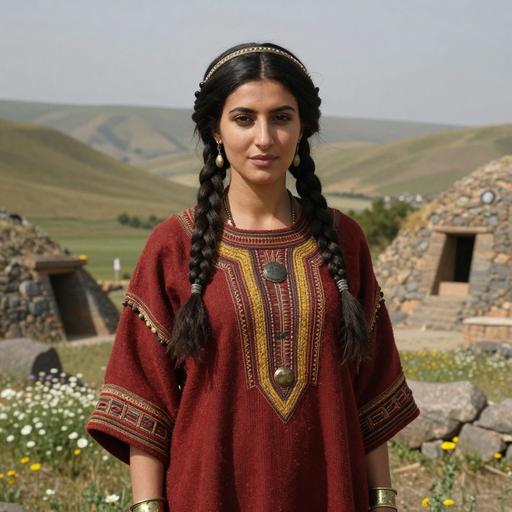
Künstlerische Rekonstruktion von Lchashen LBA individual, Armenia
Lchashen LBA individual, Armenia
Armenia Armeniahashen_LBA 1450-1250 BCE Ancient Near Eastern Civilization F - W1+119
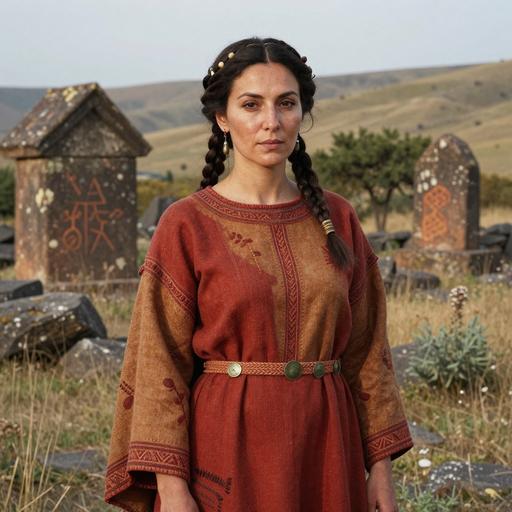
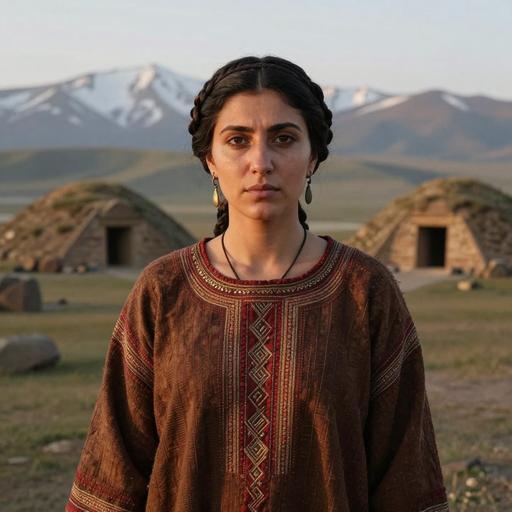
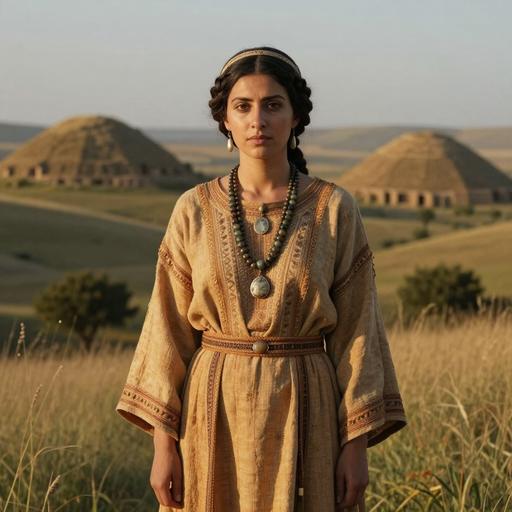
Künstlerische Rekonstruktion von Lchashen LBA individual, Armenia
Lchashen LBA individual, Armenia
Armenia Armeniahashen_LBA 1450-1250 BCE Ancient Near Eastern Civilization F - U2e2a1
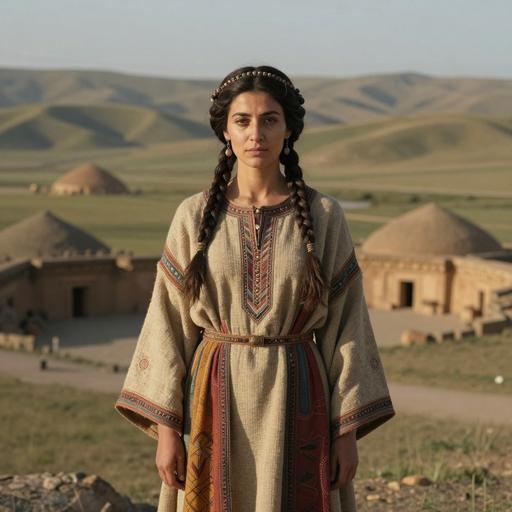
Künstlerische Rekonstruktion von Lchashen LBA individual, Armenia
Lchashen LBA individual, Armenia
Armenia Armeniahashen_LBA 1450-1250 BCE Ancient Near Eastern Civilization M I-Y16419 H13a1a2
Künstlerische Rekonstruktion von Lchashen LBA individual, Armenia
Lchashen LBA individual, Armenia
Armenia Armeniahashen_LBA 1450-1250 BCE Ancient Near Eastern Civilization F - H3+152
Künstlerische Rekonstruktion von Lchashen LBA EIA individual, Armenia
Lchashen LBA EIA individual, Armenia
Armenia Armeniahashen_LBA 1250-1150 BCE Ancient Near Eastern Civilization F - H4a1a1a
Künstlerische Rekonstruktion von Lchashen LBA individual, Armenia
Lchashen LBA individual, Armenia
Armenia Armeniahashen_LBA 1450-1250 BCE Ancient Near Eastern Civilization F - N1b1a3
Künstlerische Rekonstruktion von Lchashen LBA individual, Armenia
Lchashen LBA individual, Armenia
Armenia Armeniahashen_LBA 1450-1250 BCE Ancient Near Eastern Civilization F - T2h
Künstlerische Rekonstruktion von Lchashen LBA individual, Armenia
Lchashen LBA individual, Armenia
Armenia Armeniahashen_LBA 1450-1250 BCE Ancient Near Eastern Civilization F - H20
Künstlerische Rekonstruktion von Lchashen LBA individual, Armenia
Lchashen LBA individual, Armenia
Armenia Armeniahashen_LBA 1450-1250 BCE Ancient Near Eastern Civilization F - T2h
KI-gestützt

KI-Assistent

Stellen Sie Fragen zur Lchashen Voices: Armeniahashen LBA-Kultur

KI-Assistent von DNAGENICS

Funktion freischalten
Stellen Sie Fragen zur Kultur Lchashen Voices: Armeniahashen LBA. Unser KI-Assistent kann genetische Befunde, historischen Kontext, archäologische Belege und moderne Verbindungen erläutern.
Beispiel einer KI-Analyse

Die Lchashen Voices: Armeniahashen LBA-Kultur ist ein faszinierendes Kapitel der Menschheitsgeschichte...

Genetische Analysen zeigen Übereinstimmungen mit früheren Populationen und Hinweise auf besondere Anpassungen und kulturelle Innovationen. Alte DNA-Proben liefern Einblicke in Migrationsmuster, soziale Strukturen und genetische Verbindungen zwischen Populationen.

Dies ist eine Vorschau der KI-Analyse. Schalten Sie den vollständigen KI-Assistenten frei, um detaillierte Einblicke zu erkunden:

  • Genetische Zusammensetzung und genetische Ähnlichkeit
  • Migrationsmuster und Ursprünge
  • Alltag und kulturelle Praktiken
  • Genetischer Bezug zu heutigen Populationen

Weitere antike Kulturen erkunden

Geschichten von Zivilisationen aus der antiken Welt entdecken

Use code for 35% off • Expires Nov 09