A preparar o relatório

A carregar as informações e as referências disponíveis

Consultando el registro arqueológico...

Recopilando registros antiguos

Saltar para o conteúdo principal
Lchashen Voices: Armeniahashen LBA
Cultura de destaque

Lchashen Voices: Armeniahashen LBA

Late Bronze Age lives at Lchashen cemetery, seen through archaeology and ancient mtDNA

1420 CE - 1150 BCE
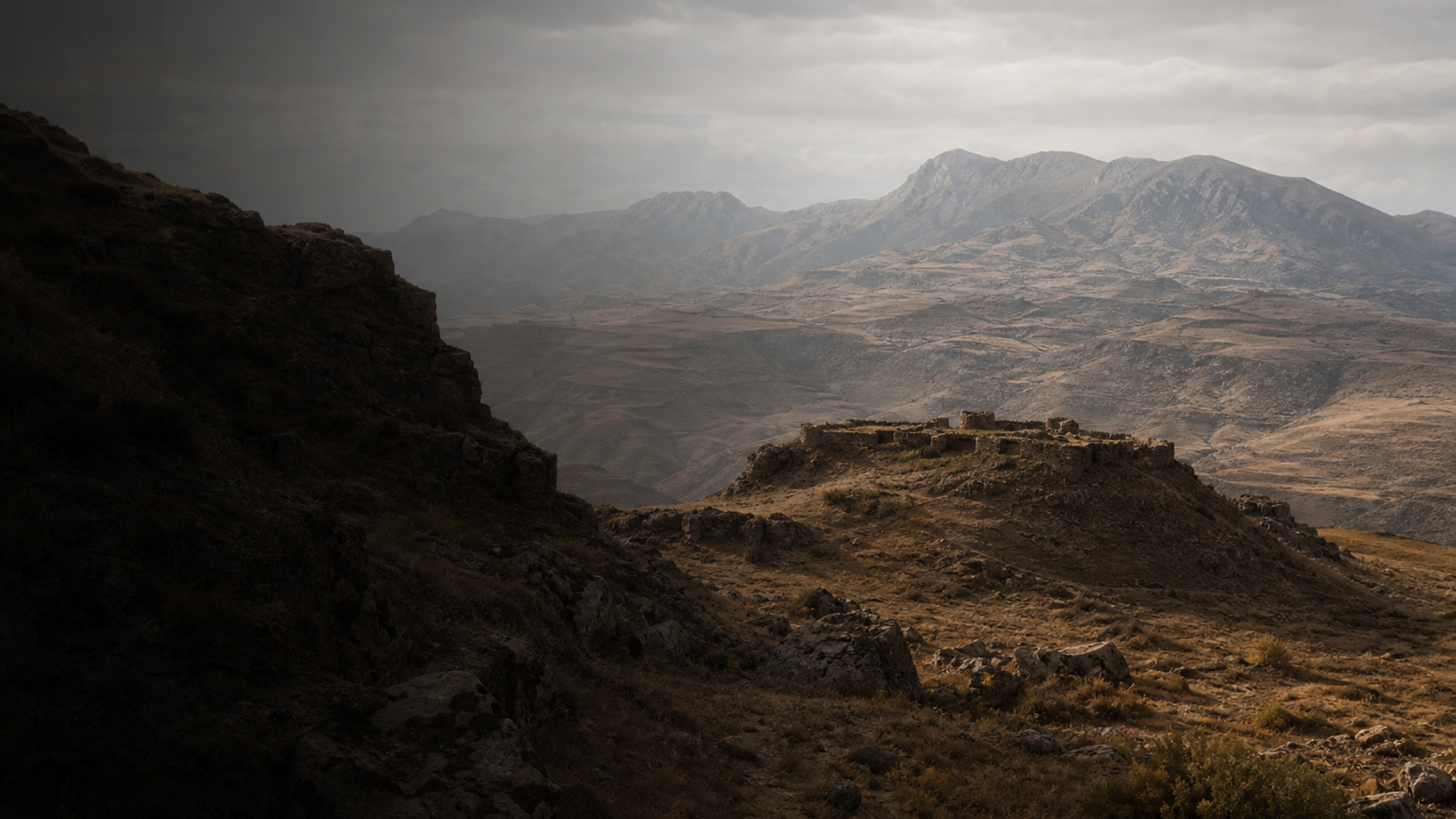
Armenian Highlands (Lchashen, Armenia)
13 Amostras antigas
Desplázate para começar
Capítulo I

A História

Comprender la cultura Lchashen Voices: Armeniahashen LBA

Archaeogenetic and archaeological data from 13 Late Bronze Age individuals (1420–1150 BCE) at Lchashen cemetery, Armenia, reveal West Eurasian maternal lineages and offer cautious insights into population continuity in the Armenian Highlands.

Time Period

1420–1150 BCE (Late Bronze Age)

Region

Armenian Highlands (Lchashen, Armenia)

Common Y-DNA

Not reported in this dataset

Common mtDNA

H (4), N (2), T2h (2), H20 (1), W (1)

Capítulo II

Cronologia

Momentos-chave da história desta cultura

1420 BCE

Earliest dated Lchashen burials in dataset

First samples in the Armeniahashen_LBA series are dated to c. 1420 BCE, anchoring the assemblage in the Late Bronze Age Armenian Highlands.

Capítulo III

Origins & Emergence

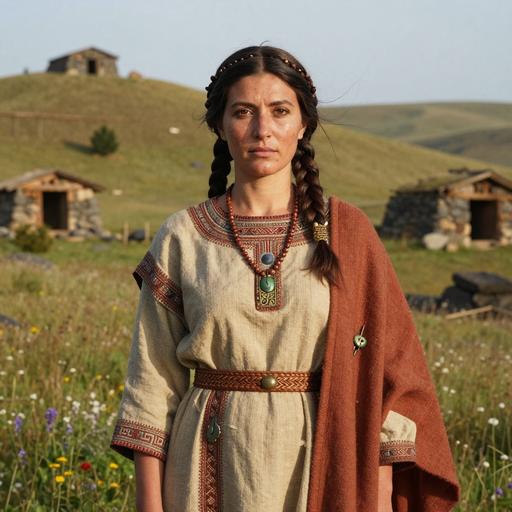
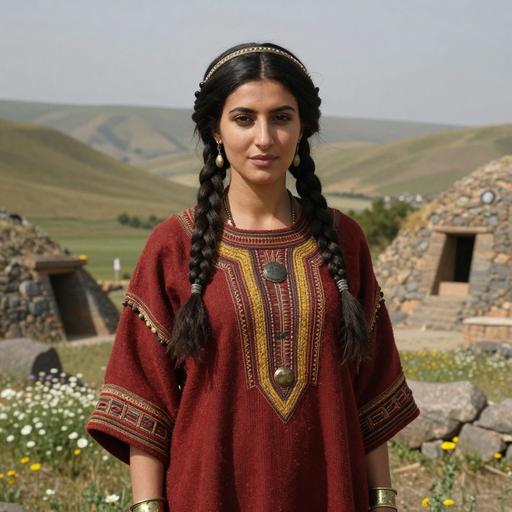
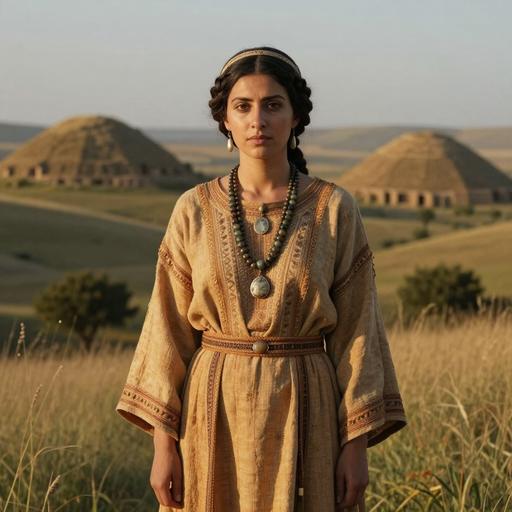
The Armeniahashen_LBA assemblage comes from Lchashen cemetery in the Armenian Highlands, dated between about 1420 and 1150 BCE. Archaeological data indicates a Late Bronze Age funerary landscape characterized by formally arranged burials and grave goods that reflect long-standing regional traditions. The material culture at Lchashen sits within the broader Armenian LBA horizon and may reflect local developments rather than sudden large-scale replacement.

Genetic samples (n = 13) offer a focused but modest window into maternal ancestry. MtDNA lineages detected — predominantly H, along with N, T2h, H20 and W — are common across West Eurasia in the Bronze Age and later periods. These maternal markers are consistent with continuity of West Eurasian maternal ancestries in the highland zone, but caution is required: the dataset is geographically limited to a single cemetery and lacks matching paternal (Y-chromosome) resolution in the published set.

Limited evidence suggests local demographic stability punctuated by connections across the highland and steppe margins. Archaeology points to sustained occupation and ritual practice at Lchashen, while the genetic signal underlines affinities with broader West Eurasian maternal pools rather than a signature of dramatic new population influxes.

  • Samples dated c. 1420–1150 BCE from Lchashen cemetery, Armenia
  • Material culture places the site within the Armenian Late Bronze Age horizon
  • MtDNA lineages indicate West Eurasian maternal affinity; paternal data not reported
Capítulo IV

Daily Life & Society

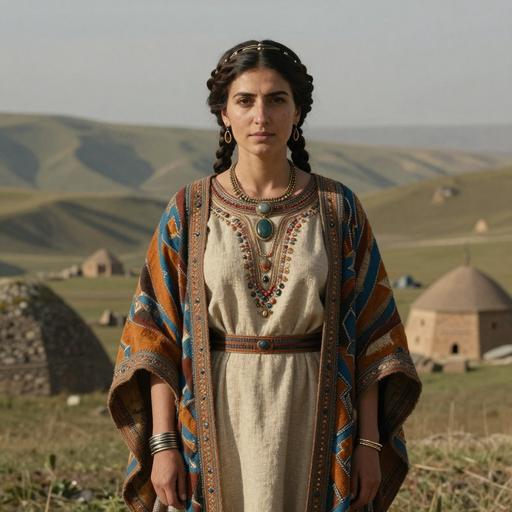
Archaeological excavations at Lchashen reveal a community engaged in the lifeways typical of the Armenian Highlands in the Late Bronze Age: mixed farming, pastoralism, and craft production with strong ritual investment in burial practice. Grave architecture and associated objects—ceramics, metal fragments, and personal ornaments—suggest social differentiation and the importance of funerary display in expressing identity.

The cemetery context allows a rare intimate view of people’s lives: burial placement, body orientation, and the presence or absence of goods hint at kinship and status distinctions. Combined with isotopic studies elsewhere in the region (where available), such cemeteries can indicate mobility patterns between highland valleys and surrounding pastures. For Lchashen specifically, the archaeological picture supports long-term occupation and social networks that tied communities across the Armenian highlands and beyond.

While funerary evidence can suggest wealth differences and trade connections, direct inferences about language or precise social organization remain tentative. The biological data from the cemetery complement material culture by showing who was buried here, but cannot on its own reconstruct daily routines or institutions without broader comparative datasets.

  • Burials show ritual investment and social differentiation
  • Material culture points to mixed farming, craft production, and regional connections
Capítulo V

Genetic Profile

The genetic dataset for Armeniahashen_LBA includes 13 individuals from a single cemetery (Lchashen). Mitochondrial DNA shows a predominance of haplogroup H (4 individuals), with additional lineages N (2), T2h (2), H20 (1) and W (1). These mtDNA types are widespread across Bronze Age and later West Eurasia, indicating maternal ancestries that share broad affinity with neighboring highland and Anatolian populations.

No common Y-DNA haplogroups are reported for this sample set, so paternal lineages remain unresolved in this release. The absence of paternal resolution limits inferences about patrilineal continuity, migration directionality, or male-driven demographic events. Nevertheless, the mtDNA distribution supports the idea of maternal continuity or long-term local incorporation of common West Eurasian maternal lineages during the Late Bronze Age in the Armenian Highlands.

Genetic evidence should be read alongside archaeology: 13 samples provide meaningful signals but represent a modest, geographically concentrated dataset. Broader sampling across sites and inclusion of genome-wide and Y-chromosome data would strengthen conclusions about demographic processes, mobility, and possible connections to later populations such as Iron Age and historic Armenian groups.

  • MtDNA dominated by H, with N, T2h, H20, W present
  • Y-chromosome data not reported — limits paternal lineage interpretation
Capítulo VI

Legacy & Modern Connections

Archaeological continuity at sites like Lchashen and the West Eurasian composition of maternal lineages suggest threads of biological and cultural continuity in the Armenian Highlands from the Late Bronze Age onward. Genetic affinities seen in mtDNA echo patterns observed across Bronze Age West Eurasia and may be one element in the complex tapestry that contributes to later population structure in the region.

However, drawing direct lines from these 13 individuals to modern populations requires caution. Population dynamics over the last three millennia—movements, cultural shifts, and gene flow—are complex. The Armeniahashen_LBA data provide evocative snapshots: they anchor stories of ancestry in real people from Lchashen while highlighting the need for more comprehensive genome-wide and paternal data to clarify long-term continuity and change.

  • Maternal lineages align with broader West Eurasian Bronze Age diversity
  • Direct links to modern populations are plausible but require more data
Capítulo VII

Catálogo de amostras

13 amostras de DNA antigo associadas à cultura Lchashen Voices: Armeniahashen LBA fornecem dados de referência sobre as populações desse período.

13 / 13 amostras
Retrato Mostrar País Época Data Cultura Sexo DNA-Y ADNmt
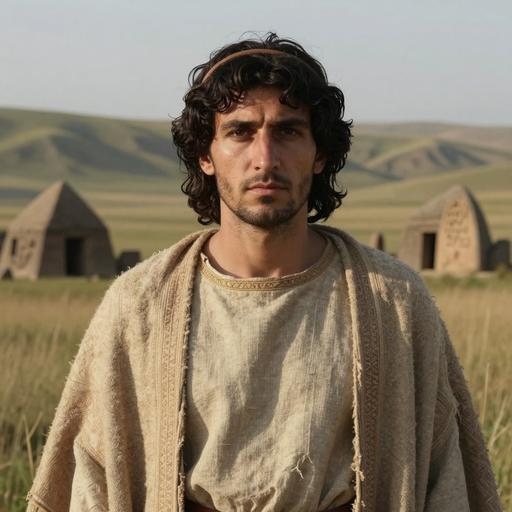
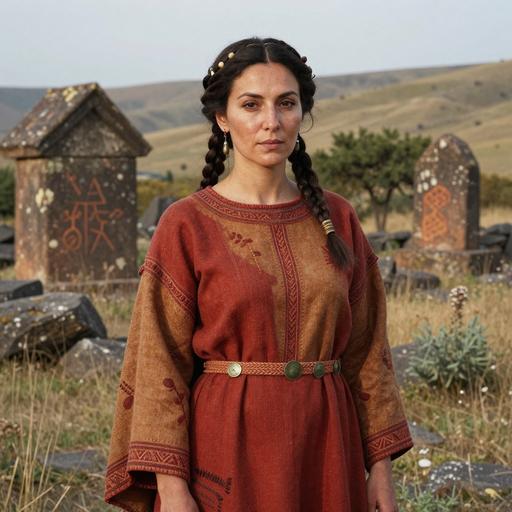
Retrato reconstruído de Lchashen LBA individual, Armenia
Lchashen LBA individual, Armenia
Armenia Armeniahashen_LBA 1450-1250 BCE Ancient Near Eastern Civilization M I-Y16419 N1b1a3
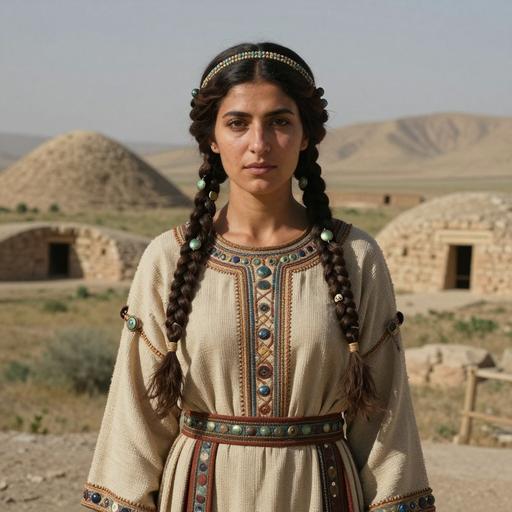
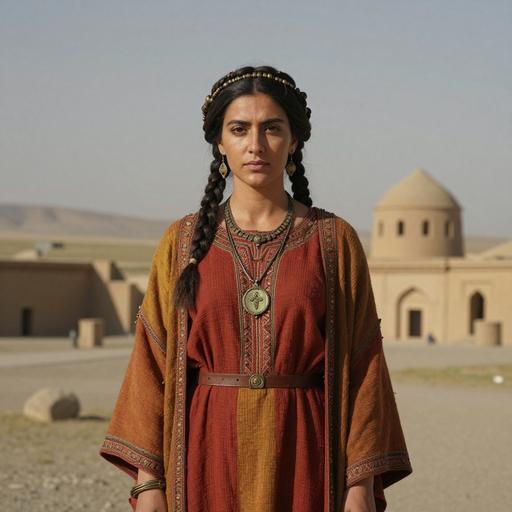
Retrato reconstruído de Lchashen LBA individual, Armenia
Lchashen LBA individual, Armenia
Armenia Armeniahashen_LBA 1450-1250 BCE Ancient Near Eastern Civilization F - W1+119
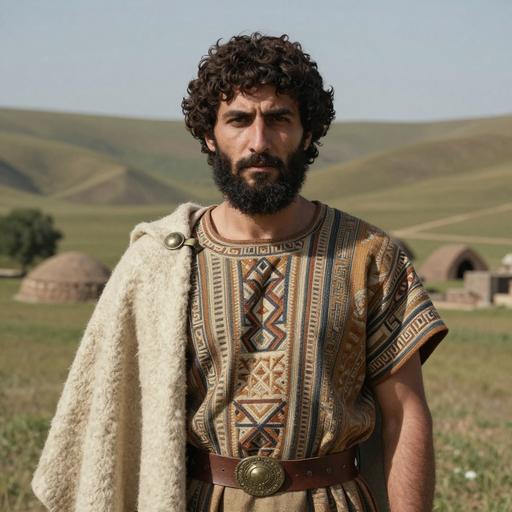
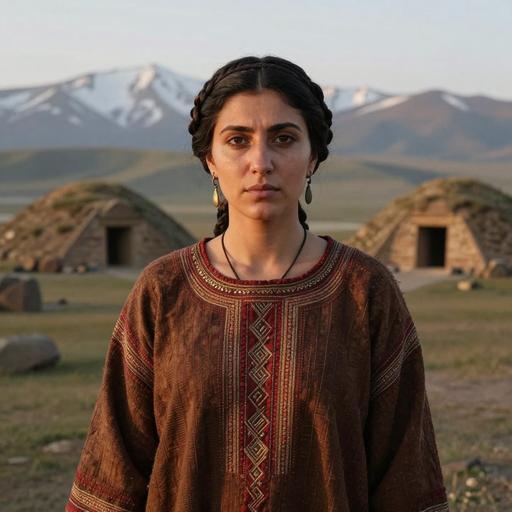
Retrato reconstruído de Lchashen LBA individual, Armenia
Lchashen LBA individual, Armenia
Armenia Armeniahashen_LBA 1450-1250 BCE Ancient Near Eastern Civilization F - U2e2a1
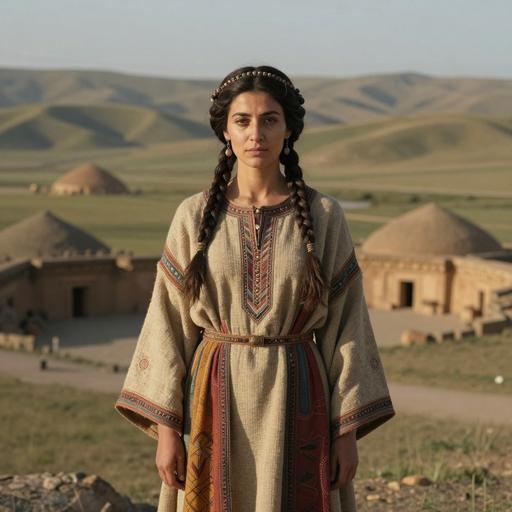
Retrato reconstruído de Lchashen LBA individual, Armenia
Lchashen LBA individual, Armenia
Armenia Armeniahashen_LBA 1450-1250 BCE Ancient Near Eastern Civilization M I-Y16419 H13a1a2
Retrato reconstruído de Lchashen LBA individual, Armenia
Lchashen LBA individual, Armenia
Armenia Armeniahashen_LBA 1450-1250 BCE Ancient Near Eastern Civilization F - H3+152
Retrato reconstruído de Lchashen LBA EIA individual, Armenia
Lchashen LBA EIA individual, Armenia
Armenia Armeniahashen_LBA 1250-1150 BCE Ancient Near Eastern Civilization F - H4a1a1a
Retrato reconstruído de Lchashen LBA individual, Armenia
Lchashen LBA individual, Armenia
Armenia Armeniahashen_LBA 1450-1250 BCE Ancient Near Eastern Civilization F - N1b1a3
Retrato reconstruído de Lchashen LBA individual, Armenia
Lchashen LBA individual, Armenia
Armenia Armeniahashen_LBA 1450-1250 BCE Ancient Near Eastern Civilization F - T2h
Retrato reconstruído de Lchashen LBA individual, Armenia
Lchashen LBA individual, Armenia
Armenia Armeniahashen_LBA 1450-1250 BCE Ancient Near Eastern Civilization F - H20
Retrato reconstruído de Lchashen LBA individual, Armenia
Lchashen LBA individual, Armenia
Armenia Armeniahashen_LBA 1450-1250 BCE Ancient Near Eastern Civilization F - T2h
Com IA

Assistente de IA

Haz preguntas sobre la cultura Lchashen Voices: Armeniahashen LBA

Assistente de IA por DNAGENICS

Desbloquear esta função
Pregunta sobre la cultura Lchashen Voices: Armeniahashen LBA. El asistente con IA puede explicar hallazgos genéticos, contexto histórico, pruebas arqueológicas y conexiones modernas, con sus límites de interpretación.
Exemplo de análise com IA

La cultura Lchashen Voices: Armeniahashen LBA representa un capítulo de la historia humana...

A análise genética permite estudar semelhanças com populações anteriores e possíveis adaptações. As amostras de DNA antigo fornecem informações para investigar padrões migratórios e relações entre populações, com limites que dependem do estudo e do contexto arqueológico.

Esta é uma antevisão da análise com IA. Aceder ao assistente completo para explorar informações sobre:

  • Composição e similaridade genética
  • Padrões migratórios e origens
  • Vida cotidiana e práticas culturais
  • Contexto genético moderno

Explore mais culturas antigas

Descubra a história de civilizações de diferentes partes do mundo antigo