|
|
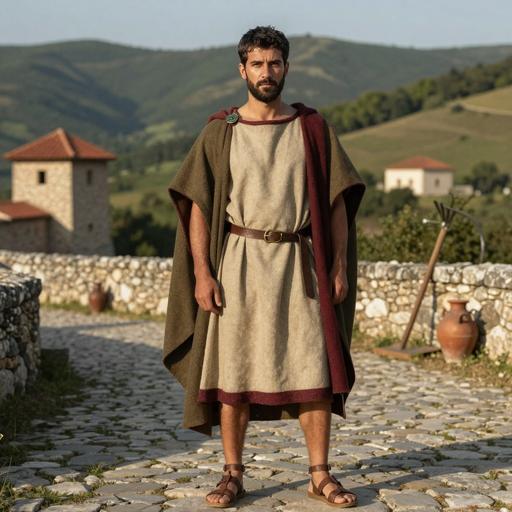
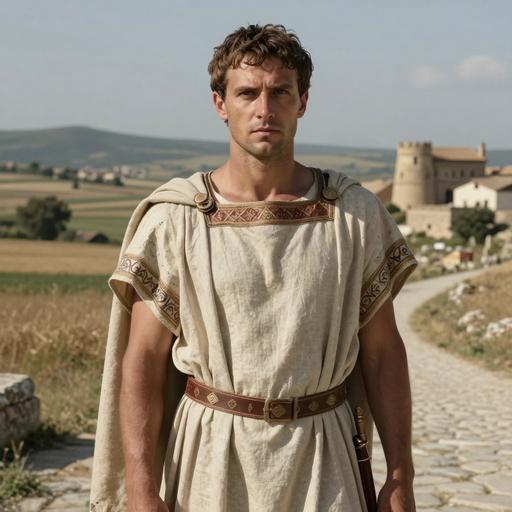
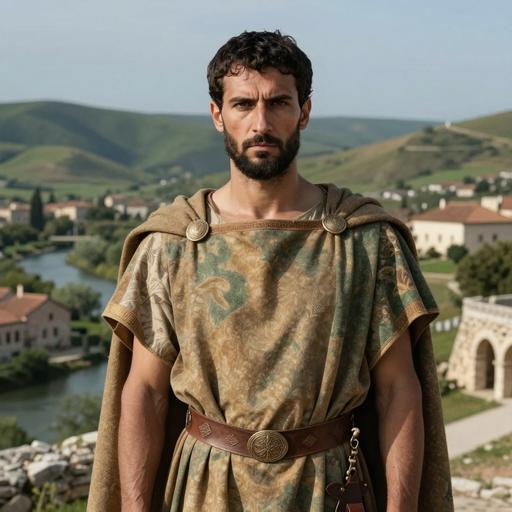
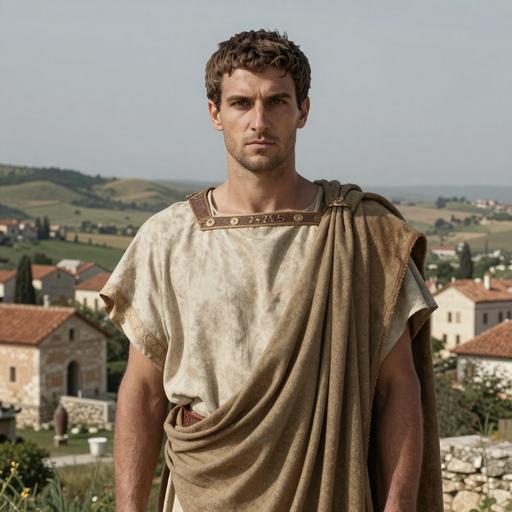
Roman individual, Serbia
|
Serbia |
Serbia_Roman |
100 CE |
Roman |
U
|
-
|
H
|
|
|
Late Antiquity Imperial Roman individual, Serbia
|
Serbia |
Serbia_Roman |
1-400 CE |
Roman |
F
|
-
|
T2
|
|
|
Imperial Roman individual, Serbia
|
Serbia |
Serbia_Roman |
200-300 CE |
Roman |
F
|
-
|
T1a
|
|
|
Imperial Roman individual, Serbia
|
Serbia |
Serbia_Roman |
200-300 CE |
Roman |
F
|
-
|
H41a
|
|
|
Imperial Roman individual, Serbia
|
Serbia |
Serbia_Roman |
200-300 CE |
Roman |
M
|
G-Y140827
|
H
|
|
|
Late Antiquity Imperial Roman individual, Serbia
|
Serbia |
Serbia_Roman |
1-400 CE |
Roman |
M
|
E-CTS1273
|
H6b
|
|
|
Late Antiquity Imperial Roman individual, Serbia
|
Serbia |
Serbia_Roman |
1-400 CE |
Roman |
M
|
E-P177
|
H7
|
|
|
Late Antiquity Imperial Roman individual, Serbia
|
Serbia |
Serbia_Roman |
241-362 calCE (1755±20 BP, PSUAMS-9557) |
Roman |
M
|
R-L20
|
H7
|
|
|
Late Antiquity Imperial Roman individual, Serbia
|
Serbia |
Serbia_Roman |
1-400 CE |
Roman |
M
|
-
|
H8c
|
|
|
Late Antiquity Imperial Roman individual, Serbia
|
Serbia |
Serbia_Roman |
1-400 CE |
Roman |
F
|
-
|
H5a2
|
|
|
Late Antiquity Imperial Roman individual, Serbia
|
Serbia |
Serbia_Roman |
1-400 CE |
Roman |
M
|
E-CTS9320
|
H49
|
|
|
Imperial Roman individual, Serbia
|
Serbia |
Serbia_Roman |
200-300 CE |
Roman |
F
|
-
|
T2b+16362
|
|
|
Imperial Roman individual, Serbia
|
Serbia |
Serbia_Roman |
100-300 CE |
Roman |
M
|
-
|
J1c
|
|
|
Late Antiquity Imperial Roman individual, Serbia
|
Serbia |
Serbia_Roman |
1-400 CE |
Roman |
M
|
R1a
|
H36
|
|
|
Imperial Roman-o Africa individual, Serbia
|
Serbia |
Serbia_Roman |
80-215 calCE (1895±20 BP, PSUAMS-8552) |
Roman |
M
|
E-V32
|
L2a1j
|
|
|
Imperial Roman individual, Serbia
|
Serbia |
Serbia_Roman |
129-247 calCE (1835±20 BP, PSUAMS-8560) |
Roman |
F
|
-
|
R0a1a
|
|
|
Roman individual, Serbia
|
Serbia |
Serbia_Roman |
1 CE |
Roman |
U
|
-
|
J1c1
|
|
|
Imperial Roman individual, Serbia
|
Serbia |
Serbia_Roman |
215-326 calCE (1800±20 BP, PSUAMS-13191) |
Roman |
M
|
E-Y125311
|
U3a2a1
|
|
|
Imperial Roman individual, Serbia
|
Serbia |
Serbia_Roman |
100-200 CE |
Roman |
F
|
-
|
U5a2c
|
|
|
Imperial Roman individual, Serbia
|
Serbia |
Serbia_Roman |
200-300 CE |
Roman |
M
|
E-FGC33614
|
H47a
|
|
|
Imperial Roman individual, Serbia
|
Serbia |
Serbia_Roman |
100-300 CE |
Roman |
M
|
-
|
J1d1a1
|
|
|
Imperial Roman individual, Serbia
|
Serbia |
Serbia_Roman |
200-300 CE |
Roman |
M
|
E-A2192
|
K1c2
|
|
|
Imperial Roman individual, Serbia
|
Serbia |
Serbia_Roman |
200-300 CE |
Roman |
F
|
-
|
W6
|
|
|
Late Antiquity Imperial Roman individual, Serbia
|
Serbia |
Serbia_Roman |
1-400 CE |
Roman |
F
|
-
|
I4b
|
|
|
Late Antiquity Imperial Roman individual, Serbia
|
Serbia |
Serbia_Roman |
1-400 CE |
Roman |
M
|
G-PF3148
|
H26a1
|
|
|
Late Antiquity Imperial Roman individual, Serbia
|
Serbia |
Serbia_Roman |
1-400 CE |
Roman |
M
|
CT
|
H
|
|
|
Late Antiquity Imperial Roman individual, Serbia
|
Serbia |
Serbia_Roman |
1-400 CE |
Roman |
M
|
-
|
X2+225
|
|
|
Imperial Roman individual, Serbia
|
Serbia |
Serbia_Roman |
150-200 CE |
Roman |
M
|
E-CTS9320
|
H8c
|
|
|
Late Antiquity Imperial Roman individual, Serbia
|
Serbia |
Serbia_Roman |
1-400 CE |
Roman |
F
|
-
|
U4a2a
|
|
|
Late Antiquity Imperial Roman individual, Serbia
|
Serbia |
Serbia_Roman |
1-400 CE |
Roman |
M
|
R-M269
|
K1a3a
|
|
|
Imperial Roman individual, Serbia
|
Serbia |
Serbia_Roman |
127-233 calCE (1860±20 BP, PSUAMS-13192) |
Roman |
M
|
G-L30
|
H13a1a1
|
|
|
Imperial Roman individual, Serbia
|
Serbia |
Serbia_Roman |
124-228 calCE (1870±20 BP, PSUAMS-8590) |
Roman |
M
|
J-L70
|
HV
|
|
|
Imperial Roman individual, Serbia
|
Serbia |
Serbia_Roman |
211-326 calCE (1805±20 BP, PSUAMS-9558) |
Roman |
M
|
E-FGC33614
|
U2e1a1
|
|
|
Imperial Roman individual, Serbia
|
Serbia |
Serbia_Roman |
100-300 CE |
Roman |
F
|
-
|
R0a2d
|
|
|
Imperial Roman individual, Serbia
|
Serbia |
Serbia_Roman |
207-326 calCE (1810±20 BP, PSUAMS-9559) |
Roman |
M
|
R-Z645
|
U5b2b
|
|
|
Imperial Roman individual, Serbia
|
Serbia |
Serbia_Roman |
130-237 calCE (1850±15 BP, PSUAMS-9560) |
Roman |
M
|
G-CTS342
|
H
|
|
|
Imperial Roman individual, Serbia
|
Serbia |
Serbia_Roman |
200-300 CE |
Roman |
F
|
-
|
H
|
|
|
Imperial Roman individual, Serbia
|
Serbia |
Serbia_Roman |
200-300 CE |
Roman |
M
|
CT
|
H+152
|
|
|
Imperial Roman individual, Serbia
|
Serbia |
Serbia_Roman |
200-300 CE |
Roman |
M
|
I-Y16419
|
HV9+152
|
|
|
Imperial Roman individual, Serbia
|
Serbia |
Serbia_Roman |
100-300 CE |
Roman |
M
|
E-CTS1273
|
H13a1a1
|
|
|
Imperial Roman individual, Serbia
|
Serbia |
Serbia_Roman |
215-326 calCE (1800±20 BP, PSUAMS-9561) |
Roman |
M
|
E-PH3893
|
H13a2b2
|
|
|
Imperial Roman individual, Serbia
|
Serbia |
Serbia_Roman |
70-208 calCE (1910±20 BP, PSUAMS-8553) |
Roman |
M
|
R-U106
|
H30b1
|
|
|
Imperial Roman individual, Serbia
|
Serbia |
Serbia_Roman |
80-215 calCE (1895±20 BP, PSUAMS-9562) |
Roman |
F
|
-
|
T1a1n
|
|
|
Imperial Roman individual, Serbia
|
Serbia |
Serbia_Roman |
100-200 CE |
Roman |
M
|
J-BY94
|
H11a2
|
|
|
Imperial Roman individual, Serbia
|
Serbia |
Serbia_Roman |
100-200 CE |
Roman |
F
|
-
|
K1a2a
|
|
|
Late Antiquity Imperial Roman individual, Serbia
|
Serbia |
Serbia_Roman |
258-413 calCE (1700±20 BP, PSUAMS-8554) |
Roman |
M
|
I1
|
H10a1
|
|
|
Late Antiquity Imperial Roman individual, Serbia
|
Serbia |
Serbia_Roman |
300-400 CE |
Roman |
M
|
T-L131
|
J2b1c
|
|
|
Late Antiquity Imperial Roman individual, Serbia
|
Serbia |
Serbia_Roman |
246-365 calCE (1745±15 BP, PSUAMS-8591) |
Roman |
M
|
R-Z2122
|
V1a1
|
|
|
Late Antiquity Imperial Roman individual, Serbia
|
Serbia |
Serbia_Roman |
237-348 calCE (1765±20 BP, PSUAMS-9563) |
Roman |
F
|
-
|
H5
|
|
|
Late Antiquity Imperial Roman individual, Serbia
|
Serbia |
Serbia_Roman |
255-409 calCE (1715±20 BP, PSUAMS-9564) |
Roman |
F
|
-
|
H1b
|
|
|
Late Antiquity Imperial Roman individual, Serbia
|
Serbia |
Serbia_Roman |
1-400 CE |
Roman |
M
|
G-L497
|
U5a1j
|
|
|
Roman Late Antiquity individual, Serbia
|
Serbia |
Serbia_Roman |
261-418 calCE (1685±20 BP, PSUAMS-8725) |
Roman |
M
|
E-Y3762
|
HV9
|
|
|
Roman Late Antiquity individual, Serbia
|
Serbia |
Serbia_Roman |
417-538 calCE (1610±15 BP, PSUAMS-8556) |
Roman |
M
|
I-S2169
|
H1
|
|
|
Roman Late Antiquity individual, Serbia
|
Serbia |
Serbia_Roman |
350-450 CE |
Roman |
M
|
J-Z1043
|
L2a1+143+16189 (16192)
|
|
|
Roman Late Antiquity individual, Serbia
|
Serbia |
Serbia_Roman |
350-450 CE |
Roman |
M
|
J-L283
|
H+152
|
|
|
Roman Late Antiquity individual, Serbia
|
Serbia |
Serbia_Roman |
350-450 CE |
Roman |
M
|
J-Z1043
|
W+194
|
|
|
Roman Late Antiquity individual, Serbia
|
Serbia |
Serbia_Roman |
242-375 calCE (1750±20 BP, PSUAMS-8561) |
Roman |
M
|
R-M269
|
T1a
|
|
|
Roman Late Antiquity individual, Serbia
|
Serbia |
Serbia_Roman |
350-450 CE |
Roman |
M
|
R-CTS1450
|
H1c
|
|
|
Roman Late Antiquity individual, Serbia
|
Serbia |
Serbia_Roman |
350-400 CE |
Roman |
M
|
E-CTS1273
|
T2b25
|
|
|
Roman Late Antiquity individual, Serbia
|
Serbia |
Serbia_Roman |
400-450 CE |
Roman |
M
|
E-BY3880
|
H
|
|
|
Roman Late Antiquity individual, Serbia
|
Serbia |
Serbia_Roman |
400-450 CE |
Roman |
M
|
G-FGC12126
|
X2i+@225
|
|
|
Roman Late Antiquity individual, Serbia
|
Serbia |
Serbia_Roman |
350-450 CE |
Roman |
M
|
I-Y3259
|
H10d
|
|
|
Imperial Roman African individual, Serbia
|
Serbia |
Serbia_Roman |
25-203 calCE (1930±20 BP, PSUAMS-11950) |
Roman |
F
|
-
|
T1a1b1
|
|
|
Imperial Roman individual, Serbia
|
Serbia |
Serbia_Roman |
100-300 CE |
Roman |
M
|
T-L208
|
V+@72
|