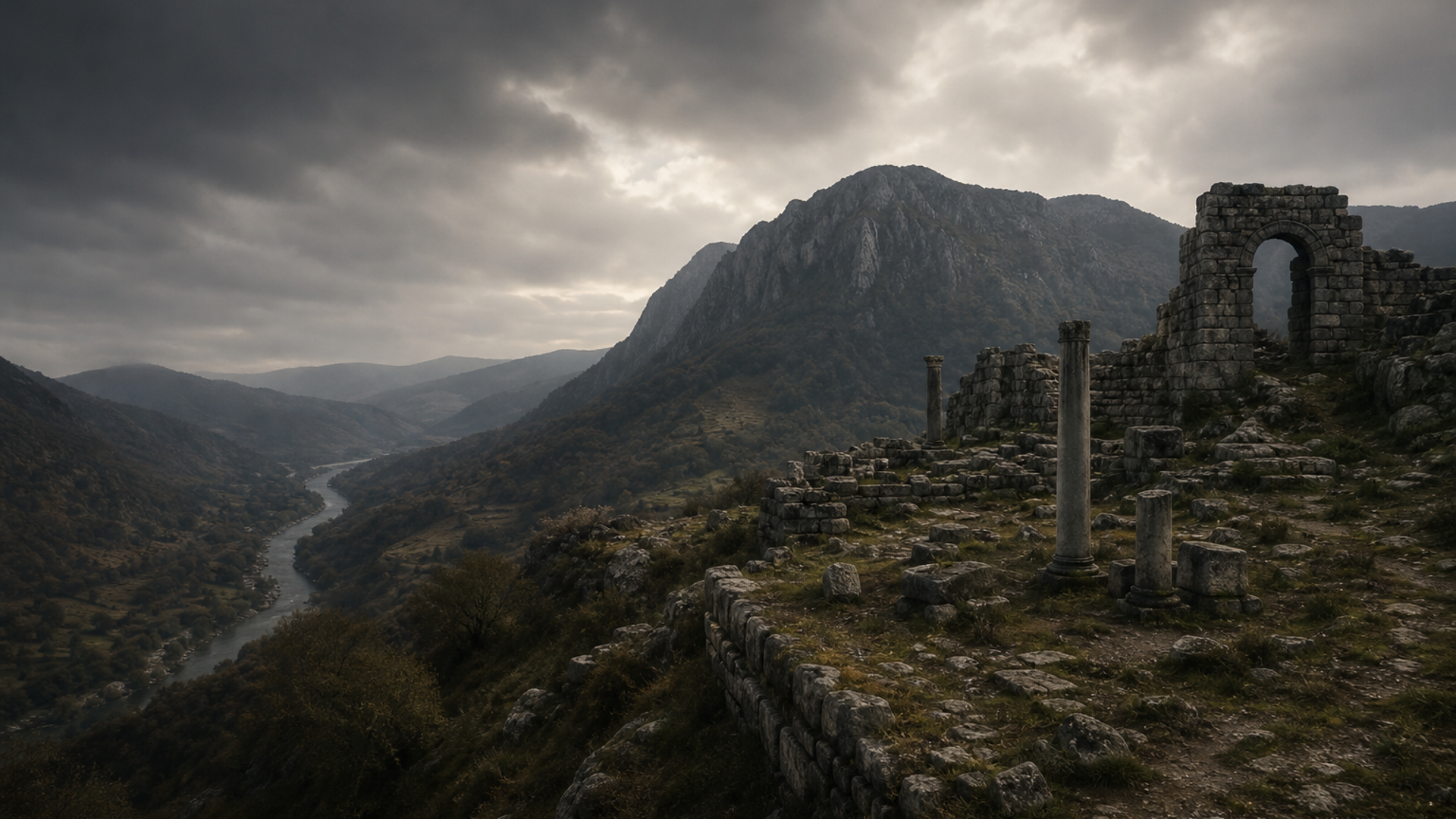
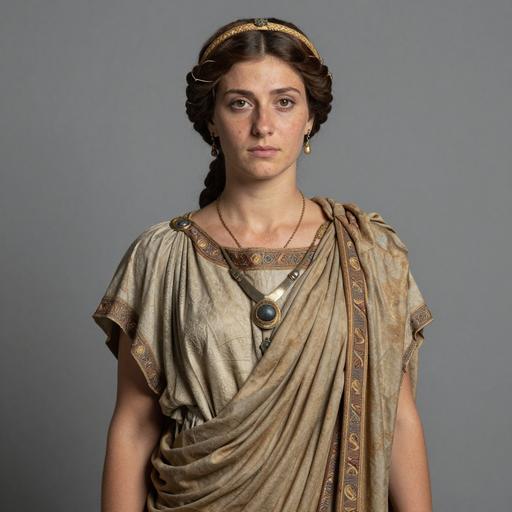
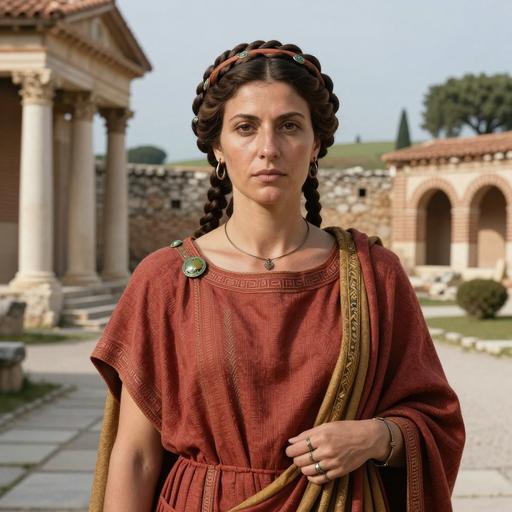
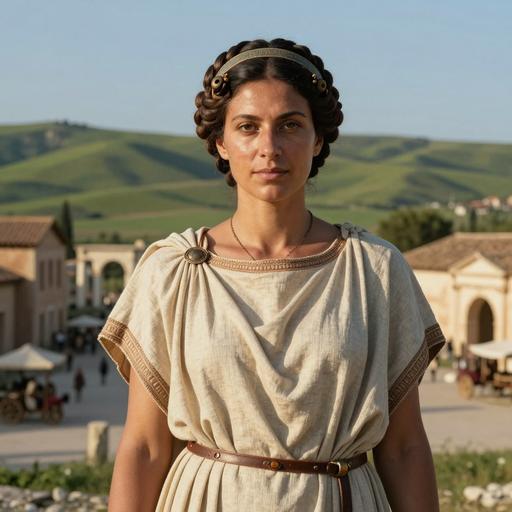
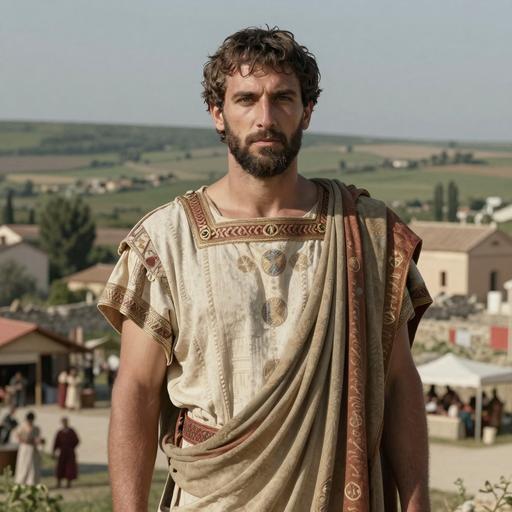
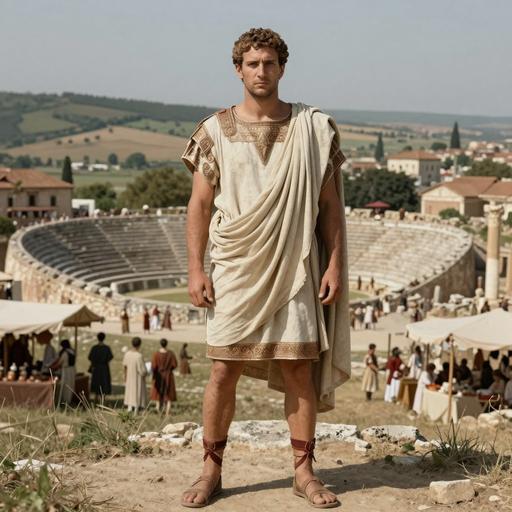
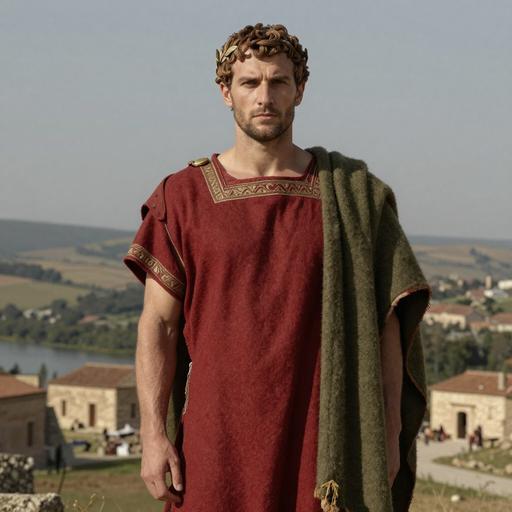
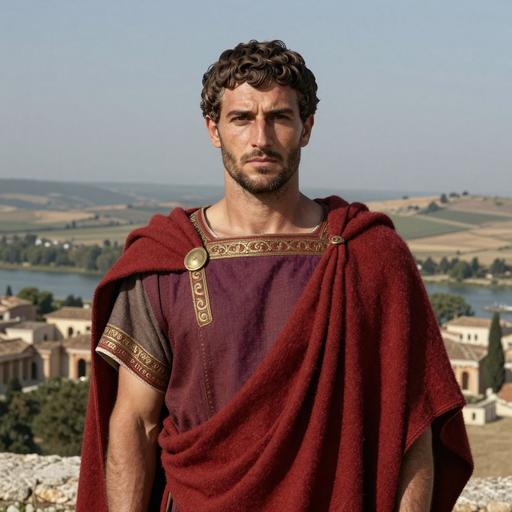
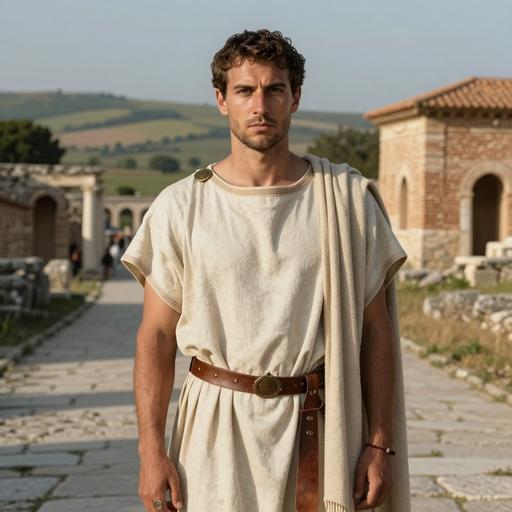
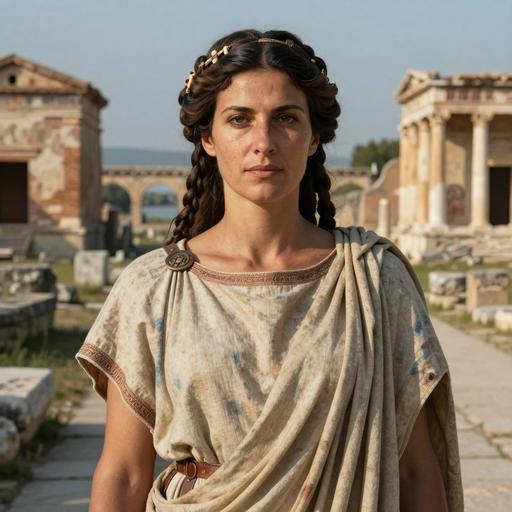
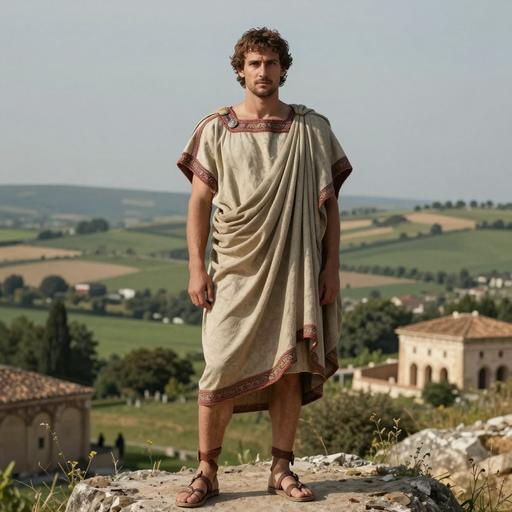
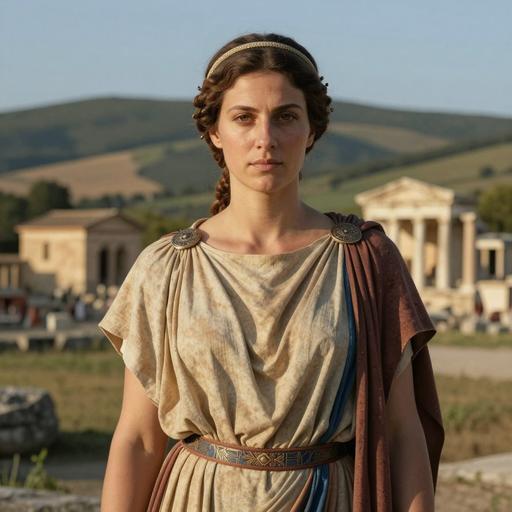
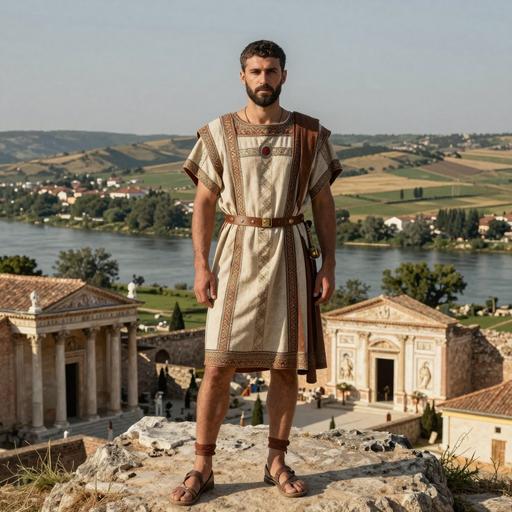
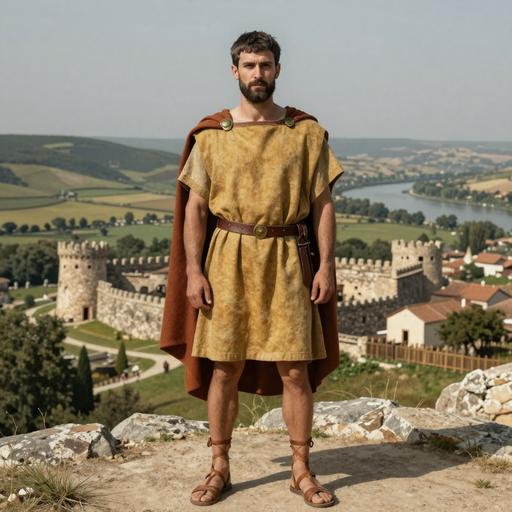
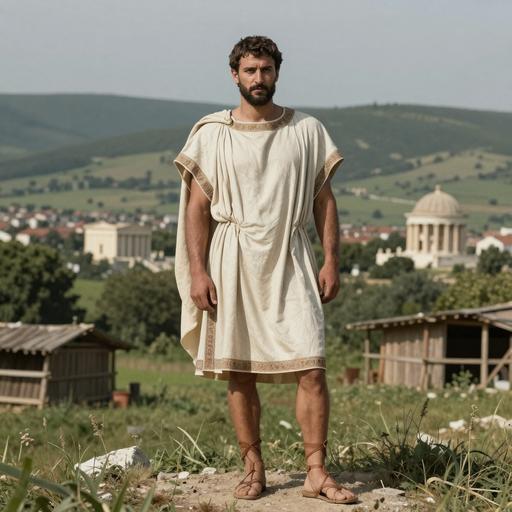
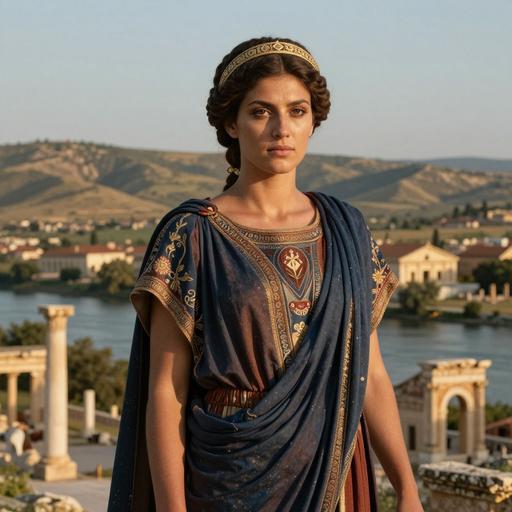
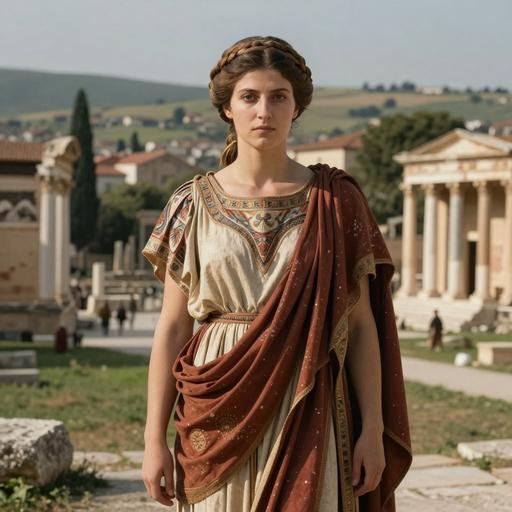
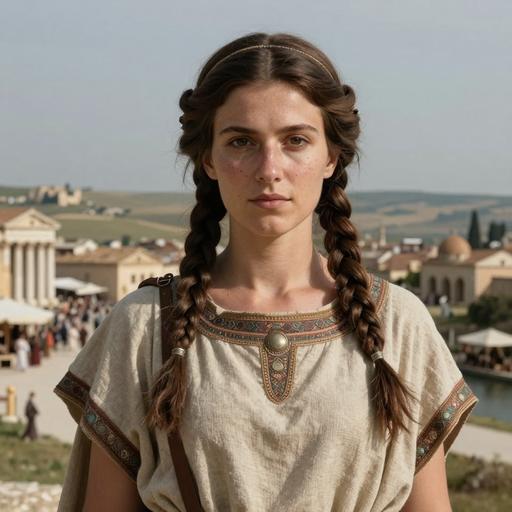
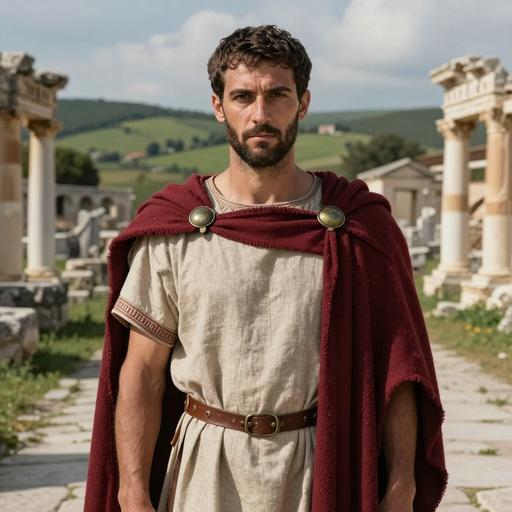
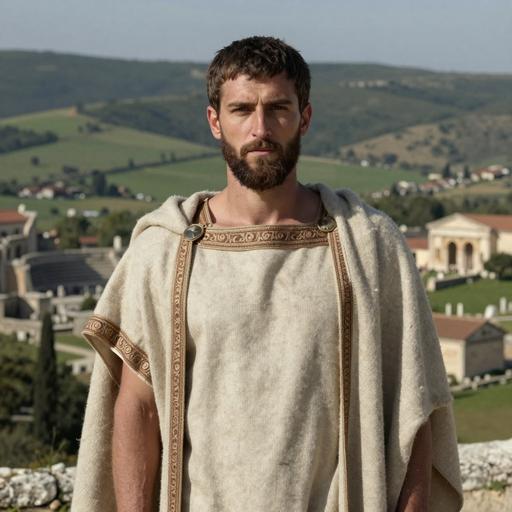
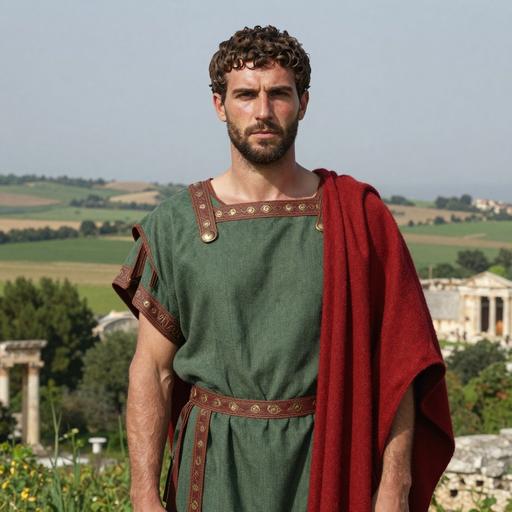
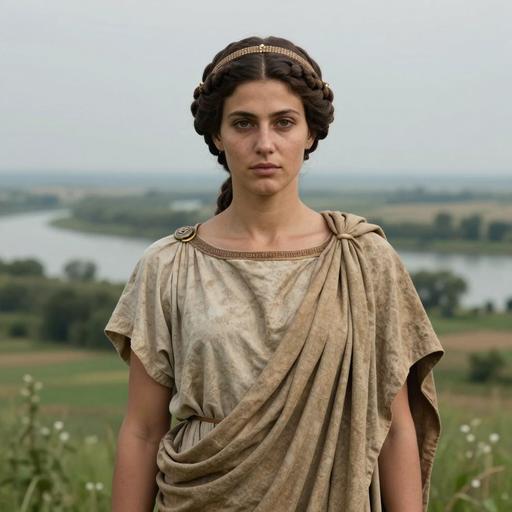
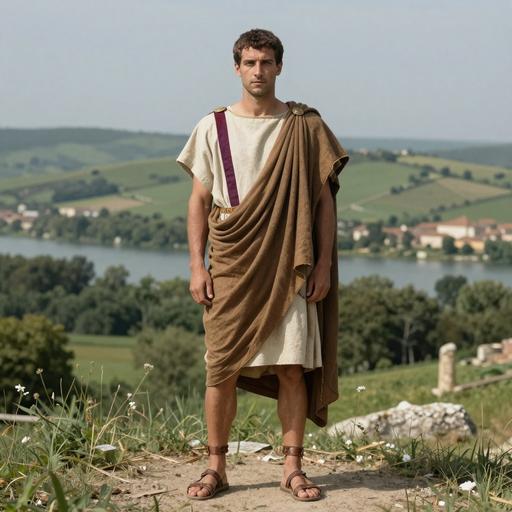
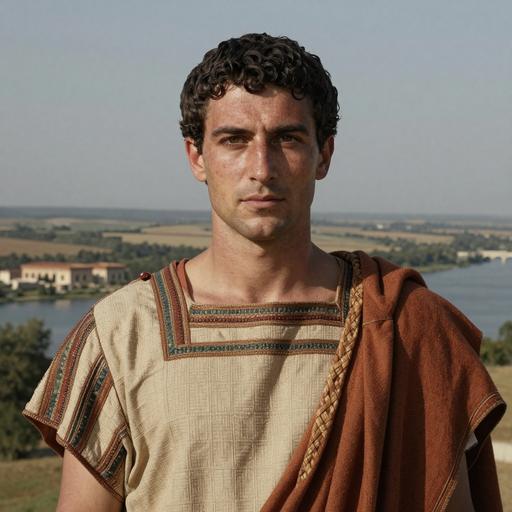
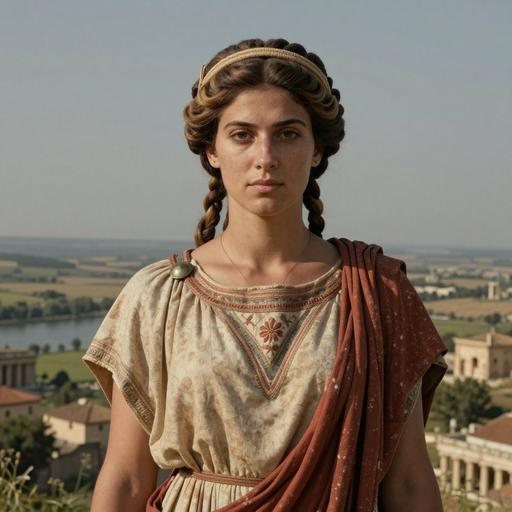
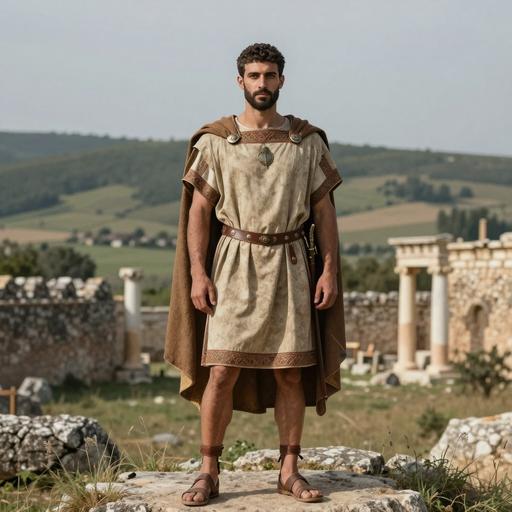
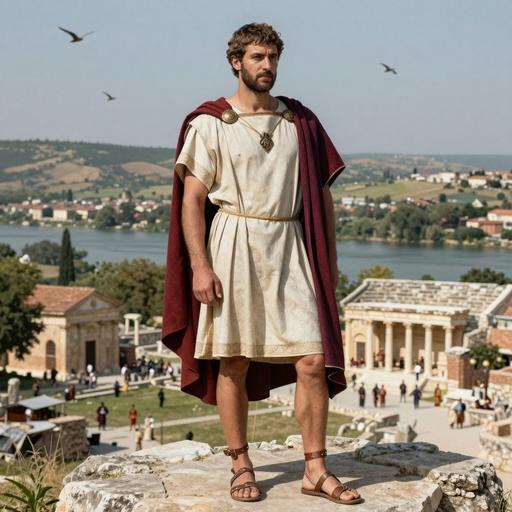
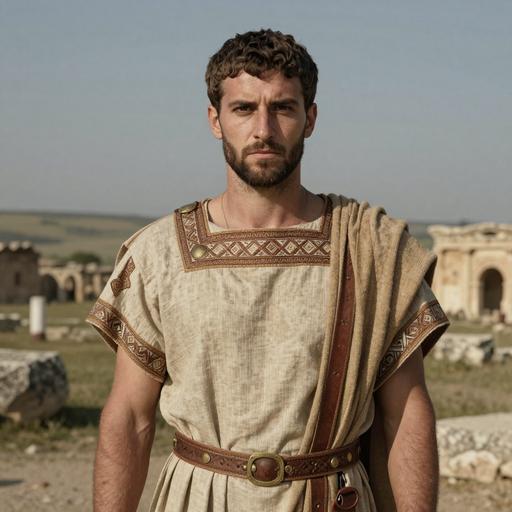
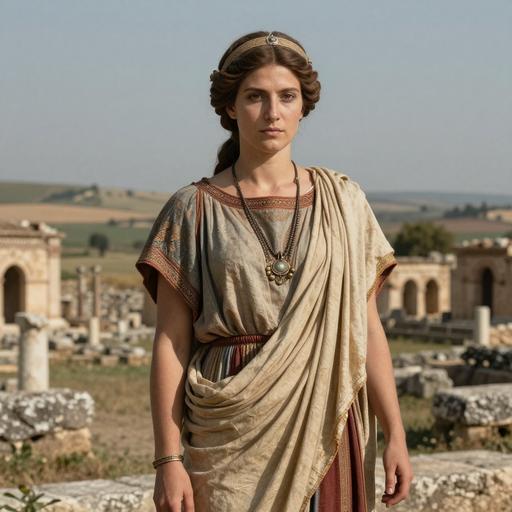
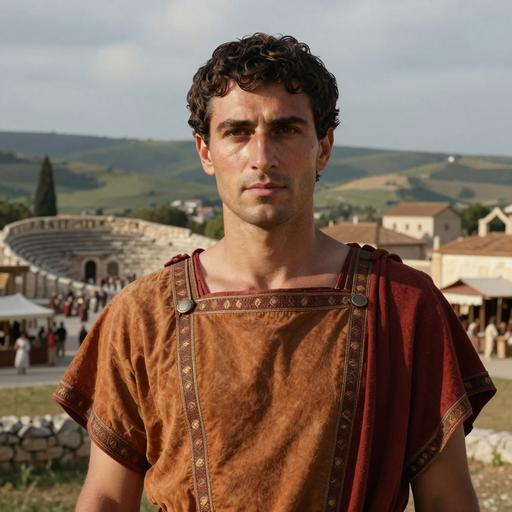
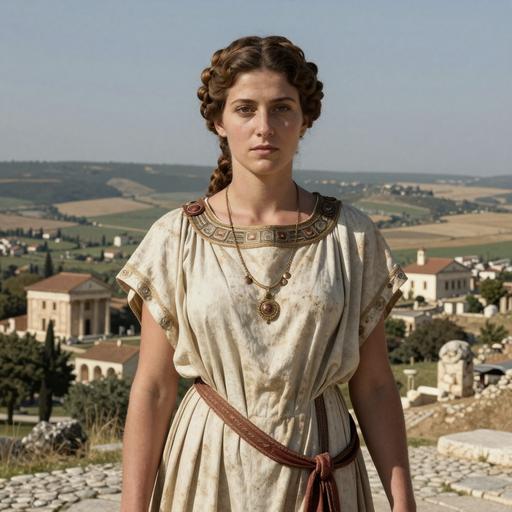
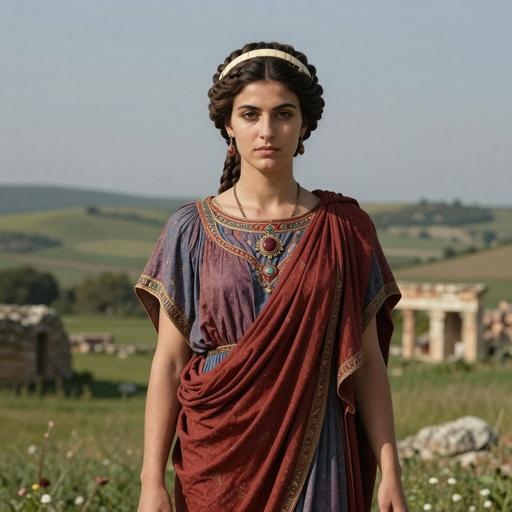
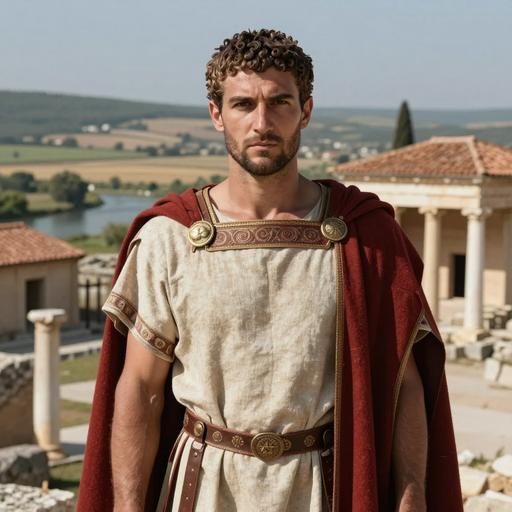
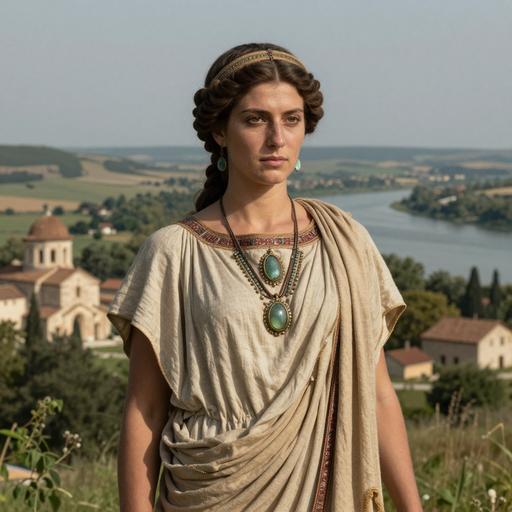
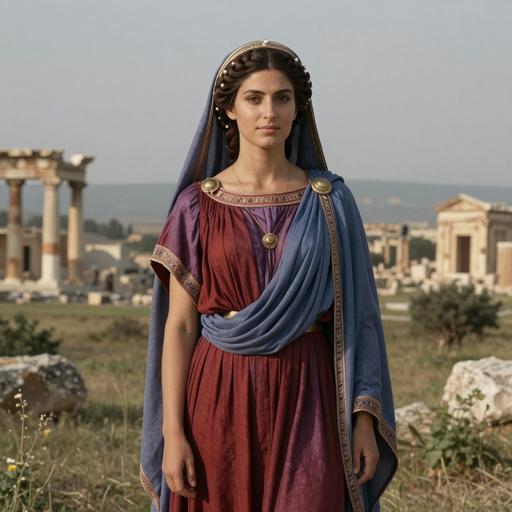
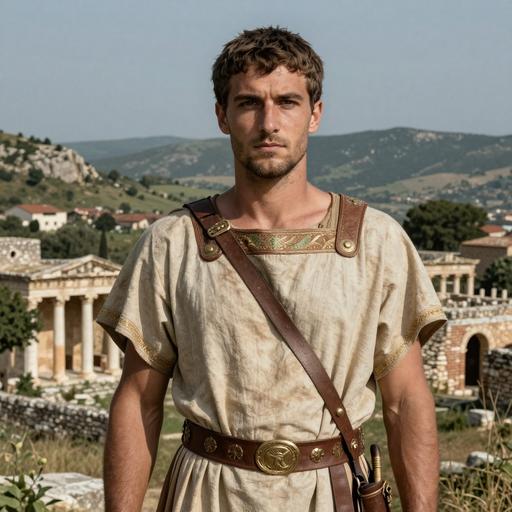
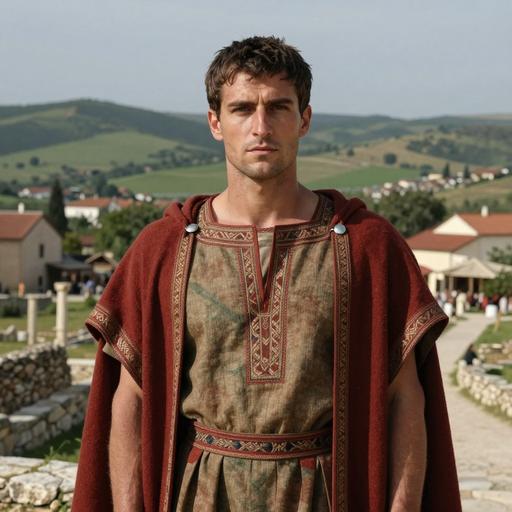
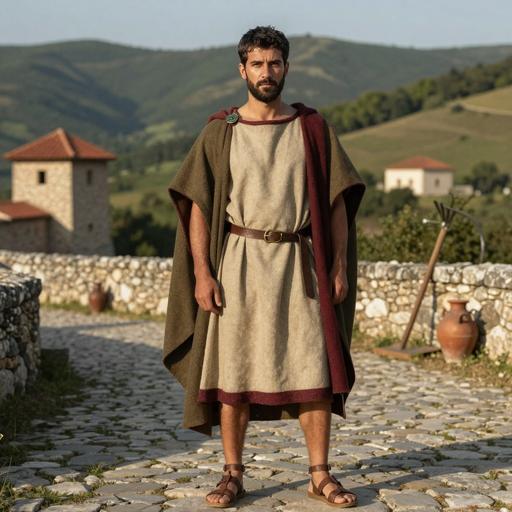
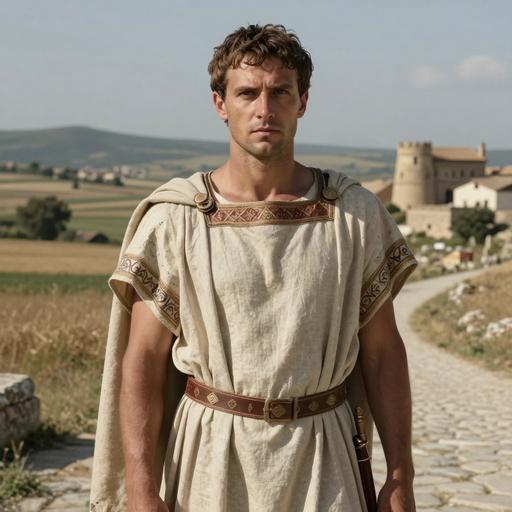
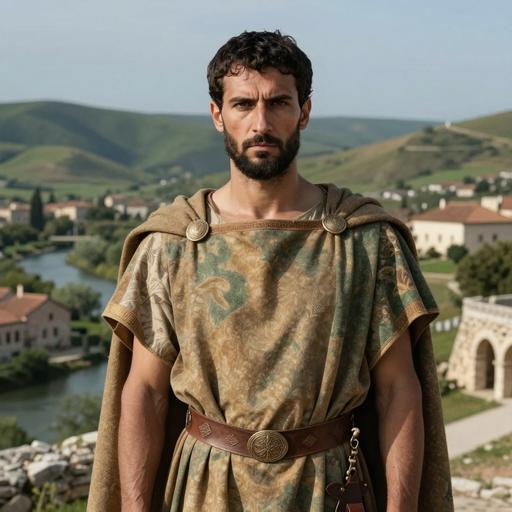
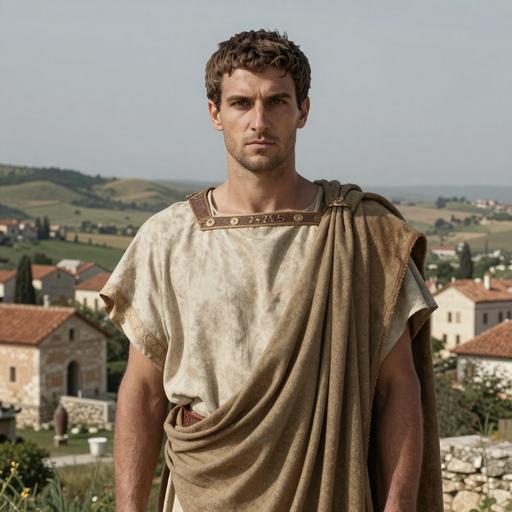
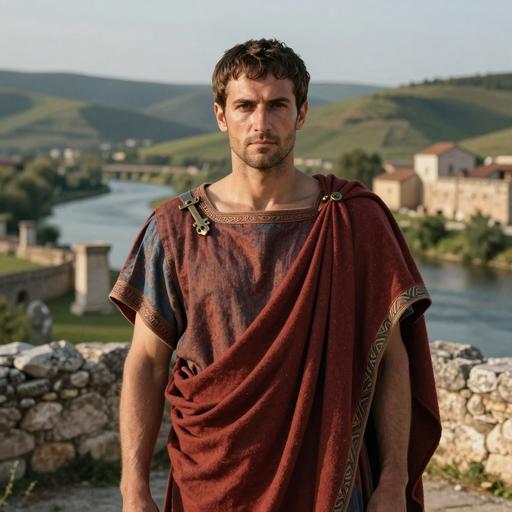
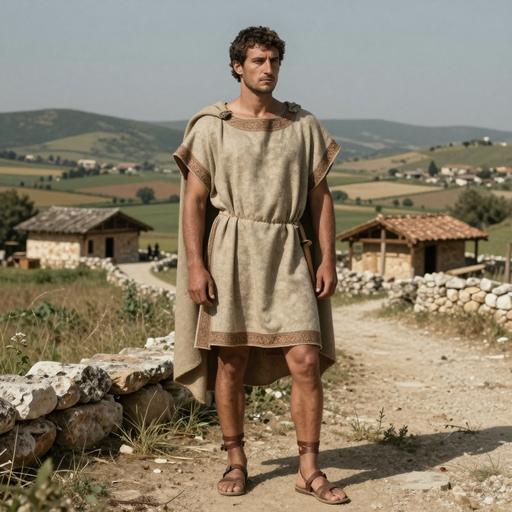
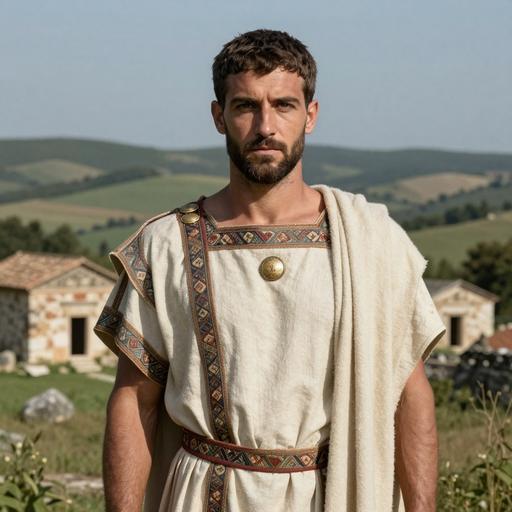
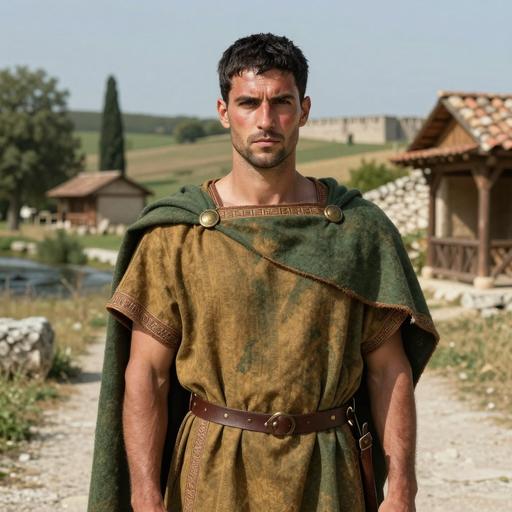
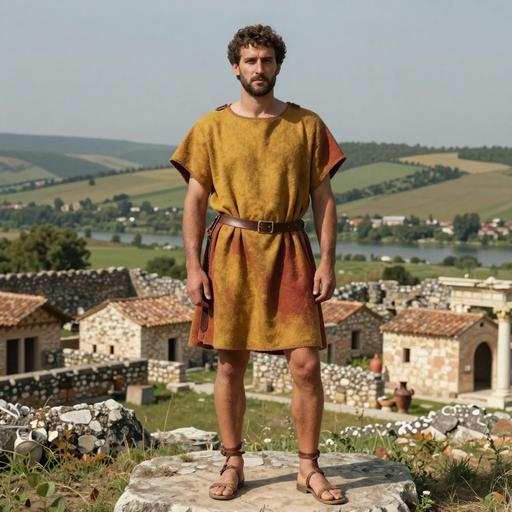
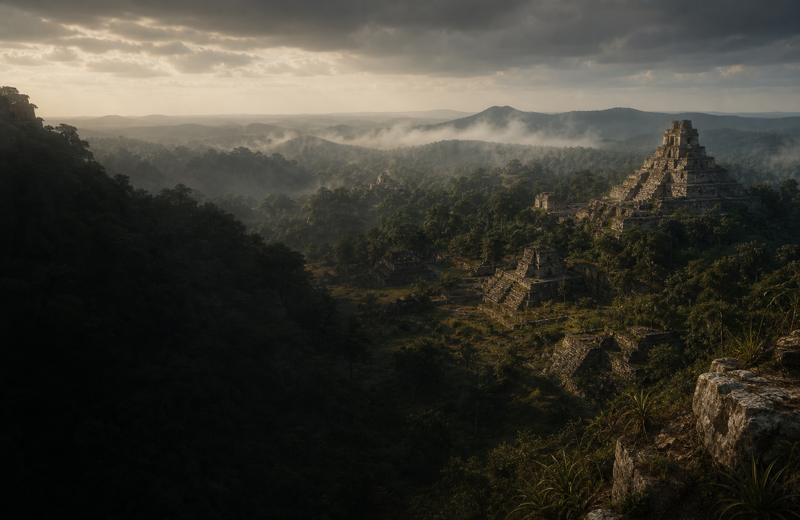
A concise, evidence-driven profile of Roman-era populations sampled in Serbia and Lazio (66 genomes, 1–538 CE), linking fortress towns like Viminacium and rural Casal Bertole to patterns of mobility, ancestry, and mitochondrial/Y-chromosome diversity across the Empire.
The interactive map is unavailable. Browse the sample catalog for recorded locations.
Timeline
27 BCE
Beginning of the Roman Empire
Octavian (Augustus) establishes imperial rule, setting administrative frameworks that shaped recruitment, settlement, and mobility across provinces including the Balkans.
106 CE
Trajan's Dacian Wars
Roman conquest of Dacia (modern Romania) increases troop movement and colonization in the Danubian frontier, impacting nearby centers like Viminacium.
271 CE
Roman Retrenchment and Population Shifts
Late 3rd-century crises and administrative changes provoke local demographic shifts and fortification reorganization along the Danube.
538 CE
End of Sample Range — Late Antique Transformations
By the mid-6th century, Justinianic wars and plague are transforming populations and settlement patterns across the Balkans and Italy.
Origins & Emergence
The Roman presence in the central Balkans and central Italy arose from centuries of regional interaction before and during imperial expansion. Archaeological data indicates that by the 1st century CE, sites such as Viminacium (near modern Kostolac, Serbia) functioned as legionary bases, urban centers, and hubs of long-distance trade, while Casal Bertole in Lazio sat within the hinterland of Rome itself. The sampled individuals date from 1–538 CE, a period that encompasses early imperial consolidation, the height of Roman control, and the late antique transformations of the 4th–6th centuries.
Material culture—fortification remains, grave goods, imported ceramics, and coin hoards—documents continual movement of people and goods. Limited evidence suggests some rural settlements reused earlier ritual landscapes (for example, the long-occupied locality of Lepenski Vir shows later Roman-era activity nearby), but the specifics of continuity are regionally variable. Archaeological stratigraphy at Viminacium reveals burials associated with military cemeteries and civilian neighborhoods, indicating a mixed population of soldiers, veterans, traders, and local inhabitants.
While historical sources paint the Empire as a cohesive political entity, osteoarchaeology and context-specific finds show localized practices and diverse life histories. Genetic sampling from these specific sites provides a biological snapshot: it captures mobility, admixture, and demographic shifts that complement the material record, but conclusions must be situated within the geographic and temporal limits of the 66 sampled genomes.
Viminacium: major Danubian legionary and urban center (Moesia Superior)
Casal Bertole: rural Lazio context tied to Rome's hinterland
Samples span early empire through the mid-6th century (1–538 CE)
Daily Life & Society
Archaeology paints Roman daily life here as layered and cinematic: soldiers marching along the Danube, merchants unloading amphorae, and rural families tending fields under imperial taxation. Excavations at Viminacium reveal baths, workshops, and cemeteries where grave goods range from military accoutrements to imported fine wares, indicating a population integrated into imperial economic networks. Casal Bertole's funerary evidence and domestic features reflect agricultural lifeways within reach of Rome's markets.
Skeletal analyses indicate varied diets and stress markers, pointing to social differentiation—some individuals show isotopic signatures consistent with diets rich in Mediterranean cereals and marine imports, others reflect more local terrestrial diets. Burial practices at the Danubian sites mix Roman rites with local expressions, a material echo of cultural blending. Lepenski Vir, though primarily known for earlier Mesolithic-Neolithic occupation, appears in the later record as a place reused or remembered in the landscape; archaeological data indicates continuity of place even when populations and practices changed.
These human stories—work, trade, belief—are the cultural backdrop against which the genetic data must be read. Biology and artifacts together help reconstruct migration, integration of soldiers and settlers, and the everyday consequences of empire.
Viminacium cemeteries show military and civilian burial traditions
Dietary isotopes and pathology reveal diverse subsistence and social roles
Genetic Profile
The dataset comprises 66 genomes dated 1–538 CE from Serbia and Italy (sites include Viminacium's multiple cemeteries and Casal Bertole near Rome, plus a locality record at Lepenski Vir). Y-chromosome diversity is notable: haplogroup E is the most frequent (15 samples), followed by R (7), G (6), J (5), and I (3). Mitochondrial lineages are dominated by H (17), with U (6), T (4), J (3), and K (3) also represented.
These patterns are consistent with a Mediterranean-influenced gene pool combined with regional Balkan ancestry. Haplogroup E on the male line—common in parts of the Mediterranean and North Africa—may reflect army movements, settlers, or long-distance trade links; haplogroups R, G, I, and J point to a mixture of local European and broader Eurasian lineages. Maternal haplogroups dominated by H and U align with widespread West Eurasian maternal ancestry typical of Europe during antiquity.
Genetic data corroborates archaeological evidence for mobility: military recruitment, veteran settlement, and mercantile networks would introduce and redistribute diverse ancestries. However, sampling is geographically focused (many samples from Viminacium), so regional prevalence across the entire Roman world cannot be inferred from this set alone. Where sample counts are modest for particular haplogroups (for example, I = 3), conclusions should be treated as preliminary and context-dependent. Future sampling across more civilian and rural sites would sharpen demographic models and timelines of admixture.
Y-DNA dominated by E (15) with R, G, J, I also present
mtDNA dominated by H (17); patterns suggest Mediterranean + Balkan ancestry
Legacy & Modern Connections
The genetic and archaeological imprint of Roman-era communities in Serbia and Lazio persists in modern populations as a palimpsest of mobility and mixture. Archaeological continuity of places like Viminacium—rebuilt, refortified, and remembered—mirrors genomic continuity layered with episodes of influx. Contemporary inhabitants of the Balkans and central Italy inherit this complex ancestry, but direct lines of descent are mediated by subsequent migrations in the medieval and modern periods.
Archaeogenomic snapshots such as these help trace threads: some Y- and mtDNA lineages observed in the Roman-period samples are also present in modern Mediterranean and Balkan populations, suggesting long-term persistence of certain haplogroups. Yet the mosaic nature of ancestry cautions against simple narratives. Archaeological context, historical records, and expanded ancient DNA sampling together provide the most reliable path to understanding how imperial dynamics shaped later genetic landscapes.
Some ancient haplogroups persist regionally, reflecting long-term ancestry layers
Legacy shaped by imperial mobility, later migrations, and local continuity
Sample Catalog
10 / 64 samples
No samples match your search.
Portrait
Sample
Country
Era
Date
Culture
Sex
Y-DNA
mtDNA
Serbia
Serbia_Roman
100 CE
Roman
U
-
H
Serbia
Serbia_Roman
1-400 CE
Roman
F
-
T2
Serbia
Serbia_Roman
200-300 CE
Roman
F
-
T1a
Serbia
Serbia_Roman
200-300 CE
Roman
F
-
H41a
Serbia
Serbia_Roman
200-300 CE
Roman
M
G-Y140827
H
Serbia
Serbia_Roman
1-400 CE
Roman
M
E-CTS1273
H6b
Serbia
Serbia_Roman
1-400 CE
Roman
M
E-P177
H7
Serbia
Serbia_Roman
241-362 calCE (1755±20 BP, PSUAMS-9557)
Roman
M
R-L20
H7
Serbia
Serbia_Roman
1-400 CE
Roman
M
-
H8c
Serbia
Serbia_Roman
1-400 CE
Roman
F
-
H5a2
Serbia
Serbia_Roman
1-400 CE
Roman
M
E-CTS9320
H49
Serbia
Serbia_Roman
200-300 CE
Roman
F
-
T2b+16362
Serbia
Serbia_Roman
100-300 CE
Roman
M
-
J1c
Serbia
Serbia_Roman
1-400 CE
Roman
M
R1a
H36
Serbia
Serbia_Roman
80-215 calCE (1895±20 BP, PSUAMS-8552)
Roman
M
E-V32
L2a1j
Serbia
Serbia_Roman
129-247 calCE (1835±20 BP, PSUAMS-8560)
Roman
F
-
R0a1a
Serbia
Serbia_Roman
1 CE
Roman
U
-
J1c1
Serbia
Serbia_Roman
215-326 calCE (1800±20 BP, PSUAMS-13191)
Roman
M
E-Y125311
U3a2a1
Serbia
Serbia_Roman
100-200 CE
Roman
F
-
U5a2c
Serbia
Serbia_Roman
200-300 CE
Roman
M
E-FGC33614
H47a
Serbia
Serbia_Roman
100-300 CE
Roman
M
-
J1d1a1
Serbia
Serbia_Roman
200-300 CE
Roman
M
E-A2192
K1c2
Serbia
Serbia_Roman
200-300 CE
Roman
F
-
W6
Serbia
Serbia_Roman
1-400 CE
Roman
F
-
I4b
Serbia
Serbia_Roman
1-400 CE
Roman
M
G-PF3148
H26a1
Serbia
Serbia_Roman
1-400 CE
Roman
M
CT
H
Serbia
Serbia_Roman
1-400 CE
Roman
M
-
X2+225
Serbia
Serbia_Roman
150-200 CE
Roman
M
E-CTS9320
H8c
Serbia
Serbia_Roman
1-400 CE
Roman
F
-
U4a2a
Serbia
Serbia_Roman
1-400 CE
Roman
M
R-M269
K1a3a
Serbia
Serbia_Roman
127-233 calCE (1860±20 BP, PSUAMS-13192)
Roman
M
G-L30
H13a1a1
Serbia
Serbia_Roman
124-228 calCE (1870±20 BP, PSUAMS-8590)
Roman
M
J-L70
HV
Serbia
Serbia_Roman
211-326 calCE (1805±20 BP, PSUAMS-9558)
Roman
M
E-FGC33614
U2e1a1
Serbia
Serbia_Roman
100-300 CE
Roman
F
-
R0a2d
Serbia
Serbia_Roman
207-326 calCE (1810±20 BP, PSUAMS-9559)
Roman
M
R-Z645
U5b2b
Serbia
Serbia_Roman
130-237 calCE (1850±15 BP, PSUAMS-9560)
Roman
M
G-CTS342
H
Serbia
Serbia_Roman
200-300 CE
Roman
F
-
H
Serbia
Serbia_Roman
200-300 CE
Roman
M
CT
H+152
Serbia
Serbia_Roman
200-300 CE
Roman
M
I-Y16419
HV9+152
Serbia
Serbia_Roman
100-300 CE
Roman
M
E-CTS1273
H13a1a1
Serbia
Serbia_Roman
215-326 calCE (1800±20 BP, PSUAMS-9561)
Roman
M
E-PH3893
H13a2b2
Serbia
Serbia_Roman
70-208 calCE (1910±20 BP, PSUAMS-8553)
Roman
M
R-U106
H30b1
Serbia
Serbia_Roman
80-215 calCE (1895±20 BP, PSUAMS-9562)
Roman
F
-
T1a1n
Serbia
Serbia_Roman
100-200 CE
Roman
M
J-BY94
H11a2
Serbia
Serbia_Roman
100-200 CE
Roman
F
-
K1a2a
Serbia
Serbia_Roman
258-413 calCE (1700±20 BP, PSUAMS-8554)
Roman
M
I1
H10a1
Serbia
Serbia_Roman
300-400 CE
Roman
M
T-L131
J2b1c
Serbia
Serbia_Roman
246-365 calCE (1745±15 BP, PSUAMS-8591)
Roman
M
R-Z2122
V1a1
Serbia
Serbia_Roman
237-348 calCE (1765±20 BP, PSUAMS-9563)
Roman
F
-
H5
Serbia
Serbia_Roman
255-409 calCE (1715±20 BP, PSUAMS-9564)
Roman
F
-
H1b
Serbia
Serbia_Roman
1-400 CE
Roman
M
G-L497
U5a1j
Serbia
Serbia_Roman
261-418 calCE (1685±20 BP, PSUAMS-8725)
Roman
M
E-Y3762
HV9
Serbia
Serbia_Roman
417-538 calCE (1610±15 BP, PSUAMS-8556)
Roman
M
I-S2169
H1
Serbia
Serbia_Roman
350-450 CE
Roman
M
J-Z1043
L2a1+143+16189 (16192)
Serbia
Serbia_Roman
350-450 CE
Roman
M
J-L283
H+152
Serbia
Serbia_Roman
350-450 CE
Roman
M
J-Z1043
W+194
Serbia
Serbia_Roman
242-375 calCE (1750±20 BP, PSUAMS-8561)
Roman
M
R-M269
T1a
Serbia
Serbia_Roman
350-450 CE
Roman
M
R-CTS1450
H1c
Serbia
Serbia_Roman
350-400 CE
Roman
M
E-CTS1273
T2b25
Serbia
Serbia_Roman
400-450 CE
Roman
M
E-BY3880
H
Serbia
Serbia_Roman
400-450 CE
Roman
M
G-FGC12126
X2i+@225
Serbia
Serbia_Roman
350-450 CE
Roman
M
I-Y3259
H10d
Serbia
Serbia_Roman
25-203 calCE (1930±20 BP, PSUAMS-11950)
Roman
F
-
T1a1b1
Serbia
Serbia_Roman
100-300 CE
Roman
M
T-L208
V+@72
Roman Serbia - Serbia - Viminacium-Rit (Braničevo District, Požarevac Municipality, Kostolac)
Serbia Serbia_Roman 100 CE
mt: H
Roman Serbia - Serbia - Viminacium-Pirivoj (Braničevo District, Požarevac Municipality, Kostolac)
Serbia Serbia_Roman 1-400 CE
mt: T2
Roman Serbia - Serbia - Viminacium-Rit (Braničevo District, Požarevac Municipality, Kostolac)
Serbia Serbia_Roman 200-300 CE
mt: T1a
Roman Serbia - Serbia - Viminacium-Rit (Braničevo District, Požarevac Municipality, Kostolac)
Serbia Serbia_Roman 200-300 CE
mt: H41a
Roman Serbia - Serbia - Viminacium-Rit (Braničevo District, Požarevac Municipality, Kostolac)
Serbia Serbia_Roman 200-300 CE
Y: G-Y140827mt: H
Roman Serbia - Serbia - Viminacium-Pirivoj (Braničevo District, Požarevac Municipality, Kostolac)
Serbia Serbia_Roman 1-400 CE
Y: E-CTS1273mt: H6b
Roman Serbia - Serbia - Viminacium-Pirivoj (Braničevo District, Požarevac Municipality, Kostolac)
Serbia Serbia_Roman 1-400 CE
Y: E-P177mt: H7
Roman Serbia - Serbia - Viminacium-Pirivoj (Braničevo District, Požarevac Municipality, Kostolac)
Serbia Serbia_Roman 241-362 calCE (1755±20 BP, PSUAMS-9557)
Y: R-L20mt: H7
Roman Serbia - Serbia - Viminacium-Pirivoj (Braničevo District, Požarevac Municipality, Kostolac)
Serbia Serbia_Roman 1-400 CE
mt: H8c
Roman Serbia - Serbia - Viminacium-Pirivoj (Braničevo District, Požarevac Municipality, Kostolac)
Serbia Serbia_Roman 1-400 CE
mt: H5a2
Roman Serbia - Serbia - Viminacium-Pirivoj (Braničevo District, Požarevac Municipality, Kostolac)
Serbia Serbia_Roman 1-400 CE
Y: E-CTS9320mt: H49
Roman Serbia - Serbia - Viminacium-Rit (Braničevo District, Požarevac Municipality, Kostolac)
Serbia Serbia_Roman 200-300 CE
mt: T2b+16362
Roman Serbia - Serbia - Viminacium-Rit (Braničevo District, Požarevac Municipality, Kostolac)
Serbia Serbia_Roman 100-300 CE
mt: J1c
Roman Serbia - Serbia - Viminacium-Pirivoj (Braničevo District, Požarevac Municipality, Kostolac)
Serbia Serbia_Roman 1-400 CE
Y: R1amt: H36
Roman Serbia - Serbia - Viminacium-Pirivoj (Braničevo District, Požarevac Municipality, Kostolac)
Serbia Serbia_Roman 80-215 calCE (1895±20 BP, PSUAMS-8552)
Y: E-V32mt: L2a1j
Roman Serbia - Serbia - Viminacium-Rit (Braničevo District, Požarevac Municipality, Kostolac)
Serbia Serbia_Roman 129-247 calCE (1835±20 BP, PSUAMS-8560)
mt: R0a1a
Roman Serbia - Serbia - Viminacium-Pirivoj (Braničevo District, Požarevac Municipality, Kostolac)
Serbia Serbia_Roman 1 CE
mt: J1c1
Roman Serbia - Serbia - Viminacium-Pirivoj (Braničevo District, Požarevac Municipality, Kostolac)
Serbia Serbia_Roman 215-326 calCE (1800±20 BP, PSUAMS-13191)
Y: E-Y125311mt: U3a2a1
Roman Serbia - Serbia - Viminacium-Vise-Grobalja (Braničevo District, Požarevac Municipality, Kostolac)
Serbia Serbia_Roman 100-200 CE
mt: U5a2c
Roman Serbia - Serbia - Viminacium-Rit (Braničevo District, Požarevac Municipality, Kostolac)
Serbia Serbia_Roman 200-300 CE
Y: E-FGC33614mt: H47a
Roman Serbia - Serbia - Viminacium-Rit (Braničevo District, Požarevac Municipality, Kostolac)
Serbia Serbia_Roman 100-300 CE
mt: J1d1a1
Roman Serbia - Serbia - Viminacium-Rit (Braničevo District, Požarevac Municipality, Kostolac)
Serbia Serbia_Roman 200-300 CE
Y: E-A2192mt: K1c2
Roman Serbia - Serbia - Viminacium-Rit (Braničevo District, Požarevac Municipality, Kostolac)
Serbia Serbia_Roman 200-300 CE
mt: W6
Roman Serbia - Serbia - Viminacium-Pirivoj (Braničevo District, Požarevac Municipality, Kostolac)
Serbia Serbia_Roman 1-400 CE
mt: I4b
Roman Serbia - Serbia - Viminacium-Pirivoj (Braničevo District, Požarevac Municipality, Kostolac)
Serbia Serbia_Roman 1-400 CE
Y: G-PF3148mt: H26a1
Roman Serbia - Serbia - Viminacium-Pirivoj (Braničevo District, Požarevac Municipality, Kostolac)
Serbia Serbia_Roman 1-400 CE
Y: CTmt: H
Roman Serbia - Serbia - Viminacium-Pirivoj (Braničevo District, Požarevac Municipality, Kostolac)
Serbia Serbia_Roman 1-400 CE
mt: X2+225
Roman Serbia - Serbia - Viminacium-Vise-Grobalja (Braničevo District, Požarevac Municipality, Kostolac)
Serbia Serbia_Roman 150-200 CE
Y: E-CTS9320mt: H8c
Roman Serbia - Serbia - Viminacium-Pirivoj (Braničevo District, Požarevac Municipality, Kostolac)
Serbia Serbia_Roman 1-400 CE
mt: U4a2a
Roman Serbia - Serbia - Viminacium-Pirivoj (Braničevo District, Požarevac Municipality, Kostolac)
Serbia Serbia_Roman 1-400 CE
Y: R-M269mt: K1a3a
Roman Serbia - Serbia - Viminacium-Pirivoj (Braničevo District, Požarevac Municipality, Kostolac)
Serbia Serbia_Roman 127-233 calCE (1860±20 BP, PSUAMS-13192)
Y: G-L30mt: H13a1a1
Roman Serbia - Serbia - Viminacium-Pirivoj (Braničevo District, Požarevac Municipality, Kostolac)
Serbia Serbia_Roman 124-228 calCE (1870±20 BP, PSUAMS-8590)
Y: J-L70mt: HV
Roman Serbia - Serbia - Viminacium-Vise-Grobalja (Braničevo District, Požarevac Municipality, Kostolac)
Serbia Serbia_Roman 211-326 calCE (1805±20 BP, PSUAMS-9558)
Y: E-FGC33614mt: U2e1a1
Roman Serbia - Serbia - Viminacium-Rit (Braničevo District, Požarevac Municipality, Kostolac)
Serbia Serbia_Roman 100-300 CE
mt: R0a2d
Roman Serbia - Serbia - Viminacium-Vise-Grobalja (Braničevo District, Požarevac Municipality, Kostolac)
Serbia Serbia_Roman 207-326 calCE (1810±20 BP, PSUAMS-9559)
Y: R-Z645mt: U5b2b
Roman Serbia - Serbia - Viminacium-Vise-Grobalja (Braničevo District, Požarevac Municipality, Kostolac)
Serbia Serbia_Roman 130-237 calCE (1850±15 BP, PSUAMS-9560)
Y: G-CTS342mt: H
Roman Serbia - Serbia - Viminacium-Vise-Grobalja (Braničevo District, Požarevac Municipality, Kostolac)
Serbia Serbia_Roman 200-300 CE
mt: H
Roman Serbia - Serbia - Viminacium-Vise-Grobalja (Braničevo District, Požarevac Municipality, Kostolac)
Serbia Serbia_Roman 200-300 CE
Y: CTmt: H+152
Roman Serbia - Serbia - Viminacium-Vise-Grobalja (Braničevo District, Požarevac Municipality, Kostolac)
Serbia Serbia_Roman 200-300 CE
Y: I-Y16419mt: HV9+152
Roman Serbia - Serbia - Viminacium-Vise-Grobalja (Braničevo District, Požarevac Municipality, Kostolac)
Serbia Serbia_Roman 100-300 CE
Y: E-CTS1273mt: H13a1a1
Roman Serbia - Serbia - Viminacium-Vise-Grobalja (Braničevo District, Požarevac Municipality, Kostolac)
Serbia Serbia_Roman 215-326 calCE (1800±20 BP, PSUAMS-9561)
Y: E-PH3893mt: H13a2b2
Roman Serbia - Serbia - Viminacium-Pécine (Braničevo District, Požarevac Municipality, Kostolac)
Serbia Serbia_Roman 70-208 calCE (1910±20 BP, PSUAMS-8553)
Y: R-U106mt: H30b1
Roman Serbia - Serbia - Viminacium-Pécine (Braničevo District, Požarevac Municipality, Kostolac)
Serbia Serbia_Roman 80-215 calCE (1895±20 BP, PSUAMS-9562)
mt: T1a1n
Roman Serbia - Serbia - Viminacium-Pécine (Braničevo District, Požarevac Municipality, Kostolac)
Serbia Serbia_Roman 100-200 CE
Y: J-BY94mt: H11a2
Roman Serbia - Serbia - Viminacium-Pécine (Braničevo District, Požarevac Municipality, Kostolac)
Serbia Serbia_Roman 100-200 CE
mt: K1a2a
Roman Serbia - Serbia - Viminacium-Pécine (Braničevo District, Požarevac Municipality, Kostolac)
Serbia Serbia_Roman 258-413 calCE (1700±20 BP, PSUAMS-8554)
Y: I1mt: H10a1
Roman Serbia - Serbia - Viminacium-Pécine (Braničevo District, Požarevac Municipality, Kostolac)
Serbia Serbia_Roman 300-400 CE
Y: T-L131mt: J2b1c
Roman Serbia - Serbia - Viminacium-Pécine (Braničevo District, Požarevac Municipality, Kostolac)
Serbia Serbia_Roman 246-365 calCE (1745±15 BP, PSUAMS-8591)
Y: R-Z2122mt: V1a1
Roman Serbia - Serbia - Viminacium-Pécine (Braničevo District, Požarevac Municipality, Kostolac)
Serbia Serbia_Roman 237-348 calCE (1765±20 BP, PSUAMS-9563)
mt: H5
Roman Serbia - Serbia - Viminacium-Pécine (Braničevo District, Požarevac Municipality, Kostolac)
Serbia Serbia_Roman 255-409 calCE (1715±20 BP, PSUAMS-9564)
mt: H1b
Roman Serbia - Serbia - Viminacium-Pécine (Braničevo District, Požarevac Municipality, Kostolac)
Serbia Serbia_Roman 1-400 CE
Y: G-L497mt: U5a1j
Roman Serbia - Serbia - Timacum-Minus-Slog (Zaječar District, Knjaževac Municipality, Ravna)
Serbia Serbia_Roman 261-418 calCE (1685±20 BP, PSUAMS-8725)
Y: E-Y3762mt: HV9
Roman Serbia - Serbia - Timacum-Minus-Slog (Zaječar District, Knjaževac Municipality, Ravna)
Serbia Serbia_Roman 417-538 calCE (1610±15 BP, PSUAMS-8556)
Y: I-S2169mt: H1
Roman Serbia - Serbia - Timacum-Minus-Slog (Zaječar District, Knjaževac Municipality, Ravna)
Serbia Serbia_Roman 350-450 CE
Y: J-Z1043mt: L2a1+143+16189 (16192)
Roman Serbia - Serbia - Timacum-Minus-Slog (Zaječar District, Knjaževac Municipality, Ravna)
Serbia Serbia_Roman 350-450 CE
Y: J-L283mt: H+152
Roman Serbia - Serbia - Timacum-Minus-Slog (Zaječar District, Knjaževac Municipality, Ravna)
Serbia Serbia_Roman 350-450 CE
Y: J-Z1043mt: W+194
Roman Serbia - Serbia - Timacum-Minus-Slog (Zaječar District, Knjaževac Municipality, Ravna)
Serbia Serbia_Roman 242-375 calCE (1750±20 BP, PSUAMS-8561)
Y: R-M269mt: T1a
Roman Serbia - Serbia - Timacum-Minus-Slog (Zaječar District, Knjaževac Municipality, Ravna)
Serbia Serbia_Roman 350-450 CE
Y: R-CTS1450mt: H1c
Roman Serbia - Serbia - Timacum-Minus-Slog (Zaječar District, Knjaževac Municipality, Ravna)
Serbia Serbia_Roman 350-400 CE
Y: E-CTS1273mt: T2b25
Roman Serbia - Serbia - Timacum-Minus-Slog (Zaječar District, Knjaževac Municipality, Ravna)
Serbia Serbia_Roman 400-450 CE
Y: E-BY3880mt: H
Roman Serbia - Serbia - Timacum-Minus-Slog (Zaječar District, Knjaževac Municipality, Ravna)
Serbia Serbia_Roman 400-450 CE
Y: G-FGC12126mt: X2i+@225
Roman Serbia - Serbia - Timacum-Minus-Slog (Zaječar District, Knjaževac Municipality, Ravna)
Serbia Serbia_Roman 350-450 CE
Y: I-Y3259mt: H10d
Roman Serbia - Serbia - Viminacium-Stari-Kostolac (Braničevo District, Požarevac Municipality, Kostolac)
Serbia Serbia_Roman 25-203 calCE (1930±20 BP, PSUAMS-11950)
mt: T1a1b1
Roman Serbia - Serbia - Viminacium-Stari-Kostolac (Braničevo District, Požarevac Municipality, Kostolac)
Serbia Serbia_Roman 100-300 CE
Y: T-L208mt: V+@72
AI Assistant
AI Assistant
by DNAGENICS
Unlock this feature
Ask questions about the Roman Frontiers: Serbia & Italy culture. Our AI assistant can explain genetic findings, historical context, archaeological evidence, and modern connections.
AI-generated interpretation of genetic similarity, not proof of ancestry. Informational only, not professional advice.
Read full notice
Before you continue: the analysis you are about to generate is produced by an AI model. AI output can be incomplete, inaccurate, or simply wrong. It describes statistical genetic similarity to reference populations and is not proof of ancestry, ethnicity, identity, or descent. It is provided for informational and educational purposes only, and is not medical, diagnostic, genealogical, legal, or other professional advice. Do not rely on it to make health, financial, legal, or family decisions. To the fullest extent permitted by applicable law, DNA Genics, S.L. accepts no liability for any loss or decision arising from your use of this AI output.
Sample AI Analysis
The Roman Frontiers: Serbia & Italy culture represents a fascinating chapter in human history...
Genetic analysis reveals connections to earlier populations while showing evidence of unique adaptations and cultural innovations. The ancient DNA samples provide insights into migration patterns, social structures, and the biological relationships between ancient populations.
This is a preview of the AI analysis. Unlock the full AI Assistant to explore detailed insights about: