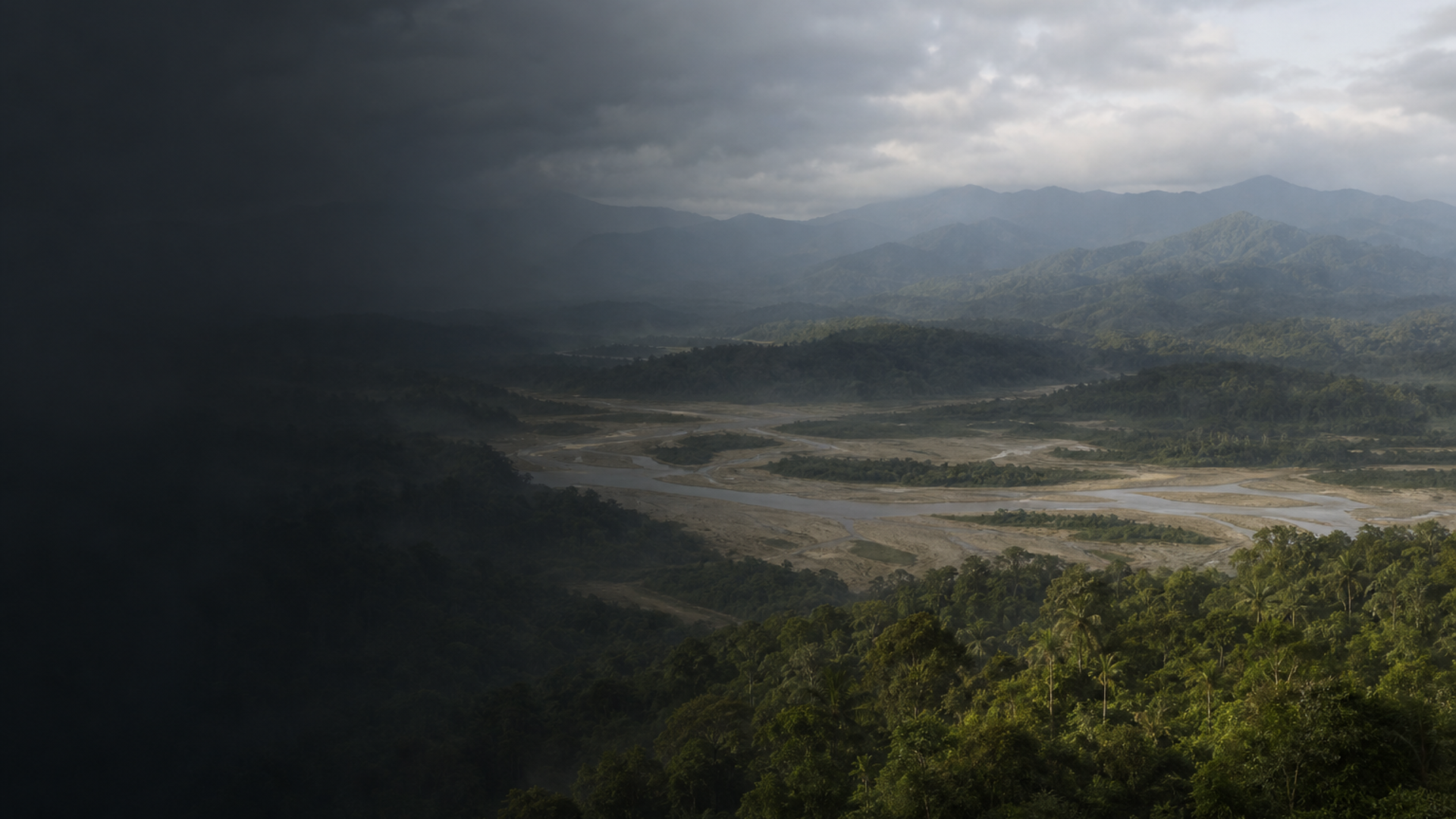
The daily world along the Sepik and on Bougainville in 2000 CE is tactile and ceremonial. Communities such as the Iatmul and Kwoma maintain elaborate artistic vocabularies—wooden carvings, painted shields, and large ceremonial houses—that structure social life, exchange, and ancestral remembrance. Archaeological parallels for these forms are found in surface collections and ethnographic recovery of carved ritual objects that echo motifs visible in the ethnographic record.
Subsistence is rooted in riverine and garden economies: sago and root crops, river fish, and horticulture underpin village life. Exchange systems—shells, carved objects, and ceremonial wealth—bind communities across riverine corridors. Missionary and colonial histories have layered new material culture and altered settlement patterns, but many ceremonial cycles and kinship obligations persist and remain archaeologically visible through house platforms, burial orientations, and discard patterns.
Archaeological observation of settlement layout and artifact distributions complements genetic sampling by localizing where people lived and moved. This spatial context allows geneticists to interpret whether genetic similarities reflect marriage networks, local continuity, or movement across river valleys and islands.