Saltar al contenido principal
Cultura destacada

Voices of Modern Papua New Guinea

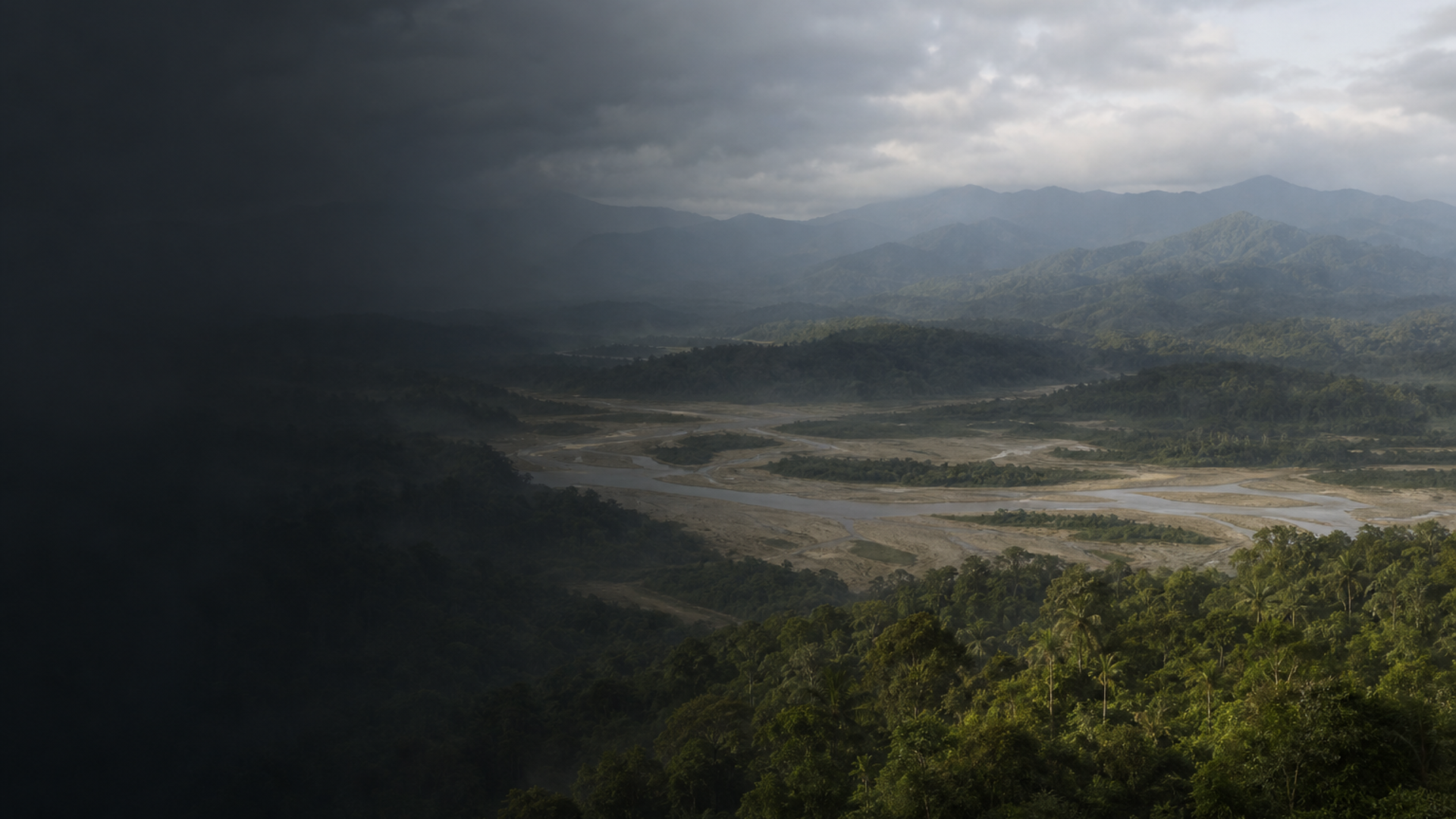
A living tapestry of Sepik carvings, Bougainville histories, and deep ancestral lineages

2000 CE
Papua New Guinea (Bougainville, Middle Sepik)

La historia

Modern Papua New Guinea communities across Bougainville and the Sepik form a vivid cultural landscape. Archaeology and genetics together reveal long-standing local continuity with later contacts; this dataset (n=30, 2000 CE) offers a regional snapshot linking material culture to population history.

Time Period

2000 CE (modern snapshot)

Region

Papua New Guinea (Bougainville, Middle Sepik)

Common Y-DNA

Not reported / regionally varied

Common mtDNA

Not reported / regionally varied

Cronología

2000 CE

Modern regional snapshot

Genetic and ethnographic sampling across Bougainville and the Sepik provides a contemporary view of population structure and cultural practice.

Origins & Emergence

The landscapes of Bougainville and the Sepik River carry deep palimpsests of human presence. Archaeological data indicates continuous occupation of New Guinea since the Pleistocene, and ethnographic records show cultural complexity that has crystallized into the societies encountered in 2000 CE. In Bougainville Island (including the Nasoi locality) and along the Middle Sepik, stratified sites, mortuary objects, and carving traditions speak to long-lived local traditions and regional exchange networks.

Limited evidence suggests that some cultural change over the last several thousand years reflects contacts with Austronesian-speaking peoples and later historical processes (trade, missionization, colonial governance). For the modern dataset dated to 2000 CE, archaeological context helps anchor cultural identities: Iatmul and Kwoma riverine art and ceremonial architecture tie present-day social structures to material practices visible in excavated and recorded assemblages. While the modern era is a brief moment in deep time, the archaeological record provides a cinematic backdrop—rock shelters, yam terraces, and ceremonial houses—against which genetic signals can be compared to understand continuity and contact.

Because this synthesis draws primarily on archaeological descriptions and a moderate genetic sample (n=30), conclusions about population history should be seen as regionally informative but not comprehensive.

  • Continuous human presence in New Guinea since the Pleistocene (archaeological consensus).
  • Sites: Bougainville (Nasoi), Middle Sepik river communities (Iatmul, Kwoma).
  • Modern cultural patterns reflect long-term local continuity plus episodic external contact.

Daily Life & Society

The daily world along the Sepik and on Bougainville in 2000 CE is tactile and ceremonial. Communities such as the Iatmul and Kwoma maintain elaborate artistic vocabularies—wooden carvings, painted shields, and large ceremonial houses—that structure social life, exchange, and ancestral remembrance. Archaeological parallels for these forms are found in surface collections and ethnographic recovery of carved ritual objects that echo motifs visible in the ethnographic record.

Subsistence is rooted in riverine and garden economies: sago and root crops, river fish, and horticulture underpin village life. Exchange systems—shells, carved objects, and ceremonial wealth—bind communities across riverine corridors. Missionary and colonial histories have layered new material culture and altered settlement patterns, but many ceremonial cycles and kinship obligations persist and remain archaeologically visible through house platforms, burial orientations, and discard patterns.

Archaeological observation of settlement layout and artifact distributions complements genetic sampling by localizing where people lived and moved. This spatial context allows geneticists to interpret whether genetic similarities reflect marriage networks, local continuity, or movement across river valleys and islands.

  • Art and ceremony (Iatmul, Kwoma) structure social identity and leave archaeological traces.

  • Subsistence: sago, root crops, riverine fishing; exchange networks span river systems.

Genetic Profile

This modern dataset (30 samples, collected at Bougainville, Nasoi, and Sepik-region localities) provides a regional genetic snapshot rather than a full population survey. Archaeogenetic interpretation must therefore balance evocative cultural narratives with statistical caution: n=30 allows detection of broad patterns but may underrepresent internal diversity across Papua New Guinea's highly structured populations.

Archaeological contexts (site locations, household assemblages, and mortuary practices) help frame genetic signals. For example, individuals associated with riverine ceremonial centers may show genetic affinities reflecting localized marriage networks or historical mobility along transport corridors. Conversely, island samples from Bougainville can be compared to Sepik samples to test hypotheses about isolation, exchange, and admixture.

The current dataset does not report specific Y‑chromosome or mtDNA haplogroup labels. Broadly, population genetics of Papua New Guinea highlights deep, regionally endemic lineages and strong genetic structure across short distances; such patterns are consistent with long-term local continuity punctuated by episodes of contact. Future targeted sampling and reporting of uniparental markers and genome‑wide data will refine connections between the material record and ancestry, and help resolve questions of sex‑biased mobility and genealogical history in these communities.

  • Dataset: 30 modern samples — informative but regionally limited.
  • Y/mtDNA haplogroups not reported here; broader PNG genetics show deep local lineages and strong fine‑scale structure.

Legacy & Modern Connections

The archaeological objects and living traditions of Bougainville and the Sepik are not relics but active carriers of memory and identity. Carving traditions, ceremonial houses, and exchange practices documented in 2000 CE embody ancestral narratives that archaeology reveals in stratigraphy and artifact sequences. Genetics adds another layer: it can corroborate long-standing local continuity or reveal episodes of migration and admixture that shaped today's communities.

Limited though the current sample is, combining archaeological context with DNA offers museum-quality stories that respect both material culture and living descents. Responsible interpretation emphasizes community collaboration and recognizes that genetic findings must be read alongside oral history, linguistic data, and ethnography. Together these strands create a cinematic, evidence-based portrait of modern Papua New Guinea—rooted in place, carved by river and sea, and continually remade by human connections.

  • Material culture and genetics together illuminate continuity and contact.
  • Community collaboration and careful contextualization are essential for ethical interpretation.

Asistente de IA

Asistente de IA por DNAGENICS

Desbloquear esta función
Pregunta sobre la cultura Voices of Modern Papua New Guinea. El asistente con IA puede explicar hallazgos genéticos, contexto histórico, pruebas arqueológicas y conexiones modernas, con sus límites de interpretación.
Ejemplo de análisis con IA

La cultura Voices of Modern Papua New Guinea representa un capítulo de la historia humana...

El análisis genético permite estudiar similitudes con poblaciones anteriores y posibles adaptaciones. Las muestras de ADN antiguo aportan información para investigar patrones migratorios y relaciones entre poblaciones, con límites que dependen del estudio y del contexto arqueológico.

Esta es una vista previa del análisis con IA. Accede al asistente completo para explorar información sobre:

  • Composición y similitud genética
  • Patrones migratorios y orígenes
  • Vida cotidiana y prácticas culturales
  • Contexto genético moderno