Zum Hauptinhalt springen
Y-DNA · Väterliche Linie

C2A

Y-DNA Haplogroup C2A

Ein Referenzprofil für einen Abstammungszweig. Gemeinsame Haplogruppen begründen weder eine familiäre Beziehung noch eine kulturelle Identität.

Referenzprofil

Hintergrund des Zweigs

Historischer Kontext für den Y-DNA-Abstammungszweig C2A

Origins and Evolution

Y-DNA haplogroup C2A is a downstream branch of the broader C2 (M217) lineage that originated in Central–East Asia. While C2 as a whole is deep (parent clade coalescence often estimated around ~40 kya), C2A represents a later split that most population-genetic studies place in the Late Upper Paleolithic to the early Holocene (on the order of ~10–25 kya). After diverging from other C2 sublineages, C2A diversified regionally during the Late Glacial and Holocene as populations adapted to northern and eastern Eurasian environments.

Molecular dating and geographic patterns indicate that C2A experienced a period of relative isolation and local differentiation in northeastern Eurasia, followed by one or more demographic pulses that increased its frequency locally (so-called "star-like" expansions visible in STR and SNP trees). Those expansions are consistent with documented population growth and mobility among pastoralist and hunter-gatherer groups of the steppe, forest-steppe, and Siberian zones during the Bronze Age through historical times.

Subclades

C2A itself splits into several regionally concentrated sublineages (nomenclature and SNP names have been updated repeatedly in the literature and by phylogeny projects). These subclades tend to show geographic structure: some branches are strongly associated with Mongolic-speaking populations (high local frequency and low internal diversity suggesting founder effects), others with Tungusic- and Yakut-associated groups, and still others with localized Central Asian or Siberian clans. Several C2A subclades show signals consistent with relatively recent expansions (Holocene to historical era), while others retain deeper coalescence times reflecting long-term survival in northern Eurasia.

Geographical Distribution

C2A is most frequent and best represented in northern and northeastern Eurasia. High local frequencies are observed in Mongolian and adjacent regions, and the haplogroup is also common among a variety of Tungusic-speaking peoples and some northern Turkic-speaking groups. C2A lineages reach into Yakutia (Sakha) and other parts of Siberia, with lower but detectable frequencies in parts of Central Asia and occasional occurrences in Northeast Asian populations (e.g., some Korean and Japanese paternal lines). Very localized derivatives may also be found in Indigenous North American groups where ancient Beringian migrations carried C2-derived lineages across the Bering Strait in the late Pleistocene or early Holocene.

Historical and Cultural Significance

The geographic distribution of C2A links it to populations and cultural processes of northern Eurasia: mobile pastoralism, forest-steppe economies, and steppe polities. Some C2A sublineages show patterns compatible with expansions during the Bronze Age and Iron Age in Mongolia and adjacent regions, and certain lineages rose in frequency during historic periods of steppe polity formation and empire-building. Caution is warranted when connecting particular modern surnames, clan traditions, or elite genealogies to genetic haplogroups: while genetic signal can concord with historical demography (founder effects, clan expansions), precise attribution of historical individuals to a haplogroup requires ancient DNA or secure genealogical evidence.

Conclusion

C2A is an important sub-branch of C2 that helps explain paternal ancestry in northern and northeastern Eurasia. Its phylogeographic pattern — deep Paleolithic roots with later Holocene and historic expansions — illustrates the combined effects of ancient population structure, climatic and environmental shifts, and later demographic events (pastoralist expansions and steppe dynamics) in shaping present-day Y-chromosome diversity across Mongolia, Siberia, and neighboring regions. Continued SNP discovery and ancient DNA sampling are refining the internal topology and timing of C2A subclades.

Wichtige Punkte

  • Origins and Evolution
  • Subclades
  • Geographical Distribution
  • Historical and Cultural Significance
  • Conclusion
Referenzprofil

Baum und Verwandtschaft

Phylogenetischer Kontext und Subkladen

Entwicklungsweg

Folgen Sie den erfassten übergeordneten Zweigen bis C2A. Die Daten sind Schätzungen und können sich ändern, wenn Referenzdaten überarbeitet werden.

Schritte Haplogruppe Altersschätzung Archäologische Epoche Vergangene Zeit Unmittelbare Nachkommen Getestete moderne Nachkommen Antike Verknüpfungen
1 C2A Aktuell ~18,000 years ago Mesolithic 18,000 Jahre 1 38 0
2 C2 ~40,000 years ago Paleolithic 40,000 Jahre 2 99 24
3 C ~60,000 years ago Paleolithic 60,000 Jahre 3 406 35

Geschwisterzweige (1)

Weitere Zweige derselben übergeordneten Haplogruppe

Referenzprofil

Verbreitung weltweit

Geografische Verbreitung und moderne Präsenz

Erfasster Ursprung

Central-East Asia

Moderne Verbreitung

The populations where Y-DNA haplogroup C2A is found include:

  1. Mongolic-speaking groups (e.g., Mongols, Buryats)
  2. Tungusic peoples of Siberia (e.g., Evenks, Evens, Oroqen)
  3. Turkic and Central Asian groups (e.g., some Kazakh, Kyrgyz, Tuvan clans)
  4. Yakut (Sakha) and other North Siberian populations
  5. Selected Northeast Asian populations (e.g., low-frequency occurrences in Korean and Japanese lineages)
  6. Localized Indigenous North American groups (through ancient Beringian-derived subclades, rare and region-specific)

Regionale Präsenz

Northeast Asia High
Siberia / North Asia Moderate
Central Asia Moderate
East Asia (northern China, Korea) Low
Eastern Europe (steppe fringe) Low
Siberia High
East Asia Low
North America (Indigenous) Low
Historischer Kontext

Ein Zweig durch die Zeit

Geschätzte Entstehung in einer breiten historischen Zeitleiste. Zeitmarken liefern Kontext und implizieren keine Verbindung zu bestimmten Kulturen.

  1. ~20k Jahre zurück

    Letztes glaziales Maximum

    Höhepunkt der letzten Eiszeit, isolierte Bevölkerungen

  2. ~18k Jahre zurück

    Haplogruppe C2A

    Geschätzte Entstehung dieses Y-DNA-Zweigs; Daten und Orte sind Referenzschätzungen.

    Dieser Zweig
  3. ~10k Jahre zurück

    Neolithische Revolution

    Beginn der Landwirtschaft und feste Siedlungen

  4. ~5k Jahre zurück

    Bronzezeit

    Metallverarbeitung, Schrift und frühe Zivilisationen

  5. ~3k Jahre zurück

    Eisenzeit

    Eisenwerkzeuge und ausgedehnte Handelsnetze

  6. ~2.5k Jahre zurück

    Klassische Antike

    Blüte griechischer und römischer Kulturen

  7. Gegenwart

    Gegenwart

    Moderne Zeit

Referenzprofil

Archäologischer Kontext

Erfasste archäologische Zuordnungen für den Y-DNA-Zweig C2A

Erfasste Zuordnungen

Diese Bezeichnungen beschreiben archäologische Kontexte erfasster Referenzproben mit Bezug zu C2A. Eine Zuordnung bedeutet nicht, dass alle Träger einer Kultur angehörten oder einer bestimmten Migrationsroute folgten.

Austria_Avar Boisman China_BA_Roman Chinese Neolithic Devil's Cave Culture Lapa do Santo Mongol Russia_AltaiKrai_N Russia_Omsk_Eneolithic_Okunevsky
Kulturzuordnungen basieren auf dem archäologischen Kontext antiker DNA-Proben und können regionale Verknüpfungen in bestimmten Zeiträumen widerspiegeln.
Referenzprofil

Probencatalog

13 Subkladen-Träger der Haplogruppe C2A (keine direkten Träger in der aktuellen Referenzauswahl)

10 angezeigt · 13 passende Proben

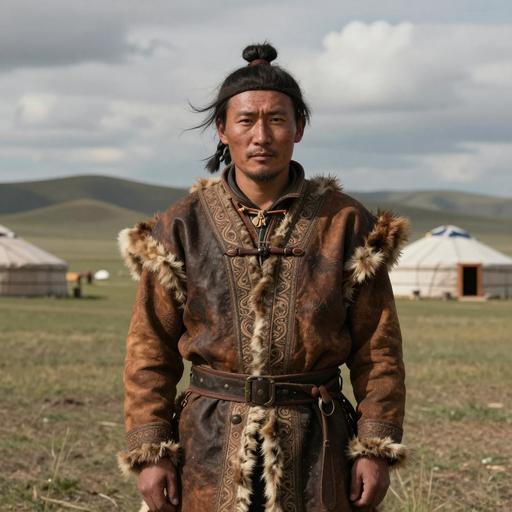
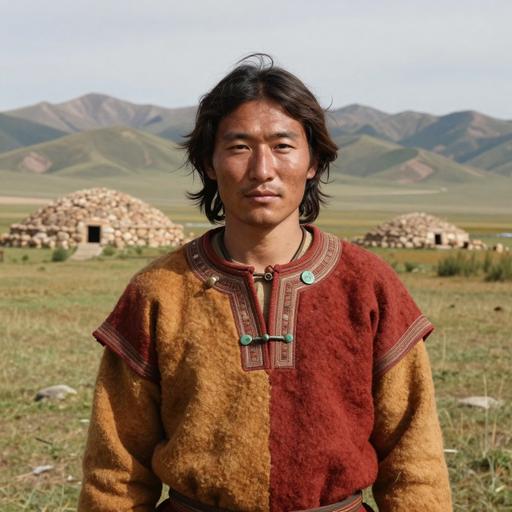
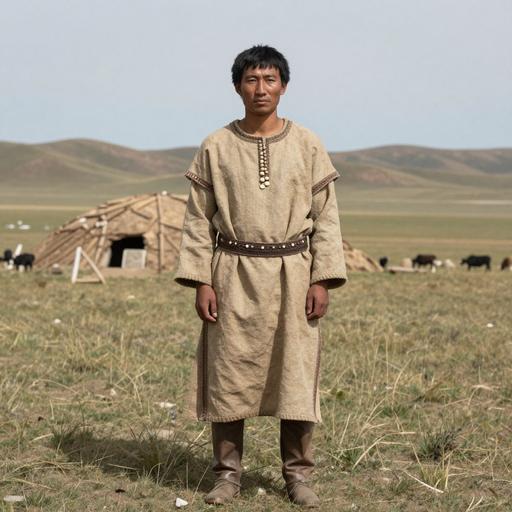
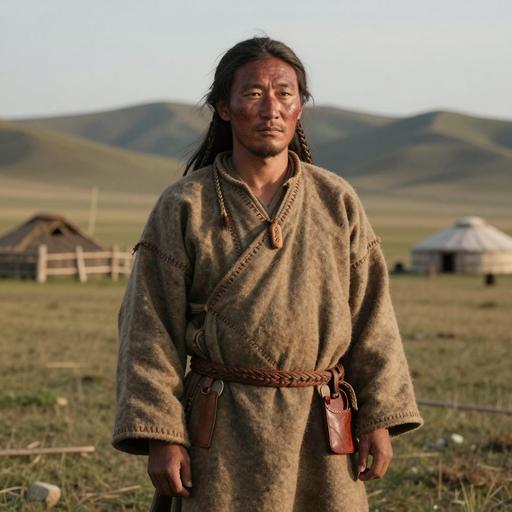
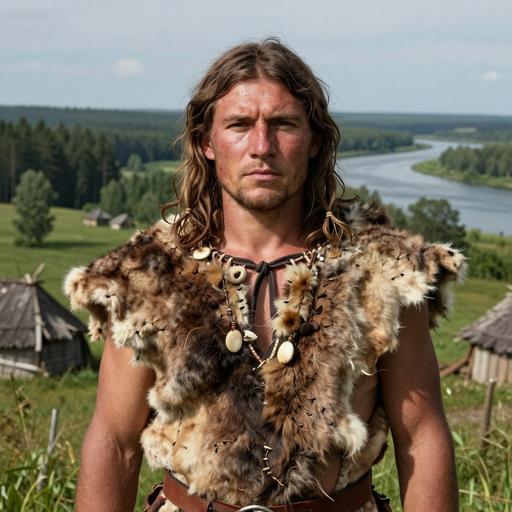
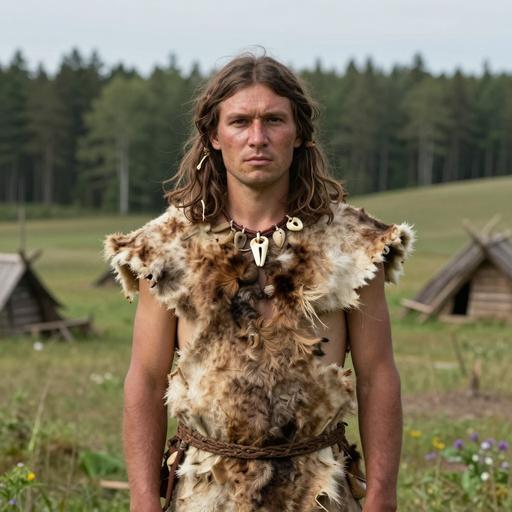
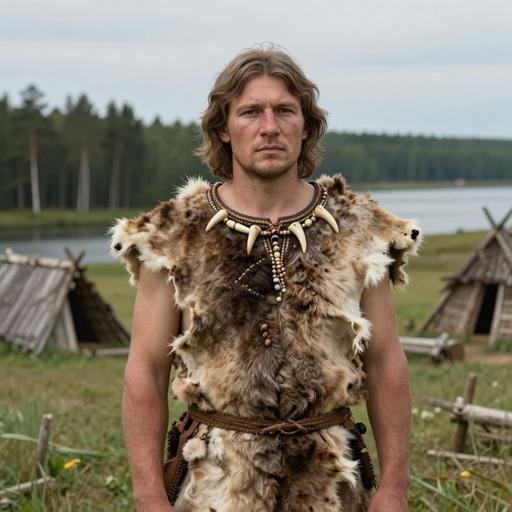
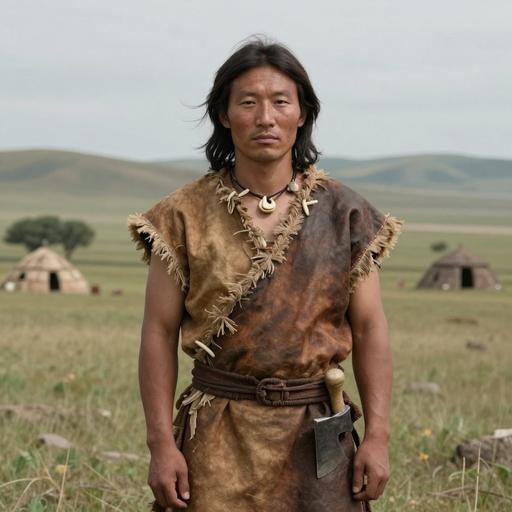
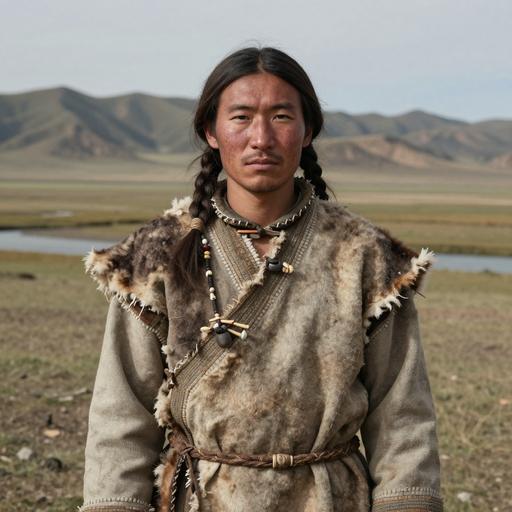
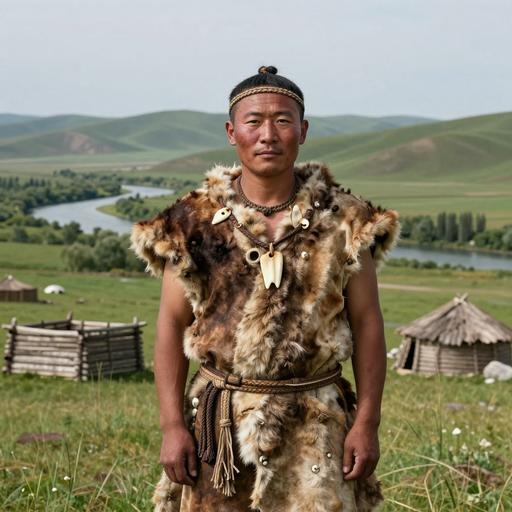
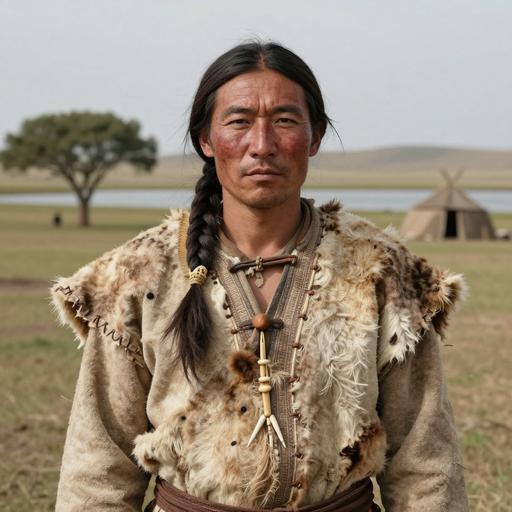
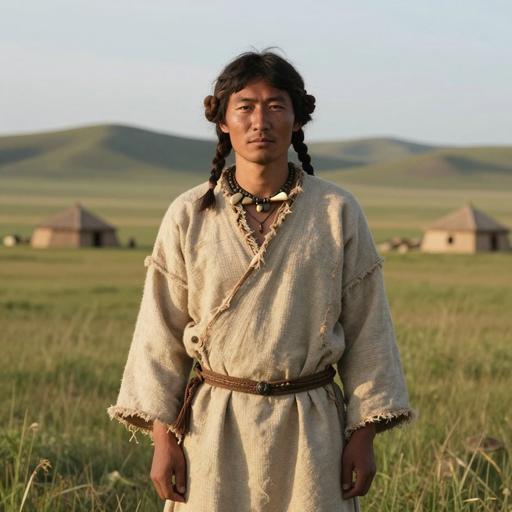
Porträts sind KI-generierte Illustrationen. Probenbezeichnungen und Zugangs-IDs identifizieren die Referenzdatensätze.

Porträt Probe Land Epoche Datum Kultur Y-DNA Übereinstimmung
KI-generiertes illustratives Porträt von Xiongnu Empire individual, Uvs aimag. Ulaangom sum. Chandman Uul. Ulaangom cemetery Grave #44, Mongolia (40 BCE-109 CE)
Proben-ID: I6228
Mongolia Early Iron Age Xiongnu Culture 7, Mongolia 40 BCE - 109 CE Xiongnu Culture C2a1a1b1b-Y11605 Subklade
KI-generiertes illustratives Porträt von Center West LBA-4 individual, Khuvsgul aimag. Khankh sum. Khavtsal II Tomb 1 (Khirgisuur), Mongolia (1,255-1,055 BCE)
Proben-ID: I12975
Mongolia Late Bronze Age Center West 4, Mongolia 1255-1055 calBCE (2950±20 BP, UCIAMS-226549, PSUG-5464) Center West 4 C2a1a-F1699 Subklade
KI-generiertes illustratives Porträt von Afanasievo2-2 individual, Bayan-Ulgii aimag. Ulaankhus sum. Kurgak govi barrow 1. infant burial in main grave, Mongolia (2,857-2,501 BCE)
Proben-ID: I13957
Mongolia Chalcolithic Afanasievo Culture 2, Mongolia 2857-2501 calBCE (4095±25 BP, PSUAMS-6942) Afanasievo Culture C2a1a1-Z18161 Subklade
KI-generiertes illustratives Porträt von EBA Ulgii-1 individual, Bayan-Ulgii aimag. Ulaankhus sum. Kulala Ula barrow 1. secondary burial, Mongolia (2,913-2,710 BCE)
Proben-ID: I12977
Mongolia Mongolia EBA Ulgii 1 2913-2710 calBCE (4250±25 BP, UCIAMS-226551, PSUG-5466) Ulgii Culture C2a1a1-Z18161 Subklade
KI-generiertes illustratives Porträt von Primorsky Krai MN Boisman individual, Primorsky Krai. Boisman-2, Russia (3,705-3,633 BCE)
Proben-ID: I3356
Russia Boisman Culture in Russia's Middle Neolithic 3705-3633 calBCE (4875±20 BP, PSUAMS-2160) Boisman C2a1a-F1788 Subklade
KI-generiertes illustratives Porträt von Circum-Arctic Prehistoric individual, Primorsky Krai. Boisman-2, Russia (4,935-4,605 BCE)
Proben-ID: I1192
Russia Boisman Culture in Russia's Middle Neolithic 4935 BCE - 4605 BCE Boisman C2a1-F3914 Subklade
KI-generiertes illustratives Porträt von Primorsky Krai MN Boisman individual, Primorsky Krai. Boisman-2, Russia (4,989-4,794 BCE)
Proben-ID: I1193
Russia Boisman Culture in Russia's Middle Neolithic 4989-4794 calBCE (5995±35 BP, Poz-83474) Boisman C2a1a-F1788 Subklade
KI-generiertes illustratives Porträt von Primorsky Krai MN Boisman individual, Primorsky Krai. Boisman-2, Russia (4,989-4,787 BCE)
Proben-ID: I3355
Russia Boisman Culture in Russia's Middle Neolithic 4989-4787 calBCE (5985±35 BP, PSUAMS-2114) Boisman C2a1a-F3927 Subklade
KI-generiertes illustratives Porträt von East N individual, Dornod aimag. Bulgan sum. Norovlin Uul burial, Mongolia (5,211-4,995 BCE)
Proben-ID: I7021
Mongolia Mongolia East N 5211-4995 calBCE (6145±35 BP, PSUAMS-3931) Mongolian Neolithic C2a1a1-Z18161 Subklade
KI-generiertes illustratives Porträt von N individual, Bulgan. Khutag-Undur sum. Marzyn khutul. Tomb 1-055-1. skeleton 4, Mongolia (5,620-5,481 BCE)
Proben-ID: I11697
Mongolia Neolithic Northern Mongolia 5620-5481 calBCE (6610±30 BP, UCIAMS-226524, PSUG-5427) Northern Mongolian Culture C2a1a1-Z18161 Subklade
PATERNAL LINEAGE · ANCIENT DNA

Ancient lineage evidence map

Follow parent clades toward this branch and explore where ancient carriers were found.

Loading ancient observations…

Markers are archaeological find locations. A dashed connector is an uncertain, proposed geographic transition between consecutive branches supported by multiple dated observations; it is not an exact travel route, birthplace or proof of direct descent. Parent-clade samples may belong to other descendant branches. Gaps remain where evidence is insufficient. Sample dates differ from haplogroup formation dates.

Referenzprofil

Trägerverteilungskarte

Geografische Verteilung von 13 antiken DNA-Proben (direkte und Subkladen-Träger von C2A)

Subkladen-Träger
Zeitraumfilter
Alle Zeiträume
Alle Proben werden angezeigt
Referenzprofil

Zeitliche Verteilung

Verteilung der Träger über archäologische Epochen

Referenzprofil

Geografische Verteilung

Anzahlen nach erfasstem Probenland. Sie spiegeln die verfügbare Referenzauswahl wider, nicht Bevölkerungshäufigkeiten.

Referenzprofil

Verteilung Land × Epoche

Vergleichen Sie erfasste Probenanzahlen nach Ländern und archäologischen Epochen. Wählen Sie eine belegte Zelle, um eine Probe anzusehen.

Daten

Daten und Herkunft

Quellenangaben und Datenqualität

Zuletzt aktualisiert 2026-06-15
Konfidenzwert 50/100
Abdeckung Low

Datenquelle

Klassifikation, geschätzte Daten und geografischer Kontext spiegeln die erfassten Referenzdaten wider und können sich bei überarbeiteten Belegen ändern. Die Probenabdeckung ist ungleichmäßig; erfasste Orte und archäologische Zuordnungen begründen weder persönliche Herkunft noch kulturelle Identität.