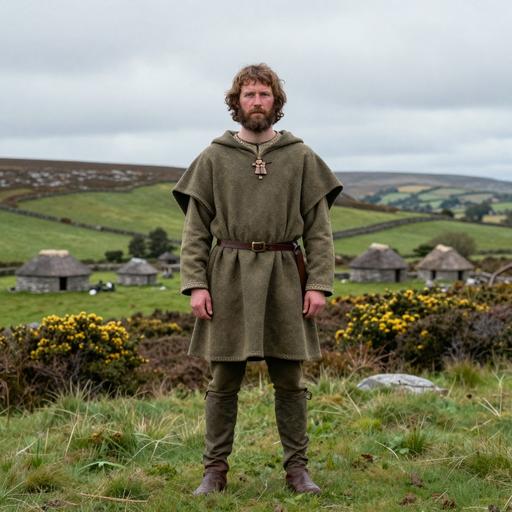
Ein Referenzprofil für einen Abstammungszweig. Gemeinsame Haplogruppen begründen weder eine familiäre Beziehung noch eine kulturelle Identität.
Referenzprofil
Hintergrund des Zweigs
Historischer Kontext für den Y-DNA-Abstammungszweig R1B1A2
Origins and Evolution
Y-DNA haplogroup R1b1a2 is an intermediate paternal lineage within the broader R1b phylogeny. As a subclade of R1b1a, it sits at a deep branching point in the history of western Eurasian male lineages and likely predates the major demographic expansions associated with later R1b branches such as those dominant in much of Western Europe today.
Based on its position in the tree, R1b1a2 probably emerged during the late Paleolithic to early Holocene, with a plausible origin in West Eurasia or the Eurasian steppe. Although direct ancient-DNA resolution for this exact intermediate node may be limited, related R1b lineages indicate that the broader ancestry of this clade was already present in populations occupying the Pontic-Caspian steppe, Caucasus-adjacent zones, Anatolia, and broader western Eurasian refugia before the Bronze Age.
Subclades
As an intermediate clade, R1b1a2 is important because it links ancestral R1b1a lineages with later regional expansions. Depending on classification scheme and naming conventions, downstream branches of this lineage may connect to the major western Eurasian R1b radiation, including clades ultimately associated with Atlantic Europe, steppe-derived populations, and some Near Eastern/Caucasus distributions.
Geographical Distribution
Today, lineages descending from the broader R1b radiation are found at highest frequencies in Western Europe, especially in Ireland, Britain, France, Iberia, and the Low Countries. However, deeper intermediate R1b lineages and related ancestral forms also occur at lower frequencies across Italy, the Balkans, the Caucasus, Anatolia, the Levant, North Africa, and portions of Central Asia.
Because R1b1a2 is an older internal node rather than a terminal branch, its direct modern frequency is expected to be low to moderate, with broader phylogenetic affinity detectable in populations spanning both Europe and adjacent West Eurasian regions.
Historical and Cultural Significance
This haplogroup is significant for reconstructing the deeper ancestry behind the major spread of R1b-derived male lines in Europe. It likely reflects population structure predating the Neolithic and Bronze Age transformations that later amplified specific R1b branches through migrations, founder effects, and elite-dominance processes.
Its deeper history may overlap with the ancestry of populations involved in or adjacent to major prehistoric interaction spheres, including the Eurasian steppe, Caucasus, and Anatolia. Later descendant lineages became especially important in contexts often discussed in population history, such as Bell Beaker, Yamnaya-related expansions, and the broader formation of western European paternal diversity.
Conclusion
R1b1a2 is best understood as an early branching paternal lineage within a very successful West Eurasian Y-chromosome clade. While not itself one of the most visible terminal haplogroups in modern population surveys, it is crucial for understanding the deep structure and evolutionary history of R1b, especially the ancestry underlying later European and adjacent-region expansions.
Wichtige Punkte
Origins and Evolution
Subclades
Geographical Distribution
Historical and Cultural Significance
Conclusion
Referenzprofil
Baum und Verwandtschaft
Phylogenetischer Kontext und Subkladen
Entwicklungsweg
Folgen Sie den erfassten übergeordneten Zweigen bis R1B1A2. Die Daten sind Schätzungen und können sich ändern, wenn Referenzdaten überarbeitet werden.
The populations where Y-DNA haplogroup R1b1a2 is found include:
Irish and British populations
French, Iberian, and Low Countries populations
Italian and Balkan populations
Caucasus and Anatolian populations
Levantine and North African populations
Some Central Asian and steppe-related populations
Regionale Präsenz
Western EuropeHigh
Central EuropeModerate
Northern EuropeModerate
Eastern EuropeLow
North AfricaLow
Near East / Middle EastLow
Central AsiaLow
Southern EuropeModerate
North AfricaLow
Historischer Kontext
Ein Zweig durch die Zeit
Geschätzte Entstehung in einer breiten historischen Zeitleiste. Zeitmarken liefern Kontext und implizieren keine Verbindung zu bestimmten Kulturen.
~20k Jahre zurück
Letztes glaziales Maximum
Höhepunkt der letzten Eiszeit, isolierte Bevölkerungen
~18k Jahre zurück
Haplogruppe R1B1A2
Geschätzte Entstehung dieses Y-DNA-Zweigs; Daten und Orte sind Referenzschätzungen.
Dieser Zweig
~10k Jahre zurück
Neolithische Revolution
Beginn der Landwirtschaft und feste Siedlungen
~5k Jahre zurück
Bronzezeit
Metallverarbeitung, Schrift und frühe Zivilisationen
~3k Jahre zurück
Eisenzeit
Eisenwerkzeuge und ausgedehnte Handelsnetze
~2.5k Jahre zurück
Klassische Antike
Blüte griechischer und römischer Kulturen
Gegenwart
Gegenwart
Moderne Zeit
Referenzprofil
Archäologischer Kontext
Erfasste archäologische Zuordnungen für den Y-DNA-Zweig R1B1A2
Erfasste Zuordnungen
Diese Bezeichnungen beschreiben archäologische Kontexte erfasster Referenzproben mit Bezug zu R1B1A2. Eine Zuordnung bedeutet nicht, dass alle Träger einer Kultur angehörten oder einer bestimmten Migrationsroute folgten.
Kulturzuordnungen basieren auf dem archäologischen Kontext antiker DNA-Proben und können regionale Verknüpfungen in bestimmten Zeiträumen widerspiegeln.
Referenzprofil
Probencatalog
6 direkte Träger und 94 Subkladen-Träger der Haplogruppe R1B1A2
10 angezeigt · 50 passende Proben
Keine Proben entsprechen diesen Filtern. Versuchen Sie eine andere Bezeichnung, einen anderen Ort oder eine andere Epoche.
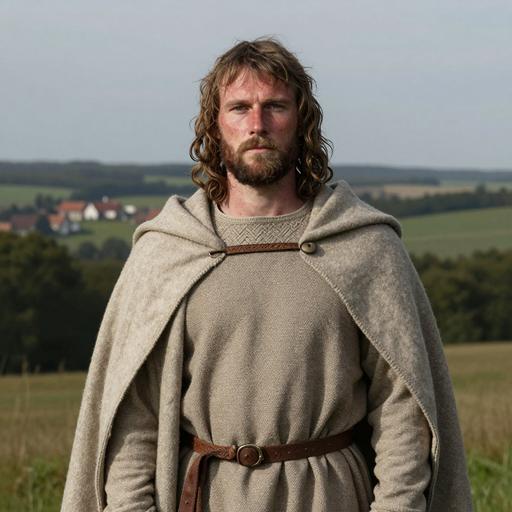
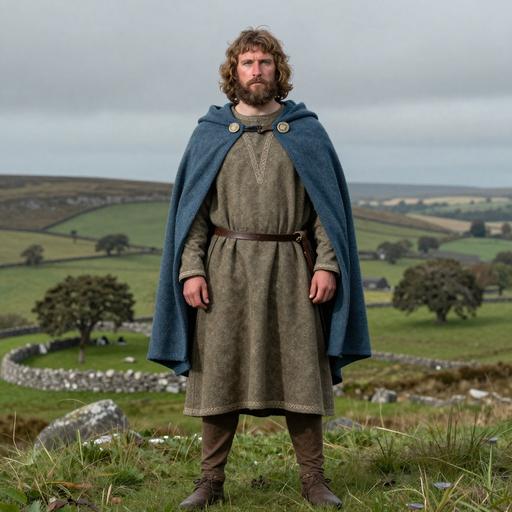
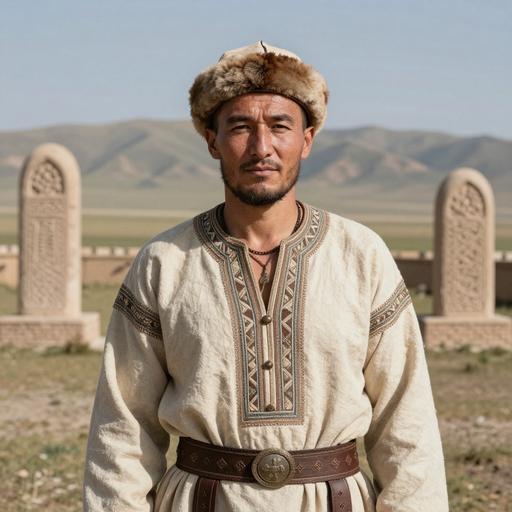
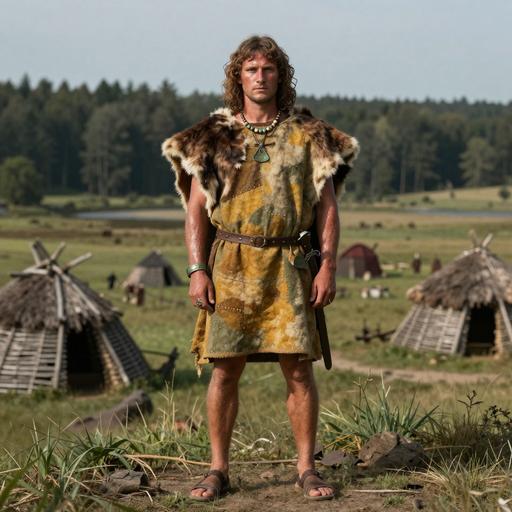
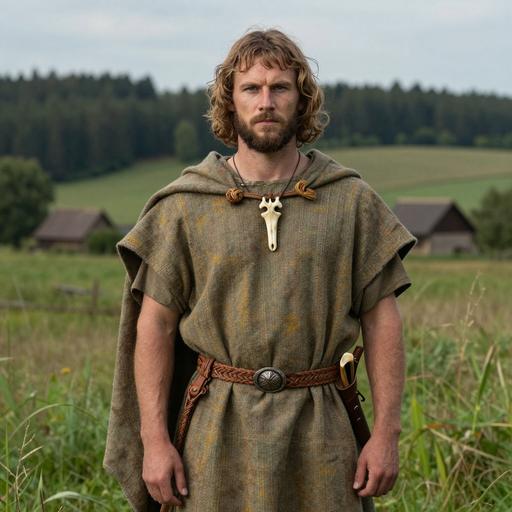
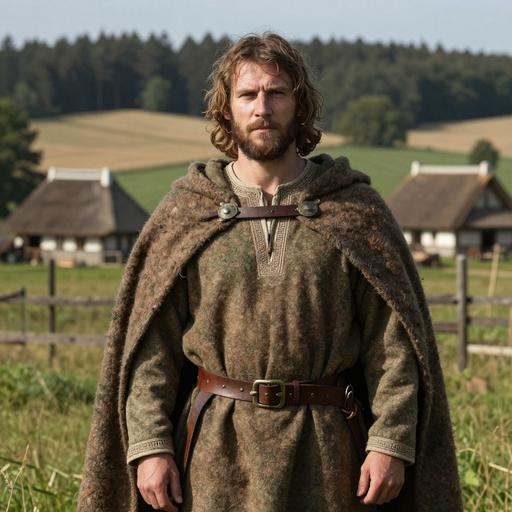
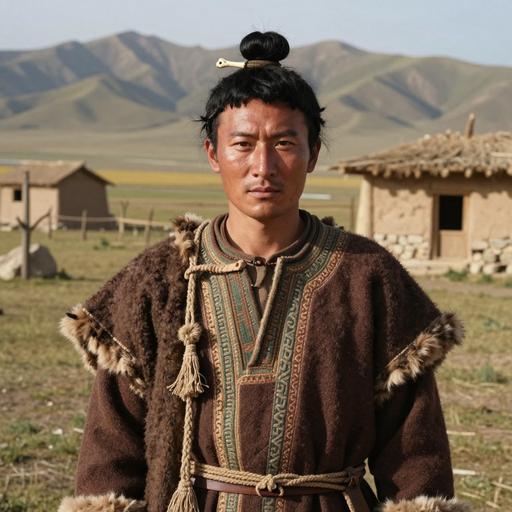
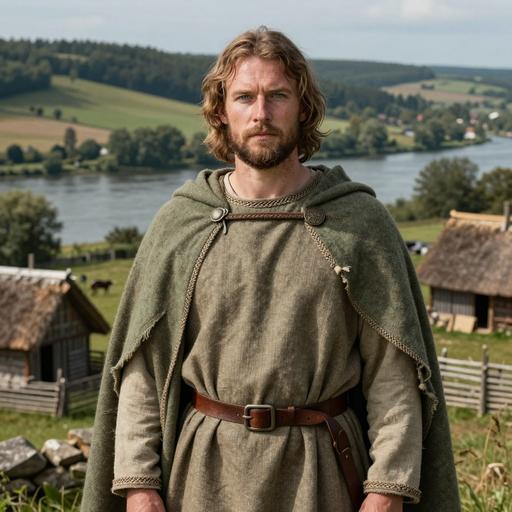
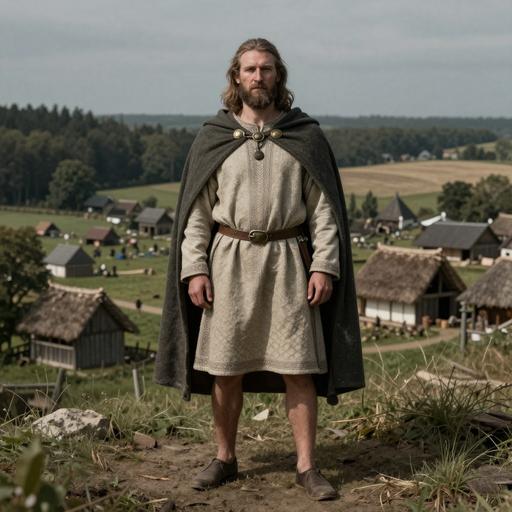
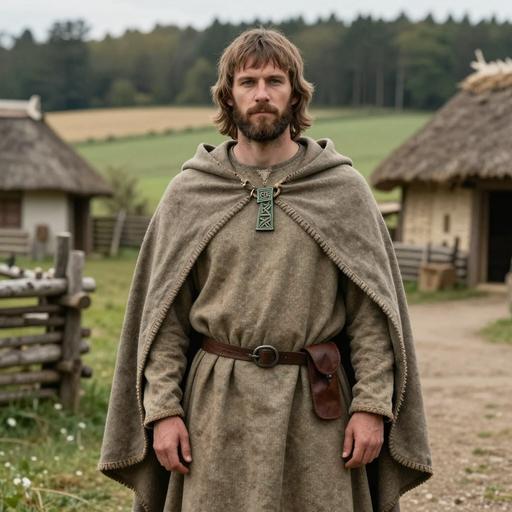
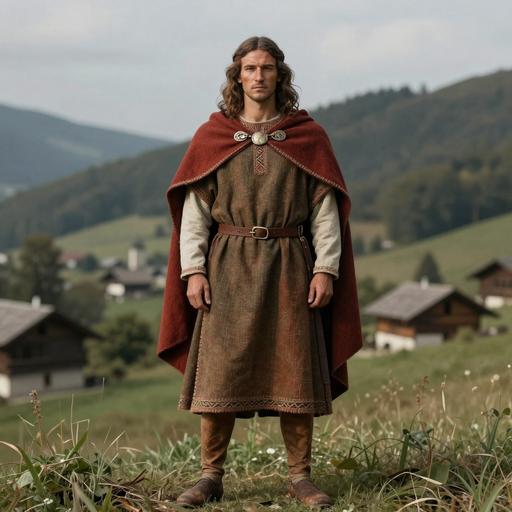
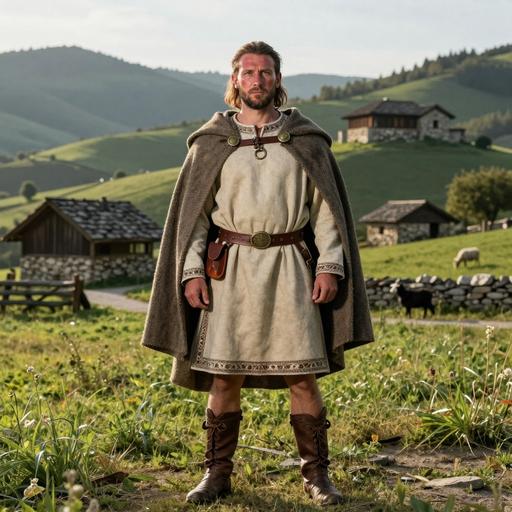
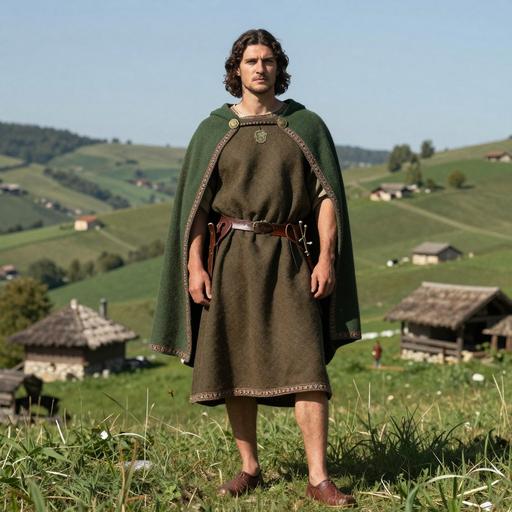
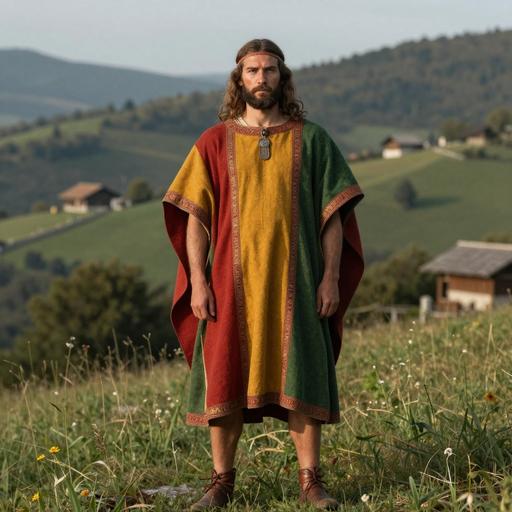
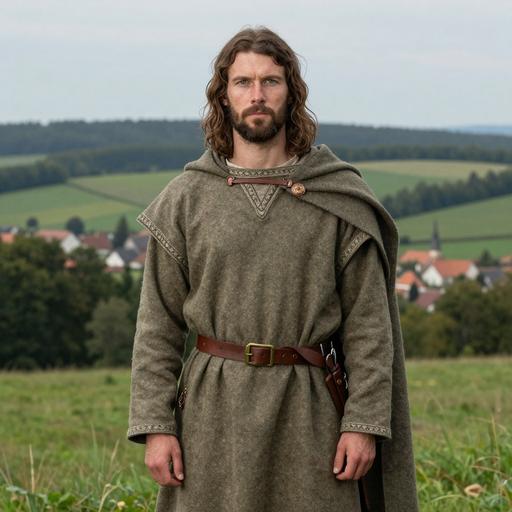
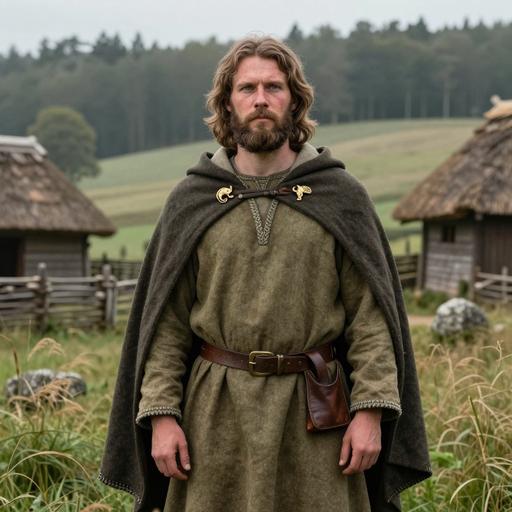
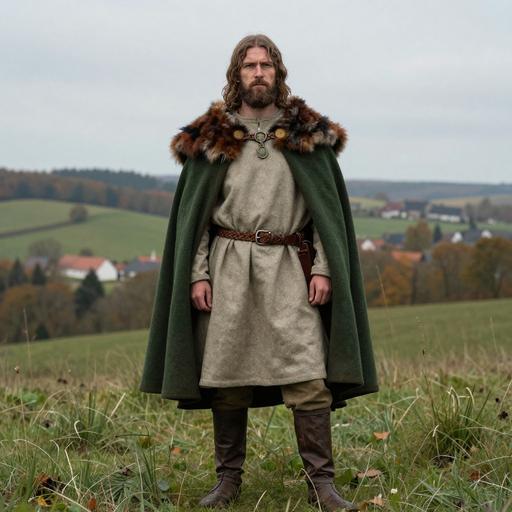
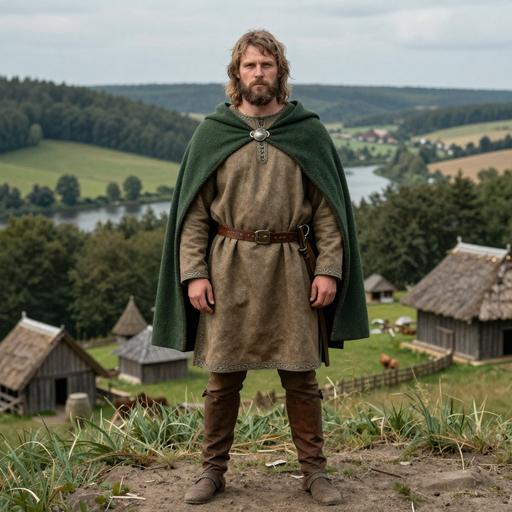
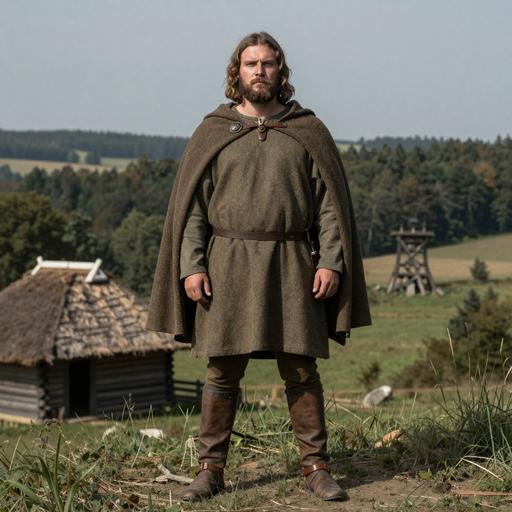
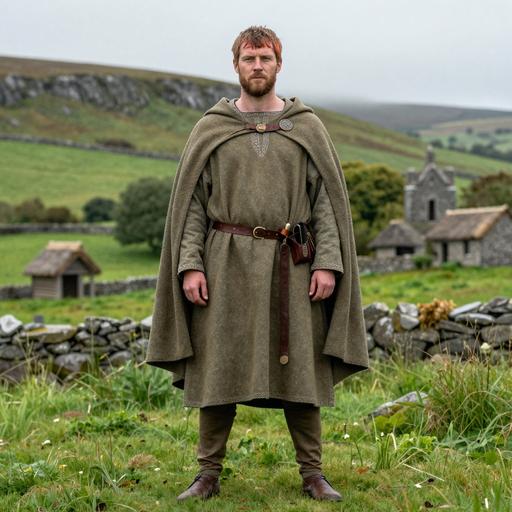
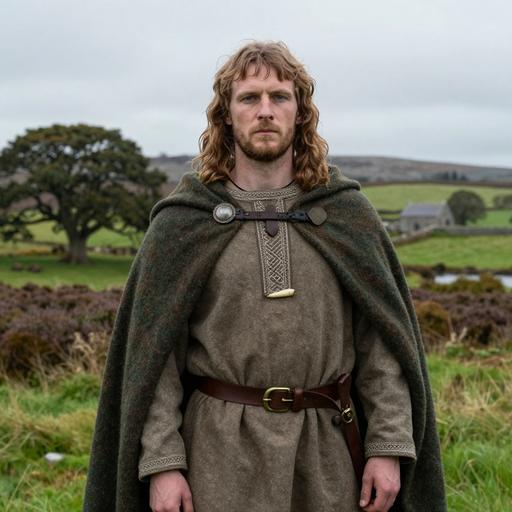
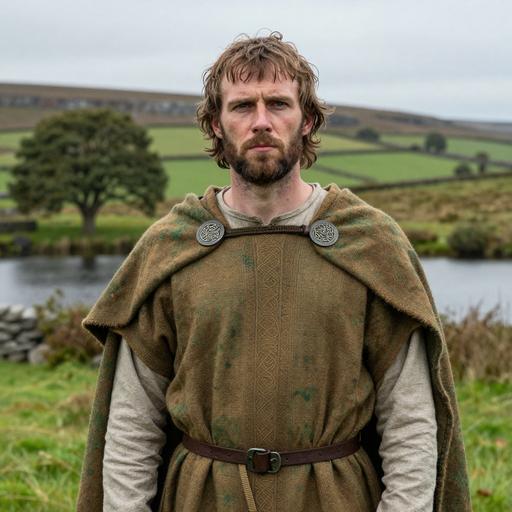
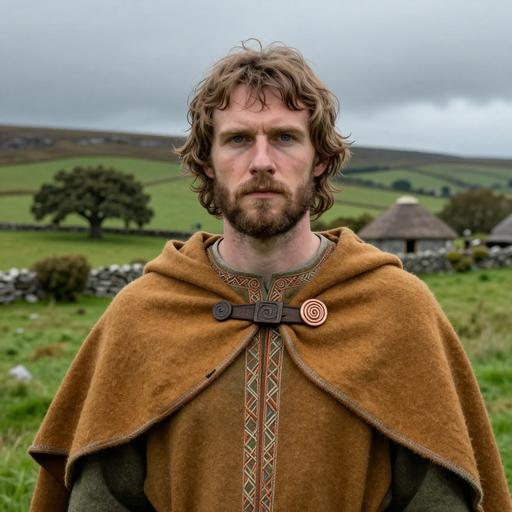
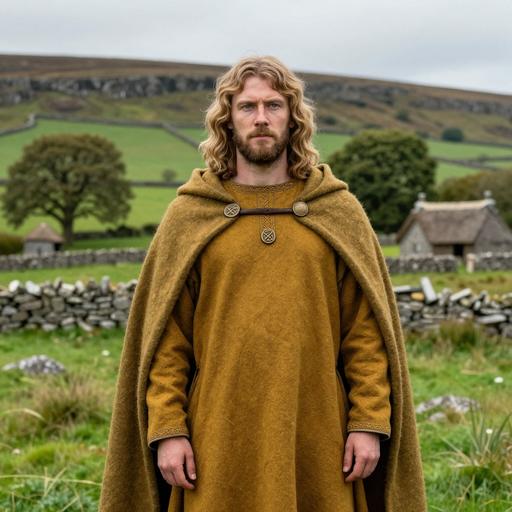
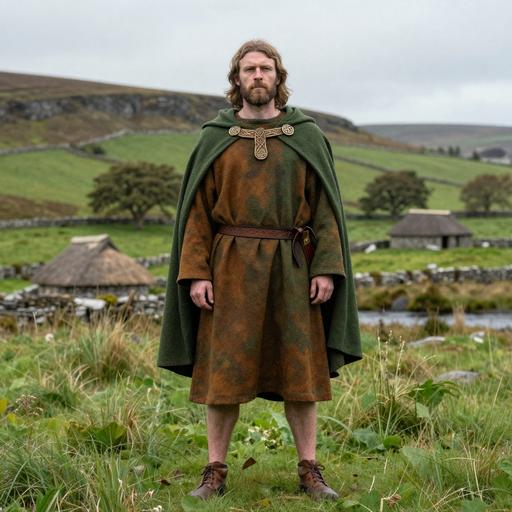
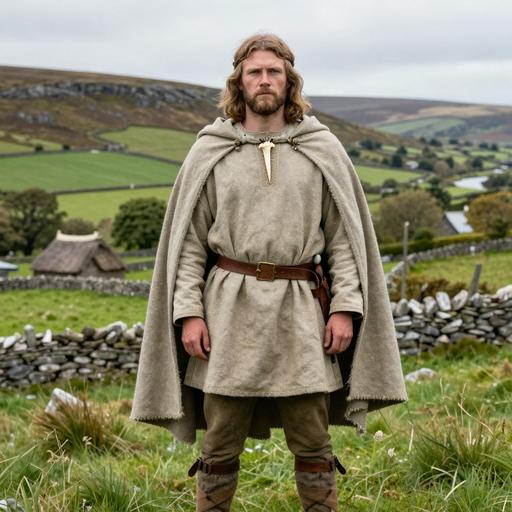
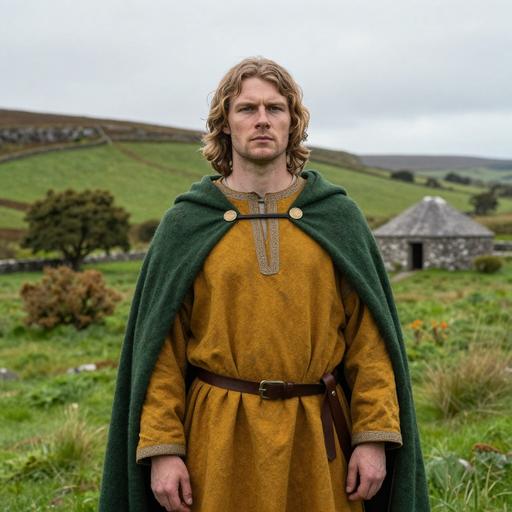
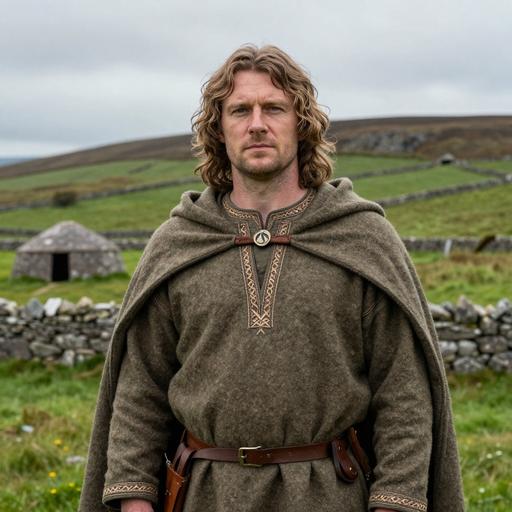
Porträts sind KI-generierte Illustrationen. Probenbezeichnungen und Zugangs-IDs identifizieren die Referenzdatensätze.
Germany Saxon Early Medieval Schortens, Germany 700-900 CE
R1b1a2a1a1c2b2b1a1Subklade
Proben-ID: KIL002
Anglo-Saxon Early Medieval Kilteasheen, Ireland - Ireland - Roscommon. Kilteasheen
Ireland Anglo-Saxon Early Medieval Kilteasheen, Ireland 700-1300 CE
R1b1a2a1a2Subklade
Proben-ID: KIL004
Anglo-Saxon Early Medieval Kilteasheen, Ireland - Ireland - Roscommon. Kilteasheen
Ireland Anglo-Saxon Early Medieval Kilteasheen, Ireland 700-1300 CE
R1b1a2a1a2Subklade
Proben-ID: KIL009
Anglo-Saxon Early Medieval Kilteasheen, Ireland - Ireland - Roscommon. Kilteasheen
Ireland Anglo-Saxon Early Medieval Kilteasheen, Ireland 700-1300 CE
R1b1a2a1a2c1a1a1a1a1Subklade
Proben-ID: KIL012
Anglo-Saxon Early Medieval Kilteasheen, Ireland - Ireland - Roscommon. Kilteasheen
Ireland Anglo-Saxon Early Medieval Kilteasheen, Ireland 700-1300 CE
R1b1a2a1a2cSubklade
Proben-ID: KIL014
Anglo-Saxon Early Medieval Kilteasheen, Ireland - Ireland - Roscommon. Kilteasheen
Ireland Anglo-Saxon Early Medieval Kilteasheen, Ireland 700-1300 CE
R1b1a2a1a2Subklade
Proben-ID: KIL015
Anglo-Saxon Early Medieval Kilteasheen, Ireland - Ireland - Roscommon. Kilteasheen
Ireland Anglo-Saxon Early Medieval Kilteasheen, Ireland 700-1300 CE
R1b1a2a1a2cSubklade
Proben-ID: KIL016
Anglo-Saxon Early Medieval Kilteasheen, Ireland - Ireland - Roscommon. Kilteasheen
Ireland Anglo-Saxon Early Medieval Kilteasheen, Ireland 700-1300 CE
R1b1a2a1a2c1b2b1Subklade
Proben-ID: KIL020
Anglo-Saxon Early Medieval Kilteasheen, Ireland - Ireland - Roscommon. Kilteasheen
Ireland Anglo-Saxon Early Medieval Kilteasheen, Ireland 700-1300 CE
R1b1a2a1a2c1f2c1Subklade
Proben-ID: KIL022
Anglo-Saxon Early Medieval Kilteasheen, Ireland - Ireland - Roscommon. Kilteasheen
Ireland Anglo-Saxon Early Medieval Kilteasheen, Ireland 700-1300 CE
R1b1a2a1a2c1Subklade
Proben-ID: KIL024
Anglo-Saxon Early Medieval Kilteasheen, Ireland - Ireland - Roscommon. Kilteasheen
Ireland Anglo-Saxon Early Medieval Kilteasheen, Ireland 700-1300 CE
R1b1a2a1a2Subklade
Proben-ID: KIL025
Anglo-Saxon Early Medieval Kilteasheen, Ireland - Ireland - Roscommon. Kilteasheen
Ireland Anglo-Saxon Early Medieval Kilteasheen, Ireland 700-1300 CE
R1b1a2a1a2c1f2c2Subklade
Proben-ID: KIL026
Anglo-Saxon Early Medieval Kilteasheen, Ireland - Ireland - Roscommon. Kilteasheen
Ireland Anglo-Saxon Early Medieval Kilteasheen, Ireland 700-1300 CE
R1b1a2a1a2c1b2c1a1Subklade
PATERNAL LINEAGE · ANCIENT DNA
Ancient lineage evidence map
Follow parent clades toward this branch and explore where ancient carriers were found.
Loading ancient observations…
Reduced motion is enabled. Use the timeline or Show all to explore at your own pace.
Read observations as a table
Displayed ancient observations by branch, period and date midpoint
Branch
Period
Date range
Sample
Sample ID
Location
Haplogroup
Relationship
Markers are archaeological find locations. A dashed connector is an uncertain, proposed geographic transition between consecutive branches supported by multiple dated observations; it is not an exact travel route, birthplace or proof of direct descent. Parent-clade samples may belong to other descendant branches. Gaps remain where evidence is insufficient. Sample dates differ from haplogroup formation dates.
Grouping by historical period reflects when each ancient individual lived, combined across every branch on this lineage chain; it is not a migration sequence or a personal timeline between periods.
Referenzprofil
Trägerverteilungskarte
Geografische Verteilung von 100 antiken DNA-Proben (direkte und Subkladen-Träger von R1B1A2)
Direkter Träger Subkladen-Träger
Zeitraumfilter
Alle Zeiträume
Alle Proben werden angezeigt
Referenzprofil
Zeitliche Verteilung
Verteilung der Träger über archäologische Epochen
Referenzprofil
Geografische Verteilung
Anzahlen nach erfasstem Probenland. Sie spiegeln die verfügbare Referenzauswahl wider, nicht Bevölkerungshäufigkeiten.
Referenzprofil
Verteilung Land × Epoche
Vergleichen Sie erfasste Probenanzahlen nach Ländern und archäologischen Epochen. Wählen Sie eine belegte Zelle, um eine Probe anzusehen.
Daten
Daten und Herkunft
Quellenangaben und Datenqualität
Zuletzt aktualisiert2026-06-17
Konfidenzwert50/100
AbdeckungLow
Datenquelle
Klassifikation, geschätzte Daten und geografischer Kontext spiegeln die erfassten Referenzdaten wider und können sich bei überarbeiteten Belegen ändern. Die Probenabdeckung ist ungleichmäßig; erfasste Orte und archäologische Zuordnungen begründen weder persönliche Herkunft noch kulturelle Identität.