انتقل إلى المحتوى الرئيسي
mtDNA · سلالة أمومية

M8A2

mtDNA Haplogroup M8A2

ملف مرجعي لفرع واحد من السلالة. لا تثبت المجموعات الفردانية المشتركة صلة عائلية ولا تحدّد الهوية الثقافية.

الملف المرجعي

خلفية الفرع

السياق التاريخي لفرع M8A2 من سلالة mtDNA

Origins and Evolution

Haplogroup M8A2 is a sublineage of haplogroup M8, itself a branch of macro-haplogroup M. The M8 lineage gave rise to several daughter clades (including M8a and the CZ node that leads to haplogroups C and Z) that are characteristic of Northeast Asian and some Siberian maternal lineages. Based on its phylogenetic position and the coalescence times estimated for closely related M8 subclades in published studies, M8A2 most likely arose in Northeast Asia after the Last Glacial Maximum (LGM), roughly in the late Upper Paleolithic to early Holocene (on the order of ~10–20 kya). This timing is consistent with post-LGM population re-expansions and regional differentiation in eastern Siberia, the Amur/Primorye region, and the Japanese archipelago.

Because M8A2 occupies an intermediate node in the M8 phylogeny, it often appears in phylogenies and Phylotree annotations as a connector between the parental M8 lineages (including M8a and the M8A2'3 grouping) and more derived, geographically localized subclades. The limited number of high-resolution mitochondrial genomes explicitly labeled M8A2 in public datasets means that age and internal branching patterns remain somewhat uncertain and will benefit from denser sampling and ancient DNA calibration.

Subclades

The internal structure below M8A2 is only partially characterized in current phylogenies. Some downstream branches have been provisionally named in reference trees (for example, clades grouped under M8A2'3 in Phylotree-style nomenclature), but many of these subclades remain poorly sampled. As more complete mitogenomes from Siberia, the Russian Far East, northeastern China, Korea and Japan are generated, it is expected that new subclades will be defined and dated more precisely. At present, researchers should treat M8A2 as an intermediate node that links broader M8 diversity to localized lineages found in Northeast Asia and nearby regions.

Geographical Distribution

Available modern and ancient DNA evidence suggests a concentration of M8A2 and close relatives in Northeast Asia, including:

  • the Russian Far East and Siberian borderlands (Amur/Primorye, Kamchatka-adjacent regions)
  • northeastern China (Heilongjiang, Jilin, Liaoning) and populations with historical ties to these areas
  • the Japanese archipelago, particularly in analyses that include ancient Jomon and some modern northern Japanese groups

Frequencies are typically low to moderate at the population level and patchy geographically; the lineage is more noticeable in population-scale mitogenome studies that sample indigenous Siberian, Northeast Asian and northern Japanese groups. The picture from ancient DNA hints that M8-derived lineages were part of the maternal pool of post-LGM hunter-gatherer communities that contributed to the peopling of northeastern Eurasia and the early peopling of the Japanese islands.

Historical and Cultural Significance

While M8A2 itself is not tied to a single archaeological culture in the way some haplogroups have been linked to large steppe expansions, its distribution and age make it a plausible component of the maternal ancestry of several important regional cultural horizons:

  • Jomon (Japan): mitochondrial lineages related to M8 are present in Jomon-period remains; M8A2 or very closely related branches may have been part of the Jomon maternal diversity, indicating early settlement and continuity in northern Japan.
  • Neolithic and post-glacial hunter-gatherer groups of the Amur/Primorye region: the lineage likely existed among forager populations who inhabited the coastal and riverine environments of the Russian Far East and northeastern China during the late Pleistocene and early Holocene.

Because M8A2 samples are relatively rare in published panels, claims connecting it confidently to a single archaeological culture or large-scale migration event are premature; further ancient DNA and broad modern mitogenome surveys are required to resolve its cultural associations and demographic history.

Conclusion

M8A2 is an informative, but under-characterized, Northeast Asian mtDNA lineage nested within the M8 clade. Its inferred post-LGM origin and geographic concentration in the Russian Far East, northeastern China and northern Japan make it important for studies of postglacial re-expansion, regional continuity, and the maternal ancestry of East Asian and Siberian populations. Increased mitogenome sampling—especially ancient genomes from the Amur region, the Japanese archipelago (Jomon and later periods), and Siberia—will be necessary to refine its age, substructure and precise historical roles.

أبرز النقاط

  • Origins and Evolution
  • Subclades
  • Geographical Distribution
  • Historical and Cultural Significance
  • Conclusion
الملف المرجعي

شجرة السلالة والفروع المرتبطة

موضع الفرع في شجرة السلالة وفروعه الفرعية

مسار تفرّع السلالة

تتبّع الفروع الأصلية المسجّلة وصولًا إلى M8A2. التواريخ تقديرية وقد تتغيّر عند تحديث البيانات المرجعية.

خطوات التفرّع المجموعة الفردانية العمر التقديري الحقبة الأثرية المدة المنقضية الفروع المباشرة العينات الحديثة المختبَرة الارتباطات القديمة
1 M8A2 الفرع الحالي ~15,000 years ago Mesolithic 15,000 سنة 1 11 0
2 M8A2'3 - - - 1 12 0
3 M8A ~24,000 years ago Paleolithic 24,000 سنة 2 17 4
4 M8 ~42,000 years ago Paleolithic 42,000 سنة 2 873 5
5 M ~60,000 years ago Paleolithic 60,000 سنة 42 2,671 41
6 L3 ~70,000 years ago Paleolithic 70,000 سنة 7 30,162 6
7 L3'4 - - - 2 30,212 0
8 L3'4'6 - - - 2 30,216 0
9 L2'3'4'6 - - - 2 31,333 0
10 L2'3'4'5'6'7 - - - 2 31,349 0
11 L1'2'3'4'5'6'7 - - - 2 31,852 0
12 L ~160,000 years ago Paleolithic 160,000 سنة 2 32,236 5

الفروع الفرعية (1)

الملف المرجعي

أماكن وجود الفرع

التوزيع الجغرافي والوجود الحالي

الأصل المسجّل

Northeast Asia

التوزيع الحالي

The populations where mtDNA haplogroup M8A2 is found include:

  1. Indigenous groups of the Russian Far East (e.g., Amur and Primorye-area populations)
  2. Siberian northern groups (sampled individuals among Even, Evenk and some Yakut datasets)
  3. Northeastern Chinese populations (Heilongjiang, Jilin region groups)
  4. Northern Japanese populations and ancient Jomon-associated samples
  5. Koreans and northeastern Han Chinese in low frequencies
  6. Isolated occurrences in neighboring eastern Eurasian populations pending further study
السياق التاريخي

تاريخ الفرع

تقدير زمن نشأة الفرع ضمن تسلسل تاريخي عام. توفّر الفترات سياقًا زمنيًا دون إثبات صلة بثقافات بعينها.

  1. ~20k سنة مضت

    ذروة العصر الجليدي الأخير

    بلغ التجلّد ذروته وانعزلت مجموعات سكانية

  2. ~15k سنة مضت

    المجموعة الفردانية M8A2

    تقدير نشأة فرع mtDNA. التواريخ والمواقع تقديرات مرجعية.

    هذا الفرع
  3. ~10k سنة مضت

    ثورة العصر الحجري الحديث

    ظهور الزراعة وتشكّل المجتمعات المستقرّة

  4. ~5k سنة مضت

    العصر البرونزي

    صناعة المعادن والكتابة والحضارات المبكرة

  5. ~3k سنة مضت

    العصر الحديدي

    أدوات الحديد واتّساع شبكات التجارة

  6. ~2.5k سنة مضت

    العصور الكلاسيكية القديمة

    ازدهار الحضارتين اليونانية والرومانية

  7. Present

    الحاضر

    العصر الحديث

الملف المرجعي

السياق الأثري

الارتباطات الأثرية المسجّلة لفرع M8A2 من mtDNA

الارتباطات المسجّلة

تصف هذه التسميات السياقات الأثرية المسجّلة للعينات المرجعية المرتبطة بـ M8A2. لا يثبت الارتباط انتماء جميع حاملي الفرع إلى ثقافة بعينها أو اتّباعهم مسار هجرة محدّدًا.

Avar Avar Culture Chinese Bronze-Iron Dong Son Culture Late Medieval Mongolian Late Russian Iron Age Santa Rosa Island Culture Yellow River Culture
يستند تصنيف الثقافات إلى السياق الأثري لعينات الحمض النووي القديم، وقد يعكس ارتباطات إقليمية خلال فترات محدّدة.
الملف المرجعي

فهرس العينات

عينات المجموعة الفردانية M8A2: 4 مطابقة مباشرة و@downstreamCount من الفروع الفرعية

10 معروضة · 12 عينة مطابقة

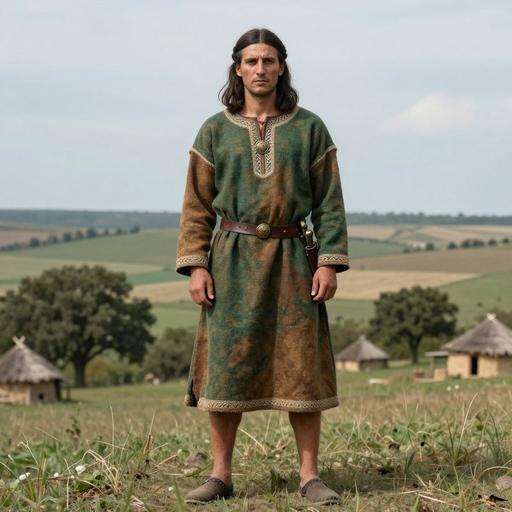
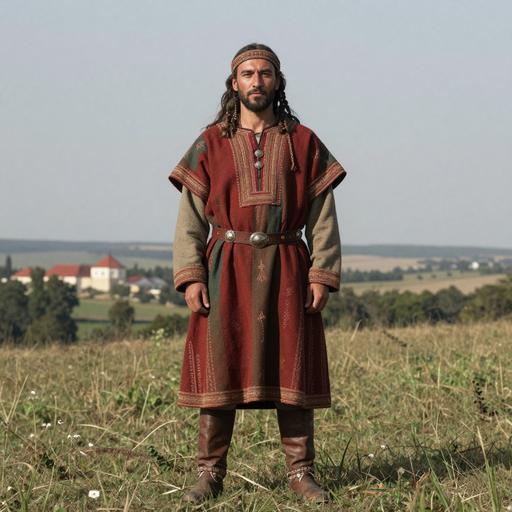
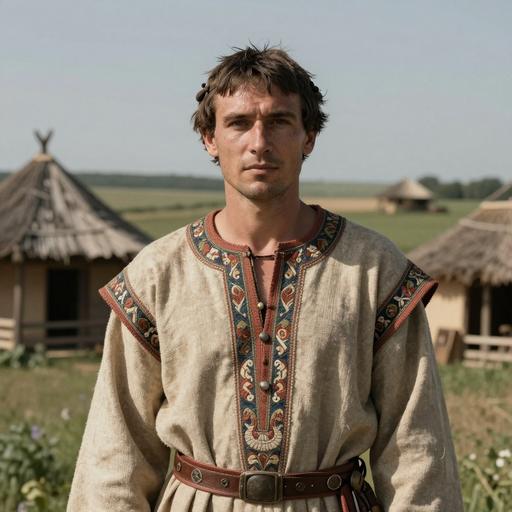
الصور الشخصية رسوم مولّدة بالذكاء الاصطناعي. تحدّد أسماء العينات ومعرّفات الإيداع السجلات المرجعية.

الصورة الشخصية العينة البلد الحقبة التاريخ الثقافة mtDNA نوع التطابق
صورة توضيحية مولّدة بالذكاء الاصطناعي للعينة Austroasiatic individual, Nui Nap, Vietnam (44 BCE-61 CE)
معرّف العينة: I2948
Vietnam Vietnam BA 44 BCE - 61 CE Dong Son Culture M8a2 تطابق مباشر
صورة توضيحية مولّدة بالذكاء الاصطناعي للعينة Vietnam Ba individual, Nui Nap, Vietnam (44 BCE-61 CE)
معرّف العينة: I2948
Vietnam Vietnam BA 44 BCE - 61 CE Dong Son Culture M8a2 تطابق مباشر
صورة توضيحية مولّدة بالذكاء الاصطناعي للعينة Ancient Chinese Civilization individual, Henan province. Yingyang county. Wanggou village. Wanggou site, China (3,550-3,050 BCE)
معرّف العينة: WGM70
China Middle Neolithic Yellow River, China 3550 BCE - 3050 BCE Yellow River Culture M8a2 تطابق مباشر
صورة توضيحية مولّدة بالذكاء الاصطناعي للعينة China Mn individual, Henan province. Yingyang county. Wanggou village. Wanggou site, China (3,550-3,050 BCE)
معرّف العينة: WGM70
China Middle Neolithic China 3550 BCE - 3050 BCE M8a2 تطابق مباشر
صورة توضيحية مولّدة بالذكاء الاصطناعي للعينة Ancient Chinese Civilization individual, Henan province. Jiazuo city. Jiaozuoniecun site, China (250-50 BCE)
معرّف العينة: LGM41
China Late Bronze Age to Iron Age China 250 BCE - 50 BCE Chinese Bronze-Iron M8a2b فرع فرعي
صورة توضيحية مولّدة بالذكاء الاصطناعي للعينة China Ia individual, Henan province. Jiazuo city. Jiaozuoniecun site, China (250-50 BCE)
معرّف العينة: LGM41
China Iron Age China 250 BCE - 50 BCE M8a2b فرع فرعي
صورة توضيحية مولّدة بالذكاء الاصطناعي للعينة Middle Avar-o Low East Asia individual, Rákóczifalva-Bagi-földek (Jász-Nagykun-Szolnok Coiunty, Szolnok), Hungary (650-900 CE)
معرّف العينة: RKF029
Hungary Hungary MiddleAvar 650-900 CE Avar Culture M8a2b فرع فرعي
صورة توضيحية مولّدة بالذكاء الاصطناعي للعينة Middle Late Avar-o Low East Asia individual, Rákóczifalva-Bagi-földek (Jász-Nagykun-Szolnok Coiunty, Szolnok), Hungary (650-800 CE)
معرّف العينة: RKF031
Hungary Hungary MiddleLateAvar 650-800 CE Avar M8a2b فرع فرعي
صورة توضيحية مولّدة بالذكاء الاصطناعي للعينة Middle Late Avar-o Low East Asia individual, Rákóczifalva-Bagi-földek (Jász-Nagykun-Szolnok Coiunty, Szolnok), Hungary (650-800 CE)
معرّف العينة: RKF040
Hungary Hungary MiddleLateAvar 650-800 CE Avar M8a2b فرع فرعي
صورة توضيحية مولّدة بالذكاء الاصطناعي للعينة Middle Late Avar-o Low East Asia individual, Rákóczifalva-Bagi-földek (Jász-Nagykun-Szolnok Coiunty, Szolnok), Hungary (650-800 CE)
معرّف العينة: RKF141
Hungary Hungary MiddleLateAvar 650-800 CE Avar M8a2b فرع فرعي
أمومية · الحمض النووي القديم

خريطة الأدلة القديمة للسلالة

تتبّع الفروع الأصلية المؤدية إلى هذا الفرع واستكشف مواقع العثور على العينات القديمة المرتبطة به.

جارٍ تحميل السجلات القديمة…

تشير العلامات إلى مواقع الاكتشافات الأثرية. يشير الخط المتقطّع إلى انتقال جغرافي محتمل بين فرعين متتاليين تدعمه عدة سجلات مؤرّخة. لا يحدّد مسارًا دقيقًا أو مكان نشأة ولا يثبت انحدارًا مباشرًا. قد تنتمي عينات الفروع الأصلية إلى فروع متفرّعة أخرى. تبقى الفجوات حيث لا تكفي الأدلة. تختلف تواريخ العينات عن تواريخ نشأة المجموعات الفردانية.

الملف المرجعي

خريطة توزيع العينات

التوزيع الجغرافي لعينات الحمض النووي القديم المطابقة مباشرةً للمجموعة M8A2 أو لفروعها الفرعية. عدد العينات: 12

عينة مطابقة مباشرةً عينة من فرع فرعي
التصفية حسب الفترة
جميع الفترات
تُعرض جميع العينات
الملف المرجعي

التوزيع الزمني

توزيع العينات عبر الفترات الأثرية

الملف المرجعي

التوزيع الجغرافي

عدد العينات حسب بلدها المسجّل. تعكس الأعداد العينات المرجعية المتاحة دون قياس تواتر المجموعات الفردانية بين السكان.

الملف المرجعي

توزيع العينات حسب البلد والحقبة

قارن أعداد العينات المسجّلة حسب البلدان والفترات الأثرية. اختر خلية تحتوي على نتائج للاطّلاع على إحدى العينات.

البيانات

البيانات ومصادرها

معلومات المصادر وجودة البيانات

آخر تحديث 2026-06-14
درجة الثقة 50/100
التغطية Low

مصدر البيانات

يعكس التصنيف والتواريخ التقديرية والسياق الجغرافي البيانات المرجعية المسجّلة، وقد تتغيّر مع مراجعة الأدلة. تختلف تغطية العينات، ولا تثبت المواقع المسجّلة والارتباطات الأثرية الأصول الشخصية أو الهوية الثقافية.

تتبع المجموعة الفردانية خطاً واحداً من جهة الأم أو الأب. ويعتمد تحديد الفرع المرجح على الواسمات الموجودة في ملف الحمض النووي. كيف نحلّل الحمض النووي