Skip to report details
Shared Roots Report

Explore your ancient DNA matches.

Use a compatible file to inspect stretches of DNA that match ancient reference samples. Explore the place and period associated with each sample.

Report price per sample $26

35% off Code BLACKFRIDAY35
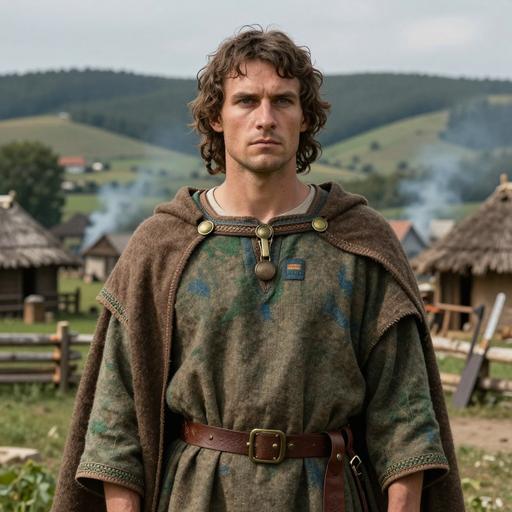
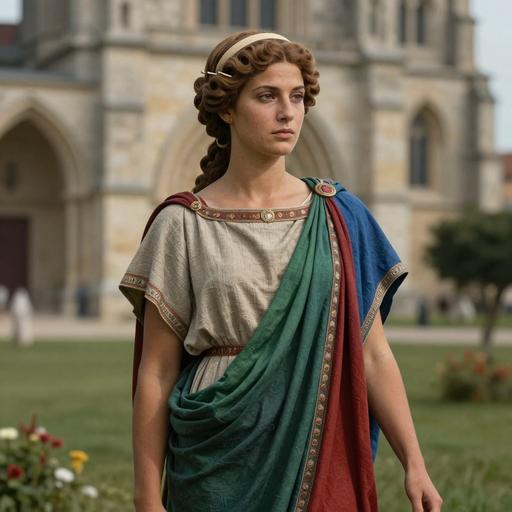
AI-generated artistic reconstruction, not a photograph of the individual.

This image was created by an AI model as an artistic reconstruction, inspired by the individual's estimated period, region and archaeological context. It is an illustration, not a photograph or verified likeness, so details such as facial features, skin, hair, clothing and adornment are imagined and may differ from the real person. It is provided for illustration only and does not describe your own appearance or ancestry. To the extent permitted by law, DNA Genics, S.L. is not liable for decisions taken based on this image.

A personal report you can explore.

Explore matches with ancient reference samples and see where and when those individuals lived. The chromosome view shows where each matching stretch of DNA occurs and how long it is. The measurements describe genetic similarity.

We introduced Shared Roots in 2023. Its reports show the ancient reference individual and the DNA segments behind a match. Explore a sample report

Illustrative comparison
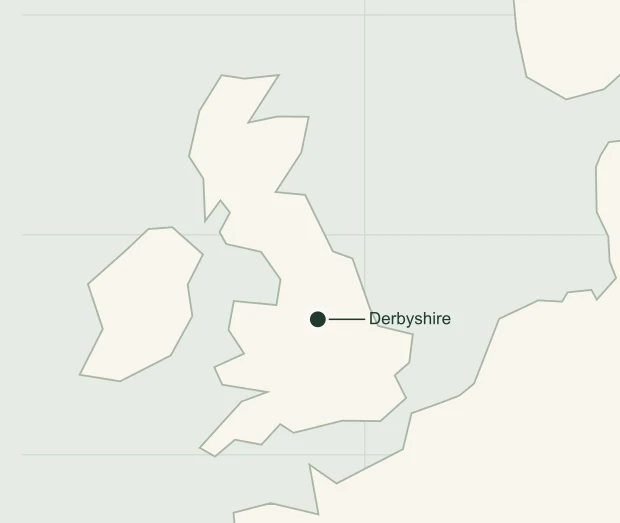
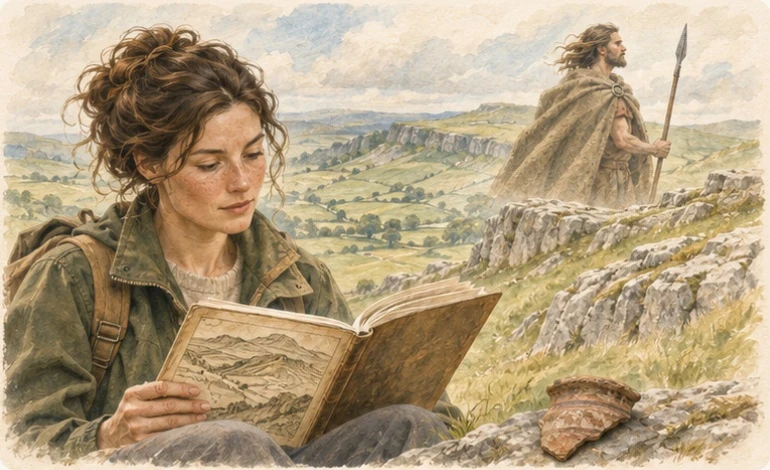
Illustration setting · Iron Age Derbyshire · Natural Earth

Two stretches of matching DNA

matching segments
2
combined length
6.0 cM
  • Segment 1 2.5 cM
  • Segment 2 3.5 cM

In this example, a modern sample and an ancient sample match at the tested markers along two stretches of DNA. This is called identity by state (IBS). Centimorgans (cM) measure genetic length. Short matches like these can occur in many people.
Explore the reference collection

Explore the reference collection

Browse the people, places, and periods behind the samples Shared Roots Report uses for comparison.

Map preview This map shows a preview of 150 of 9465 reference individuals used in this report. Search the complete list in the table below.

Browse The Complete Reference Panel

Sample ID Name Location Era mtDNA Y-DNA

Loading reference individuals…

No reference individuals match your search.

AI-generated artistic reconstruction, not a photograph of the individual.

Page 1

The reference library is unavailable right now. You can still view the sample report or follow the illustrated examples below.

Three sample stories

Choose a reference place to follow its story.

Follow one comparison

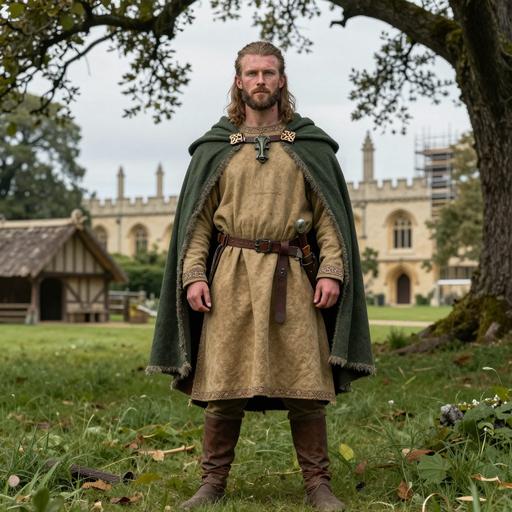
Oxford, England

St John's College · 880-1000 CE

AI-generated artistic reconstruction accompanying Viking Age Oxford
880-1000 CE Viking Age Oxford Oxford, England
AI-generated artistic reconstruction, not a photograph of the individual.

This image was created by an AI model as an artistic reconstruction, inspired by the individual's estimated period, region and archaeological context. It is an illustration, not a photograph or verified likeness, so details such as facial features, skin, hair, clothing and adornment are imagined and may differ from the real person. It is provided for illustration only and does not describe your own appearance or ancestry. To the extent permitted by law, DNA Genics, S.L. is not liable for decisions taken based on this image.

A sample from Viking Age England.

Follow one comparison

Metz, France

Saint-Pierre-aux-Nannains · 1297-1395 CE

AI-generated artistic reconstruction accompanying Medieval France
1297-1395 CE Medieval France Metz, France
AI-generated artistic reconstruction, not a photograph of the individual.

This image was created by an AI model as an artistic reconstruction, inspired by the individual's estimated period, region and archaeological context. It is an illustration, not a photograph or verified likeness, so details such as facial features, skin, hair, clothing and adornment are imagined and may differ from the real person. It is provided for illustration only and does not describe your own appearance or ancestry. To the extent permitted by law, DNA Genics, S.L. is not liable for decisions taken based on this image.

A sample from medieval France.

Follow one comparison

Szólád, Hungary

Szólád archaeological context · 412-604 CE

AI-generated artistic reconstruction accompanying Langobard-period context
412-604 CE Langobard-period context Szólád, Hungary
AI-generated artistic reconstruction, not a photograph of the individual.

This image was created by an AI model as an artistic reconstruction, inspired by the individual's estimated period, region and archaeological context. It is an illustration, not a photograph or verified likeness, so details such as facial features, skin, hair, clothing and adornment are imagined and may differ from the real person. It is provided for illustration only and does not describe your own appearance or ancestry. To the extent permitted by law, DNA Genics, S.L. is not liable for decisions taken based on this image.

A sample from the Migration Period.

How it works

How we find matching DNA.

Follow three steps to see how Shared Roots Report compares the same positions in two DNA samples.

Illustration with example data

One row of DNA positions

Example filePositions 1-10
Each cell shows one example DNA position.
Illustration with example data

Two samples, same positions

Example filePositions 1-10
Example referenceSame positions
The second row shows the same positions in an ancient sample.
Illustration with example data

A matching stretch

Example filePositions 1-10
Example referenceSame positions
Positions 3 to 6 match in this illustration.

How to interpret a match (IBS and IBD)

Read a match alongside its length, the number of DNA positions compared, and the quality of the ancient data. The diagram uses made-up letters. The report uses many DNA markers and quality criteria.

Identity by state (IBS) describes matching genetic states at the positions compared. Identity by descent (IBD) describes DNA inherited through a common lineage. Matching states alone cannot establish IBD.

The shared DNA percentage summarizes the comparison of matching segments. It cannot tell you your chance of descending from an individual.

Shared Roots Report pricing

Choose an eligible uploaded sample at checkout. Checkout confirms your access and final total. Billing is in the currency confirmed at checkout.

Shared Roots Report

$26 $40 original price

35% off Code BLACKFRIDAY35

Ancient DNA matches, chromosome evidence and historical context.

Choose report

Ancient Reports Pack

$45.35 $69.77 original price

35% off Code BLACKFRIDAY35

Includes Shared Roots Report plus Neanderthal Report, Denisovan Report, Farmers and Hunter-Gatherers Report.

Choose package

From DNA file to report.

  1. Upload a compatible DNA file.

  2. Buy access for your sample.

  3. Open your report when it’s ready.

File compatibility

Use your existing DNA data.

Supported providers include 23andMe, AncestryDNA, MyHeritage, FamilyTreeDNA and LivingDNA. Supported whole-genome files may require conversion. Coverage and processing affect available results.

Review upload options

Review how your DNA file is handled.

Read about consent, processing, and retention before you upload.

Read the Privacy Policy

Frequently asked questions

What will I discover in my report?

Explore which available ancient samples have matching stretches of DNA with yours, see where and when those individuals lived, and examine the matches in your personal online report. A segment is a stretch of DNA. Your report brings together match profiles, portraits where available, maps, historical context, chromosome views and a Heritage Summary. Report editions and available sections can vary. Matches depend on the DNA information available in your file and the ancient samples.

Does a match prove that an individual is my ancestor?

No. A shared-segment match describes genetic similarity to a reference sample. It does not establish direct descent, a documented family-tree relationship, ethnicity or cultural identity. Segment length, coverage and the comparison method affect interpretation.

How do I explore the reference samples?

Use Search samples to find references by name, location, era or Sample ID, or switch to Map preview. Select a map marker or table row to open the sample details. The map shows a geographically spread preview when the reference panel is large; the paginated list searches the available mapped reference samples. These are reference individuals, not your personal matches. The guided comparison and marker strips below use synthetic example data.

What is the difference between IBS and IBD?

Identical by state (IBS) describes matching genetic states. Identical by descent (IBD) describes segments inherited through a common lineage. Matching states alone do not prove IBD, especially across distant periods. Read the Shared Roots Report as a comparison with uncertainty, not a genealogical certificate.

Can I try the report before uploading?

Yes. Select View sample report to open the read-only demo. The illustrative report mockups on this page use example values, not personal results or expected match counts. Portraits are artistic reconstructions.

I have already uploaded DNA. What should I do?

See pricing, choose an option, and continue with the account holding your file. You can select an eligible uploaded sample at checkout.

Is Shared Roots Report included when I upload?

Uploading starts processing for a compatible file and available free reports. Shared Roots Report requires a separate purchase or an eligible package that includes it.

What do shared DNA percentages mean?

They describe the report's matched-segment comparison metric. They are not exact genealogical proportions or probabilities of descent from a named individual. Coverage, reference quality and the matching method affect the result.

Are the portraits photographs?

This image was created by an AI model as an artistic reconstruction, inspired by the individual's estimated period, region and archaeological context. It is an illustration, not a photograph or verified likeness, so details such as facial features, skin, hair, clothing and adornment are imagined and may differ from the real person. It is provided for illustration only and does not describe your own appearance or ancestry. To the extent permitted by law, DNA Genics, S.L. is not liable for decisions taken based on this image.

Which DNA files can I use?

Start with a compatible autosomal RAW DNA file. Supported providers include 23andMe, AncestryDNA, MyHeritage, FamilyTreeDNA and LivingDNA. Supported whole-genome data may require conversion. Results depend on marker coverage and successful processing.

Is AI interpretation included?

AI interpretation requires a separate active AI Assistant license. Core report access and AI features are separate. AI-generated content, informational only and not medical, genealogical, or legal advice. It may contain inaccuracies; verify independently. DNA Genics, S.L. accepts no liability for decisions based on this content.

How should I choose a purchase option?

Choose the standalone report when available, or review a package whose current catalog inclusions contain Shared Roots Report. Checkout confirms the selected product, eligible sample and total. Display currency may vary; billing is in the currency confirmed at checkout.

Where can I review data and processing information?

Read the upload information and Privacy Policy before providing a file. They describe consent, processing and retention. Existing account controls for files and preferences remain available. Processing availability and completion depend on your file and account state.

Shared Roots Report

Take a look inside the report

Open the sample report to see how a match is presented.