انتقل إلى المحتوى الرئيسي
ملفات الحمض النووي

Don–Northern Mariupol: Golubaya‑Krinitsa

Early Neolithic community on the middle Don revealed through burials and ancient DNA

5719 CE - 5227 BCE
Golubaya‑Krinitsa, Rossoshansky District, Voronezh Oblast, Russia

القصة

Golubaya‑Krinitsa (5719–5227 BCE), a Don River Neolithic burial site in Voronezh Oblast, Russia, offers a vision of an early riverside community. Six ancient genomes show predominantly U mtDNA and mixed R/I paternal lineages; conclusions remain preliminary due to small sample size.

Time Period

5719–5227 BCE

Region

Golubaya‑Krinitsa, Rossoshansky District, Voronezh Oblast, Russia

Common Y-DNA

R (incl. R1a), I (observed)

Common mtDNA

U (dominant; includes U4)

الموضوعات

الخط الزمني

5719 BCE

Earliest burials at Golubaya‑Krinitsa

Radiocarbon dates indicate burials at the Golubaya‑Krinitsa cemetery began around 5719 BCE, marking an early Don River Neolithic mortuary tradition.

Origins & Emergence

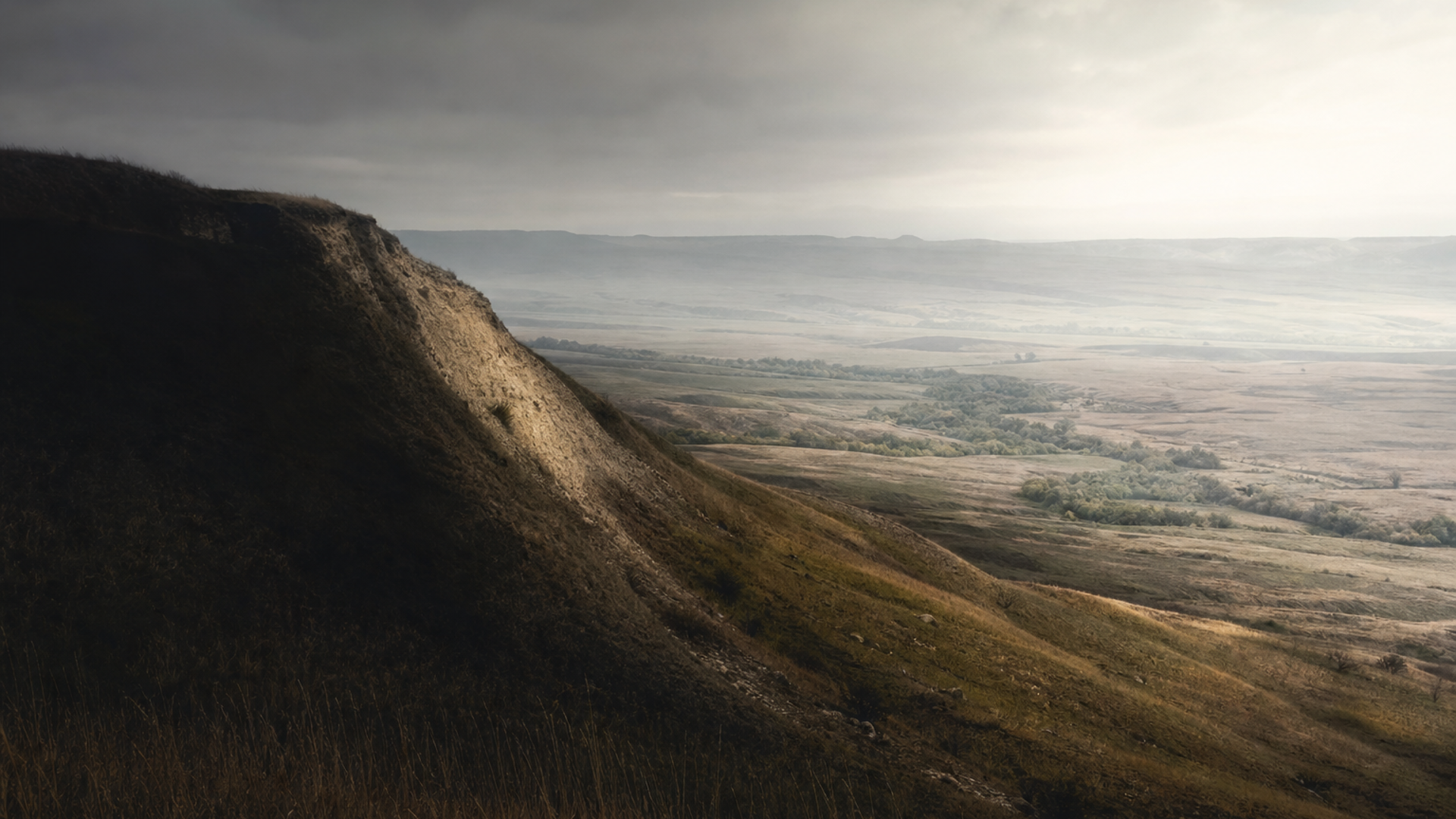
The Golubaya‑Krinitsa graves sit like a ledger of the middle Don's first riverine communities, dated by radiocarbon to roughly 5719–5227 BCE. Archaeological data indicates this assemblage belongs to the Don Culture of Northern Mariupol horizon — a cluster of burial practices and material traits found along the Don and its tributaries. Excavations in Golubaya Krinitsa Village (Rossoshansky District, Voronezh Oblast) revealed inhumations and grave goods that speak to a settled lifeway tied to floodplain resources.

Material culture — pottery, burial positions, and grave associations — suggests local development mixing long‑standing eastern European Neolithic traditions with innovations in ritual and craft. Limited evidence suggests interaction with neighboring groups up and down the Don corridor: exchange of ideas and perhaps people across river valleys. The chronology places Golubaya‑Krinitsa in a transitional Neolithic to early Eneolithic landscape, where sedentary foraging, early husbandry, and regional networks coexisted.

Caveat: overall sample counts and site coverage remain modest. While the graves provide a vivid snapshot, broader regional inference should be cautious until more sites and genomes are integrated into the picture.

  • Radiocarbon dates center on 5719–5227 BCE
  • Associated with Don Culture of Northern Mariupol
  • Site at Golubaya‑Krinitsa records burials and riverine lifeways

Daily Life & Society

Archaeological traces from Golubaya‑Krinitsa evoke a life lived beside a wide river: seasonal fishing, wetland foraging, and small‑scale cultivation or herding are plausible activities inferred from the context of burials and nearby ecological zones. Burials often carry personal items and pottery, hinting at social distinctions expressed in mortuary practice rather than monumental architecture.

The archaeological record indicates communities of modest size, likely organized around extended family groups using the Don floodplain's rich resources. Craft specialization appears limited but present — pottery forms show regional styles and technical knowledge shared across sites. The burial rituals themselves, the way bodies were placed and accompanied, provide the clearest window into social memory and identity: gestures of care, repetition of form, and selective inclusion of goods suggest structured social roles and belief systems.

Environmentally, the middle Don would have provided reeds, fish, and seasonal game, enabling a mixed subsistence economy. Mobility probably combined local sedentism with regular movement along waterways for exchange, marriage, and resource procurement. Archaeological data indicates an intimate dialogue between people and river, where the Don shaped diet, ritual, and connectivity.

  • Riverside mixed subsistence: fishing, foraging, early husbandry
  • Mortuary variability suggests social roles and memory

Genetic Profile

Six ancient genomes from Golubaya‑Krinitsa (sample count = 6) provide an initial genetic portrait of this early Don community; however, the small sample size makes all conclusions provisional. Maternal lineages are dominated by haplogroup U (five individuals), with one instance specifically assigned to U4 — a lineage frequently associated with European hunter‑gatherer ancestry. This predominance of U suggests continuity of maternal genetic threads that trace back to long‑established European forager populations.

Paternal markers among the studied males are heterogeneous: two individuals carry broad R‑lineages (one specifically R1a), and two carry haplogroup I. Haplogroups R and I have deep histories in Europe and surrounding regions; R1a in particular later becomes widespread in eastern Europe and the steppe, but linking a single early R1a instance at Golubaya‑Krinitsa to later large‑scale movements would be speculative. Archaeogenetic data here is consistent with a local Neolithic population that retained hunter‑gatherer maternal ancestry while showing diverse paternal inputs — possibly reflecting patrilineal mobility, exogamy, or small‑scale migrations.

Genetic affinities inferred from autosomal data (limited at this sample size) tentatively place these individuals within the broader eastern European Neolithic genetic landscape, with signals that warrant comparison to other Don‑region and forest‑steppe peoples as more genomes become available. In short: evocative early patterns, but preliminary.

  • Maternal dominance of haplogroup U (5 of 6); includes U4
  • Paternal diversity: R (incl. R1a) and I observed; interpretations tentative

Legacy & Modern Connections

Golubaya‑Krinitsa offers a cinematic glimpse into the deep past of the Don basin: riverine cemeteries where personal stories are encoded in bone and DNA. The high prevalence of mtDNA U connects these burials to a long continuum of European hunter‑gatherer maternal lineages that persisted into the Neolithic in many parts of eastern Europe. The mixture of paternal haplogroups reflects a dynamic frontier where local persistence met incoming male lineages — a pattern echoed in later prehistoric transitions across the region.

Caution is essential: with only six genomes, any modern population linkage or sweeping narrative of migration remains speculative. Nonetheless, the site is an important anchor point — it illuminates how communities along the Don could combine deep local ancestry with new genetic threads, shaping the human tapestry of Eastern Europe over millennia.

  • mtDNA links to long‑standing European hunter‑gatherer maternal lines
  • Paternal diversity hints at mobility and interaction; conclusions are preliminary

مساعد الذكاء الاصطناعي

مساعد الذكاء الاصطناعي من DNA Genics

فتح هذه الميزة
اطرح أسئلة عن ثقافة Don–Northern Mariupol: Golubaya‑Krinitsa. يمكن للمساعد شرح النتائج الجينية والسياق التاريخي والأدلة الأثرية والصلات بالعصر الحديث.
مثال على تحليل بالذكاء الاصطناعي

لمحة عن ثقافة Don–Northern Mariupol: Golubaya‑Krinitsa

تساعد عينات الحمض النووي القديم الباحثين على دراسة أنماط الهجرة والعلاقات الجينية بين المجموعات السكانية القديمة.

هذه معاينة للتحليل. يتيح المساعد الكامل استكشاف الموضوعات التالية:

  • التركيب الجيني والأصول
  • أنماط الهجرة والأصول
  • الحياة اليومية والممارسات الثقافية
  • الإرث الجيني المعاصر