Archaeological and genomic evidence from 28 individuals (10509–4251 BCE) illuminates the lifeways and genetic profile of Eastern European Hunter‑Gatherers across Ukraine and Russia, highlighting riverine mobility, maternal U lineages, and a predominantly EHG ancestry component.
الخريطة التفاعلية غير متاحة. يمكنك الاطلاع على المواقع المسجّلة في كتالوج العينات.
الخط الزمني
10509 BCE
Earliest sampled individuals
Human remains dated to ca. 10,509 BCE document early post‑glacial occupation of the East European Plain.
4251 BCE
Late Mesolithic transitions
By ca. 4,251 BCE archaeological and genetic patterns begin to show increased regional variability and contacts with Neolithic traditions.
Origins & Emergence
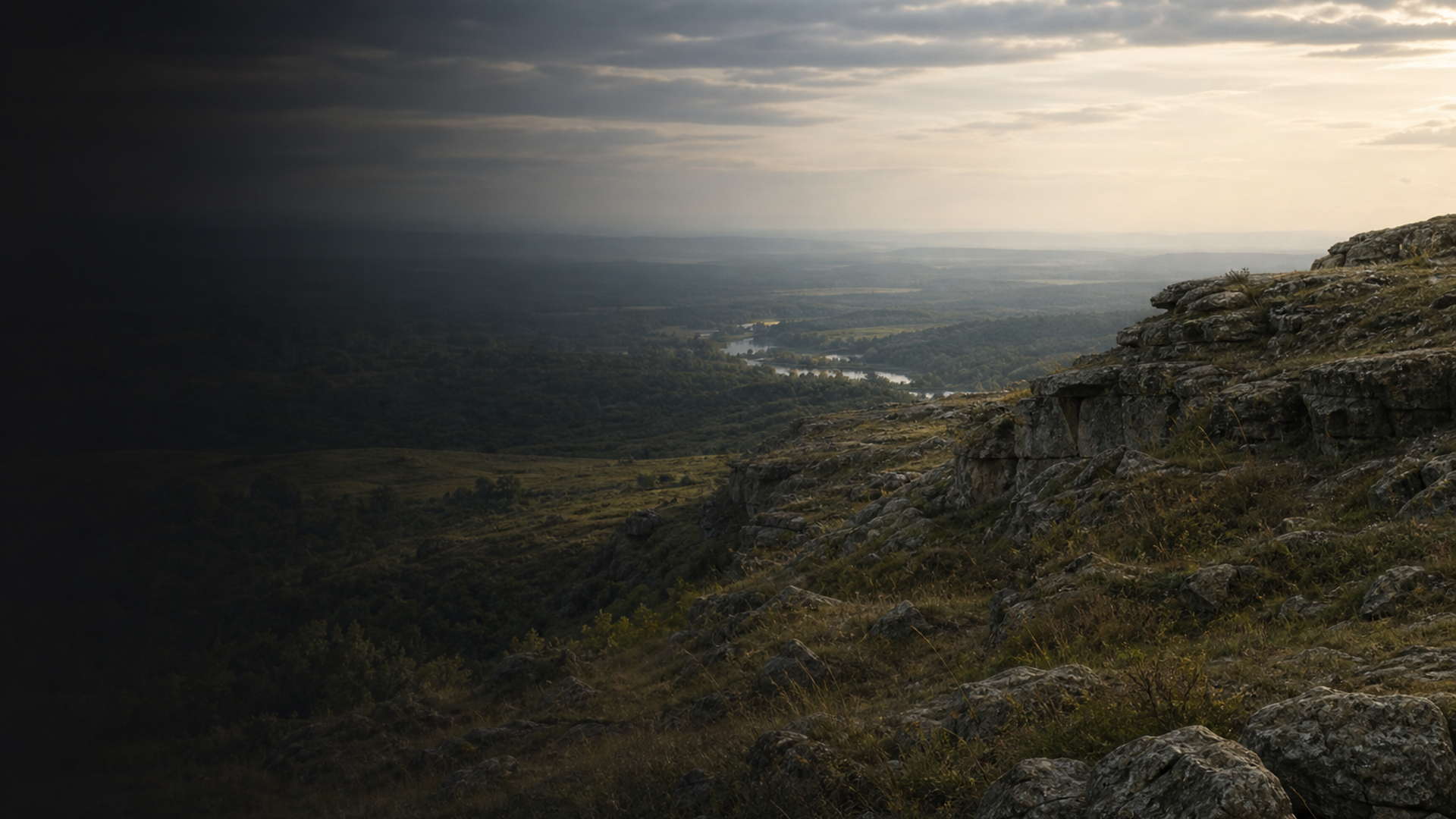
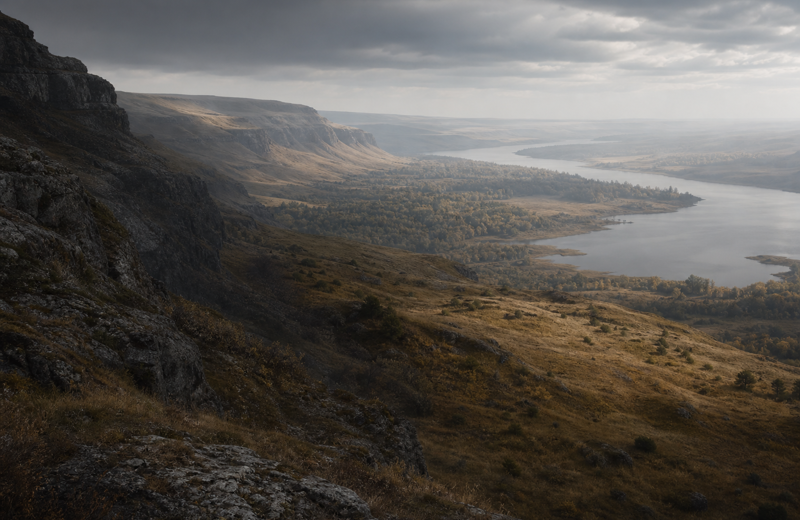
When the ice retreated and forests and rivers reclaimed the plain, small bands of hunter‑gatherers pushed back into the East European landscape. Archaeological data from sites such as Dereivka I, Vasil'evka, Vasylivka-1 and -3, Karavaikha 1, and Berendeyevo (Yaroslavl) document repeated occupation from the early Holocene through the late Mesolithic (ca. 10,509–4,251 BCE). Material assemblages preserved in these riverine and floodplain contexts point to a long-standing adaptation to steppe‑forest margins: microlithic toolkits, bone implements, and locality‑specific raw material use.
Genetic sampling of 28 individuals spanning this interval suggests a population that fits broadly within the Eastern European Hunter‑Gatherer (EHG) genetic horizon. This genomic signal implies deep continuity on the East European Plain while also leaving room for contacts with neighboring groups to the north and east. Archaeological affinities with the Mesolithic Veretye traditions in parts of the Vologda region and later overlaps with Neolithic Volosovo‑Lyalovo material hint at cultural continuities and gradual local change rather than abrupt replacement.
Limited evidence constrains fine‑scale models: localized site sequences and sparse preservation mean that regional patterns are still being refined, and interpretations should be seen as provisional pending further excavation and genomic sampling.
Post‑glacial recolonization of East European Plain (ca. 10,500 BCE onward)
Key sites: Dereivka I, Vasil'evka, Vasylivka, Karavaikha 1, Berendeyevo
Archaeology and aDNA indicate an EHG‑aligned population with local continuity
Daily Life & Society
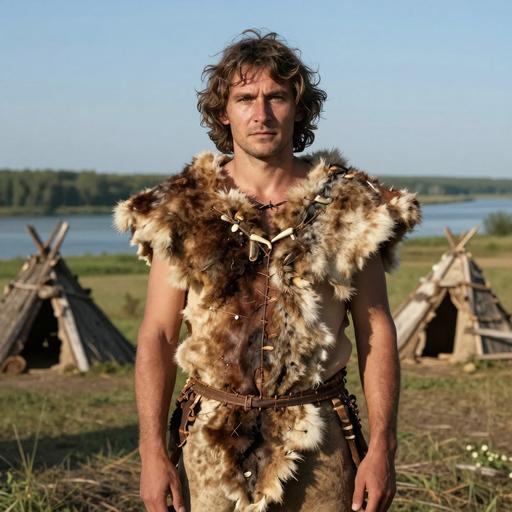
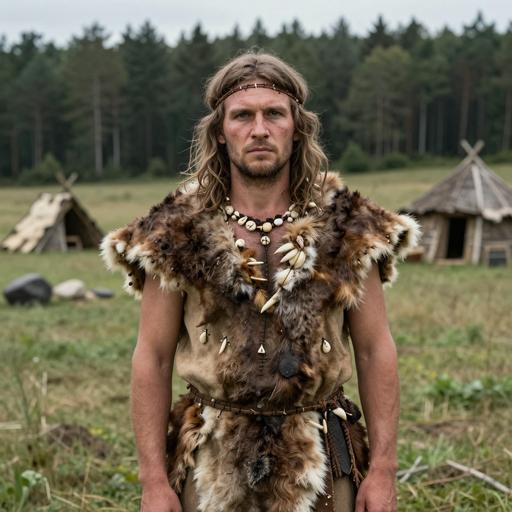
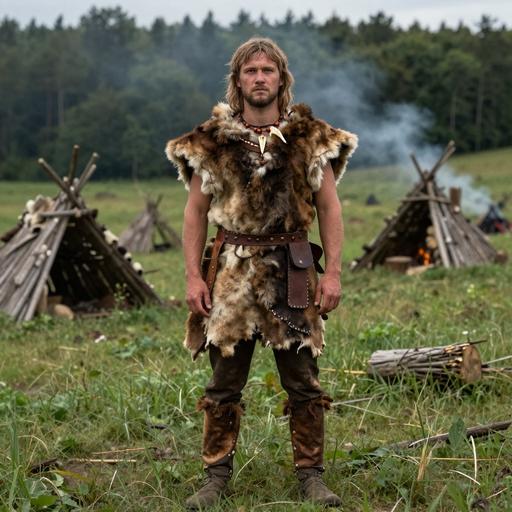
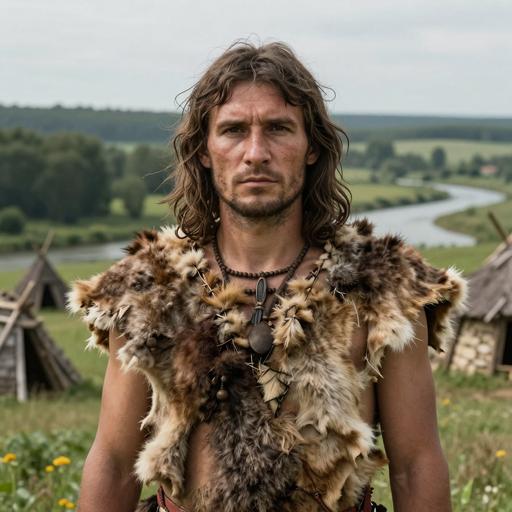
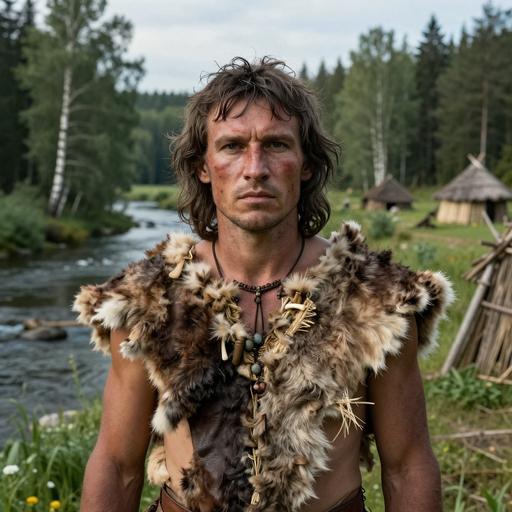
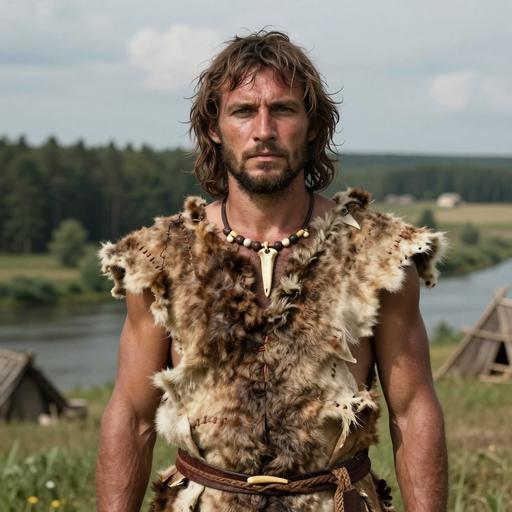
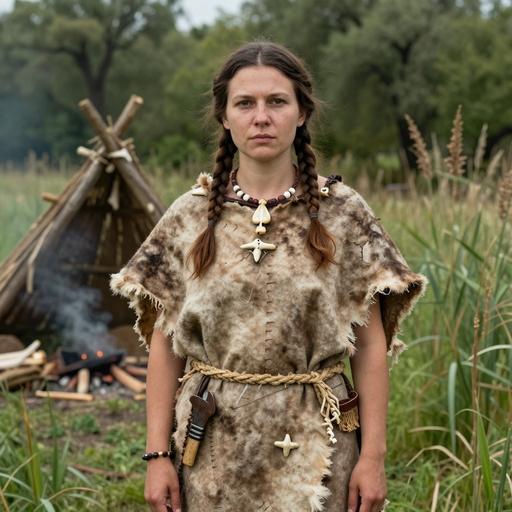
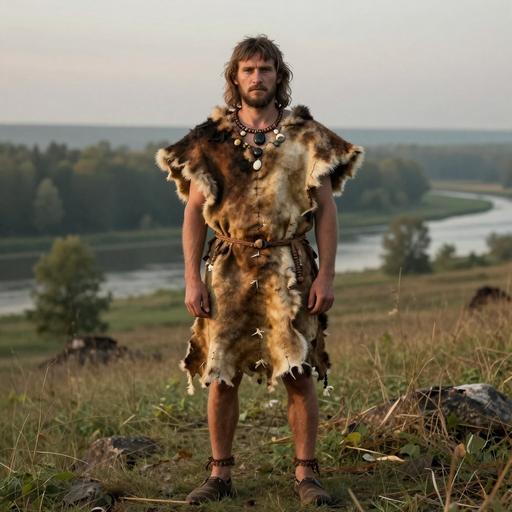
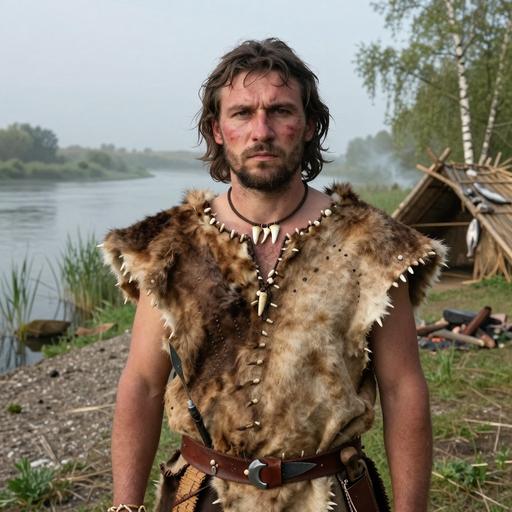
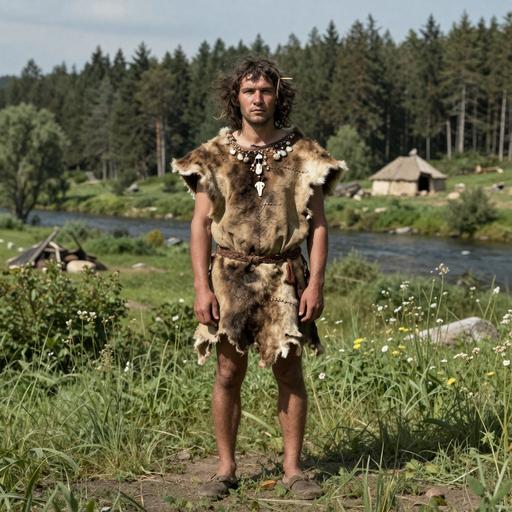
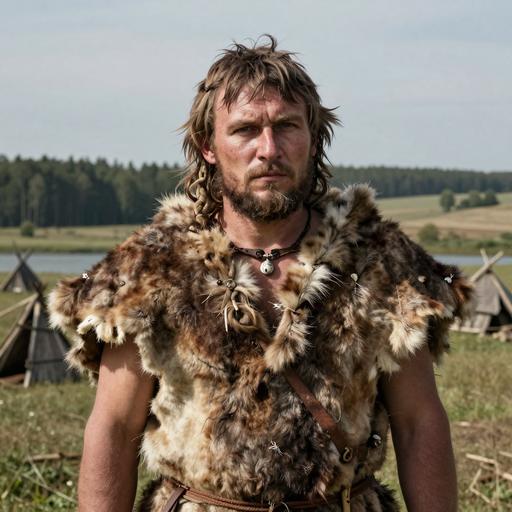
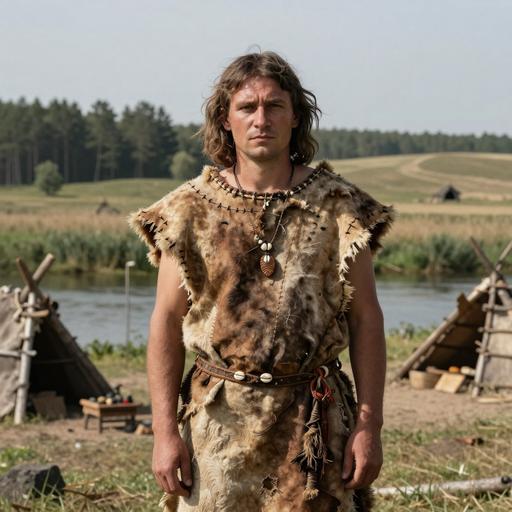
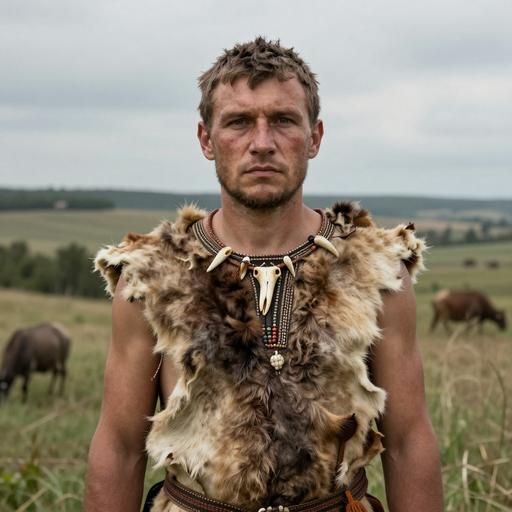
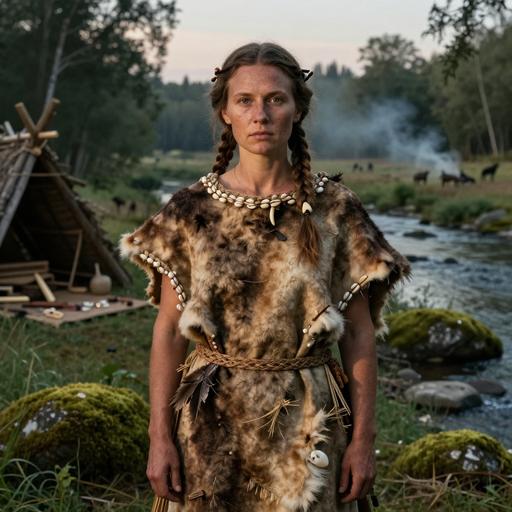
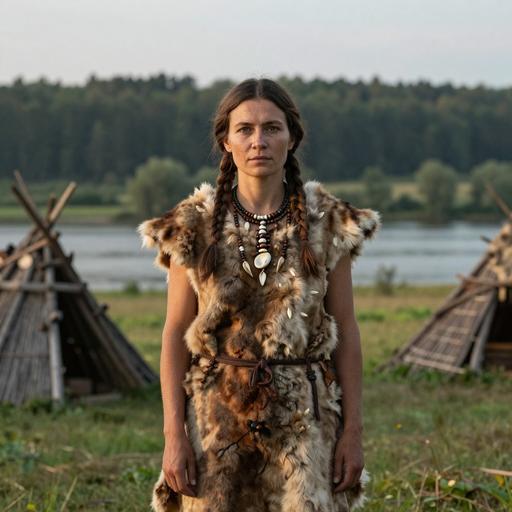
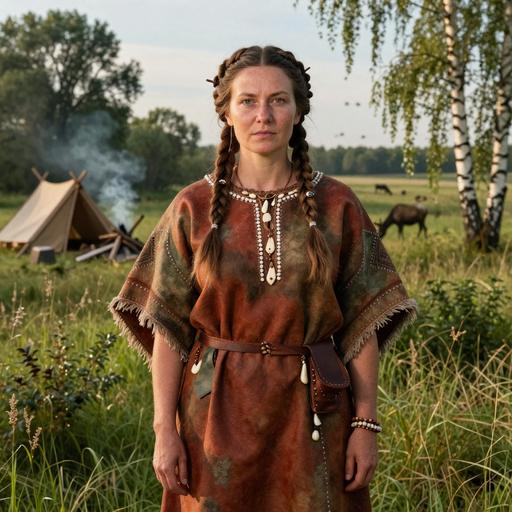
Archaeological traces paint a cinematic but pragmatic picture of Mesolithic life along rivers and wetlands. Camps and kill sites clustered near the Dnipro and smaller tributaries exploited a rich mosaic of fish, waterfowl, and large ungulates; archaeological data indicates heavy reliance on seasonally available riverine resources. Lithic evidence shows standardized microliths and retouched blades suitable for composite hunting implements, while worked bone and antler point to specialized fishing and sewing technologies.
Burials and disarticulated human remains recovered at several sampling locations provided the biological material for ancient DNA studies and, where preserved, offered taphonomic glimpses into mortuary practice. Communities were likely small, kin‑based, and mobile, tracking seasonal fisheries, rutting herds, and plant resources across a shifting landscape. Material culture displays local variability rather than a single uniform tradition: Veretye‑period elements appear in the north (Vologda), while southern sites near the Dnipro show distinct toolstone choices.
Because preservation and excavation intensity vary by site, reconstruction of social structure and ritual must remain cautious. Nevertheless, the archaeological record supports a resilient, adaptive lifeway sustained across millennia on the East European Plain.
Riverine and wetland subsistence: fish, waterfowl, and large mammals
Microlithic and bone tool industries; small, mobile kin groups
Genetic Profile
The genetic dataset for this cultural grouping comprises 28 dated individuals from Ukraine and northwest Russia (range 10,509–4,251 BCE). Maternal lineages are dominated by haplogroup U (14/28), a pattern repeatedly associated with European Mesolithic hunter‑gatherers. Secondary mtDNA lineages (K1, T, H, and U4b) occur in smaller numbers; these suggest limited maternal diversity and potential episodic contacts with neighboring groups or later admixture events.
On the paternal side, Y‑DNA shows a plurality of haplogroups: I (6) and R (6) are the most frequent, with Q present in four individuals and single occurrences of R1b and F. The presence of Q, in particular, may reflect eastern or northeastern gene flow into the East European Plain, while the coexistence of I and R lineages is consistent with a heterogeneous hunter‑gatherer population structure. Overall autosomal profiles (contextualized by broader studies of the region) are consistent with an Eastern European Hunter‑Gatherer (EHG) component that is distinct from Western Hunter‑Gatherer (WHG) groups further west.
Because sample counts per individual site can be small even though the total is 28, local patterns should be treated cautiously. The dataset is substantial enough to support a regional portrait of EHG‑aligned ancestry, but finer inferences about migration routes and micro‑demography await additional genomes and isotopic integration.
mtDNA dominated by U (14/28), typical of European Mesolithic maternal lineages
Y‑DNA plurality: I and R common; Q indicates eastern affinities; heterogeneous paternal landscape
Legacy & Modern Connections
The Eastern European Hunter‑Gatherers left a layered legacy in both genes and archaeological traditions. Maternal U lineages that are abundant in this dataset persist at low frequencies across modern Europe, and the EHG genetic component identified in these Mesolithic individuals contributes to the complex ancestry of later populations on the plain. Archaeologically, elements of Mesolithic lifeways—riverine resource focus, specialized toolkits, and local raw‑material traditions—appear to feed into subsequent Neolithic and Eneolithic cultural mosaics such as Volosovo‑Lyalovo in later periods.
However, this legacy must be framed within the reality of subsequent population movements: incoming Neolithic farmers and later Bronze Age steppe expansions introduced new genetic and cultural layers that reshaped the region. The Eastern European Hunter‑Gatherers therefore represent a durable but partial chapter in the genetic and cultural prehistory of Ukraine and adjacent Russian regions. Continued aDNA sampling, combined with targeted archaeological excavation, will refine how these Mesolithic groups fit into the long story of European population change.
Contributes EHG ancestry and maternal U lineages to later regional gene pools
Cultural elements persist into later Neolithic/Eneolithic traditions, but later migrations reshaped the genetic landscape
اطرح أسئلة عن ثقافة Echoes of Eastern Hunter‑Gatherers. يمكن للمساعد شرح النتائج الجينية والسياق التاريخي والأدلة الأثرية والصلات بالعصر الحديث.
AI-generated interpretation of genetic similarity, not proof of ancestry. Informational only, not professional advice.
Read full notice
Before you continue: the analysis you are about to generate is produced by an AI model. AI output can be incomplete, inaccurate, or simply wrong. It describes statistical genetic similarity to reference populations and is not proof of ancestry, ethnicity, identity, or descent. It is provided for informational and educational purposes only, and is not medical, diagnostic, genealogical, legal, or other professional advice. Do not rely on it to make health, financial, legal, or family decisions. To the fullest extent permitted by applicable law, DNA Genics, S.L. accepts no liability for any loss or decision arising from your use of this AI output.
مثال على تحليل بالذكاء الاصطناعي
لمحة عن ثقافة Echoes of Eastern Hunter‑Gatherers
تساعد عينات الحمض النووي القديم الباحثين على دراسة أنماط الهجرة والعلاقات الجينية بين المجموعات السكانية القديمة.
هذه معاينة للتحليل. يتيح المساعد الكامل استكشاف الموضوعات التالية: