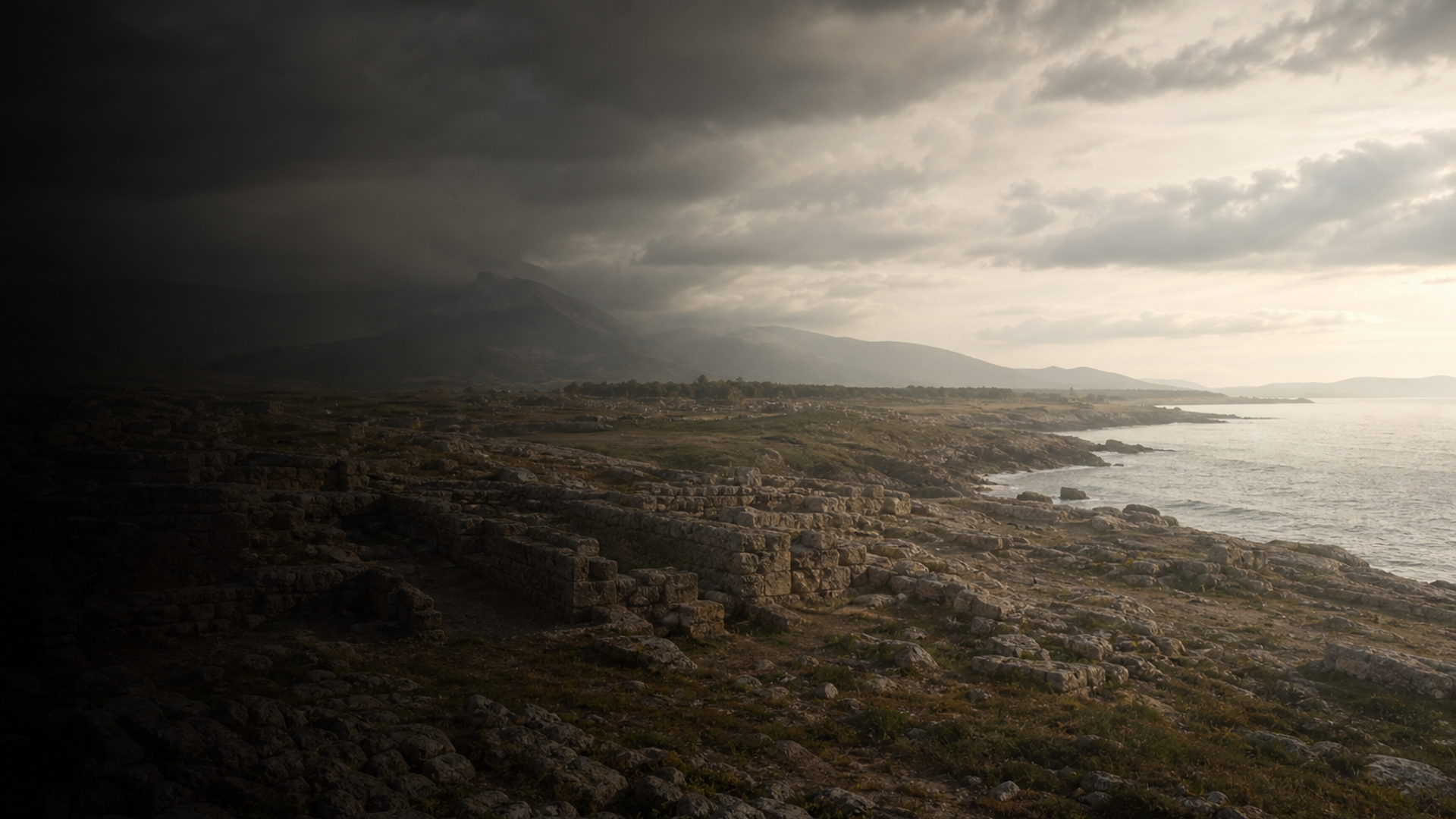
Life in and around Empúries would have been a tapestry of maritime trade, artisanal craft, and cultural exchange. Excavations in the Girona region and the necropolis at the Centre de Visitants reveal households engaged in commerce—amphorae and weights attest to oil, wine, and salted fish trade—while archaeobotanical remains point to a Mediterranean diet of cereals, legumes, olives, and grapes.
Burial customs recorded at the necropolis vary: some tombs include Greek-style grave goods and burial orientations, while others conform to regional Iberian practices. This funerary diversity suggests a community where identity was expressed through a plurality of rites. Craft workshops, inferred from slag, ceramic kilns, and spindle whorls, indicate local production interacting with imported techniques and styles. Street layouts and harbor installations emphasize Empúries' role as a trading entrepôt rather than a large polis.
Socially, the archaeological record implies a mixed population of locals and immigrants, with status signaled through imported luxuries in some graves and modest local goods in others. Ethnic boundaries were porous: intermarriage, economic alliances, and shared ritual space would have produced the blended daily life seen in the material remains.