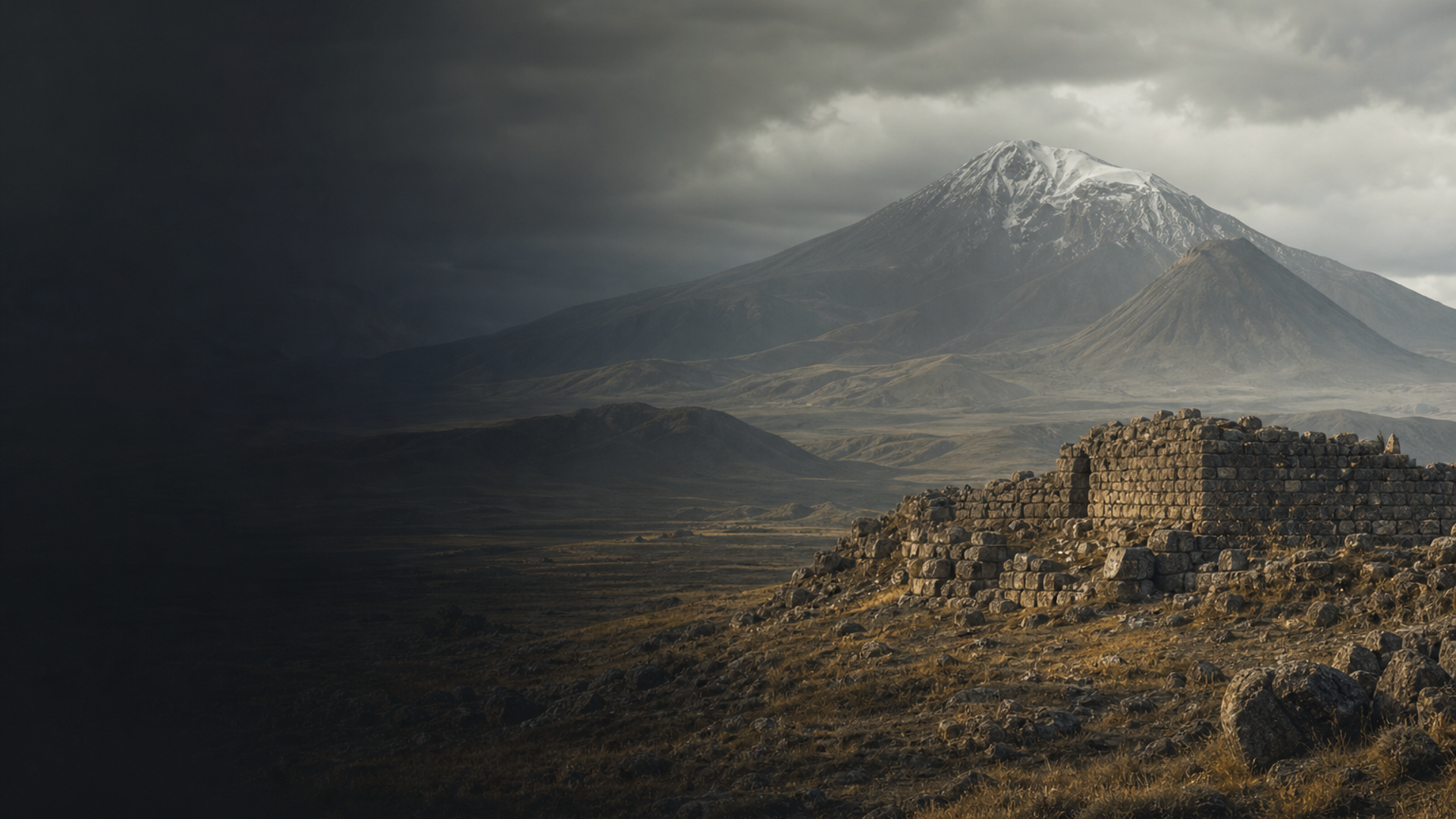
Archaeological remains evoke a textured daily world: households organized around hearths, woven textiles implied by loom weights, and a material economy shaped by animal husbandry, cereal cultivation, and metalworking. Excavations uncovered pottery types ranging from coarse storage jars to finely burnished vessels, suggesting differential usage and social display. Graves at Bragdzor and Bover include personal ornaments and tools that reflect individual identities and craft specialization.
The funerary record offers particularly rich social clues. Variability in grave goods—some richly furnished, others sparse—points to ranking or role distinctions within communities. Funerary positions, presence of animal offerings, and spatial clustering of graves imply family plots or kin-based neighborhoods. However, preservation bias favors stone and ceramic; perishable objects and organic remains are often missing, so reconstructions of diet, clothing, and smaller-scale ritual practice remain provisional.
Archaeobotanical and zooarchaeological sampling at some sites indicates mixed agriculture and pastoralism typical of the plateau environment. Together, these strands portray communities resilient in a challenging landscape, where craft, ritual, and exchange shaped daily rhythms.