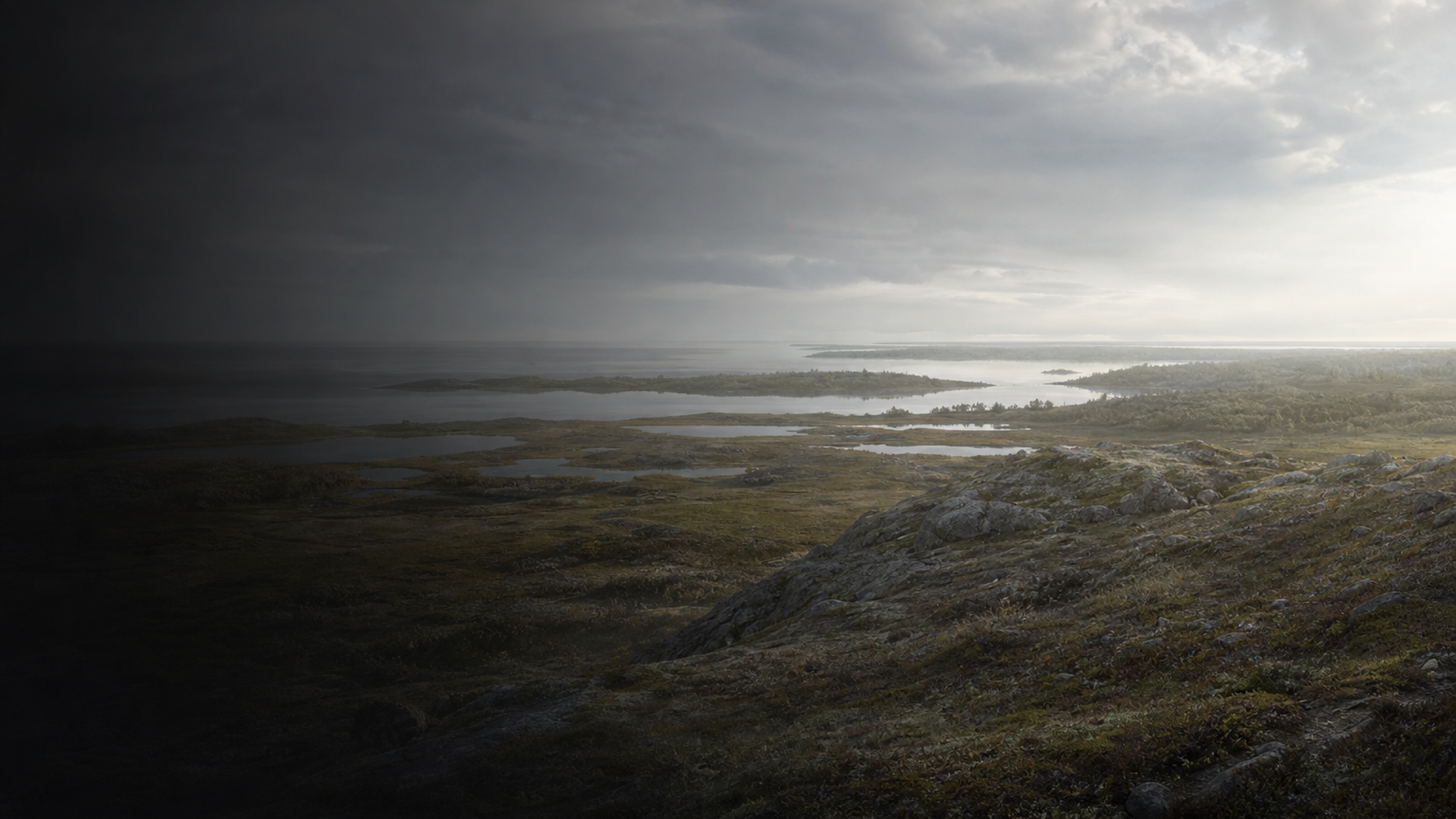
Archaeological remains from Motala conjure a world of water and wood: fishermen and hunters who moved with seasons, harvesting fish from lakes and rivers, hunting elk and deer in nearby forests, and gathering plant foods in summer. Material culture — stone tools, organic tool fragments, and remains recovered from wetland contexts — point to skilled lithic craftsmanship and woodworking, adapted to a landscape of open water and wooded shores.
Kanaljorden itself preserves evocative traces of social practice. Human skulls and articulated remains recovered from a lake basin hint at deliberate depositional acts; some finds appear arranged on wooden platforms or stakes, which suggests mortuary behaviors more complex than simple burial. These gestures were probably tied to memory, territory, and social identity in a low‑density world where small groups interacted across broad territories. Seasonal aggregation for fishing or exchange may have created moments for ritual acts and the sharing of stories and genes.
Archaeological data indicates mobility, resource specialization, and social practices tuned to wetland and littoral ecologies, but many specifics of social organization remain uncertain due to the fragmentary nature of the record.