انتقل إلى المحتوى الرئيسي
ملفات الحمض النووي

Poltavka: Voices of the Middle Volga

River-valley herders and kurgan graves revealed by archaeology and ancient DNA

2925 CE - 1767 BCE
Samara Oblast, Volga River Valley (Russia)

القصة

Middle Bronze Age Poltavka communities in the Samara/Volga region (2925–1767 BCE) are known from kurgan cemeteries and now ten ancient genomes. Archaeology and genetics together trace pastoral lifeways, male-biased steppe lineages, and links to later Sintashta-era societies.

Time Period

2925–1767 BCE

Region

Samara Oblast, Volga River Valley (Russia)

Common Y-DNA

R (7 of 10 samples)

Common mtDNA

U (5), H (2), U4b (1), I3a (1), T (1)

الموضوعات

الخط الزمني

2500 BCE

Poltavka horizon crystallizes

Poltavka kurgans and pastoral lifeways become archaeologically visible across the middle Volga, marking a Middle Bronze Age steppe horizon.

Origins & Emergence

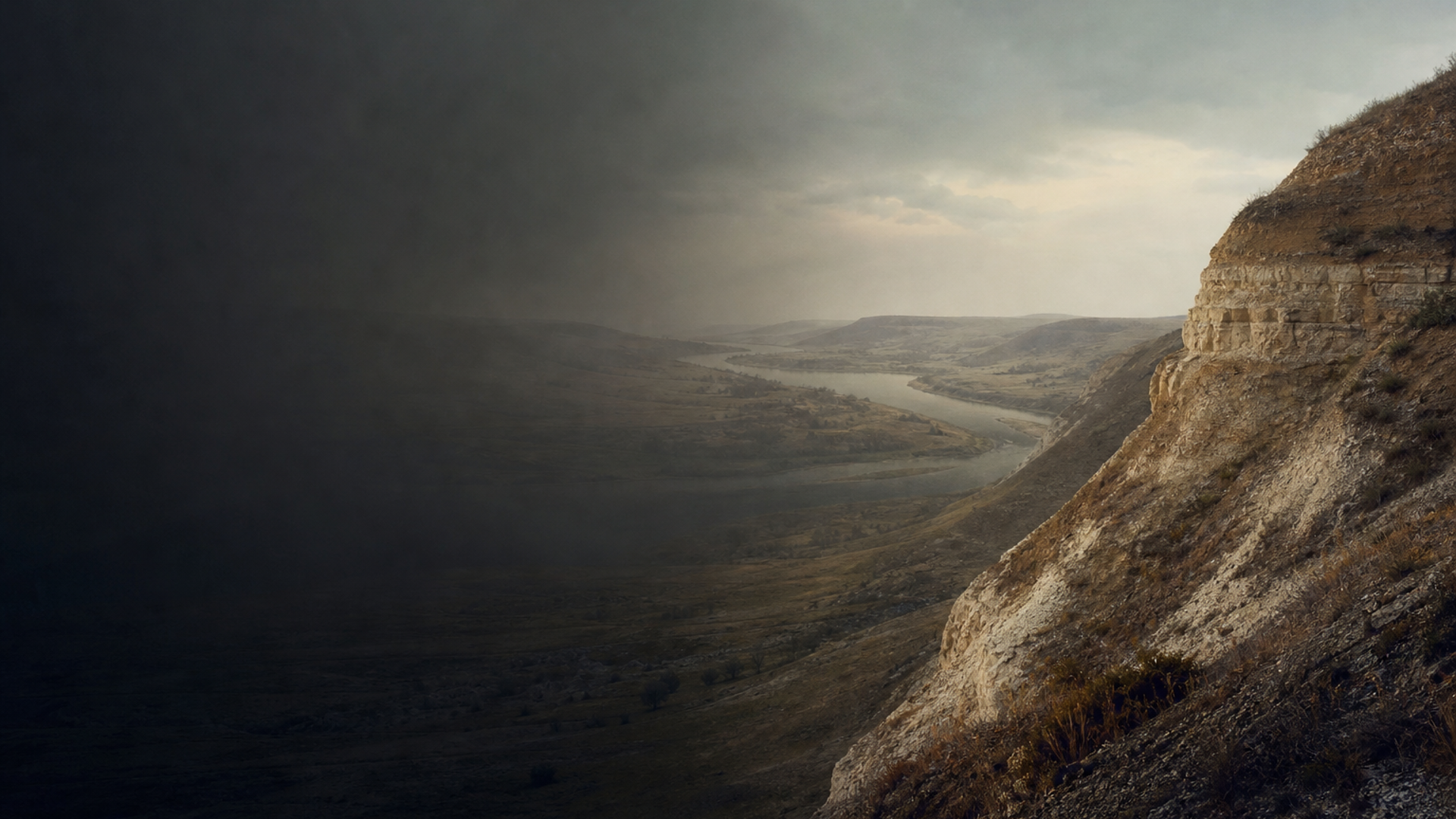
Across the open ribbon of the middle Volga, a landscape of braided rivers and seasonal pastures, the Poltavka horizon emerges in the late third millennium BCE as a distinct Middle Bronze Age presence. Archaeological data indicates continuity with earlier steppe pastoral traditions: kurgan burials on river terraces, flexed inhumations often accompanied by metalwork, simple pottery and traces of horse harnessing. Key sites in this assemblage include Kutuluk III, Potapovka I, Zhuravlikha I, Grachevka, Bobrovka, Nikolaevka (Kurgan and III), Lopatino II and Utyevka VI in Samara Oblast.

Material culture and burial practice suggest a community organized around mobile pastoralism and small kin-based groups rather than dense villages. The date range represented by the ten sampled individuals (2925–1767 BCE) spans several centuries of regional change; limited evidence suggests local continuity with Yamnaya-derived populations, but also gradual shifts toward more complex social displays and metal exchange. Archaeological interpretation is partly constrained by looting and uneven excavation histories, and many narratives remain provisional. Still, the cinematic image of Poltavka life — riders crossing river valleys, smoke from seasonal camps, and smoke-blackened pottery in shallow graves — is anchored in both graves and the few well-preserved settlement traces we have.

  • Emerges in the middle Volga river valleys in late 3rd millennium BCE
  • Known from kurgan cemeteries and pastoral site clusters (Kutuluk III, Potapovka I, Zhuravlikha I)
  • Archaeological signals point to continuity with earlier steppe pastoral traditions

Daily Life & Society

Poltavka communities appear to have been organized around pastoral mobility, seasonal pasturing and small-scale craft. Archaeological assemblages from riverside kurgans and nearby habitation loci show durable metal objects—bronze tools and weapons—simple hand-made ceramics, and occasional items of personal adornment. Faunal remains and isotopic studies from related steppe contexts indicate a reliance on sheep, cattle and horses; horses in particular play an increasingly visible social and economic role in the Bronze Age steppe.

Burial practices are socially revealing: kurgan mounds with single or few interments, grave goods that sometimes include weapons or metal pins, and orientation patterns that may reflect kinship or rank. Settlement traces are sparse but suggest a pattern of temporary camps and seasonal occupation rather than nucleated urbanism. Exchange appears to have linked Poltavka groups to broader metalworking networks across the Pontic–Caspian steppe and into the forest-steppe. Everyday life, then, would have been a rhythm of the seasons: herding and horseback movement in summer, concentrated tasks of repair, metalworking and ritual in the colder months. These reconstructions remain partly inferential because direct household archaeology is limited at many Poltavka sites.

  • Pastoral economy: sheep, cattle and an increasing role for horses
  • Kurgan burials with modest grave goods suggest kin-based social organization

Genetic Profile

Ten directly dated Poltavka individuals provide a compact but informative genetic window. Seven of the ten male samples carry Y-chromosome lineages recorded broadly as R, indicating a strong prevalence of steppe-associated paternal ancestry. Mitochondrial lineages are diverse but dominated by haplogroup U (5 of 10), with additional H (2), U4b (1), I3a (1) and T (1) matrilines. Archaeological data combined with these DNA patterns paints a picture of male-biased continuity of steppe paternal lineages with a more mixed maternal pool.

On an autosomal level, published comparative frameworks show Poltavka individuals cluster with Middle Bronze Steppe ancestry — broadly similar to earlier Yamnaya-associated groups and showing affinities to later Sintashta/Andronovo-related populations. That genetic continuity helps explain archaeological continuities in pastoralism and mobility. However, caution is warranted: the sample set is small (10 individuals), geographically concentrated in Samara Oblast (Kutuluk III, Potapovka I, Zhuravlikha I, Grachevka, Bobrovka, Nikolaevka Kurgan and III, Lopatino II, Utyevka VI) and spans several centuries. Limited sample size and temporal spread mean fine-scale demographic processes (e.g., sex-biased migration episodes or subtle gene flow from neighboring forest-steppe groups) remain only partially resolved. Future sampling will refine patterns of continuity, admixture and social structure.

  • Seven of ten males carry Y-haplogroup R, indicating steppe paternal continuity
  • Mitochondrial diversity dominated by U, suggesting mixed maternal ancestry

Legacy & Modern Connections

Poltavka populations occupy a pivotal chapter in the long story of the Eurasian steppe. Archaeological continuity and genetic affinities link them to earlier Yamnaya pastoralists and to the later Sintashta/Andronovo cultural developments that shaped Bronze Age north Eurasia. Elements of material culture, mobility strategies and paternal lineages seen in Poltavka may have contributed to the demographic and cultural currents that carried Indo-European languages and steppe genetic components into parts of Europe and Central Asia.

Yet, the narrative must remain measured. With only ten genomes from a limited set of Samara Oblast kurgans, conclusions about broad modern population impacts are provisional. What is clear is that Poltavka communities were a durable, mobile presence on the middle Volga: their graves, metalwork and genomes together illuminate how small pastoral societies could be agents of long-distance connections and regional transformation during the Middle Bronze Age.

  • Bridges earlier Yamnaya traditions and later Sintashta/Andronovo cultural transformations
  • Contributes to steppe-derived genetic and cultural influences seen across Eurasia, but broader impacts remain tentative

مساعد الذكاء الاصطناعي

مساعد الذكاء الاصطناعي من DNA Genics

فتح هذه الميزة
اطرح أسئلة عن ثقافة Poltavka: Voices of the Middle Volga. يمكن للمساعد شرح النتائج الجينية والسياق التاريخي والأدلة الأثرية والصلات بالعصر الحديث.
مثال على تحليل بالذكاء الاصطناعي

لمحة عن ثقافة Poltavka: Voices of the Middle Volga

تساعد عينات الحمض النووي القديم الباحثين على دراسة أنماط الهجرة والعلاقات الجينية بين المجموعات السكانية القديمة.

هذه معاينة للتحليل. يتيح المساعد الكامل استكشاف الموضوعات التالية:

  • التركيب الجيني والأصول
  • أنماط الهجرة والأصول
  • الحياة اليومية والممارسات الثقافية
  • الإرث الجيني المعاصر