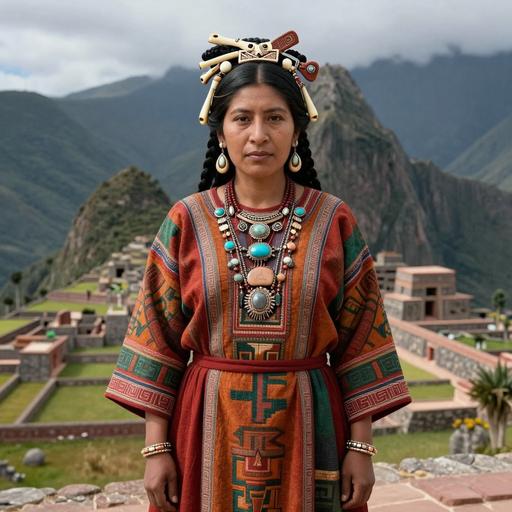
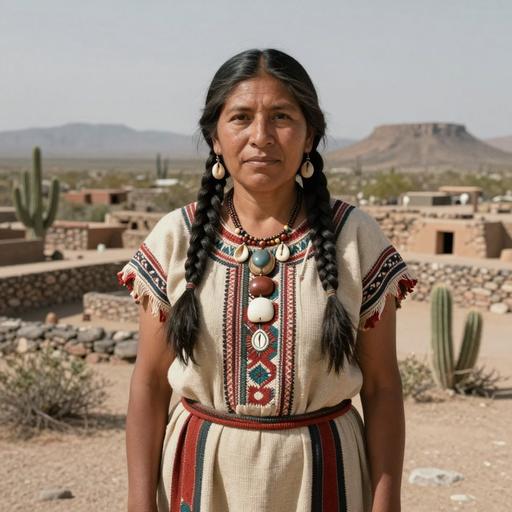
Ein Referenzprofil für einen Abstammungszweig. Gemeinsame Haplogruppen begründen weder eine familiäre Beziehung noch eine kulturelle Identität.
Referenzprofil
Hintergrund des Zweigs
Historischer Kontext für den mtDNA-Abstammungszweig B
Origins and Evolution
Haplogroup B is an mtDNA lineage derived from the macro-haplogroup R and is estimated to have arisen in East to Southeast Asia during the Upper Paleolithic (roughly around 40–60 thousand years ago). After its origin, B diversified into multiple subclades which expanded locally within continental East Asia and more broadly into Island Southeast Asia and Oceania. Several of its descendant lineages are associated with major Holocene demographic movements, including the Austronesian expansion and the peopling of the Americas.
Subclades
Haplogroup B is subdivided into a number of well-documented subclades (commonly referenced as B4, B5 and their downstream branches). Notable subclades include the Polynesian-related B4a1a1 (often referred to as the "Polynesian motif") which is frequent in Island Southeast Asia and across Polynesia, and the Native American branch commonly labeled B2, a distinct American subclade derived from Asian B lineages. Different subclades show distinct geographic and temporal signatures reflecting bottlenecks, founder effects, and later demographic expansions.
Geographical Distribution
Today, haplogroup B and its subclades are found at appreciable frequencies across East Asia and Southeast Asia, are prominent in many Austronesian-speaking populations (including Taiwanese indigenous groups, Filipinos, and island Melanesians/Polynesians), and occur throughout the Pacific where the Polynesian motif is common. A derived American clade (B2) is one of the primary maternal lineages of indigenous peoples across Central and South America and is present in many North American indigenous groups at varying frequencies, reflecting the initial Late Pleistocene/Early Holocene peopling of the Americas.
Historical and Cultural Significance
Haplogroup B has been linked in population genetic studies to several major prehistoric movements. The distribution of certain B subclades strongly tracks the Austronesian expansion out of Taiwan and through Island Southeast Asia into Remote Oceania (and the associated Lapita cultural complex). The presence of a distinct B-derived lineage (B2) in Native Americans provides genetic evidence for an Asian origin of at least part of the founding maternal pool of the Americas. In addition, the Polynesian motif within B has been used as a genetic marker for long-distance voyaging and island colonization in the Pacific.
Conclusion
mtDNA haplogroup B is a geographically broad and temporally deep maternal lineage originating in East/Southeast Asia during the Upper Paleolithic. Its diversity and distribution capture key episodes of human prehistory in Asia, Island Southeast Asia, Oceania, and the Americas, making it a focal haplogroup for studies of migration, island colonization, and the initial peopling of the New World.
Wichtige Punkte
Origins and Evolution
Subclades
Geographical Distribution
Historical and Cultural Significance
Conclusion
Referenzprofil
Baum und Verwandtschaft
Phylogenetischer Kontext und Subkladen
Entwicklungsweg
Folgen Sie den erfassten übergeordneten Zweigen bis B. Die Daten sind Schätzungen und können sich ändern, wenn Referenzdaten überarbeitet werden.
Schritte
Haplogruppe
Altersschätzung
Archäologische Epoche
Vergangene Zeit
Unmittelbare Nachkommen
Getestete moderne Nachkommen
Antike Verknüpfungen
1
B
Aktuell
~50,000 years ago
Paleolithic
50,000 Jahre
0
0
75
Subkladen (0)
Endzweig ohne erfasste Subkladen
Referenzprofil
Verbreitung weltweit
Geografische Verbreitung und moderne Präsenz
Erfasster Ursprung
East / Southeast Asia
Moderne Verbreitung
The populations where mtDNA haplogroup B is found include:
Han Chinese and other East Asian populations (China, Korea, Japan)
Southeast Asian groups (Vietnamese, Thai, Malay peoples, Filipino)
Melanesian populations (in parts of Island Melanesia)
Indigenous peoples of the Americas (especially Central and South America — Native American B2 lineage)
Indigenous North American groups at lower frequencies
Coastal and island populations involved in prehistoric maritime dispersals
Historischer Kontext
Ein Zweig durch die Zeit
Geschätzte Entstehung in einer breiten historischen Zeitleiste. Zeitmarken liefern Kontext und implizieren keine Verbindung zu bestimmten Kulturen.
~70k Jahre zurück
Ausbreitung aus Afrika
Wichtige Wanderungsbewegung moderner Menschen aus Afrika
~50k Jahre zurück
Jungpaläolithikum
Fortgeschrittene Werkzeuge, Kunst und kulturelle Vielfalt
~50k Jahre zurück
Haplogruppe B
Geschätzte Entstehung dieses mtDNA-Zweigs; Daten und Orte sind Referenzschätzungen.
Dieser Zweig
~20k Jahre zurück
Letztes glaziales Maximum
Höhepunkt der letzten Eiszeit, isolierte Bevölkerungen
~10k Jahre zurück
Neolithische Revolution
Beginn der Landwirtschaft und feste Siedlungen
~5k Jahre zurück
Bronzezeit
Metallverarbeitung, Schrift und frühe Zivilisationen
~3k Jahre zurück
Eisenzeit
Eisenwerkzeuge und ausgedehnte Handelsnetze
~2.5k Jahre zurück
Klassische Antike
Blüte griechischer und römischer Kulturen
Gegenwart
Gegenwart
Moderne Zeit
Referenzprofil
Archäologischer Kontext
Erfasste archäologische Zuordnungen für den mtDNA-Zweig B
Erfasste Zuordnungen
Diese Bezeichnungen beschreiben archäologische Kontexte erfasster Referenzproben mit Bezug zu B. Eine Zuordnung bedeutet nicht, dass alle Träger einer Kultur angehörten oder einer bestimmten Migrationsroute folgten.
Ancient BeringianArgentina_Cordoba_4100BP_ComechingonesChinese PaleolithicHuaca PrietaKaingang SambaquiLapa do SantoMesolithic BritishTianyuan CultureTrail Creek Culture
Kulturzuordnungen basieren auf dem archäologischen Kontext antiker DNA-Proben und können regionale Verknüpfungen in bestimmten Zeiträumen widerspiegeln.
Referenzprofil
Probencatalog
75 Subkladen-Träger der Haplogruppe B (keine direkten Träger in der aktuellen Referenzauswahl)
10 angezeigt · 50 passende Proben
Keine Proben entsprechen diesen Filtern. Versuchen Sie eine andere Bezeichnung, einen anderen Ort oder eine andere Epoche.
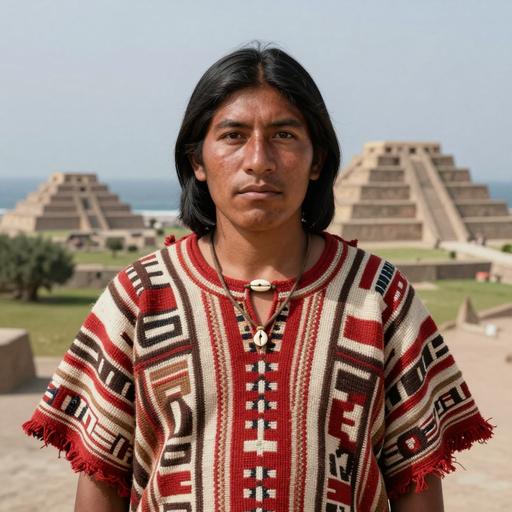
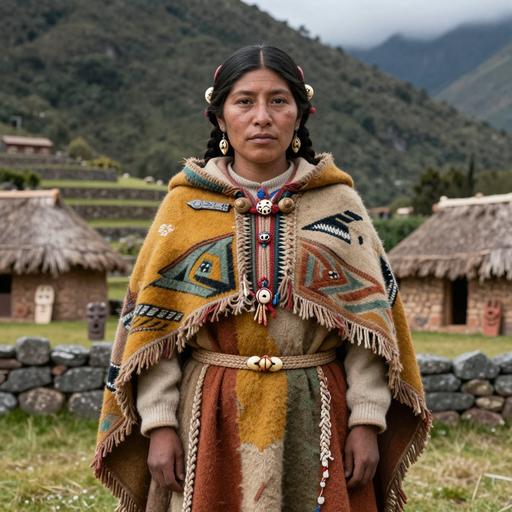
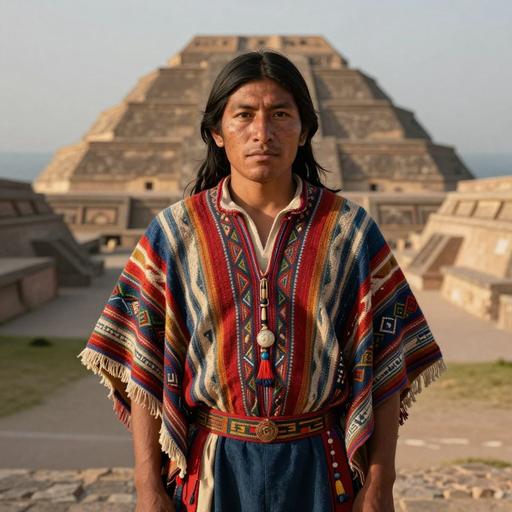
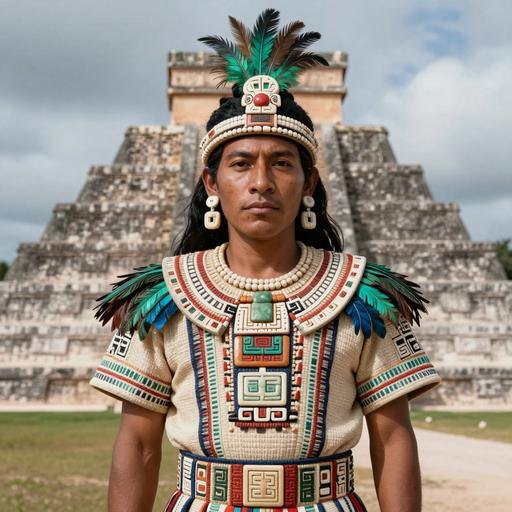
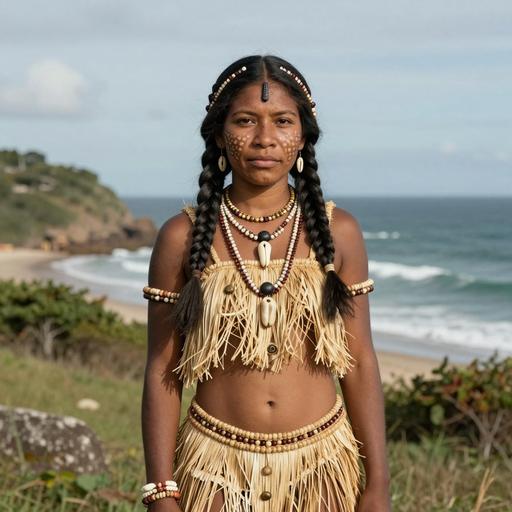
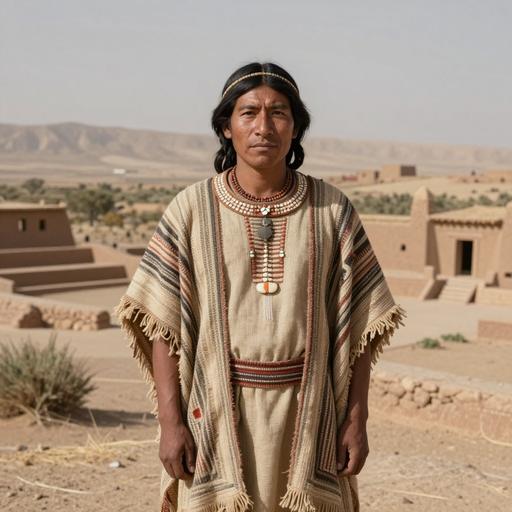
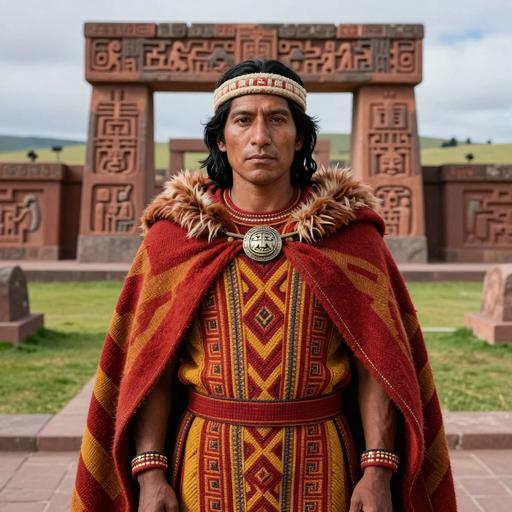
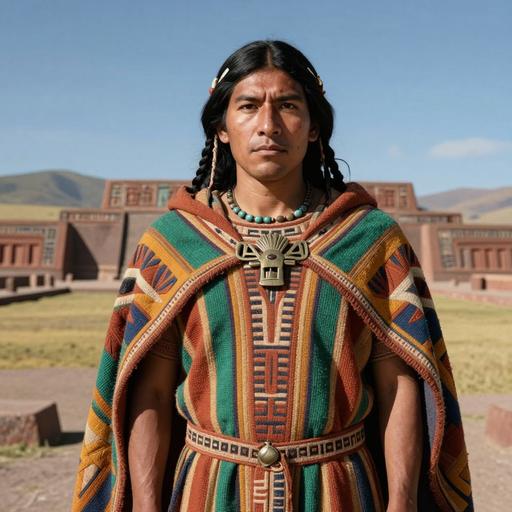
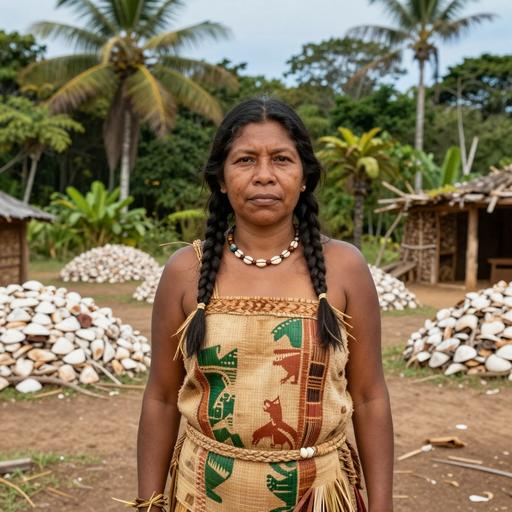
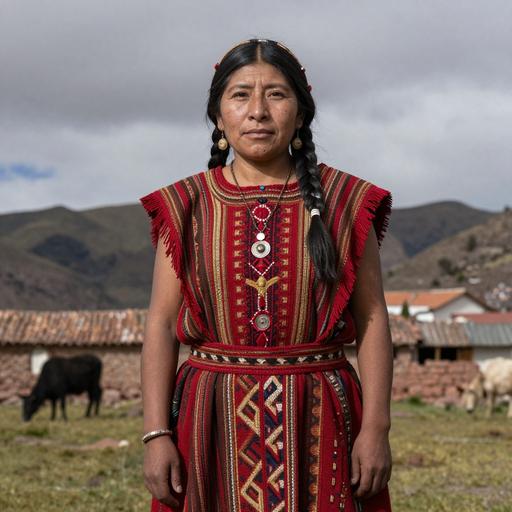
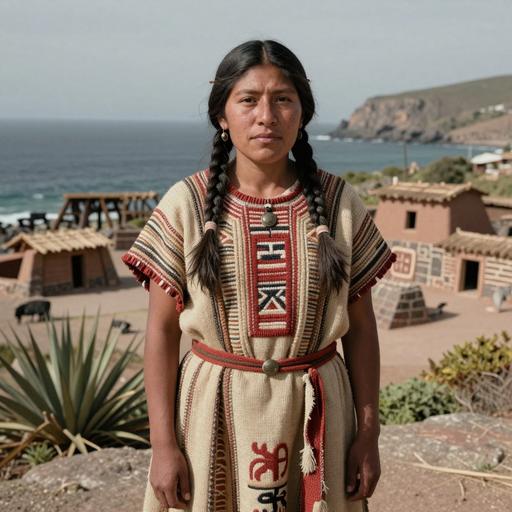
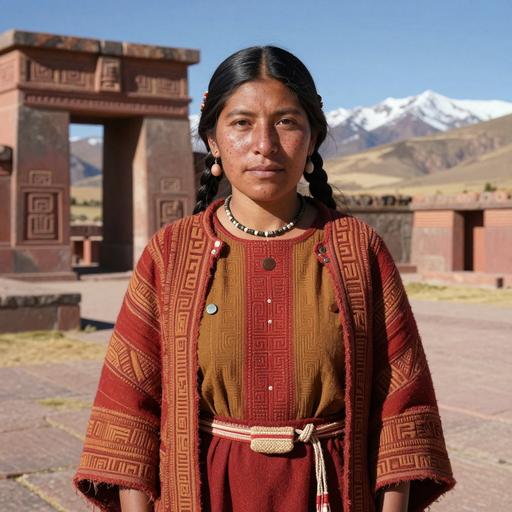
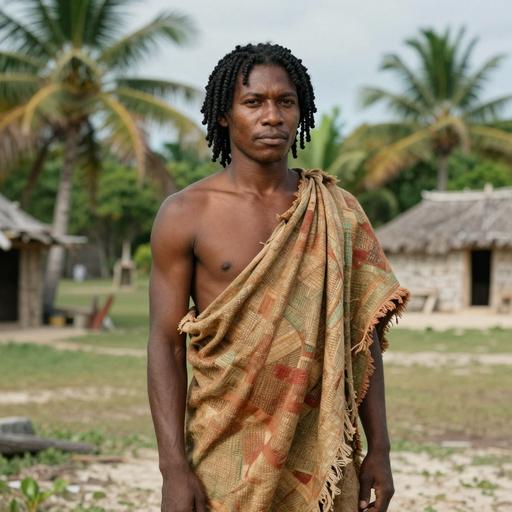
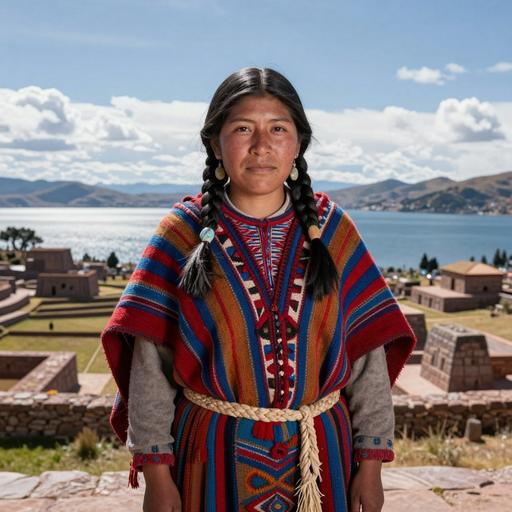
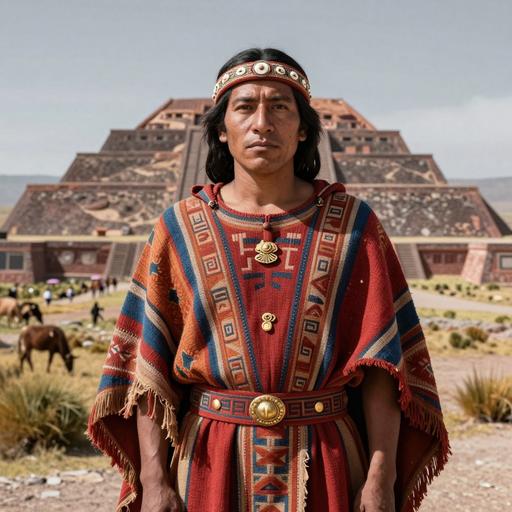
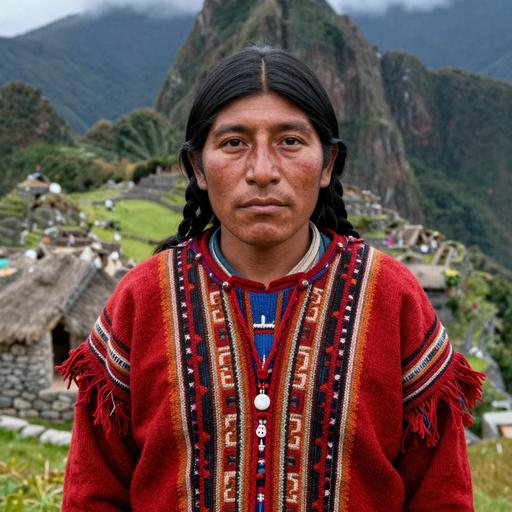
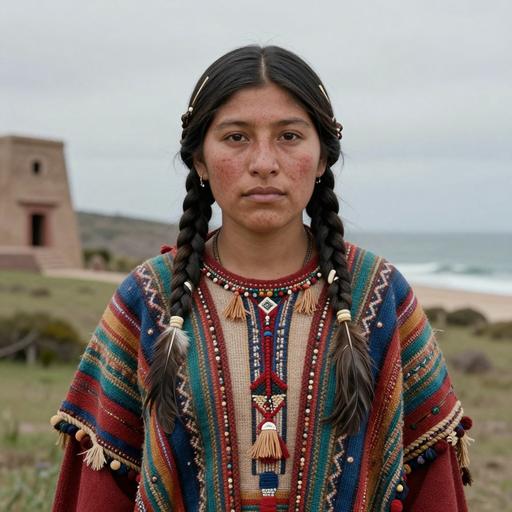
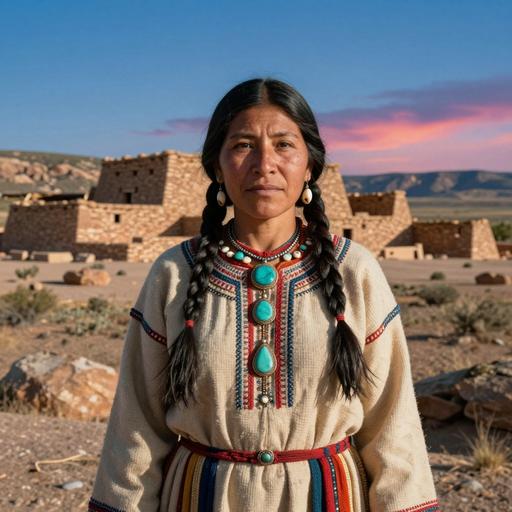
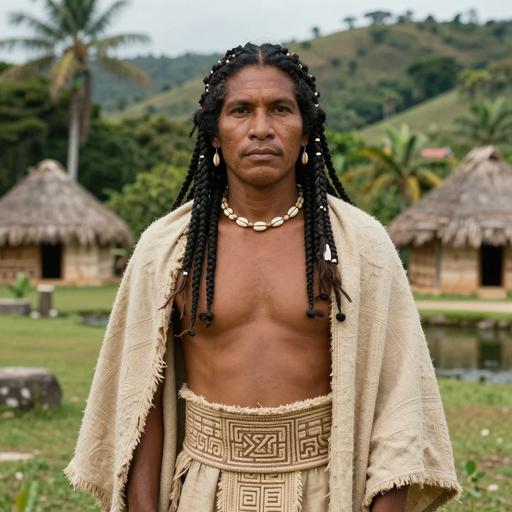
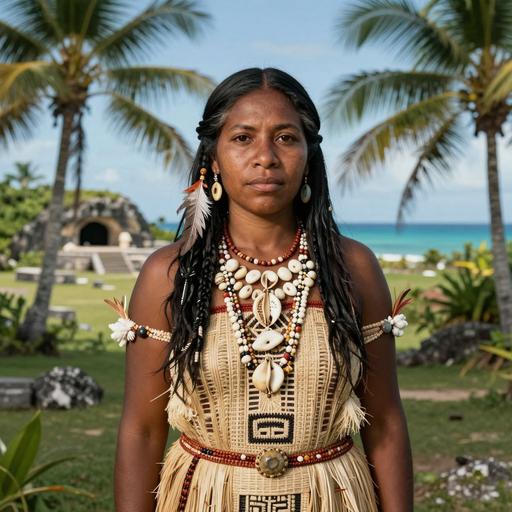
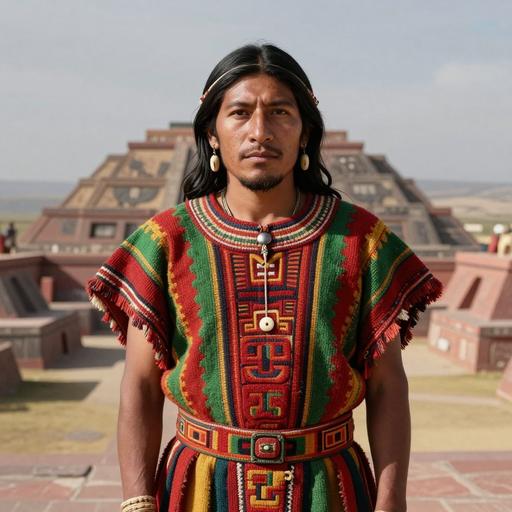
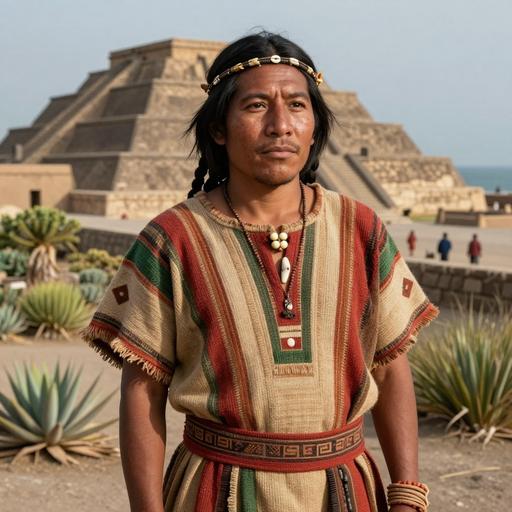
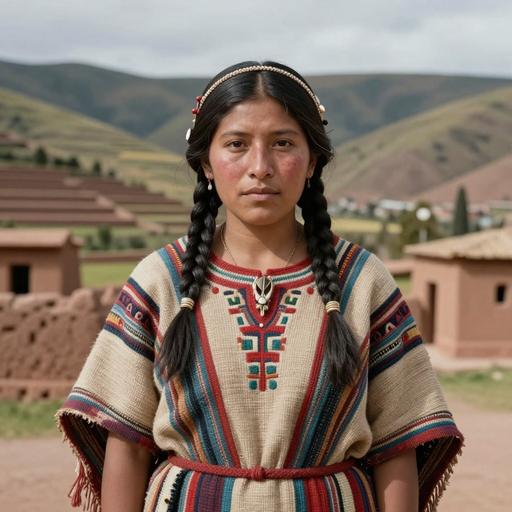
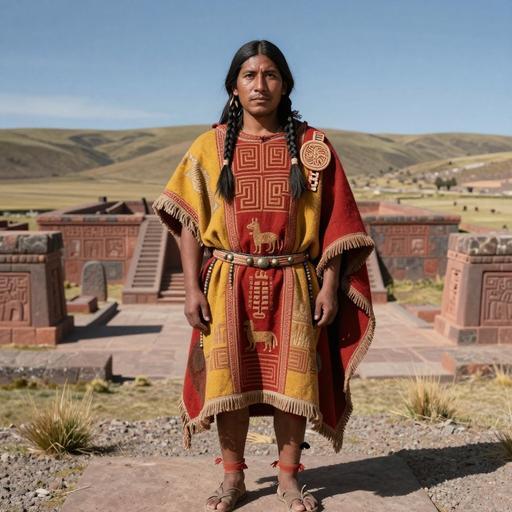
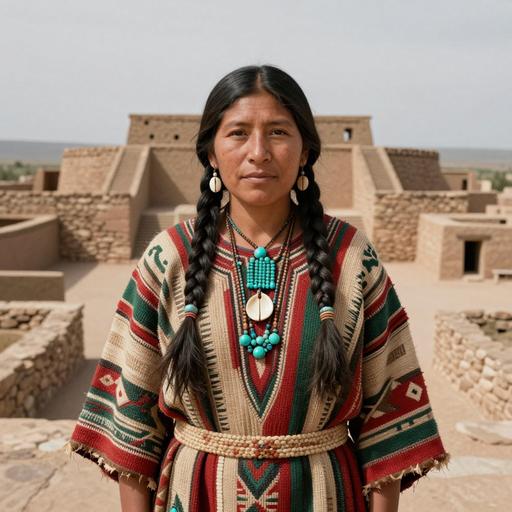
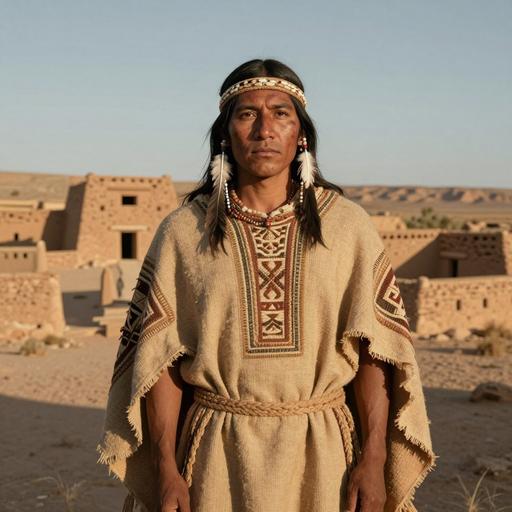
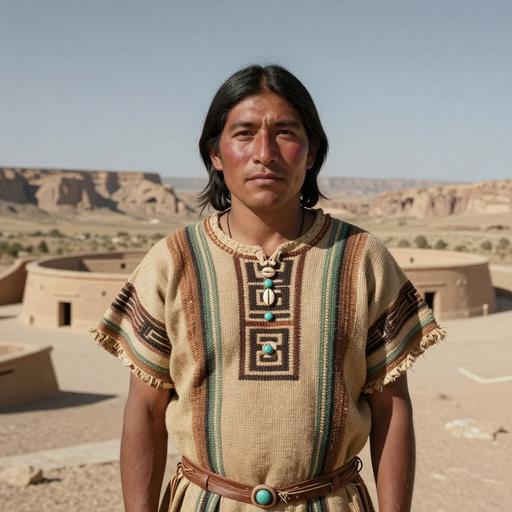
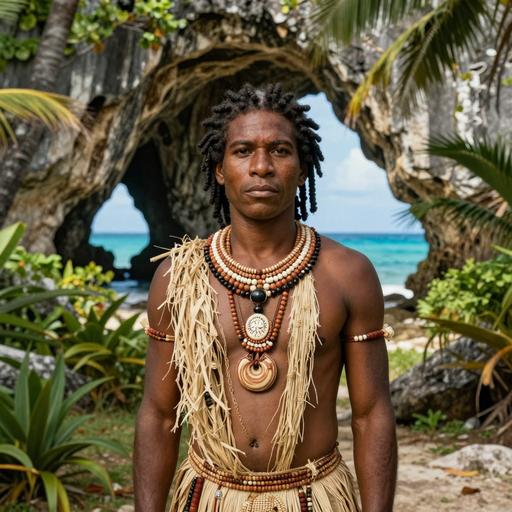
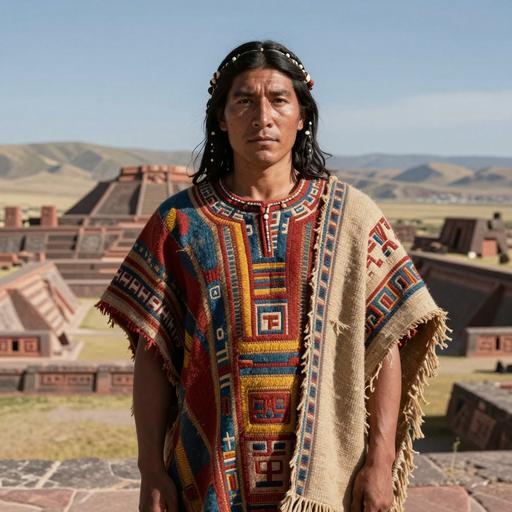
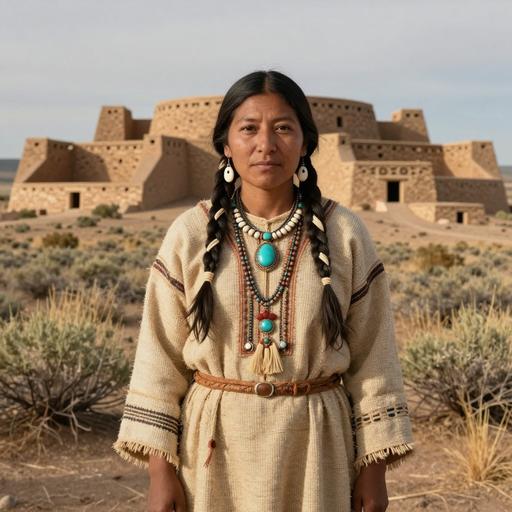
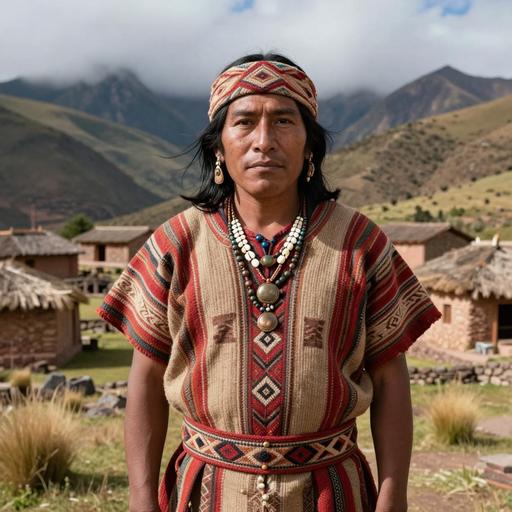
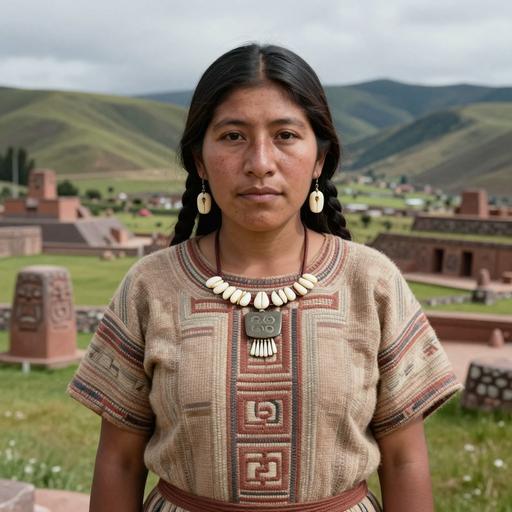
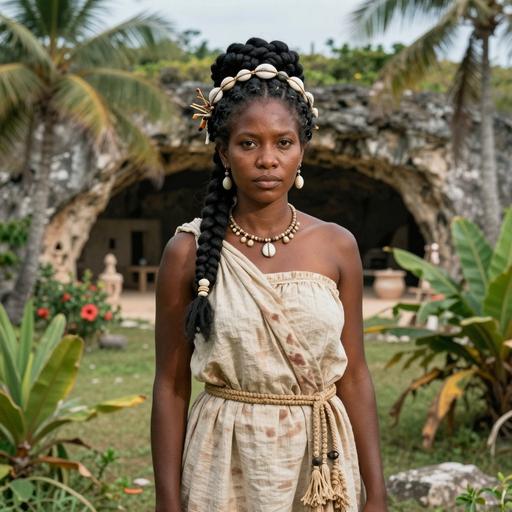
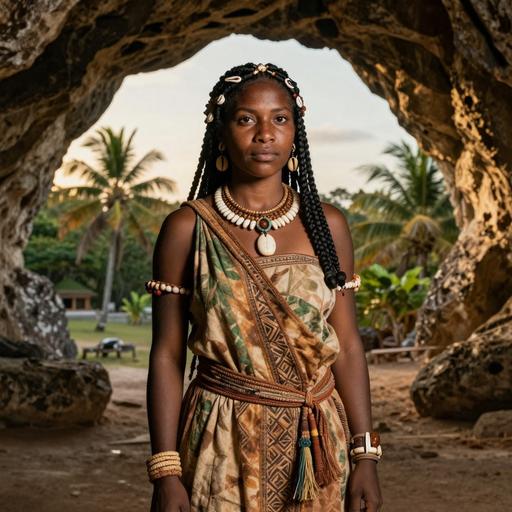
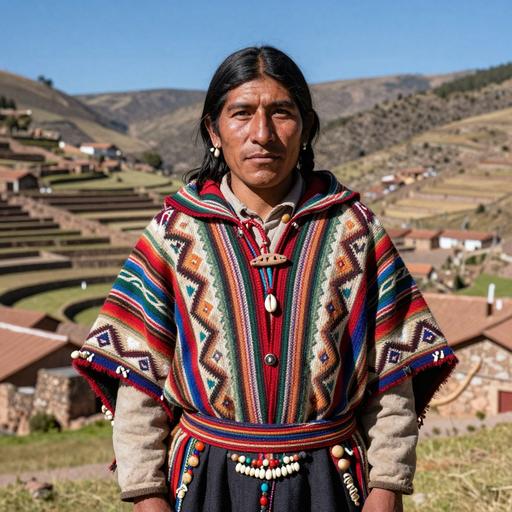
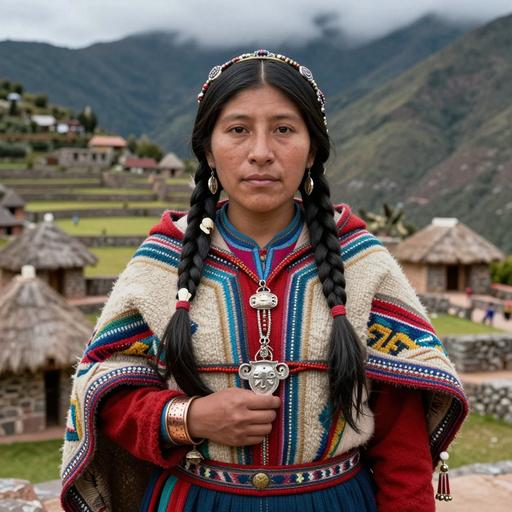
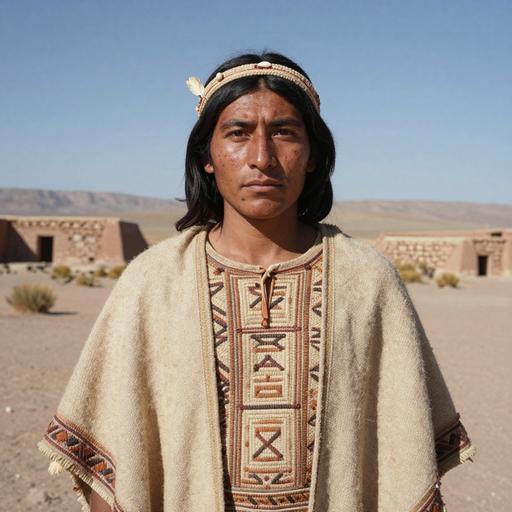
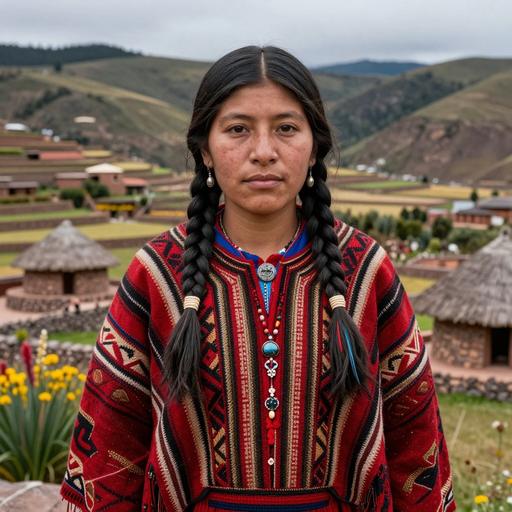
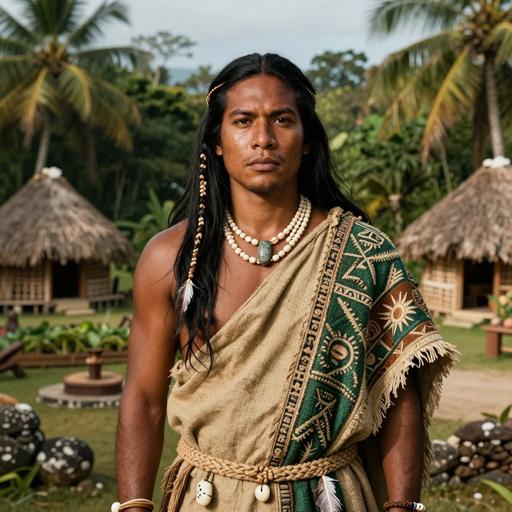
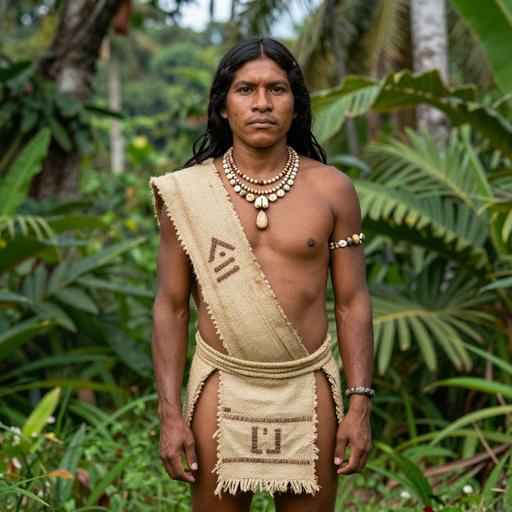
Porträts sind KI-generierte Illustrationen. Probenbezeichnungen und Zugangs-IDs identifizieren die Referenzdatensätze.
Porträt
Probe
Land
Epoche
Datum
Kultur
mtDNA
Übereinstimmung
Proben-ID: I0045
Peru
Early Intermediate Period Lima Culture, Peru 1,450 Years Ago
100-650 CE
Lima Culture
B2
Subklade
Proben-ID: IL3
Peru
Rio Uncallane, Peru 1,600 Years Ago
140 CE - 338 CE
Rio Uncallane
B2
Subklade
Proben-ID: IL3
Peru
Pre-Columbian South America
140 CE - 338 CE
B2
Subklade
Proben-ID: I0974
Peru
Early Intermediate Period Lima Culture, Peru 1,450 Years Ago
200-700 CE
Lima Culture
B2
Subklade
Proben-ID: E8CdV
Mexico
Mexico Guanajuato Medieval
500-700 CE
Loma San Gabriel
B2
Subklade
Proben-ID: YCH057
Mexico
Maya Lowland Classic
550 CE - 1200 CE
Maya Classic
B2
Subklade
Proben-ID: YCH057
Mexico
Maya Lowland Classic
550 CE - 1200 CE
Maya Classic
B2
Subklade
Proben-ID: JBT019
Brazil
Sambaqui Culture of Jabuticabeira II
553-646 calCE (1498±23, MAMS-28359)
Jabuticabeira II Sambaqui
B2
Subklade
Proben-ID: I2558
Peru
Early Intermediate Period Ullujaya, Peru 1,350 Years Ago
Ceramic Period Eleuthera Island, Bahamas - Bahamas - North Eleuthera. Preacher's Cave
Bahamas Ceramic Period Eleuthera Island, Bahamas 1047 CE - 1220 CE
B2Subklade
Proben-ID: PCV002
Ceramic Period Eleuthera Island, Bahamas - Bahamas - Preacher's Cave (Eleuthera, North part of island)
Bahamas Ceramic Period Eleuthera Island, Bahamas 1047-1220 calCE (890±23 BP, MAMS-39633)
B2Subklade
Proben-ID: I14878
Bahamas EleutheraIsl Ceramic dup.I14878 - North Eleuthera. Preacher's Cave
Bahamas The First Peoples of the Caribbean 1047 CE - 1220 CE
B2Subklade
Proben-ID: I1484
Laramate, Peru 900 Years Ago - Peru - Botigiriayocc. Laramate. Highlands
Peru Laramate, Peru 900 Years Ago 1050-1220 calCE (920±20 BP, PSUAMS-1615)
B2Subklade
Proben-ID: I2544
Late Intermediate Period Chanka Culture, Peru - Peru - Charrangochayoc
Peru Late Intermediate Period Chanka Culture, Peru 1100-1450 CE
B2Subklade
Proben-ID: I14009
Late Intermediate Period Pukara, Chile 700 Years Ago - Chile - Atacama Desert. Precordillera
Chile Late Intermediate Period Pukara, Chile 700 Years Ago 1155-1260 calCE (890±20 BP, PSUAMS-6819)
B2Subklade
Proben-ID: I2563
Late Intermediate Period Chanka Culture, Peru - Peru - Chanka
Peru Late Intermediate Period Chanka Culture, Peru 1200-1400 CE
B2Subklade
Proben-ID: I13190
Ceramic Period El Soco, Dominican Republic - Dominican Republic - El Soco
Dominican Republic Ceramic Period El Soco, Dominican Republic 1212-1271 calCE (815±20 BP, PSUAMS-8977)
B2Subklade
Proben-ID: I8118
Ceramic Period El Soco, Dominican Republic - Dominican Republic - El Soco
Dominican Republic Ceramic Period El Soco, Dominican Republic 1276-1384 calCE (690±20 BP, PSUAMS-7288)
B2Subklade
Proben-ID: I14876
Ceramic Period Eleuthera Island, Bahamas - Bahamas - North Eleuthera. Blue Hole
Bahamas Ceramic Period Eleuthera Island, Bahamas 1278 CE - 1388 CE
B2Subklade
Proben-ID: I14876
Bahamas The First Peoples of the Caribbean 1278 CE - 1388 CE
B2Subklade
Proben-ID: CO193
Tiwanaku Culture Cotahuasi, Peru - Peru - Cotahuasi
Peru Peru Cotahuasi Tiwanaku 1285-1387 calCE (714±20 BP, Wk-49176)
B2Subklade
Proben-ID: I23709
Trincheras Culture La Playa 600 Before Present - Mexico - La Playa (Sonora, Cerro Trincheras, Terraza B7)
Mexico Trincheras Culture La Playa 600 Before Present 1285-1390 calCE (655±20 BP, PSUAMS-12582)
B2Subklade
MATERNAL LINEAGE · ANCIENT DNA
Ancient lineage evidence map
Follow parent clades toward this branch and explore where ancient carriers were found.
Loading ancient observations…
Reduced motion is enabled. Use the timeline or Show all to explore at your own pace.
Read observations as a table
Displayed ancient observations by branch, period and date midpoint
Branch
Period
Date range
Sample
Sample ID
Location
Haplogroup
Relationship
Markers are archaeological find locations. A dashed connector is an uncertain, proposed geographic transition between consecutive branches supported by multiple dated observations; it is not an exact travel route, birthplace or proof of direct descent. Parent-clade samples may belong to other descendant branches. Gaps remain where evidence is insufficient. Sample dates differ from haplogroup formation dates.
Grouping by historical period reflects when each ancient individual lived, combined across every branch on this lineage chain; it is not a migration sequence or a personal timeline between periods.
Referenzprofil
Trägerverteilungskarte
Geografische Verteilung von 75 antiken DNA-Proben (direkte und Subkladen-Träger von B)
Subkladen-Träger
Zeitraumfilter
Alle Zeiträume
Alle Proben werden angezeigt
Referenzprofil
Zeitliche Verteilung
Verteilung der Träger über archäologische Epochen
Referenzprofil
Geografische Verteilung
Anzahlen nach erfasstem Probenland. Sie spiegeln die verfügbare Referenzauswahl wider, nicht Bevölkerungshäufigkeiten.
Referenzprofil
Verteilung Land × Epoche
Vergleichen Sie erfasste Probenanzahlen nach Ländern und archäologischen Epochen. Wählen Sie eine belegte Zelle, um eine Probe anzusehen.
Daten
Daten und Herkunft
Quellenangaben und Datenqualität
Zuletzt aktualisiert2026-02-09
Datenquelle
Klassifikation, geschätzte Daten und geografischer Kontext spiegeln die erfassten Referenzdaten wider und können sich bei überarbeiteten Belegen ändern. Die Probenabdeckung ist ungleichmäßig; erfasste Orte und archäologische Zuordnungen begründen weder persönliche Herkunft noch kulturelle Identität.