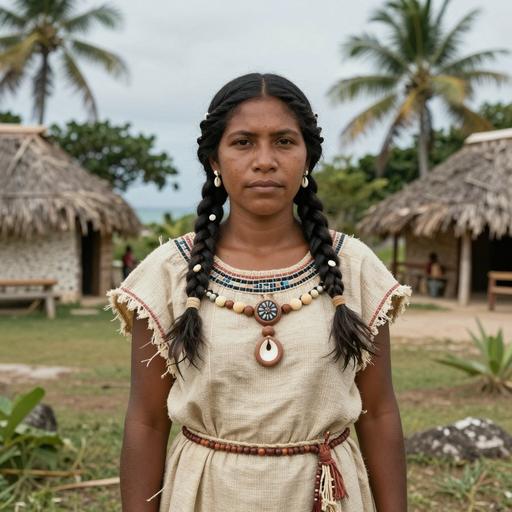
Ein Referenzprofil für einen Abstammungszweig. Gemeinsame Haplogruppen begründen weder eine familiäre Beziehung noch eine kulturelle Identität.
Referenzprofil
Hintergrund des Zweigs
Historischer Kontext für den mtDNA-Abstammungszweig C1B2
Origins and Evolution
Haplogroup C1B2 is a subclade of mtDNA C1b, itself one of the principal maternal branches associated with the peopling of the Americas. Based on the phylogenetic position of C1B2 beneath C1b and the distribution of ancient and modern samples, it most likely formed shortly after the Beringian standstill or during the early phases of expansion into the Americas. Molecular-clock estimates and archaeological concordance place the coalescence of C1b-derived lineages in the Late Pleistocene to Early Holocene, and a plausible age for C1B2 is on the order of ~12 thousand years ago (kya), acknowledging uncertainties due to calibration and sampling.
Subclades (if applicable)
C1B2 itself may contain internal diversity observed in modern and ancient mitogenomes recovered from South American archaeological contexts. Where high-resolution complete mitogenomes are available, C1B2 branches can be resolved into localized sublineages that show geographic structuring (for example, sublineages concentrated in the Andean highlands versus Amazonia). However, sampling remains incomplete in many regions, so the internal topology and the number of well-supported subclades within C1B2 continue to be refined by ongoing ancient-DNA and modern mitogenome sequencing projects.
Geographical Distribution
C1B2 is primarily a South American lineage, with the highest frequencies and genetic diversity found among indigenous populations in the Andes and various parts of Amazonia. The haplogroup is also detected at lower frequencies in selected Native North American groups and in Arctic/sub-Arctic populations (including some Inuit and Yupik samples) as well as in rare Siberian finds near the Beringian margin. Ancient DNA evidence shows C1b-derived lineages, including C1B2 or close relatives, in precontact archaeological remains across South America, indicating a deep regional presence.
Historical and Cultural Significance
As a branch of one of the Native American founding maternal lineages, C1B2 contributes to the maternal genetic signature of many precontact South American societies. Its presence in ancient remains from Andean preceramic contexts and in Amazonian archaeological samples points to continuity of maternal ancestry in some regions across millennia. C1B2’s distribution helps reconstruct migration routes and demographic processes that followed initial entry into the Americas (for example, rapid coastal or riverine dispersals into South America and subsequent regional differentiation). Low-frequency occurrences in Arctic and Siberian contexts attest to either retention of ancestral diversity near Beringia or later back-migration/admixture events involving circumpolar populations.
Conclusion
C1B2 is an informative maternal lineage for studies of early American population history. Its status as a derivative of C1b situates it within the set of lineages that accompanied or rapidly followed the first peopling of the New World. Continued sampling of complete mitogenomes from both modern indigenous populations and ancient remains—especially in underrepresented regions of South America and the Beringian corridor—will improve resolution of C1B2’s internal structure, age estimates, and the routes by which it spread and diversified.
Wichtige Punkte
Origins and Evolution
Subclades (if applicable)
Geographical Distribution
Historical and Cultural Significance
Conclusion
Referenzprofil
Baum und Verwandtschaft
Phylogenetischer Kontext und Subkladen
Entwicklungsweg
Folgen Sie den erfassten übergeordneten Zweigen bis C1B2. Die Daten sind Schätzungen und können sich ändern, wenn Referenzdaten überarbeitet werden.
The populations where mtDNA haplogroup C1B2 is found include:
Indigenous peoples of South America (widely, notably Andean and Amazonian groups)
Selected Native North American groups (low to moderate frequency)
Andean pre-Columbian and modern populations (regional concentrations)
Amazonian indigenous populations (varied local frequencies)
Arctic and sub-Arctic peoples (Inuit, Yupik — rare to low frequency)
Siberian/near-Beringian groups (very rare occurrences)
Ancient archaeological populations across South America (multiple precontact contexts)
Occasional admixed or historic-era finds in northern Eurasia and the circum-Beringian region
Historischer Kontext
Ein Zweig durch die Zeit
Geschätzte Entstehung in einer breiten historischen Zeitleiste. Zeitmarken liefern Kontext und implizieren keine Verbindung zu bestimmten Kulturen.
~12k Jahre zurück
Haplogruppe C1B2
Geschätzte Entstehung dieses mtDNA-Zweigs; Daten und Orte sind Referenzschätzungen.
Dieser Zweig
~10k Jahre zurück
Neolithische Revolution
Beginn der Landwirtschaft und feste Siedlungen
~5k Jahre zurück
Bronzezeit
Metallverarbeitung, Schrift und frühe Zivilisationen
~3k Jahre zurück
Eisenzeit
Eisenwerkzeuge und ausgedehnte Handelsnetze
~2.5k Jahre zurück
Klassische Antike
Blüte griechischer und römischer Kulturen
Gegenwart
Gegenwart
Moderne Zeit
Referenzprofil
Archäologischer Kontext
Erfasste archäologische Zuordnungen für den mtDNA-Zweig C1B2
Erfasste Zuordnungen
Diese Bezeichnungen beschreiben archäologische Kontexte erfasster Referenzproben mit Bezug zu C1B2. Eine Zuordnung bedeutet nicht, dass alle Träger einer Kultur angehörten oder einer bestimmten Migrationsroute folgten.
Kulturzuordnungen basieren auf dem archäologischen Kontext antiker DNA-Proben und können regionale Verknüpfungen in bestimmten Zeiträumen widerspiegeln.
Referenzprofil
Probencatalog
72 direkte Träger der Haplogruppe C1B2
10 angezeigt · 50 passende Proben
Keine Proben entsprechen diesen Filtern. Versuchen Sie eine andere Bezeichnung, einen anderen Ort oder eine andere Epoche.
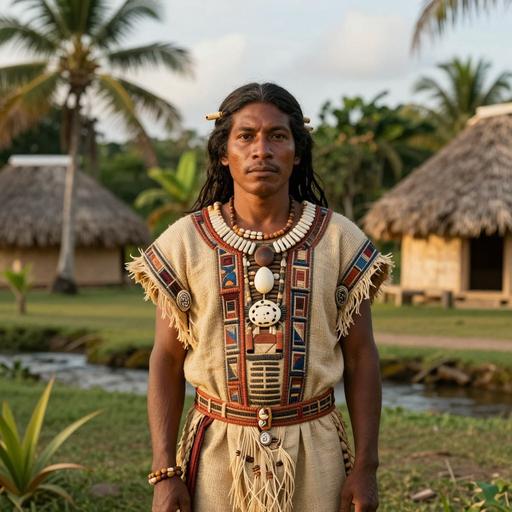
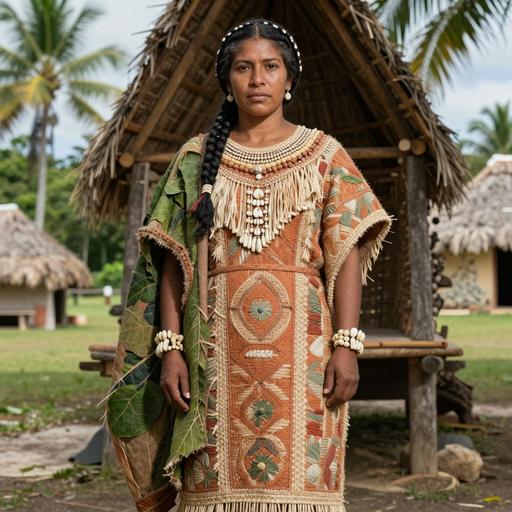
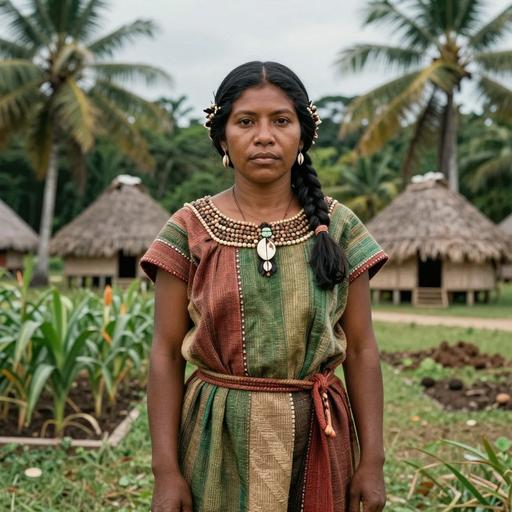
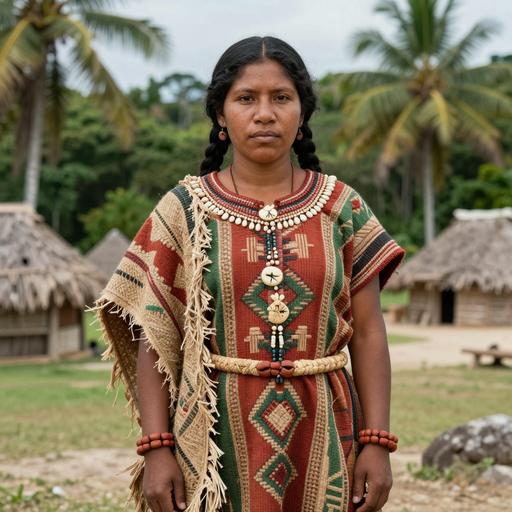
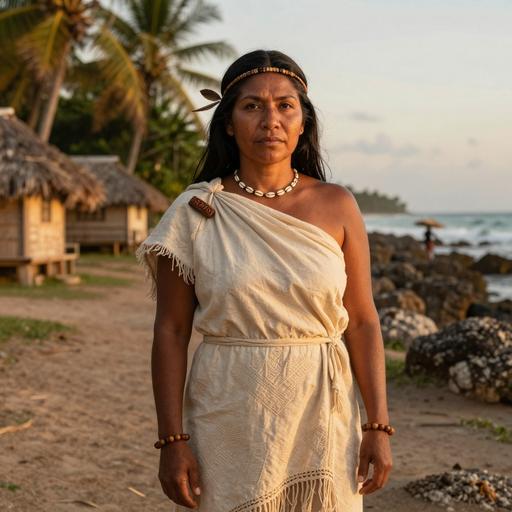
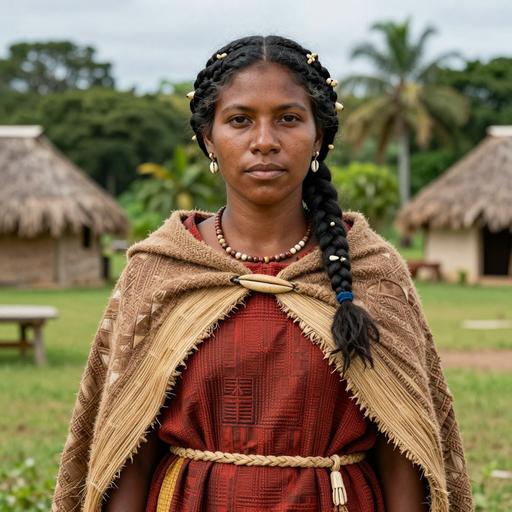
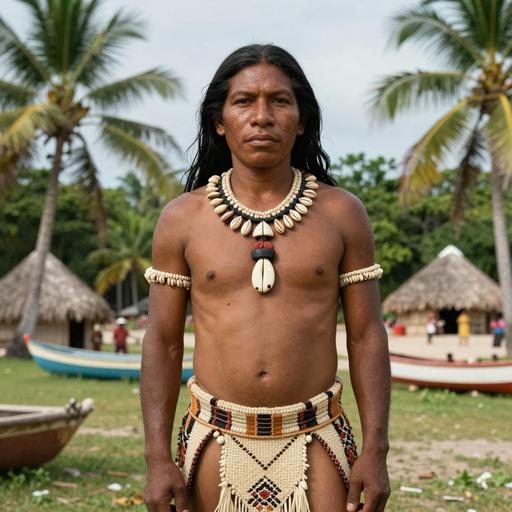
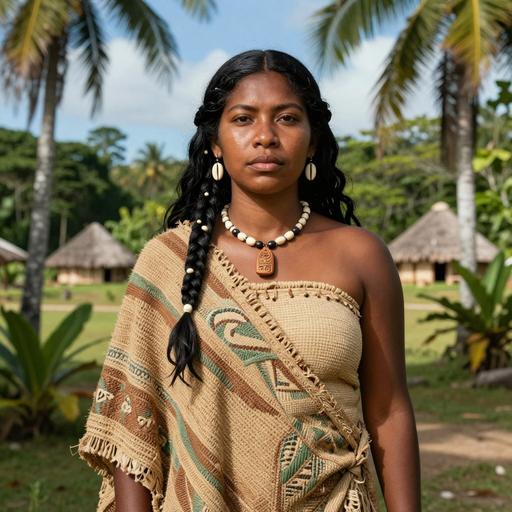
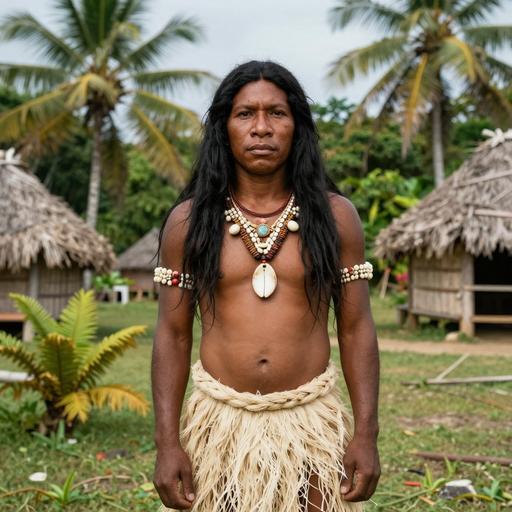
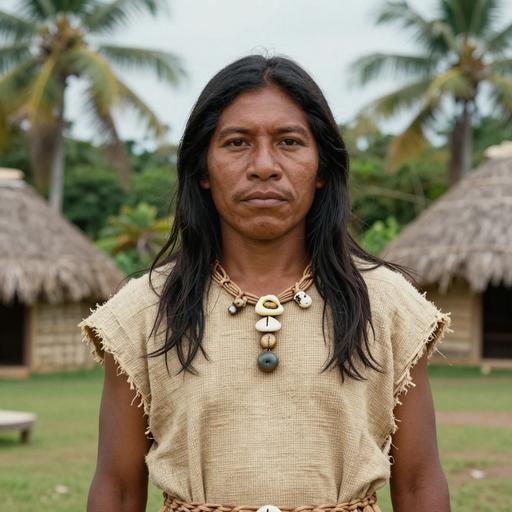
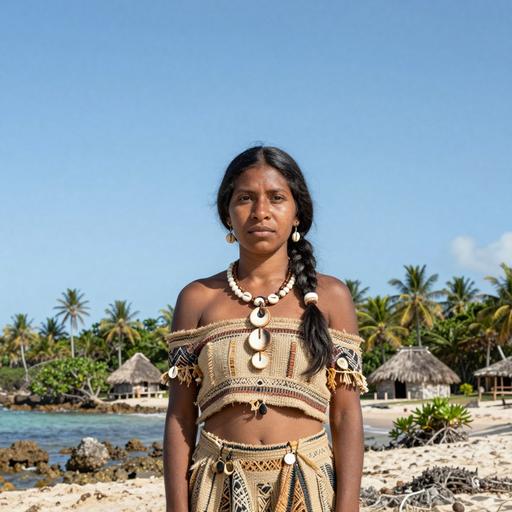
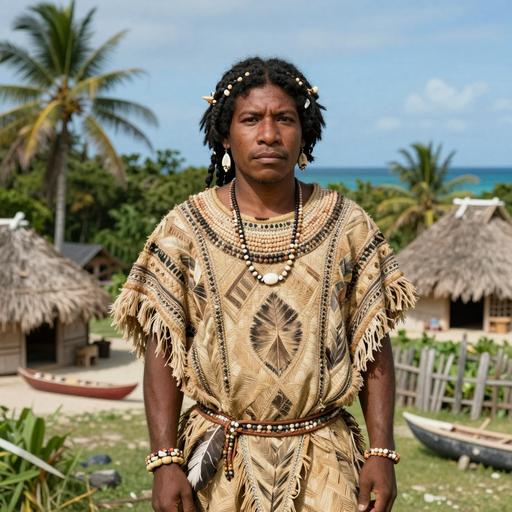
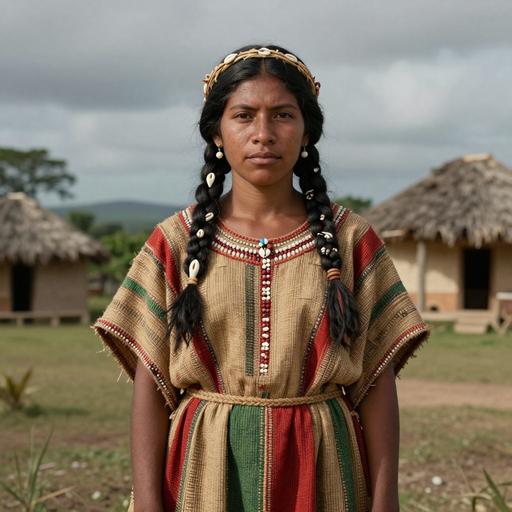
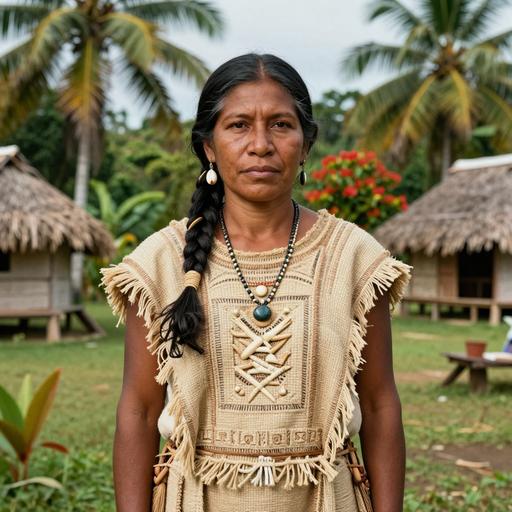
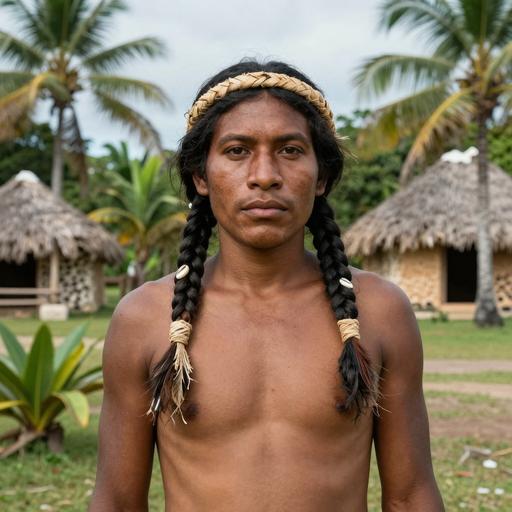
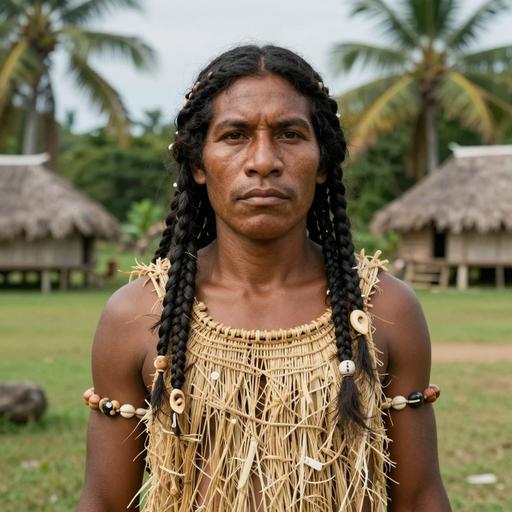
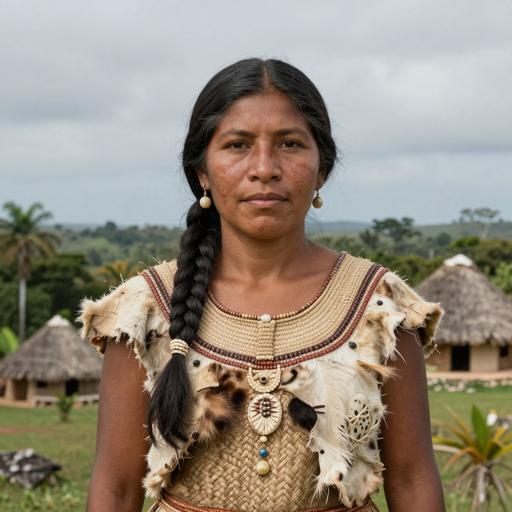
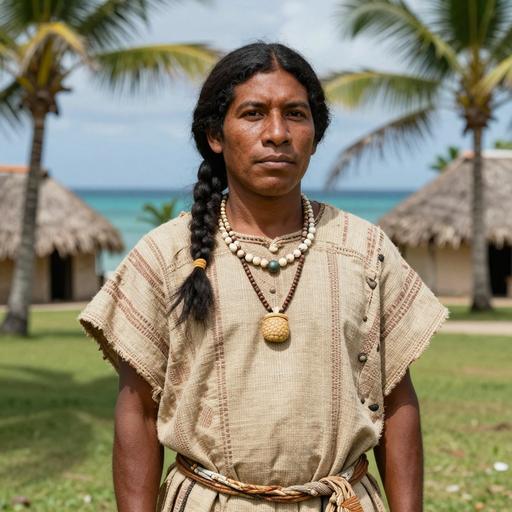
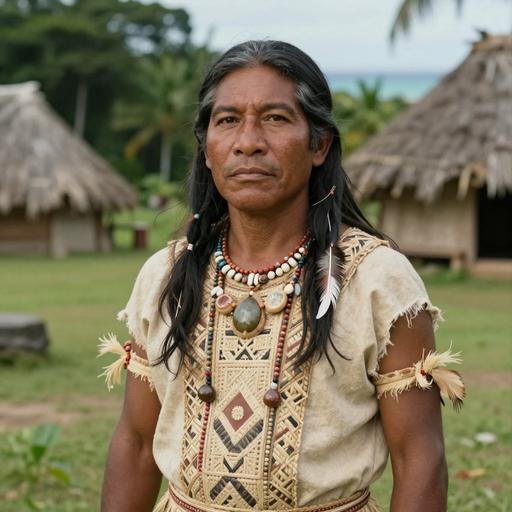
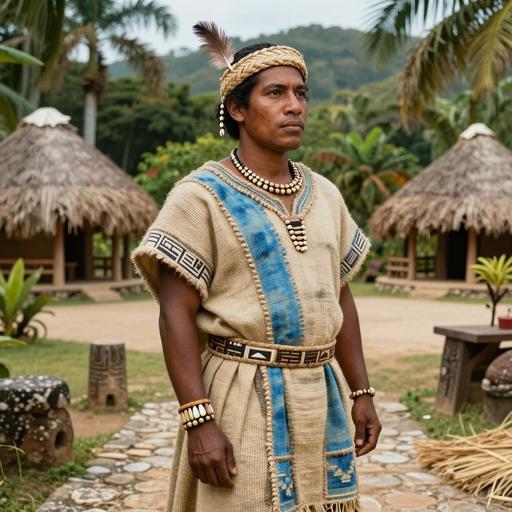
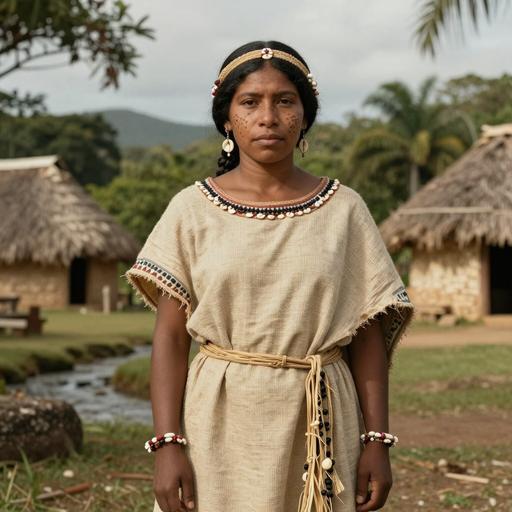
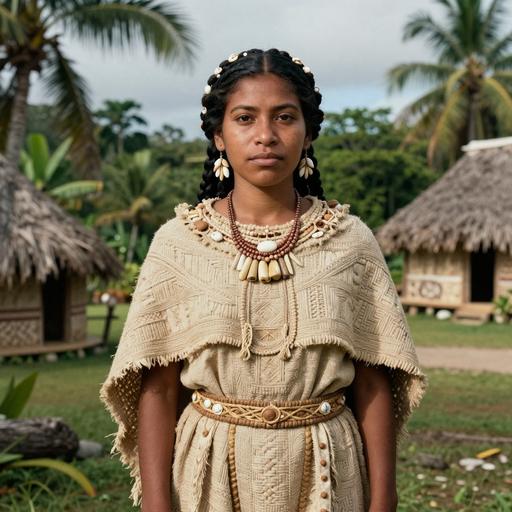
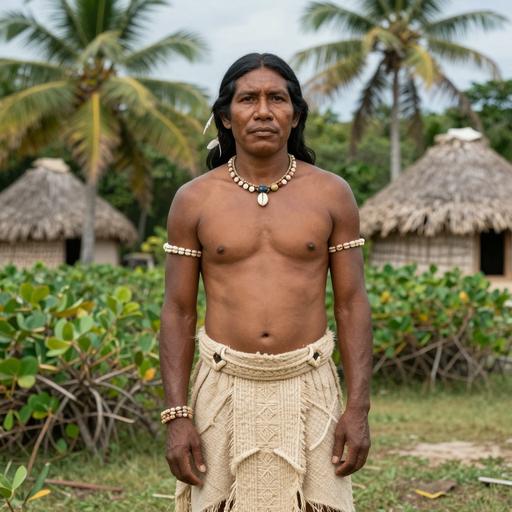
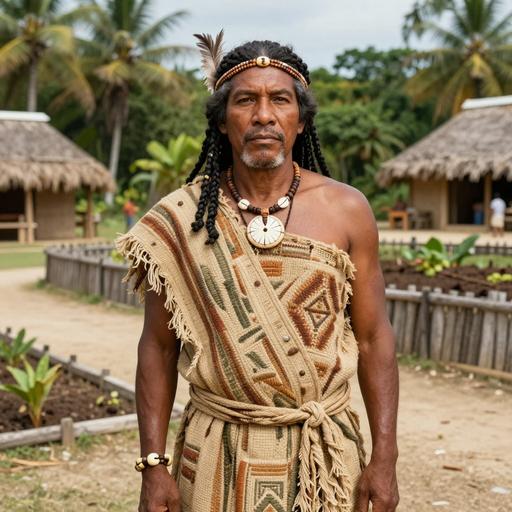
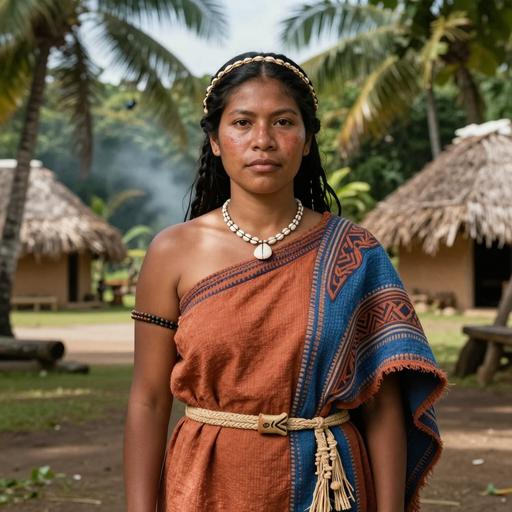
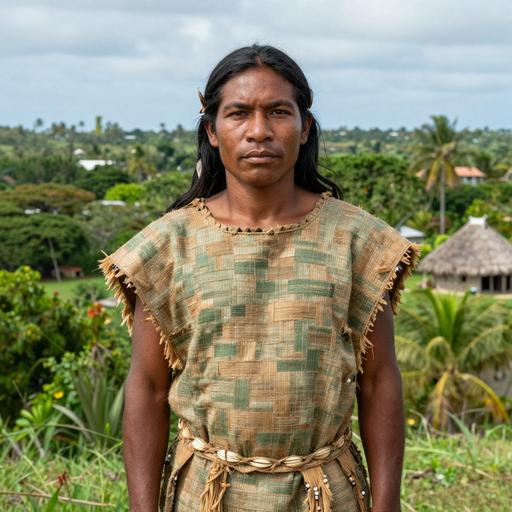
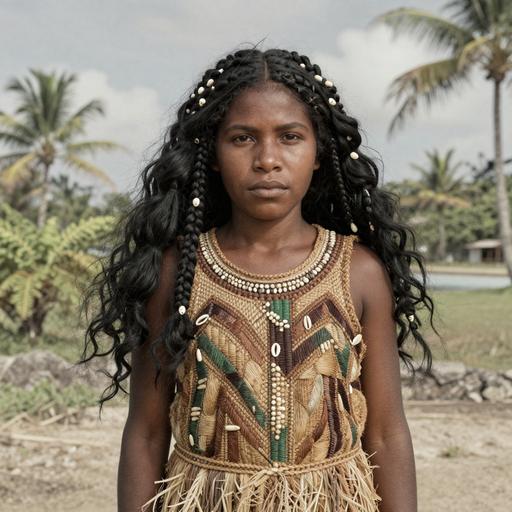
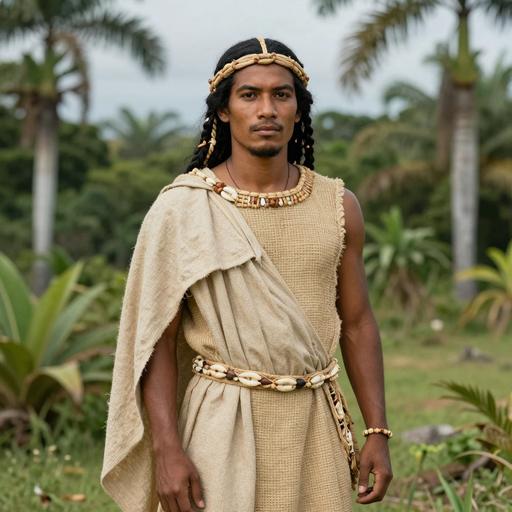
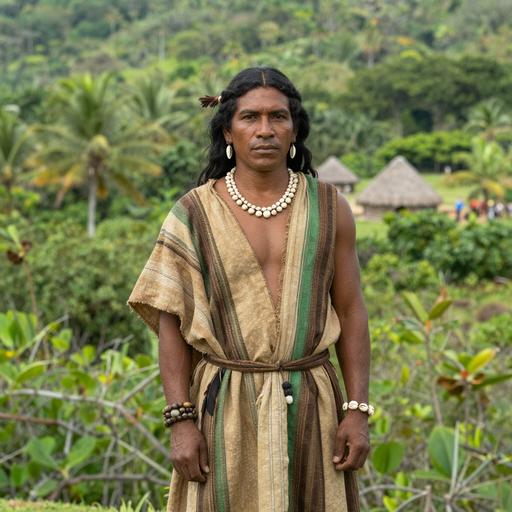
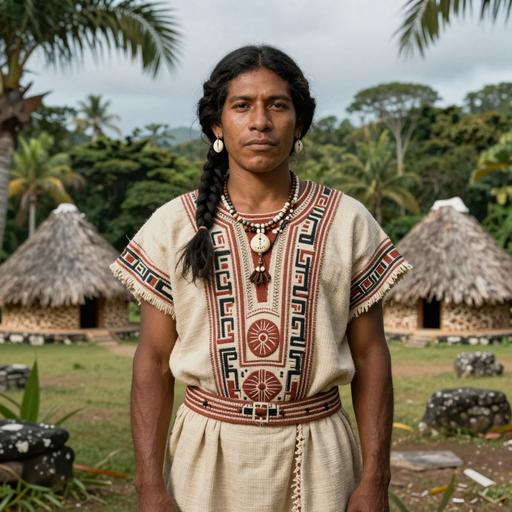
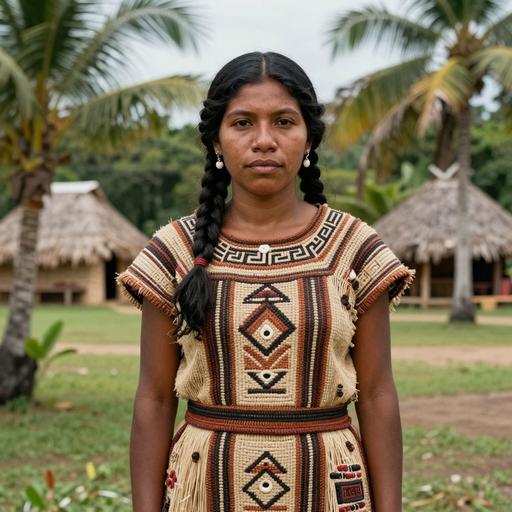
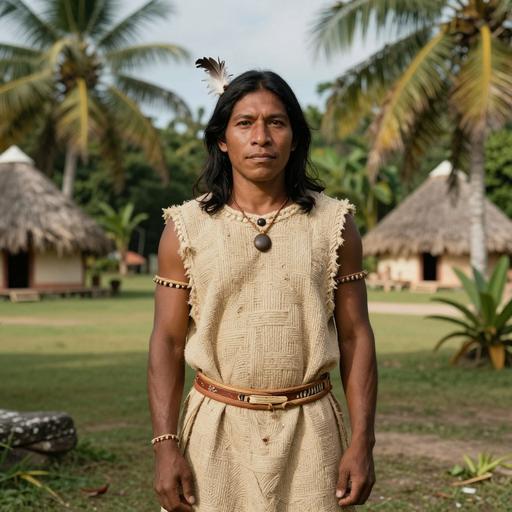
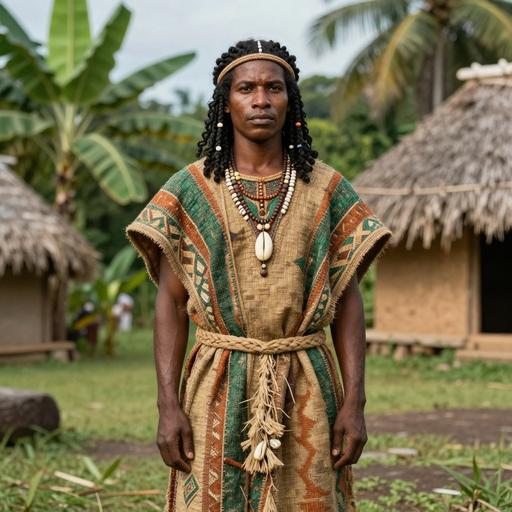
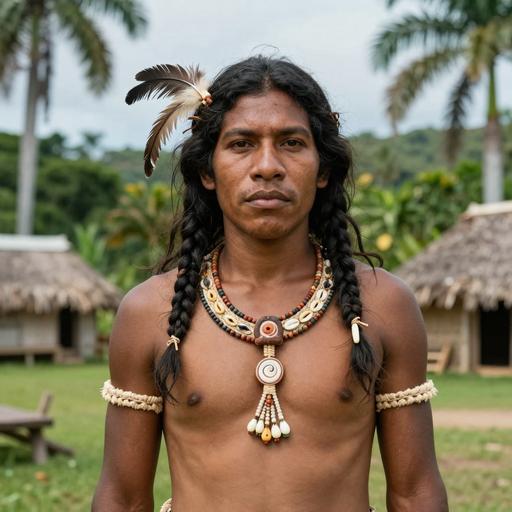
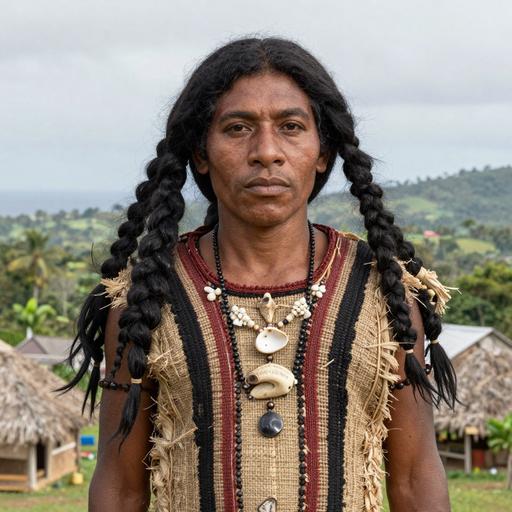
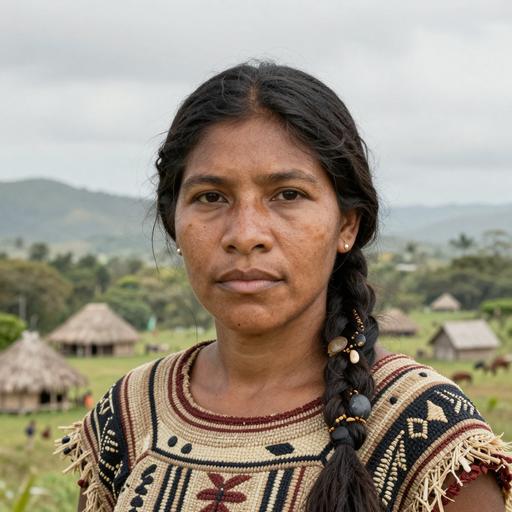
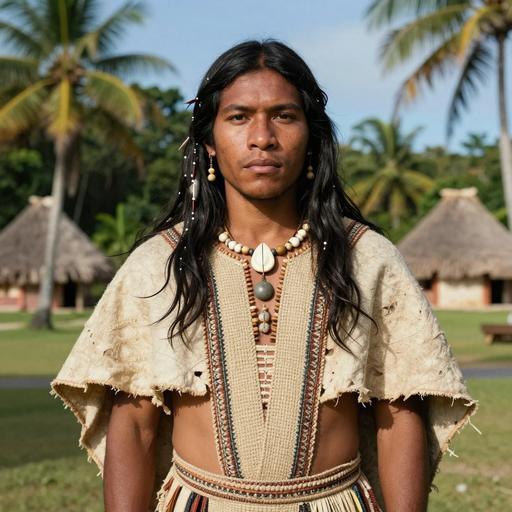
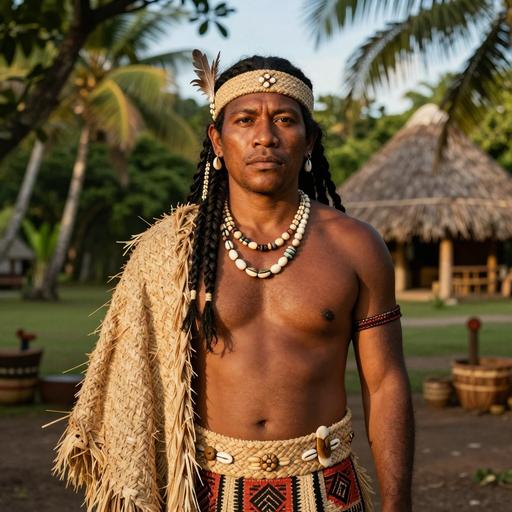
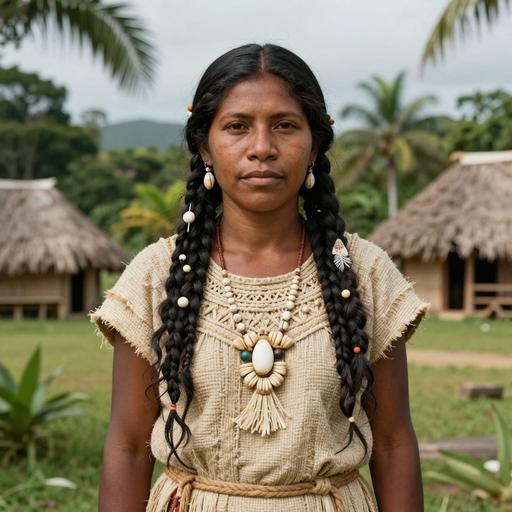
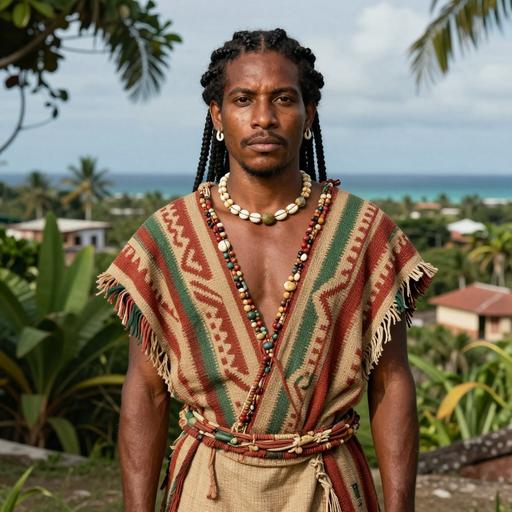
Porträts sind KI-generierte Illustrationen. Probenbezeichnungen und Zugangs-IDs identifizieren die Referenzdatensätze.
Porträt
Probe
Land
Epoche
Datum
Kultur
mtDNA
Übereinstimmung
Proben-ID: I8548
Dominican Republic
Ceramic Period Andres, Dominican Republic
211-326 calCE (1805±20 BP, PSUAMS-7290)
Andres Ceramic
C1b2
Direkt
Proben-ID: PCA010
Puerto Rico
Ceramic Period Punta Candelero, Puerto Rico
500-1050 CE
Punta Candelero Culture
C1b2
Direkt
Proben-ID: I15682
Dominican Republic
Ceramic Period La Caleta, Dominican Republic
600 CE - 1050 CE
La Caleta
C1b2
Direkt
Proben-ID: I15596
Dominican Republic
Ceramic Period La Caleta, Dominican Republic
992-1025 calCE (1040±15 BP, PSUAMS-13113)
La Caleta
C1b2
Direkt
Proben-ID: I15666
Dominican Republic
Ceramic Period La Caleta, Dominican Republic
950-1250 CE
La Caleta
C1b2
Direkt
Proben-ID: I15964
Dominican Republic
Ceramic Period La Caleta, Dominican Republic
893-995 calCE (1090±15 BP, PSUAMS-13114)
La Caleta
C1b2
Direkt
Proben-ID: I15965
Dominican Republic
Ceramic Period La Caleta, Dominican Republic
993-1152 calCE (995±25 BP, PSUAMS-13171)
La Caleta
C1b2
Direkt
Proben-ID: I16556
Dominican Republic
Ceramic Period La Caleta, Dominican Republic
800-1100 CE
La Caleta
C1b2
Direkt
Proben-ID: I16171
Dominican Republic
Ceramic Period La Caleta, Dominican Republic
600 CE - 1050 CE
La Caleta
C1b2
Direkt
Proben-ID: I15599
Dominican Republic
Ceramic Period La Caleta, Dominican Republic
600 CE - 1050 CE
La Caleta
C1b2
Direkt
Proben-ID: I16177
Dominican Republic
Dominican Ceramic Culture
600-1550 CE
Dominican Ceramic
C1b2
Direkt
Proben-ID: I16171
Dominican Republic
The First Peoples of the Caribbean
600 CE - 1050 CE
C1b2
Direkt
Proben-ID: I15599
Dominican Republic
The First Peoples of the Caribbean
600 CE - 1050 CE
C1b2
Direkt
Proben-ID: I15595
Dominican Republic
Ceramic Period La Caleta, Dominican Republic
643 CE - 758 CE
La Caleta
C1b2
Direkt
Proben-ID: I15595
Dominican Republic
The First Peoples of the Caribbean
643 CE - 758 CE
C1b2
Direkt
Proben-ID: I15595
Dominican Republic
The First Peoples of the Caribbean
643 CE - 758 CE
C1b2
Direkt
Proben-ID: I15597
Dominican Republic
Ceramic Period La Caleta, Dominican Republic
550-850 CE
La Caleta
C1b2
Direkt
Proben-ID: I15602
Dominican Republic
Ceramic Period La Caleta, Dominican Republic
550-850 CE
La Caleta
C1b2
Direkt
Proben-ID: I7966
Dominican Republic
Ceramic Period Cueva Juana, Dominican Republic
652-774 calCE (1330±20 BP, PSUAMS-9165)
Cueva Juana Ceramic
C1b2
Direkt
Proben-ID: I15601
Dominican Republic
Ceramic Period La Caleta, Dominican Republic
667-774 calCE (1290±20 BP, PSUAMS-7358)
La Caleta
C1b2
Direkt
Proben-ID: I15963
Dominican Republic
Ceramic Period La Caleta, Dominican Republic
679-823 calCE (1255±15 BP, PSUAMS-9156)
La Caleta
C1b2
Direkt
Proben-ID: PDI006
Puerto Rico
Ceramic Period Paso del Indio, Puerto Rico
690-1015 calCE (1162±60 BP, AA-82404)
Paso del Indio Culture
C1b2
Direkt
Proben-ID: I15976
Dominican Republic
Ceramic Period La Caleta, Dominican Republic
773-890 calCE (1190±20 BP, PSUAMS-8804)
La Caleta
C1b2
Direkt
Proben-ID: PCA006
Puerto Rico
Ceramic Period Punta Candelero, Puerto Rico
774-1020 calCE (1118±44 BP, AA-72884)
Punta Candelero Culture
C1b2
Direkt
Proben-ID: I18134
Dominican Republic
Ceramic Period El Frances, Dominican Republic
771-943 calCE (1194±25 BP, DSH-9138)
El Frances
C1b2
Direkt
Proben-ID: I8121
Dominican Republic
Ceramic Period El Soco, Dominican Republic
850 CE - 1450 CE
El Soco
C1b2
Direkt
Proben-ID: I8121
Dominican Republic
The First Peoples of the Caribbean
850 CE - 1450 CE
C1b2
Direkt
Proben-ID: I15977
Dominican Republic
Ceramic Period La Caleta, Dominican Republic
893-995 calCE (1095±15 BP, PSUAMS-9161)
La Caleta
C1b2
Direkt
Proben-ID: I15969
Dominican Republic
Ceramic Period La Caleta, Dominican Republic
893-1019 calCE (1085±20 BP, PSUAMS-8801)
La Caleta
C1b2
Direkt
Proben-ID: I15678
Dominican Republic
Ceramic Period La Caleta, Dominican Republic
899-1023 calCE (1070±15 BP, PSUAMS-9154)
La Caleta
C1b2
Direkt
Proben-ID: I13538
Puerto Rico
Ceramic Period Santa Elena, Puerto Rico
1150-1350 CE
Santa Elena Culture
C1b2
Direkt
Proben-ID: I13321
Bahamas
Ceramic Period Eleuthera Island, Bahamas
900-1500 CE
Lucayan
C1b2
Direkt
Proben-ID: I13741
Bahamas
Ragged Island Ceramic Culture
900-1500 CE
Ragged Island
C1b2
Direkt
Proben-ID: I15604
Dominican Republic
Ceramic Period La Caleta, Dominican Republic
950-1250 CE
La Caleta
C1b2
Direkt
Proben-ID: I16540
Dominican Republic
Ceramic Period La Caleta, Dominican Republic
1000-1200 CE
La Caleta
C1b2
Direkt
Proben-ID: I16520
Dominican Republic
Ceramic Period La Caleta, Dominican Republic
1000-1150 CE
La Caleta
C1b2
Direkt
Proben-ID: I18437
Dominican Republic
Ceramic Period El Frances, Dominican Republic
700-1000 CE
El Frances
C1b2
Direkt
Proben-ID: I16519
Dominican Republic
Ceramic Period La Caleta, Dominican Republic
992-1038 calCE (1010±15 BP, PSUAMS-8967)
La Caleta
C1b2
Direkt
Proben-ID: I16174
Dominican Republic
Ceramic Period La Caleta, Dominican Republic
993-1151 calCE (995±20 BP, PSUAMS-8805)
La Caleta
C1b2
Direkt
Proben-ID: LAV006
St. Lucia
Ceramic Period Lavoutte, St. Lucia
1000-1450 CE
Lavoutte Culture
C1b2
Direkt
Proben-ID: I15081
Dominican Republic
Ceramic Period La Caleta, Dominican Republic
1026-1154 calCE (970±15 BP, PSUAMS-8192)
La Caleta
C1b2
Direkt
Proben-ID: I18301
Dominican Republic
Ceramic Period Atajadizo, Dominican Republic
1036-1158 calCE (945±15 BP, PSUAMS-8971)
Atajadizo Ceramic
C1b2
Direkt
Proben-ID: I13203
Dominican Republic
Ceramic Period El Soco, Dominican Republic
1100-1300 CE
El Soco
C1b2
Direkt
Proben-ID: I15966
Dominican Republic
Ceramic Period La Caleta, Dominican Republic
1157-1219 calCE (880±15 BP, PSUAMS-9157)
La Caleta
C1b2
Direkt
Proben-ID: I13189
Dominican Republic
Ceramic Period El Soco, Dominican Republic
1160-1257 calCE (855±20 BP, PSUAMS-7388)
El Soco
C1b2
Direkt
Proben-ID: I15665
Dominican Republic
Ceramic Period La Caleta, Dominican Republic
1176-1267 calCE (830±20 BP, PSUAMS-8809)
La Caleta
C1b2
Direkt
Proben-ID: I16173
Dominican Republic
Ceramic Period La Caleta, Dominican Republic
1150-1400 CE
La Caleta
C1b2
Direkt
Proben-ID: I16175
Dominican Republic
Ceramic Period La Caleta, Dominican Republic
1200-1350 CE
La Caleta
C1b2
Direkt
Proben-ID: I16181
Dominican Republic
Ceramic Period La Caleta, Dominican Republic
1200 CE - 1350 CE
La Caleta
C1b2
Direkt
Proben-ID: I16181
Dominican Republic
The First Peoples of the Caribbean
1200 CE - 1350 CE
C1b2
Direkt
Proben-ID: I8548
Ceramic Period Andres, Dominican Republic - Dominican Republic - Andres
Ceramic Period El Soco, Dominican Republic - Dominican Republic - El Soco
Dominican Republic Ceramic Period El Soco, Dominican Republic 1100-1300 CE
C1b2Direkt
Proben-ID: I15966
Ceramic Period La Caleta, Dominican Republic - Dominican Republic - La Caleta
Dominican Republic Ceramic Period La Caleta, Dominican Republic 1157-1219 calCE (880±15 BP, PSUAMS-9157)
C1b2Direkt
Proben-ID: I13189
Ceramic Period El Soco, Dominican Republic - Dominican Republic - El Soco
Dominican Republic Ceramic Period El Soco, Dominican Republic 1160-1257 calCE (855±20 BP, PSUAMS-7388)
C1b2Direkt
Proben-ID: I15665
Ceramic Period La Caleta, Dominican Republic - Dominican Republic - La Caleta
Dominican Republic Ceramic Period La Caleta, Dominican Republic 1176-1267 calCE (830±20 BP, PSUAMS-8809)
C1b2Direkt
Proben-ID: I16173
Ceramic Period La Caleta, Dominican Republic - Dominican Republic - La Caleta
Dominican Republic Ceramic Period La Caleta, Dominican Republic 1150-1400 CE
C1b2Direkt
Proben-ID: I16175
Ceramic Period La Caleta, Dominican Republic - Dominican Republic - La Caleta
Dominican Republic Ceramic Period La Caleta, Dominican Republic 1200-1350 CE
C1b2Direkt
Proben-ID: I16181
Ceramic Period La Caleta, Dominican Republic - Dominican Republic - La Caleta
Dominican Republic Ceramic Period La Caleta, Dominican Republic 1200 CE - 1350 CE
C1b2Direkt
Proben-ID: I16181
Dominican Republic The First Peoples of the Caribbean 1200 CE - 1350 CE
C1b2Direkt
MATERNAL LINEAGE · ANCIENT DNA
Ancient lineage evidence map
Follow parent clades toward this branch and explore where ancient carriers were found.
Loading ancient observations…
Reduced motion is enabled. Use the timeline or Show all to explore at your own pace.
Read observations as a table
Displayed ancient observations by branch, period and date midpoint
Branch
Period
Date range
Sample
Sample ID
Location
Haplogroup
Relationship
Markers are archaeological find locations. A dashed connector is an uncertain, proposed geographic transition between consecutive branches supported by multiple dated observations; it is not an exact travel route, birthplace or proof of direct descent. Parent-clade samples may belong to other descendant branches. Gaps remain where evidence is insufficient. Sample dates differ from haplogroup formation dates.
Grouping by historical period reflects when each ancient individual lived, combined across every branch on this lineage chain; it is not a migration sequence or a personal timeline between periods.
Referenzprofil
Trägerverteilungskarte
Geografische Verteilung von 72 antiken DNA-Proben (direkte und Subkladen-Träger von C1B2)
Direkter Träger
Zeitraumfilter
Alle Zeiträume
Alle Proben werden angezeigt
Referenzprofil
Zeitliche Verteilung
Verteilung der Träger über archäologische Epochen
Referenzprofil
Geografische Verteilung
Anzahlen nach erfasstem Probenland. Sie spiegeln die verfügbare Referenzauswahl wider, nicht Bevölkerungshäufigkeiten.
Referenzprofil
Verteilung Land × Epoche
Vergleichen Sie erfasste Probenanzahlen nach Ländern und archäologischen Epochen. Wählen Sie eine belegte Zelle, um eine Probe anzusehen.
Daten
Daten und Herkunft
Quellenangaben und Datenqualität
Zuletzt aktualisiert2026-02-16
Konfidenzwert50/100
AbdeckungLow
Datenquelle
Klassifikation, geschätzte Daten und geografischer Kontext spiegeln die erfassten Referenzdaten wider und können sich bei überarbeiteten Belegen ändern. Die Probenabdeckung ist ungleichmäßig; erfasste Orte und archäologische Zuordnungen begründen weder persönliche Herkunft noch kulturelle Identität.
Eine Haplogruppe beschreibt eine einzelne mütterliche oder väterliche Linie. Welcher Zweig sich vorhersagen lässt, hängt von den Markern in der DNA-Datei ab.
So analysieren wir DNA