Zum Hauptinhalt springen
mtDNA · Mütterliche Linie

K2B

mtDNA Haplogroup K2B

Ein Referenzprofil für einen Abstammungszweig. Gemeinsame Haplogruppen begründen weder eine familiäre Beziehung noch eine kulturelle Identität.

Referenzprofil

Hintergrund des Zweigs

Historischer Kontext für den mtDNA-Abstammungszweig K2B

Origins and Evolution

mtDNA haplogroup K2B is a downstream branch of haplogroup K2, itself a daughter lineage of haplogroup K (and ultimately U8). Based on the phylogenetic position of K2 and the geographic distribution of derived lineages, K2B most likely formed in the Near East/Anatolia region during the Late Glacial to Early Holocene (roughly around 10 kya in this estimate). The formation of K2B is plausibly associated with demographic expansions and population structure changes that preceded and accompanied the Neolithic transition in West Asia.

The lineage shows the typical pattern of a Near Eastern origin with later dispersal into Europe, consistent with maternal lineages that moved with early farmer populations. K2B's relatively limited representation in modern samples and sparse presence in ancient DNA datasets suggest it was never a dominant maternal lineage but persisted through local founder effects and admixture events in multiple regions.

Subclades

K2B may contain finer sub-branches detectable only with high-resolution complete mitogenome sequencing. Published studies and databases record several K2 sublineages (for example K2a, K2b sensu lato), and K2B as a named branch likely includes geographically structured subclades reflecting migration and local drift in Anatolia, the Caucasus and the Mediterranean. Because published sampling density for some subclades is limited, further full mitogenome surveys could clarify internal structure, age estimates, and the routes of spread for individual sublineages.

Geographical Distribution

The modern distribution of K2B is consistent with a Near Eastern / Anatolian origin with subsequent spread into Europe and adjacent regions. It is observed at low to moderate frequencies across Southern Europe (Iberia, Italy, Greece and Mediterranean islands such as Sardinia), in Anatolia and the Caucasus, and at lower frequencies in parts of Western and Northern Europe (including the British Isles and Scandinavia). There are also small occurrences in North African coastal groups (where Near Eastern ancestry is present) and detectable but rare instances in parts of Central Asia reflecting west–east contacts.

Ancient DNA records for K2B are currently sparse (two identified archaeological samples in the referenced database), but those detections support continuity of Near Eastern-derived maternal lineages into Neolithic and later contexts in Europe and the Mediterranean. Island and isolated populations (e.g., Sardinians, some Aegean islanders) can show elevated local frequencies due to founder effects and genetic drift.

Historical and Cultural Significance

K2B's distribution and timing link it to the Neolithic expansion of early farmers from Anatolia into Europe. As such, K2B often appears in the same population contexts as other farmer-associated genetic markers. In archaeological-cultural terms it is most plausibly associated with Anatolian Neolithic / Early European Farmer dispersals (e.g., LBK-related movements into Central and Western Europe). Later cultural contexts (Bronze Age, Iron Age) show admixture that redistributed Near Eastern maternal lineages further into the Mediterranean and into some inland European populations.

Within particular cultural histories, small representations of K2B are observed among Ashkenazi Jewish maternal lineages (as part of broader K diversity), and in Caucasus and Near Eastern populations where continuity of Anatolian/Levantine maternal ancestry is strong. In island settings such as Sardinia and some Aegean islands, K2B may persist at detectable levels because of relative isolation and founder effects.

Conclusion

mtDNA haplogroup K2B is a Near Eastern-derived maternal lineage that exemplifies the genetic contribution of Anatolian/Levantine populations to the maternal ancestry of Neolithic and later European and Mediterranean populations. While not numerically dominant, K2B is a useful marker for tracing aspects of Neolithic demography, local founder events in island and highland communities, and the long-range connectivity between the Near East, the Caucasus and Mediterranean Europe. Continued high-resolution mitogenome sequencing and expanded ancient DNA sampling will clarify its internal substructure and historical dynamics.

Wichtige Punkte

  • Origins and Evolution
  • Subclades
  • Geographical Distribution
  • Historical and Cultural Significance
  • Conclusion
Referenzprofil

Baum und Verwandtschaft

Phylogenetischer Kontext und Subkladen

Entwicklungsweg

Folgen Sie den erfassten übergeordneten Zweigen bis K2B. Die Daten sind Schätzungen und können sich ändern, wenn Referenzdaten überarbeitet werden.

Schritte Haplogruppe Altersschätzung Archäologische Epoche Vergangene Zeit Unmittelbare Nachkommen Getestete moderne Nachkommen Antike Verknüpfungen
1 K2B Aktuell ~10,000 years ago Neolithic 10,000 Jahre 2 36 17
2 K2 ~12,000 years ago Neolithic 12,000 Jahre 2 129 9
3 K ~16,000 years ago Mesolithic 16,000 Jahre 4 1,769 55
4 U8B ~30,000 years ago Paleolithic 30,000 Jahre 2 1,805 1
5 U8B'C - - - 2 1,834 0
6 U8 ~45,000 years ago Paleolithic 45,000 Jahre 2 1,873 5
7 U2'3'4'7'8'9 - - - 5 3,500 0
8 U ~46,000 years ago Paleolithic 46,000 Jahre 5 5,557 110
9 R ~55,000 years ago Paleolithic 55,000 Jahre 17 22,830 57
10 NA - - - 1 22,830 0
11 N ~60,000 years ago Paleolithic 60,000 Jahre 16 26,150 13
12 L3 ~70,000 years ago Paleolithic 70,000 Jahre 7 30,162 6
13 L3'4 - - - 2 30,212 0
14 L3'4'6 - - - 2 30,216 0
15 L2'3'4'6 - - - 2 31,333 0
16 L2'3'4'5'6'7 - - - 2 31,349 0
17 L1'2'3'4'5'6'7 - - - 2 31,852 0
18 L ~160,000 years ago Paleolithic 160,000 Jahre 2 32,236 5

Geschwisterzweige (1)

Weitere Zweige derselben übergeordneten Haplogruppe

Referenzprofil

Verbreitung weltweit

Geografische Verbreitung und moderne Präsenz

Erfasster Ursprung

Near East / Anatolia

Moderne Verbreitung

The populations where mtDNA haplogroup K2B is found include:

  1. Ashkenazi Jewish communities (low–moderate representation within broader K diversity)
  2. Anatolian (modern Turkey) populations
  3. European Early Neolithic farmer-descended populations (e.g., LBK and related groups)
  4. Southern European populations (Iberia, Italy, Greece, and Mediterranean islands such as Sardinia)
  5. Western and Northern European populations (British Isles, Scandinavia) at low to moderate frequencies
  6. Caucasus populations (Armenians, Georgians, and adjacent highland groups)
  7. North African coastal communities with Near Eastern admixture
  8. Iranian, Levantine, and Near Eastern populations
  9. Island and isolated Mediterranean populations (e.g., Sardinians and some Aegean islands)
  10. Small but detectable occurrences in parts of Central Asia due to west–east contacts
Historischer Kontext

Ein Zweig durch die Zeit

Geschätzte Entstehung in einer breiten historischen Zeitleiste. Zeitmarken liefern Kontext und implizieren keine Verbindung zu bestimmten Kulturen.

  1. ~10k Jahre zurück

    Neolithische Revolution

    Beginn der Landwirtschaft und feste Siedlungen

  2. ~10k Jahre zurück

    Haplogruppe K2B

    Geschätzte Entstehung dieses mtDNA-Zweigs; Daten und Orte sind Referenzschätzungen.

    Dieser Zweig
  3. ~5k Jahre zurück

    Bronzezeit

    Metallverarbeitung, Schrift und frühe Zivilisationen

  4. ~3k Jahre zurück

    Eisenzeit

    Eisenwerkzeuge und ausgedehnte Handelsnetze

  5. ~2.5k Jahre zurück

    Klassische Antike

    Blüte griechischer und römischer Kulturen

  6. Gegenwart

    Gegenwart

    Moderne Zeit

Referenzprofil

Archäologischer Kontext

Erfasste archäologische Zuordnungen für den mtDNA-Zweig K2B

Erfasste Zuordnungen

Diese Bezeichnungen beschreiben archäologische Kontexte erfasster Referenzproben mit Bezug zu K2B. Eine Zuordnung bedeutet nicht, dass alle Träger einer Kultur angehörten oder einer bestimmten Migrationsroute folgten.

Alföld Linear Pottery Anatolian Epipaleolithic Bodrogkeresztur British Megalithic Corded Ware Frälsegården Linear Pottery Culture Middle Stentinello Mycenaean Popova Culture Starčevo Culture
Kulturzuordnungen basieren auf dem archäologischen Kontext antiker DNA-Proben und können regionale Verknüpfungen in bestimmten Zeiträumen widerspiegeln.
Referenzprofil

Probencatalog

2 direkte Träger und 15 Subkladen-Träger der Haplogruppe K2B

10 angezeigt · 17 passende Proben

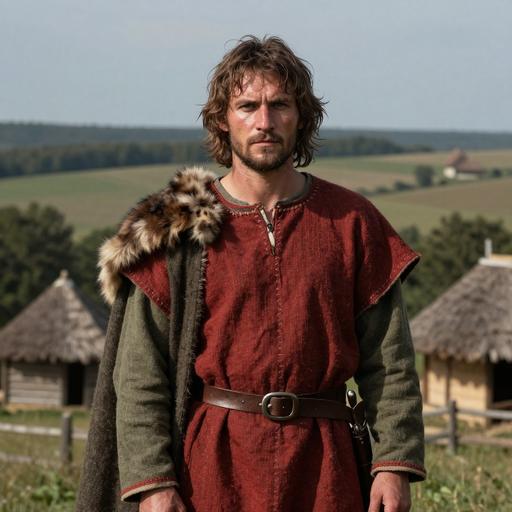
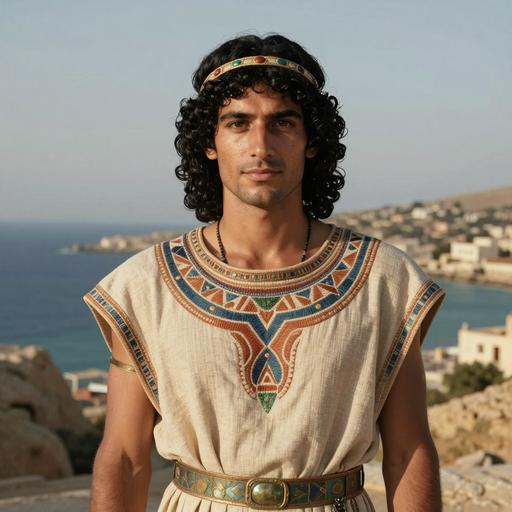
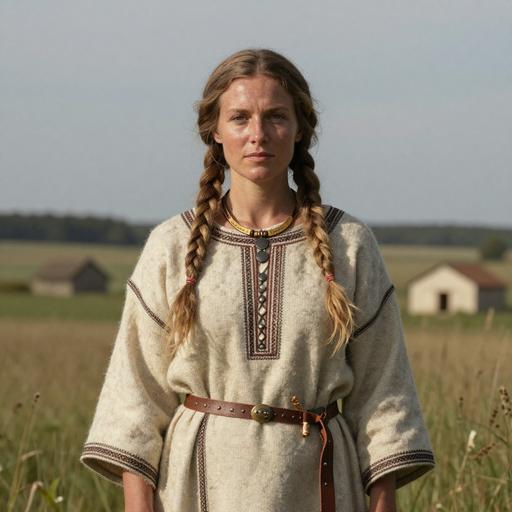
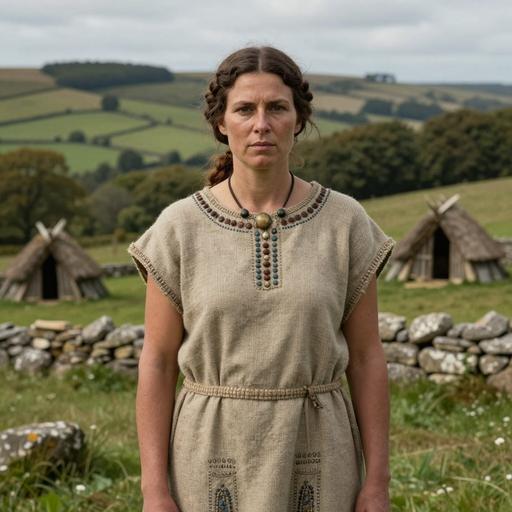
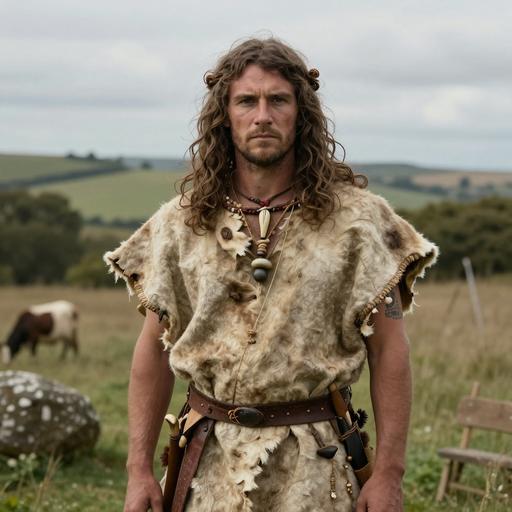
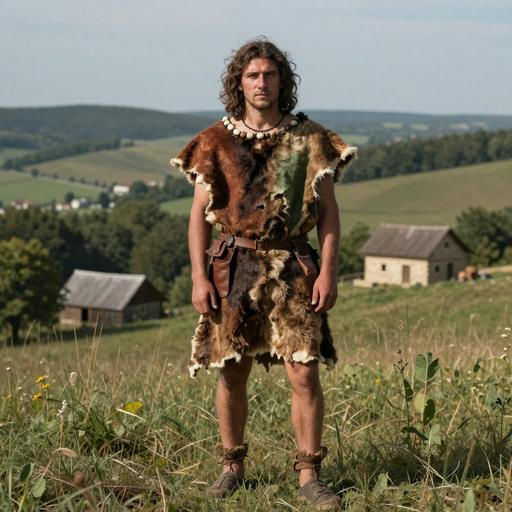
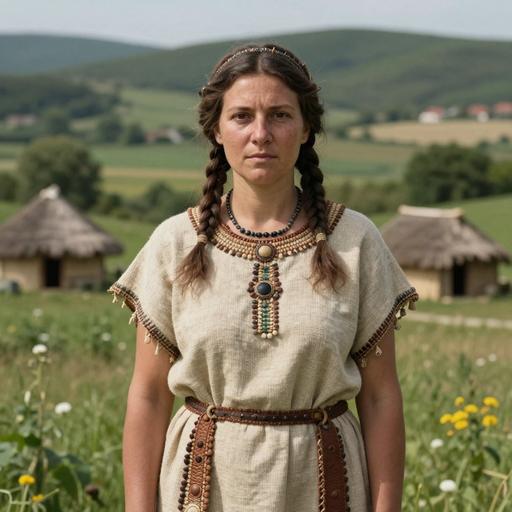
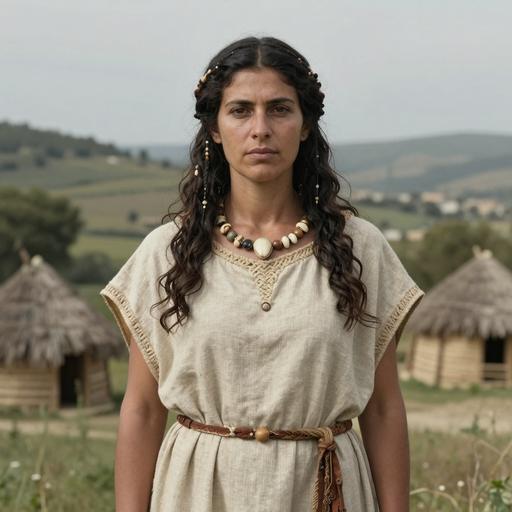
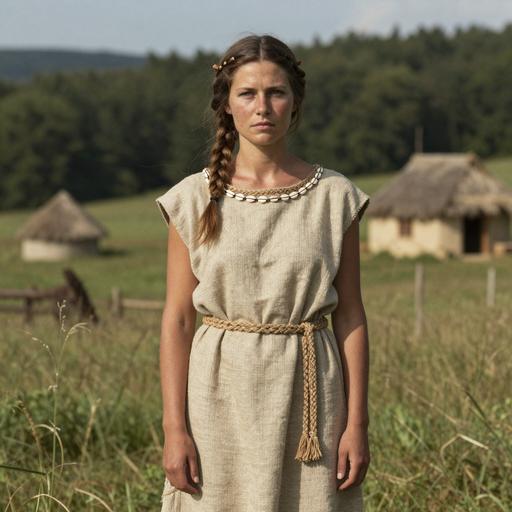
Porträts sind KI-generierte Illustrationen. Probenbezeichnungen und Zugangs-IDs identifizieren die Referenzdatensätze.

Porträt Probe Land Epoche Datum Kultur mtDNA Übereinstimmung
KI-generiertes illustratives Porträt von Kastrouli BA individual, Kastrouli (Desfina. Phokis. near Delphi), Greece (1,371-1,123 BCE)
Proben-ID: I13580
Greece Mycenaean Greece 1371-1123 calBCE (2990±25 BP, PSUAMS-6823) Mycenaean K2b Direkt
KI-generiertes illustratives Porträt von Epipaleolithic individual, Pınarbaşı, Turkey (13,629-13,308 BCE)
Proben-ID: ZBC
Turkey Turkey Epipaleolithic 13629-13308 calBCE (12890±40 BP, MAMS-30693) Anatolian Epipaleolithic K2b Direkt
KI-generiertes illustratives Porträt von Imperial Roman-o Local individual, Girona. Empuries. necropolis Centre de Visitants, Spain (100-300 CE)
Proben-ID: I8202
Spain Roman Period Spain 100-300 CE Roman Hispania K2b1 Subklade
KI-generiertes illustratives Porträt von Conqueror Commoner individual, Szabolcs-Szatmár-Bereg County. Ibrány-Esbóhalom, Hungary (900-1,000 CE)
Proben-ID: IBE-154
Hungary Hungary Conqueror Commoner 900-1000 CE Magyar Commoner Culture K2b2 Subklade
KI-generiertes illustratives Porträt von Minoan individual, Heraklion (Crete), Greece (1,613-1,506 BCE)
Proben-ID: APO023
Greece Greece Crete Aposelemis LBA 1613 BCE - 1506 BCE Minoan K2b1 Subklade
KI-generiertes illustratives Porträt von Czechia EBA Unetice individual, Central Bohemia. Prague 5. Prague-Stodůlky (Malá Ohrada site), Czech Republic (2,150-1,850 BCE)
Proben-ID: I7959
Czech Republic Early Bronze Age Unetice Culture, Czech Republic 2150-1850 BCE Unetice Culture K2b2 Subklade
KI-generiertes illustratives Porträt von EBA-1 individual, Wartau, Switzerland (2,461-2,291 BCE)
Proben-ID: TU914(SX26)
Switzerland Switzerland EBA 1 2461-2291 calBCE (3880±21 BP, BE-8019.1.1) Swiss Early Bronze K2b1 Subklade
KI-generiertes illustratives Porträt von Esperstedt Corded Ware individual, Esperstedt, Germany (2,500-2,050 BCE)
Proben-ID: I1544
Germany Corded Ware Culture, Germany 2500-2050 BCE Corded Ware K2b2 Subklade
KI-generiertes illustratives Porträt von Czechia Bell Beaker individual, Velké Přílepy, Czech Republic (2,500-1,900 BCE)
Proben-ID: I6468
Czech Republic Bell Beaker Culture, Czech Republic 2500-1900 BCE Bell Beaker K2b1 Subklade
KI-generiertes illustratives Porträt von England EN Megalithic individual, England. Gloucestershire. Cheltenham. Hazleton North, United Kingdom (3,750-3,500 BCE)
Proben-ID: I30299
United Kingdom Megalithic Neolithic England 3650-3528 calBCE (4825±25 BP, PSUAMS-12665) British Megalithic K2b1 Subklade
MATERNAL LINEAGE · ANCIENT DNA

Ancient lineage evidence map

Follow parent clades toward this branch and explore where ancient carriers were found.

Loading ancient observations…

Markers are archaeological find locations. A dashed connector is an uncertain, proposed geographic transition between consecutive branches supported by multiple dated observations; it is not an exact travel route, birthplace or proof of direct descent. Parent-clade samples may belong to other descendant branches. Gaps remain where evidence is insufficient. Sample dates differ from haplogroup formation dates.

Referenzprofil

Trägerverteilungskarte

Geografische Verteilung von 17 antiken DNA-Proben (direkte und Subkladen-Träger von K2B)

Direkter Träger Subkladen-Träger
Zeitraumfilter
Alle Zeiträume
Alle Proben werden angezeigt
Referenzprofil

Zeitliche Verteilung

Verteilung der Träger über archäologische Epochen

Referenzprofil

Geografische Verteilung

Anzahlen nach erfasstem Probenland. Sie spiegeln die verfügbare Referenzauswahl wider, nicht Bevölkerungshäufigkeiten.

Referenzprofil

Verteilung Land × Epoche

Vergleichen Sie erfasste Probenanzahlen nach Ländern und archäologischen Epochen. Wählen Sie eine belegte Zelle, um eine Probe anzusehen.

Daten

Daten und Herkunft

Quellenangaben und Datenqualität

Zuletzt aktualisiert 2026-02-16
Konfidenzwert 50/100
Abdeckung Low

Datenquelle

Klassifikation, geschätzte Daten und geografischer Kontext spiegeln die erfassten Referenzdaten wider und können sich bei überarbeiteten Belegen ändern. Die Probenabdeckung ist ungleichmäßig; erfasste Orte und archäologische Zuordnungen begründen weder persönliche Herkunft noch kulturelle Identität.