Zum Hauptinhalt springen
mtDNA · Mütterliche Linie

M30

mtDNA Haplogroup M30

Ein Referenzprofil für einen Abstammungszweig. Gemeinsame Haplogruppen begründen weder eine familiäre Beziehung noch eine kulturelle Identität.

Referenzprofil

Hintergrund des Zweigs

Historischer Kontext für den mtDNA-Abstammungszweig M30

Origins and Evolution

Haplogroup M30 is a descendant clade within the macro-haplogroup M, a major non-African maternal lineage that spread out of the initial southern dispersal of modern humans. Based on phylogenetic position and published coalescence estimates for closely related M subclades, M30 most likely arose on the Indian subcontinent in the Upper Paleolithic (roughly ~20–30 kya, here provisionally ~22 kya). Its emergence represents a local diversification event of macrohaplogroup M during or after the first colonization of South Asia, and its internal structure reflects long-term regional continuity and later demographic processes.

Subclades (if applicable)

M30 has been subdivided in modern mtDNA phylogenies into several subclades (commonly reported as M30a, M30b, and further downstream lineages). These subclades show differing geographic distributions and ages: some are widespread across multiple linguistic and social groups in South Asia, while others are more restricted to particular tribal or regional populations. Subclade diversity within M30 indicates both deep local survival and subsequent population-specific founder events or drift.

Geographical Distribution

M30 is predominantly a South Asian maternal lineage. The highest frequencies and greatest diversity are observed across India, with presence also documented in surrounding regions at lower frequencies. Small percentages of M30 (or closely related sublineages) have been reported in Pakistan, Bangladesh, Sri Lanka, Nepal, and sporadically further afield in Central and Western Asia and parts of Southeast Asia, usually explained by prehistoric spread and historic gene flow.

Historical and Cultural Significance

Because M30 predates the Neolithic in South Asia, it primarily signals Paleolithic and Mesolithic maternal ancestry that later contributed to the genetic substrate of Neolithic farmers and subsequent societies in the region. In modern samples M30 is found among both caste and tribal populations, indicating it is not restricted to a single social stratum. Archaeologically, while direct associations between a single mtDNA subclade and a named culture are inherently indirect, M30 likely contributed maternally to populations present in Mesolithic hunter-gatherer contexts and was part of the ancestral gene pool that participated in Neolithic developments in South Asia (e.g., Mehrgarh/early local farming communities) and later to urban Bronze Age societies such as the Indus Valley (Harappan) complex through continuity and admixture.

Conclusion

mtDNA haplogroup M30 is a South Asian-centered maternal lineage reflecting deep regional ancestry dating to the Upper Paleolithic. Its internal diversity and distribution across caste and tribal groups make it an important marker for studying prehistoric population continuity, local differentiation, and the complex demographic processes that shaped the genetic landscape of the Indian subcontinent and adjacent regions.

Wichtige Punkte

  • Origins and Evolution
  • Subclades (if applicable)
  • Geographical Distribution
  • Historical and Cultural Significance
  • Conclusion
Referenzprofil

Baum und Verwandtschaft

Phylogenetischer Kontext und Subkladen

Entwicklungsweg

Folgen Sie den erfassten übergeordneten Zweigen bis M30. Die Daten sind Schätzungen und können sich ändern, wenn Referenzdaten überarbeitet werden.

Schritte Haplogruppe Altersschätzung Archäologische Epoche Vergangene Zeit Unmittelbare Nachkommen Getestete moderne Nachkommen Antike Verknüpfungen
1 M30 Aktuell ~22,000 years ago Mesolithic 22,000 Jahre 5 95 0
2 M4"67 - - - 8 156 0
3 M ~60,000 years ago Paleolithic 60,000 Jahre 42 2,671 41
4 L3 ~70,000 years ago Paleolithic 70,000 Jahre 7 30,162 6
5 L3'4 - - - 2 30,212 0
6 L3'4'6 - - - 2 30,216 0
7 L2'3'4'6 - - - 2 31,333 0
8 L2'3'4'5'6'7 - - - 2 31,349 0
9 L1'2'3'4'5'6'7 - - - 2 31,852 0
10 L ~160,000 years ago Paleolithic 160,000 Jahre 2 32,236 5

Geschwisterzweige (7)

Weitere Zweige derselben übergeordneten Haplogruppe

Referenzprofil

Verbreitung weltweit

Geografische Verbreitung und moderne Präsenz

Erfasster Ursprung

South Asia (Indian subcontinent)

Moderne Verbreitung

The populations where mtDNA haplogroup M30 is found include:

  1. Various caste groups across India (both northern and southern regions)
  2. Tribal populations of India (for example Bhil, Gond, and some Munda-speaking groups)
  3. Pakistan populations (notably in Sindh and Punjab regions)
  4. Bangladesh (Bengali and other local groups)
  5. Sri Lanka (Sinhalese and some Tamil groups)
  6. Nepal (among diverse Indo-Aryan and Tibeto-Burman speaking groups)
  7. Central Asian populations (low-frequency occurrences due to prehistoric and historic contacts)
  8. Western Asia / Middle East (sporadic, low-frequency occurrences reflecting later gene flow)
Historischer Kontext

Ein Zweig durch die Zeit

Geschätzte Entstehung in einer breiten historischen Zeitleiste. Zeitmarken liefern Kontext und implizieren keine Verbindung zu bestimmten Kulturen.

  1. ~22k Jahre zurück

    Haplogruppe M30

    Geschätzte Entstehung dieses mtDNA-Zweigs; Daten und Orte sind Referenzschätzungen.

    Dieser Zweig
  2. ~20k Jahre zurück

    Letztes glaziales Maximum

    Höhepunkt der letzten Eiszeit, isolierte Bevölkerungen

  3. ~10k Jahre zurück

    Neolithische Revolution

    Beginn der Landwirtschaft und feste Siedlungen

  4. ~5k Jahre zurück

    Bronzezeit

    Metallverarbeitung, Schrift und frühe Zivilisationen

  5. ~3k Jahre zurück

    Eisenzeit

    Eisenwerkzeuge und ausgedehnte Handelsnetze

  6. ~2.5k Jahre zurück

    Klassische Antike

    Blüte griechischer und römischer Kulturen

  7. Gegenwart

    Gegenwart

    Moderne Zeit

Referenzprofil

Archäologischer Kontext

Erfasste archäologische Zuordnungen für den mtDNA-Zweig M30

Erfasste Zuordnungen

Diese Bezeichnungen beschreiben archäologische Kontexte erfasster Referenzproben mit Bezug zu M30. Eine Zuordnung bedeutet nicht, dass alle Träger einer Kultur angehörten oder einer bestimmten Migrationsroute folgten.

Butkara Culture Caishichang Culture Gogdara Culture Gonur Culture Hetian Culture Loebanr Culture Roopkund Culture Saidu Sharif Culture Shahr-i Sokhta
Kulturzuordnungen basieren auf dem archäologischen Kontext antiker DNA-Proben und können regionale Verknüpfungen in bestimmten Zeiträumen widerspiegeln.
Referenzprofil

Probencatalog

4 direkte Träger und 15 Subkladen-Träger der Haplogruppe M30

10 angezeigt · 19 passende Proben

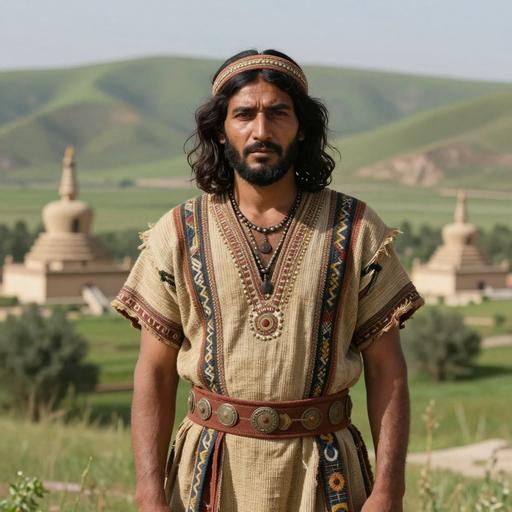
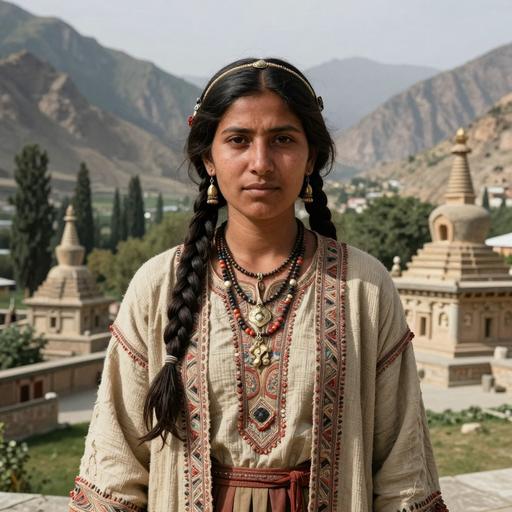
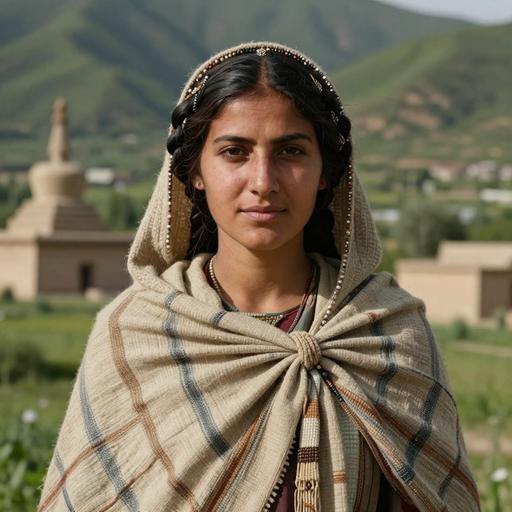
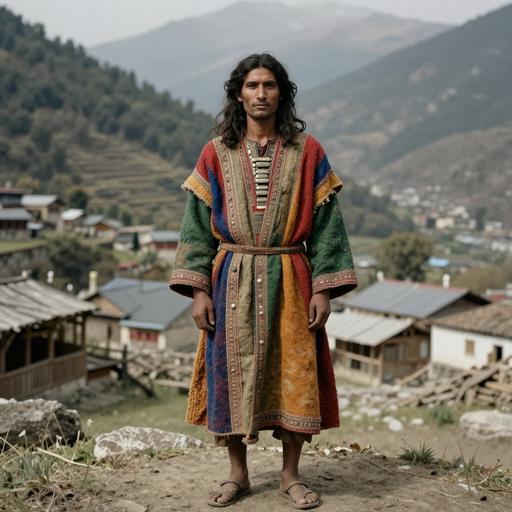
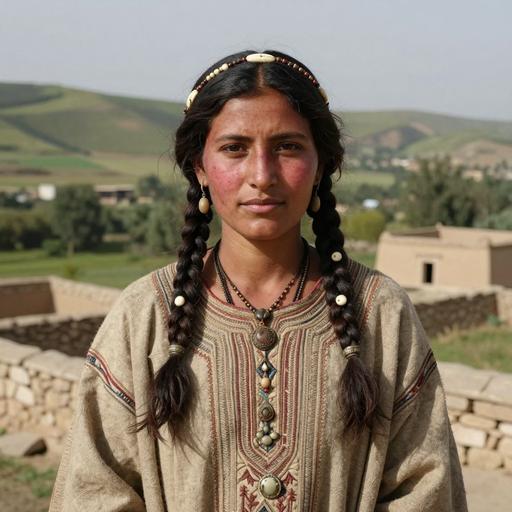
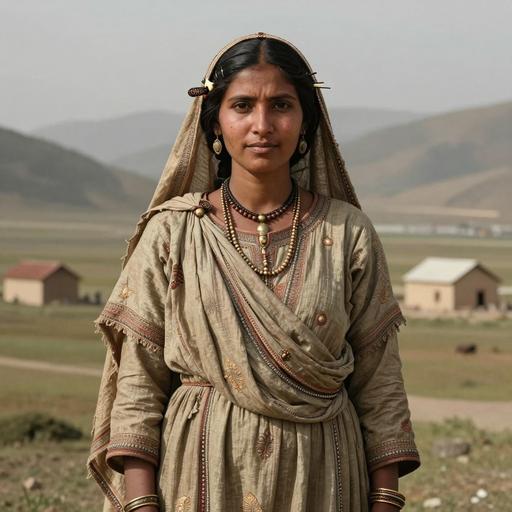
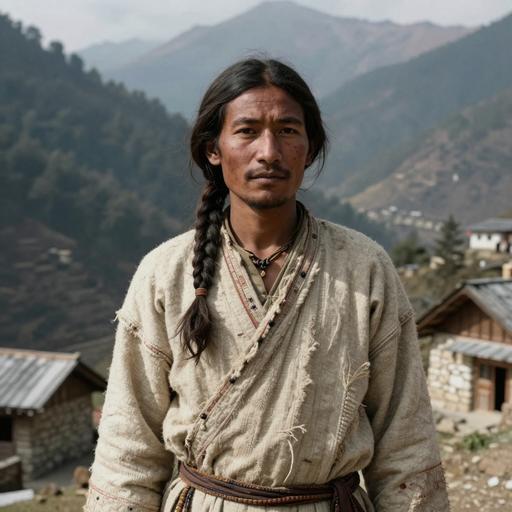
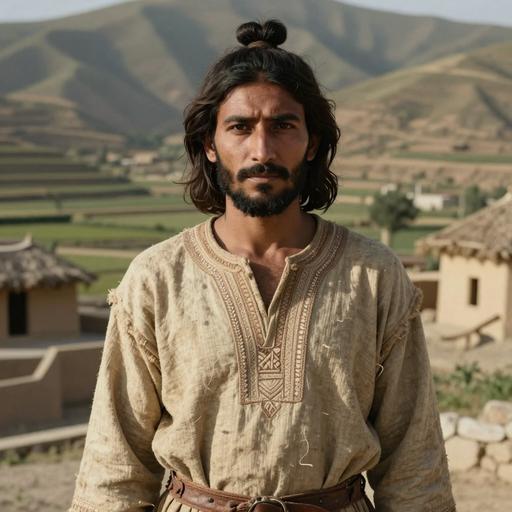
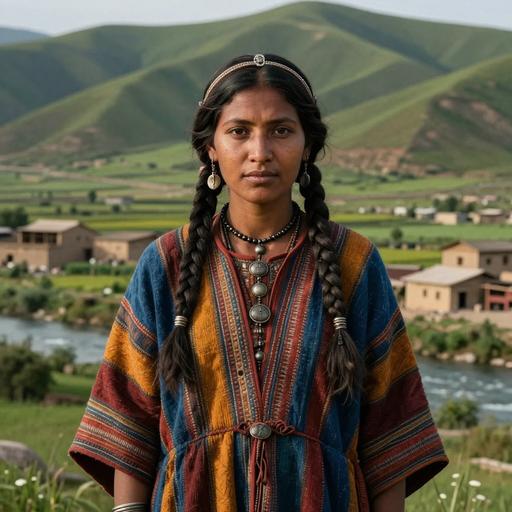
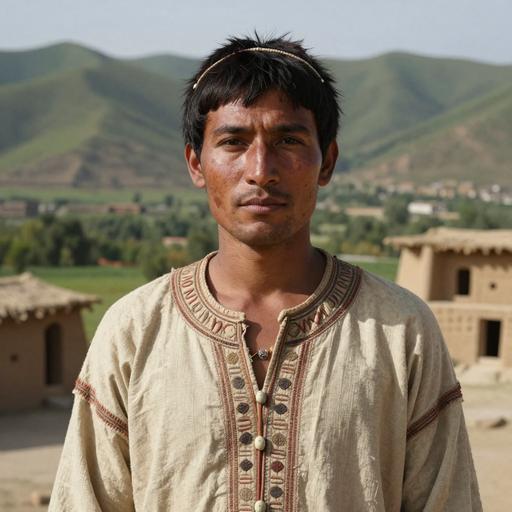
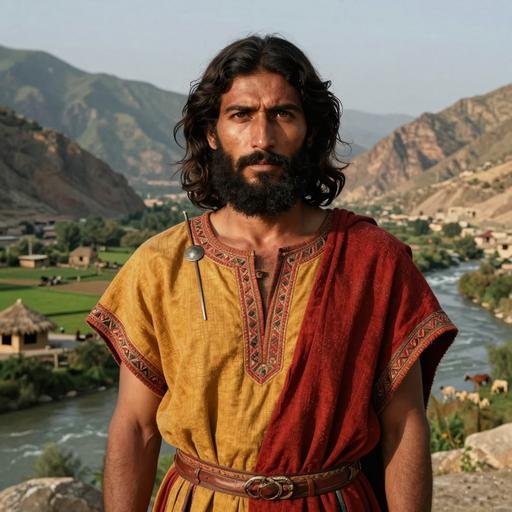
Porträts sind KI-generierte Illustrationen. Probenbezeichnungen und Zugangs-IDs identifizieren die Referenzdatensätze.

Porträt Probe Land Epoche Datum Kultur mtDNA Übereinstimmung
KI-generiertes illustratives Porträt von Historic H individual, Swat Valley. Butkara IV, Pakistan (165-2 BCE)
Proben-ID: I6549
Pakistan Butkara: Iron Age Religious and Cultural Center in Swat Valley, Pakistan 165-2 calBCE (2080±20 BP, PSUAMS-2788) Butkara Culture M30 Direkt
KI-generiertes illustratives Porträt von Early Historic H individual, Swat Valley. Butkara IV, Pakistan (200-1 BCE)
Proben-ID: I6552
Pakistan Butkara: Iron Age Religious and Cultural Center in Swat Valley, Pakistan 200-1 BCE Butkara Culture M30 Direkt
KI-generiertes illustratives Porträt von Historic individual, Swat Valley. Saidu Sharif, Pakistan (400-200 BCE)
Proben-ID: I6894
Pakistan Saidu Sharif Iron Age Complex in Swat Valley, Pakistan 400-200 BCE Saidu Sharif Culture M30 Direkt
KI-generiertes illustratives Porträt von Roopkund- A individual, Uttaranchal. Himalaya. Roopkund, India (886-990 CE)
Proben-ID: I3406
India India Roopkund A 886-990 calCE (1125±20 BP, PSUAMS-5436) Roopkund Culture M30 Direkt
KI-generiertes illustratives Porträt von Historic individual, Swat Valley. Saidu Sharif, Pakistan (400-200 BCE)
Proben-ID: I7723
Pakistan Saidu Sharif Iron Age Complex in Swat Valley, Pakistan 400-200 BCE Saidu Sharif Culture M30d1 Subklade
KI-generiertes illustratives Porträt von Roopkund- A individual, Uttaranchal. Himalaya. Roopkund, India (682-878 CE)
Proben-ID: I6945
India India Roopkund A 682-878 calCE (1240±20 BP, PSUAMS-5442) Roopkund Culture M30-a Subklade
KI-generiertes illustratives Porträt von Roopkund- A individual, Uttaranchal. Himalaya. Roopkund, India (707-888 CE)
Proben-ID: I3346
India India Roopkund A 707-888 calCE (1210±25 BP, PSUAMS-5462) Roopkund Culture M30c Subklade
KI-generiertes illustratives Porträt von IA individual, Swat Valley. Katelai, Pakistan (1,000-800 BCE)
Proben-ID: I12470
Pakistan The Pakistan Katelai Iron Age Culture 1000-800 BCE Katelai Culture M30c1 Subklade
KI-generiertes illustratives Porträt von IA individual, Swat Valley. Katelai, Pakistan (1,000-800 BCE)
Proben-ID: I12461
Pakistan The Pakistan Katelai Iron Age Culture 1000-800 BCE Katelai Culture M30d1 Subklade
KI-generiertes illustratives Porträt von Indo-Aryan individual, Swat Valley. Katelai, Pakistan (1,000-800 BCE)
Proben-ID: I12149
Pakistan The Pakistan Katelai Iron Age Culture 1000 BCE - 800 BCE Katelai Culture M30c1 Subklade
MATERNAL LINEAGE · ANCIENT DNA

Ancient lineage evidence map

Follow parent clades toward this branch and explore where ancient carriers were found.

Loading ancient observations…

Markers are archaeological find locations. A dashed connector is an uncertain, proposed geographic transition between consecutive branches supported by multiple dated observations; it is not an exact travel route, birthplace or proof of direct descent. Parent-clade samples may belong to other descendant branches. Gaps remain where evidence is insufficient. Sample dates differ from haplogroup formation dates.

Referenzprofil

Trägerverteilungskarte

Geografische Verteilung von 19 antiken DNA-Proben (direkte und Subkladen-Träger von M30)

Direkter Träger Subkladen-Träger
Zeitraumfilter
Alle Zeiträume
Alle Proben werden angezeigt
Referenzprofil

Zeitliche Verteilung

Verteilung der Träger über archäologische Epochen

Referenzprofil

Geografische Verteilung

Anzahlen nach erfasstem Probenland. Sie spiegeln die verfügbare Referenzauswahl wider, nicht Bevölkerungshäufigkeiten.

Referenzprofil

Verteilung Land × Epoche

Vergleichen Sie erfasste Probenanzahlen nach Ländern und archäologischen Epochen. Wählen Sie eine belegte Zelle, um eine Probe anzusehen.

Daten

Daten und Herkunft

Quellenangaben und Datenqualität

Zuletzt aktualisiert 2026-06-14
Konfidenzwert 50/100
Abdeckung Low

Datenquelle

Klassifikation, geschätzte Daten und geografischer Kontext spiegeln die erfassten Referenzdaten wider und können sich bei überarbeiteten Belegen ändern. Die Probenabdeckung ist ungleichmäßig; erfasste Orte und archäologische Zuordnungen begründen weder persönliche Herkunft noch kulturelle Identität.