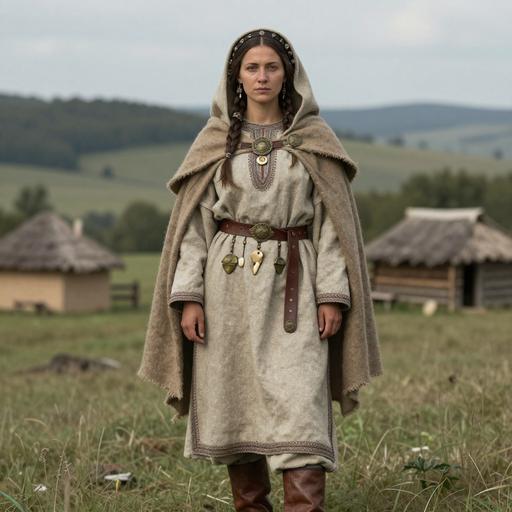
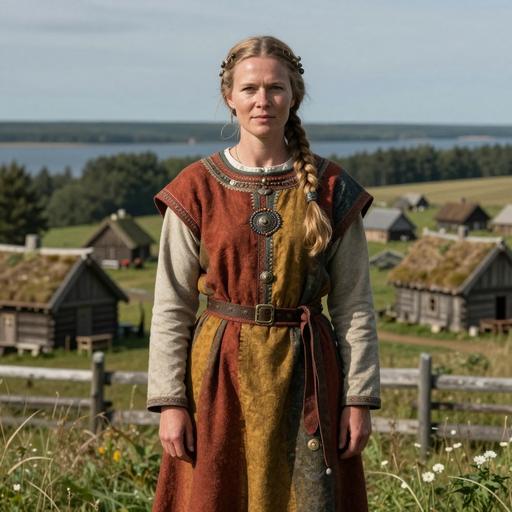
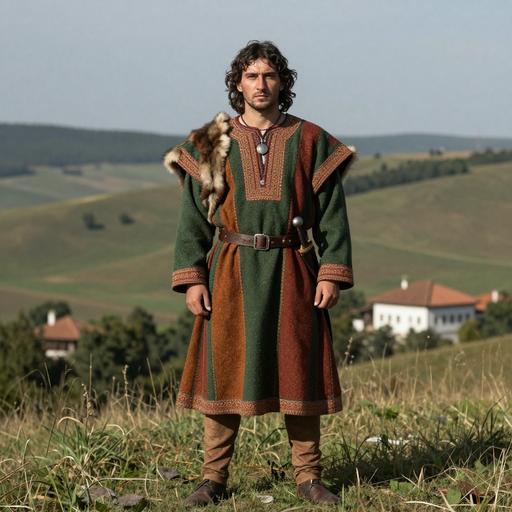
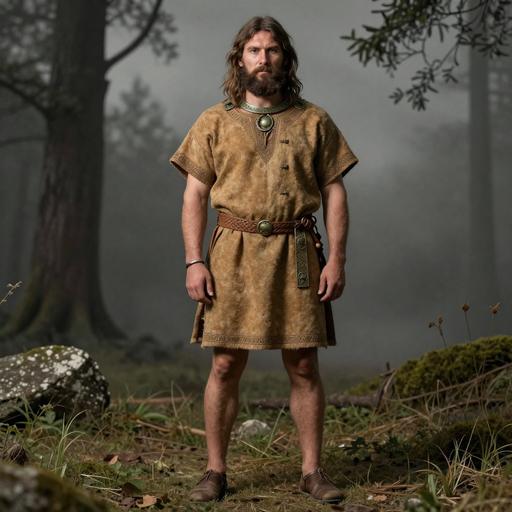
Ein Referenzprofil für einen Abstammungszweig. Gemeinsame Haplogruppen begründen weder eine familiäre Beziehung noch eine kulturelle Identität.
Referenzprofil
Hintergrund des Zweigs
Historischer Kontext für den mtDNA-Abstammungszweig U5A1B1
Origins and Evolution
mtDNA haplogroup U5A1B1 is a downstream branch of U5A1B, itself a subclade of U5a1. The broader U5 lineage is among the oldest maternal lineages in Europe and is frequently associated with Late Upper Paleolithic and Mesolithic hunter‑gatherer populations. Based on its phylogenetic position under U5A1B (parental node commonly placed around ~12 kya) and the distribution of derived mutations, U5A1B1 most likely formed in the late Mesolithic to early post‑glacial period (roughly 9 kya) in northern or northeastern Europe. The lineage represents continued maternal ancestry from pre‑farming forager groups that persisted into later archaeological periods.
Subclades (if applicable)
As a fine‑scale subclade of U5A1B, U5A1B1 may itself carry further downstream variation that appears in individual modern and ancient samples; however, U5A1B1 is defined by a specific set of control‑region and coding‑region mutations that distinguish it from sibling branches. In published and database sample sets the subclade appears as a modestly diverse cluster rather than a very large radiation, consistent with a regional, long‑term presence rather than a continent‑wide explosive expansion.
Geographical Distribution
U5A1B1 is concentrated in northern and eastern Europe, with highest relative representation in Scandinavia and the Baltic region, and notable persistence among indigenous Saami populations of northern Fennoscandia. It is present at lower frequencies across central and western Europe and occurs sporadically in the Caucasus, parts of Central Asia, and rare instances in North Africa — patterns compatible with north‑to‑south and east‑to‑west gene flow over millennia as well as recent historical mobility. In ancient DNA datasets U5A1B1 has been identified in multiple Mesolithic and later archaeological contexts (the dataset referenced here contains 26 aDNA occurrences), demonstrating continuity from prehistoric northern Europe into later periods.
Historical and Cultural Significance
U5A1B1 is most strongly tied to Mesolithic hunter‑gatherer societies of northern and eastern Europe and illustrates maternal continuity in regions that were only slowly impacted by incoming Neolithic farmer lineages. Its persistence among the Saami and detection in later Neolithic, Chalcolithic and Bronze Age samples suggests that descendants of Mesolithic maternal lineages contributed to local gene pools through the Neolithic and into historical periods, often coexisting with incoming farmer and steppe‑related ancestries. U5A1B1 therefore provides a useful marker for studies of population continuity, regional persistence, and the interactions between indigenous foragers and migrating farmers and pastoralists.
Conclusion
U5A1B1 is a regionally informative mtDNA subclade reflecting post‑glacial northern European maternal ancestry. It is valuable for reconstructing Mesolithic population structure, tracing continuity in indigenous northern populations (notably the Saami), and understanding the mosaic of maternal lineages that contributed to modern northern and eastern European populations. Its modest diversity and localized distribution make it a marker of long‑term, regionally rooted maternal heritage rather than a signature of a wide, rapid expansion.
Wichtige Punkte
Origins and Evolution
Subclades (if applicable)
Geographical Distribution
Historical and Cultural Significance
Conclusion
Referenzprofil
Baum und Verwandtschaft
Phylogenetischer Kontext und Subkladen
Entwicklungsweg
Folgen Sie den erfassten übergeordneten Zweigen bis U5A1B1. Die Daten sind Schätzungen und können sich ändern, wenn Referenzdaten überarbeitet werden.
The populations where mtDNA haplogroup U5A1B1 is found include:
Northern European populations (e.g., Scandinavia)
Indigenous Saami populations of northern Scandinavia
Eastern European populations (Baltic region, parts of Russia)
Central and Western European populations (lower to moderate frequencies)
Caucasus populations (low frequency)
Some Central Asian and North African populations (sporadic, low frequency)
Historischer Kontext
Ein Zweig durch die Zeit
Geschätzte Entstehung in einer breiten historischen Zeitleiste. Zeitmarken liefern Kontext und implizieren keine Verbindung zu bestimmten Kulturen.
~10k Jahre zurück
Neolithische Revolution
Beginn der Landwirtschaft und feste Siedlungen
~9k Jahre zurück
Haplogruppe U5A1B1
Geschätzte Entstehung dieses mtDNA-Zweigs; Daten und Orte sind Referenzschätzungen.
Dieser Zweig
~5k Jahre zurück
Bronzezeit
Metallverarbeitung, Schrift und frühe Zivilisationen
~3k Jahre zurück
Eisenzeit
Eisenwerkzeuge und ausgedehnte Handelsnetze
~2.5k Jahre zurück
Klassische Antike
Blüte griechischer und römischer Kulturen
Gegenwart
Gegenwart
Moderne Zeit
Referenzprofil
Archäologischer Kontext
Erfasste archäologische Zuordnungen für den mtDNA-Zweig U5A1B1
Erfasste Zuordnungen
Diese Bezeichnungen beschreiben archäologische Kontexte erfasster Referenzproben mit Bezug zu U5A1B1. Eine Zuordnung bedeutet nicht, dass alle Träger einer Kultur angehörten oder einer bestimmten Migrationsroute folgten.
Bell BeakerChemurcheck CultureHungary_LateC_EBA_YamnayaLos MillaresMarosMoldova_EBA_YamnayaUneticeUnetice Culture
Kulturzuordnungen basieren auf dem archäologischen Kontext antiker DNA-Proben und können regionale Verknüpfungen in bestimmten Zeiträumen widerspiegeln.
Referenzprofil
Probencatalog
28 direkte Träger und 33 Subkladen-Träger der Haplogruppe U5A1B1
10 angezeigt · 50 passende Proben
Keine Proben entsprechen diesen Filtern. Versuchen Sie eine andere Bezeichnung, einen anderen Ort oder eine andere Epoche.
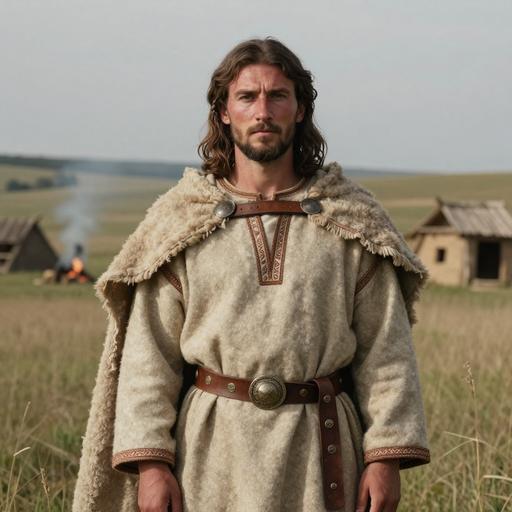
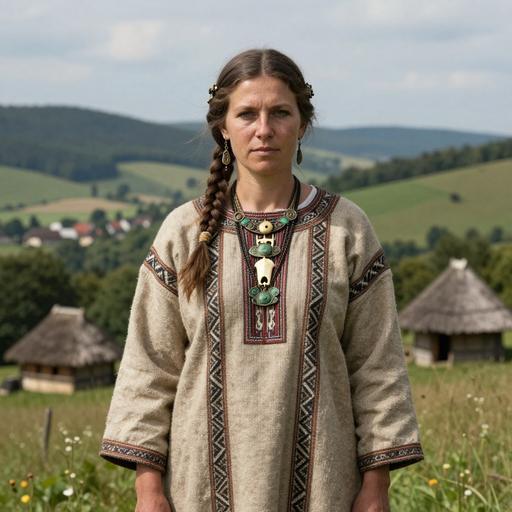
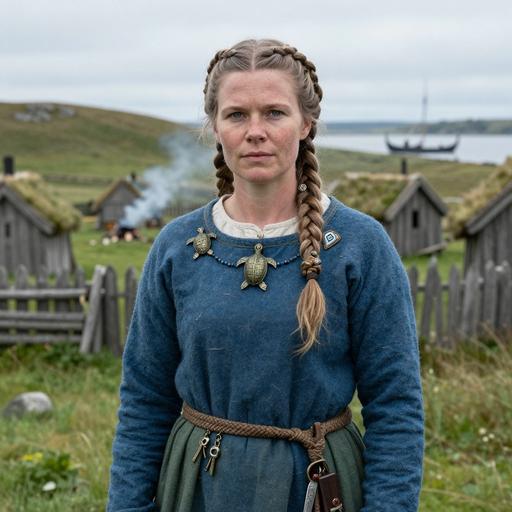
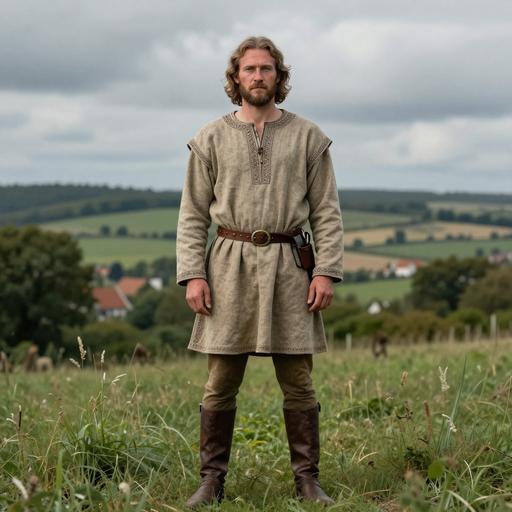
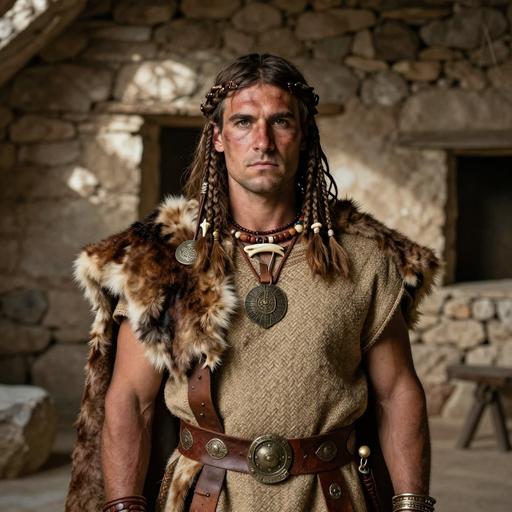
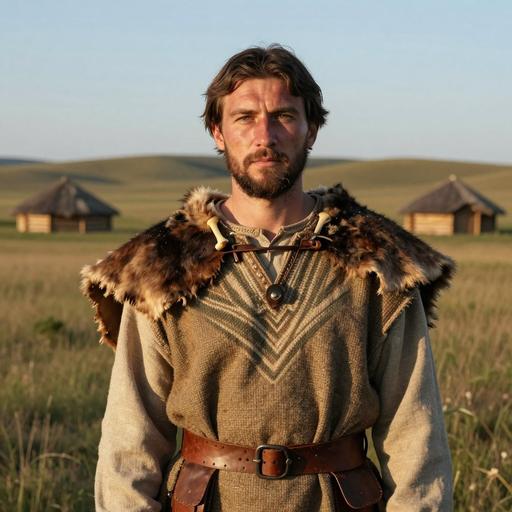
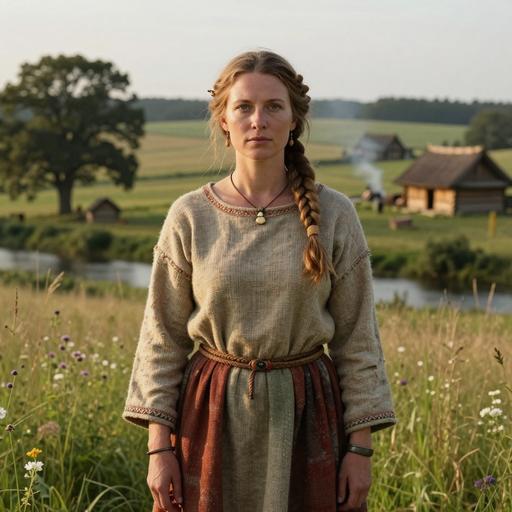
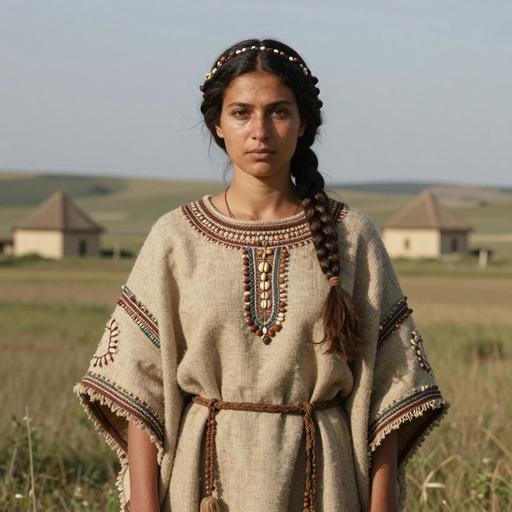
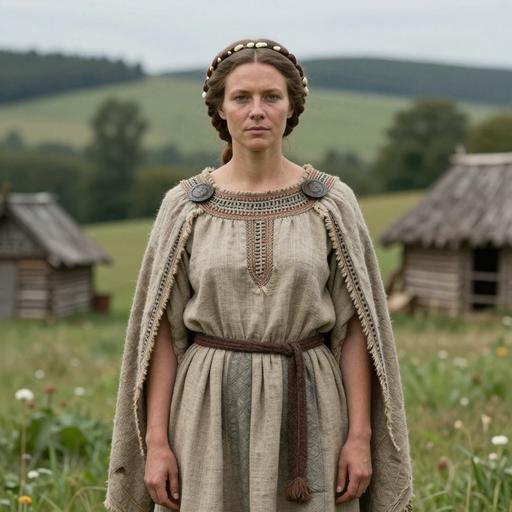
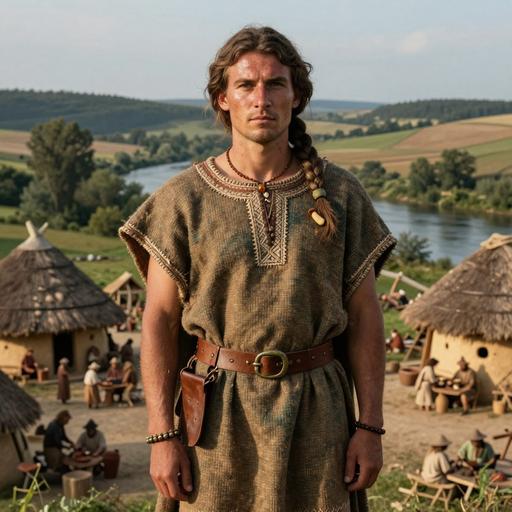
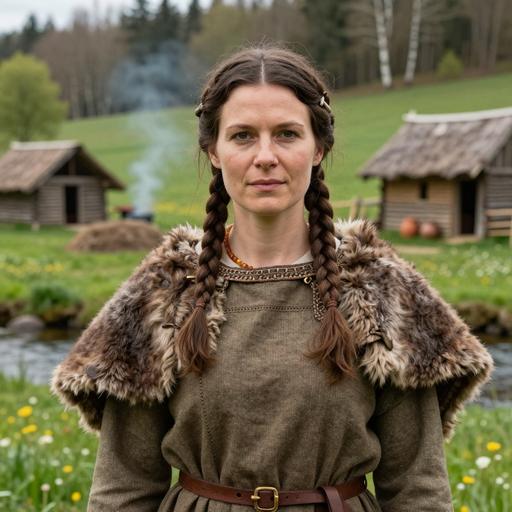
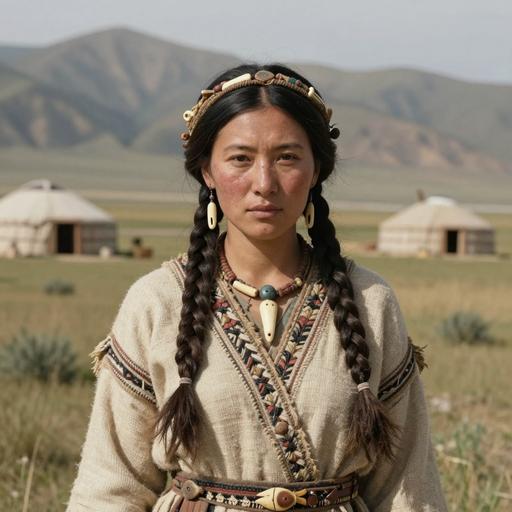
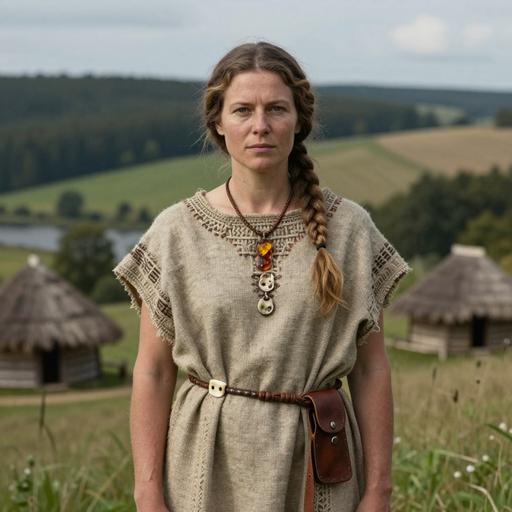
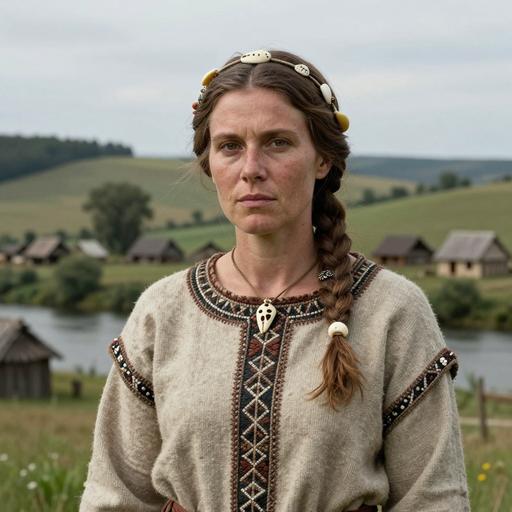
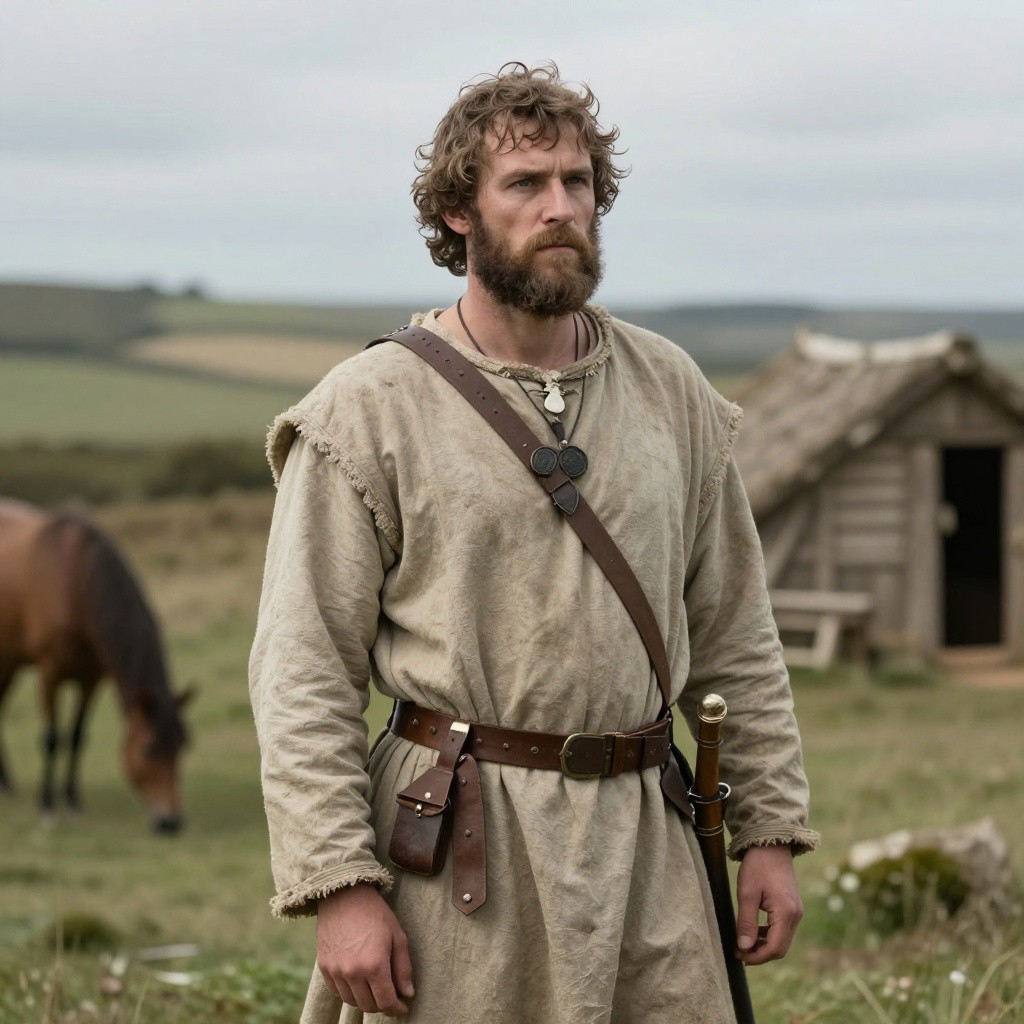
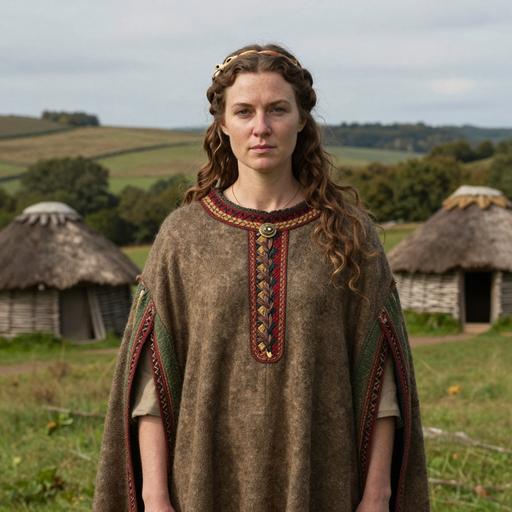
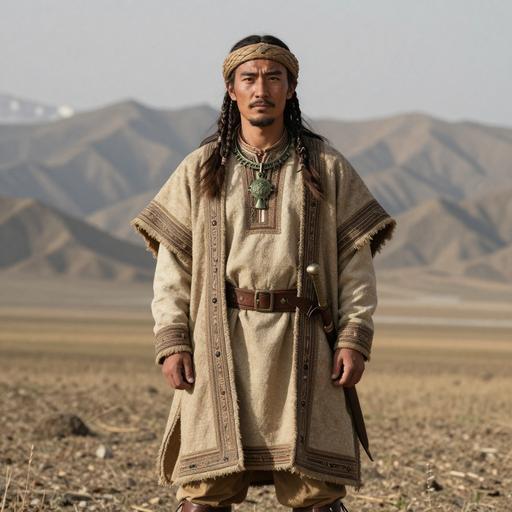
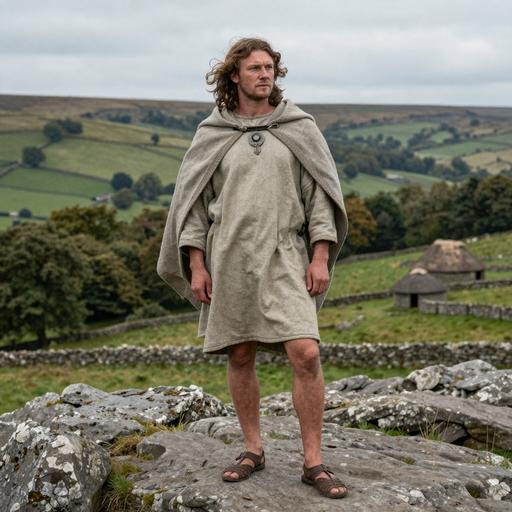
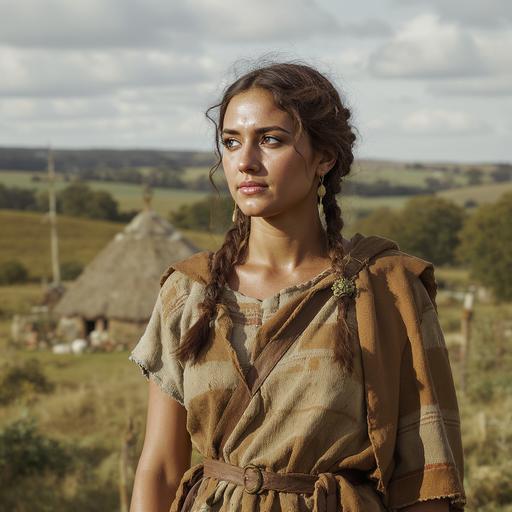
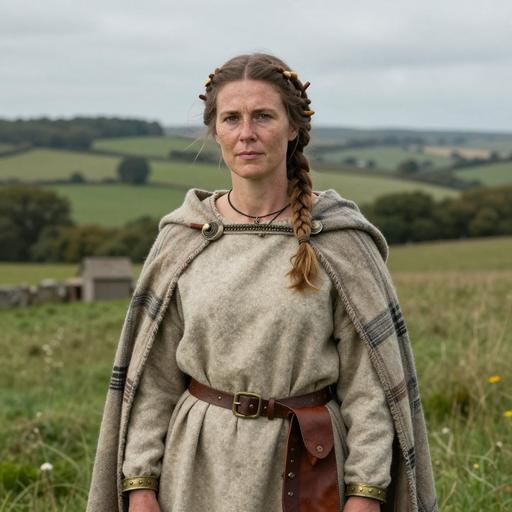
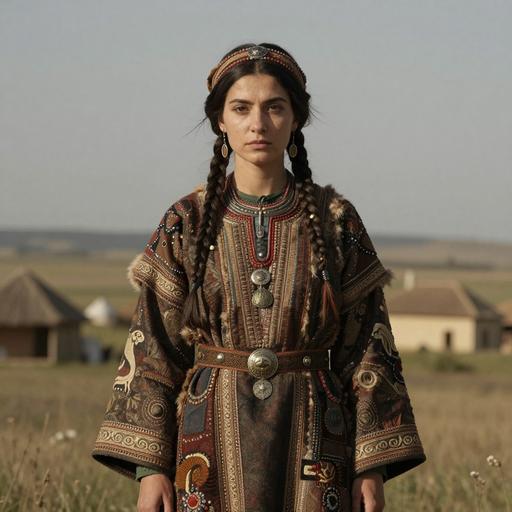
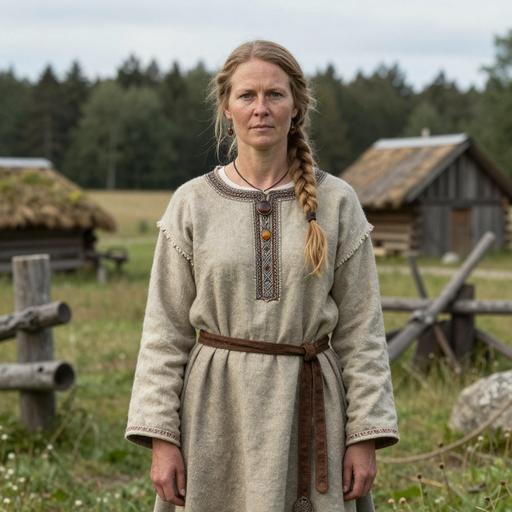
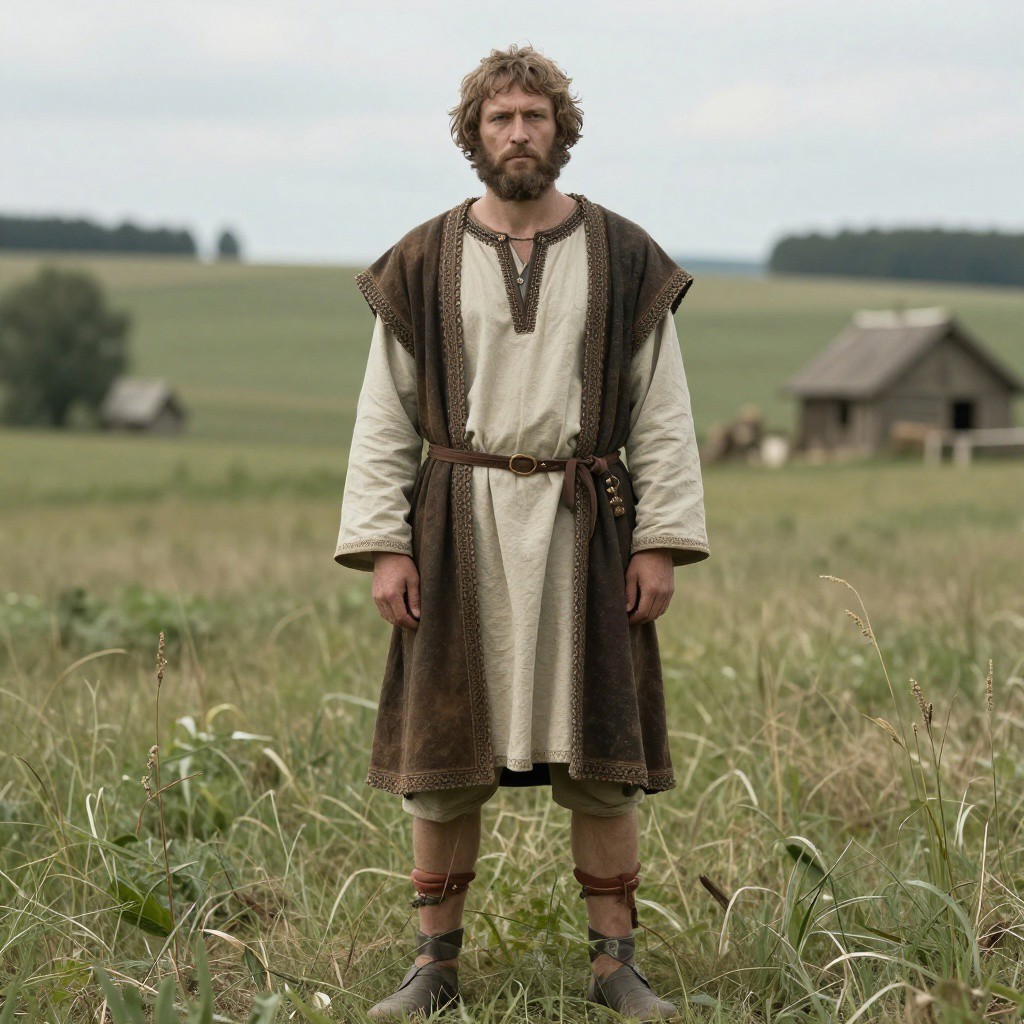
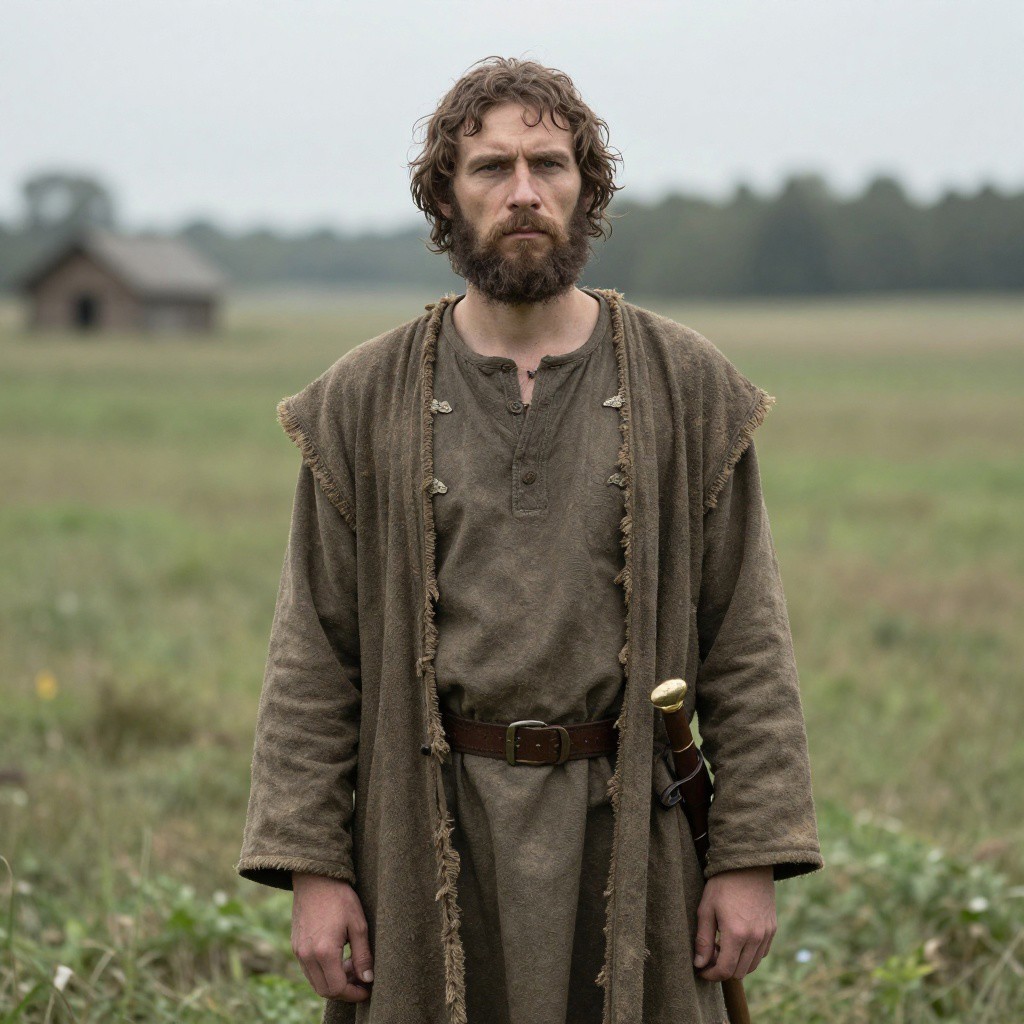
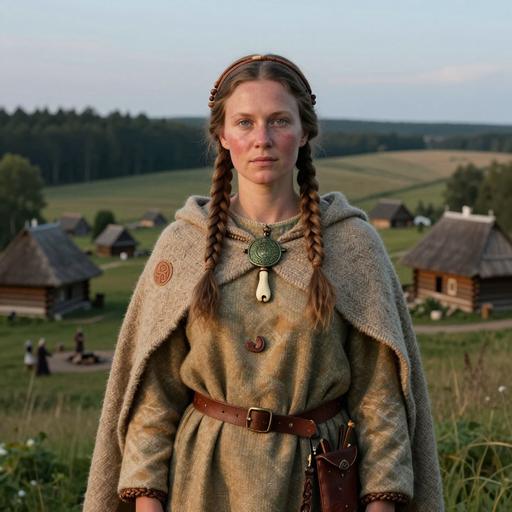
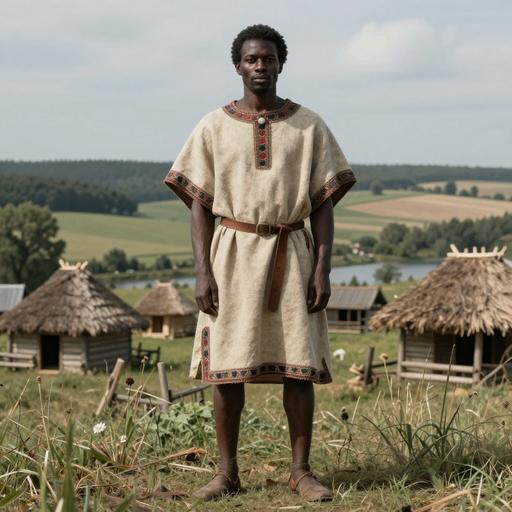
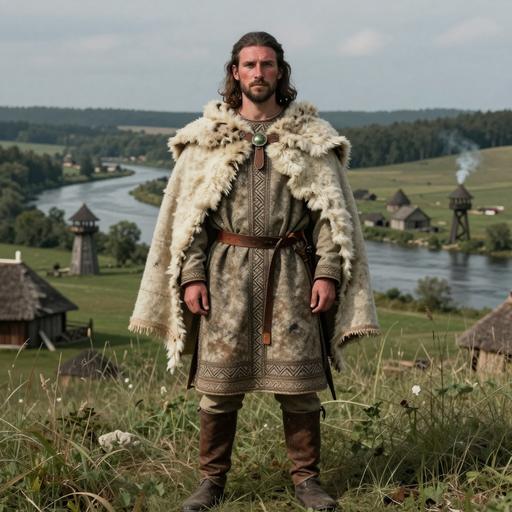
Porträts sind KI-generierte Illustrationen. Probenbezeichnungen und Zugangs-IDs identifizieren die Referenzdatensätze.
Porträt
Probe
Land
Epoche
Datum
Kultur
mtDNA
Übereinstimmung
Proben-ID: I26629
United Kingdom
ChannelIslands LIA LaTene
170 BCE - 90 BCE
La Tene
U5a1b1
Direkt
Proben-ID: I3866
Spain
Visigothic Period Barcelona, Spain
600-700 CE
Visigothic Culture
U5a1b1
Direkt
Proben-ID: CSPF-37
Hungary
Hungary MiddleAvar
600-700 CE
Avar Culture
U5a1b1
Direkt
Proben-ID: I11722
Slovakia
The Vekerzug Culture in Slovakia
650-500 BCE
Vekerzug Culture
U5a1b1
Direkt
Proben-ID: VK94
Denmark
Denmark Viking
800 CE - 1100 CE
Viking Denmark
U5a1b1
Direkt
Proben-ID: VK94
Denmark
The Viking Age
800 CE - 1100 CE
U5a1b1
Direkt
Proben-ID: SWG001
Germany
Saxon Late Medieval Schleswig, Germany
1100-1200 CE
Saxon Schleswig
U5a1b1
Direkt
Proben-ID: I16488
United Kingdom
Wales LBA
1201-1015 calBCE (2910±20 BP, PSUAMS-8441)
Welsh Bronze Age
U5a1b1
Direkt
Proben-ID: MJ-31
Ukraine
Cimmerian Culture, Ukraine
1284 BCE - 1055 BCE
Cimmerian
U5a1b1
Direkt
Proben-ID: MJ-31
Ukraine
The Cimmerians
1284 BCE - 1055 BCE
U5a1b1
Direkt
Proben-ID: b13-1
Russia
Srubnaya-Alakul Culture
1878-1692 calBCE
Srubnaya-Alakul
U5a1b1
Direkt
Proben-ID: RISE150
Poland
Poland EBA Unetice
1886 BCE - 1691 BCE
Unetice
U5a1b1
Direkt
Proben-ID: RISE150
Poland
The Unetice Culture
1886 BCE - 1691 BCE
U5a1b1
Direkt
Proben-ID: I23212
Serbia
The Maros Culture in Serbia
2100-1800 BCE
Maros
U5a1b1
Direkt
Proben-ID: PDA001
Czech Republic
Early Bronze Age Unetice Culture, Bohemia, Czech Republic
2140-1973 calBCE (3675±22 BP, MAMS-30755)
Unetice Culture
U5a1b1
Direkt
Proben-ID: I13468
Czech Republic
Early Bronze Age Unetice Culture, Czech Republic
2150-1850 BCE
Unetice Culture
U5a1b1
Direkt
Proben-ID: PDA004
Czech Republic
Early Bronze Age Unetice Culture, Bohemia, Czech Republic
2197-2035 calBCE (3717±20 BP, MAMS-30757)
Unetice Culture
U5a1b1
Direkt
Proben-ID: PDA002
Czech Republic
Early Bronze Age Unetice Culture, Bohemia, Czech Republic
2199-2035 calBCE (3720±21 BP, MAMS-30756)
Unetice Culture
U5a1b1
Direkt
Proben-ID: LEU034
Germany
Early Bronze Age Unetice Culture, Germany
2200-2000 BCE
Unetice
U5a1b1
Direkt
Proben-ID: LEU009
Germany
Early Bronze Age Unetice Culture, Germany
2150-2000 BCE
Unetice
U5a1b1
Direkt
Proben-ID: KO7003
Czech Republic
Early Bronze Age Unetice Culture, Bohemia, Czech Republic
2284-2046 calBCE (3761±24 BP, MAMS-30793)
Unetice Culture
U5a1b1
Direkt
Proben-ID: PDA003
Czech Republic
Early Bronze Age Unetice Culture, Bohemia, Czech Republic
2286-2050 calBCE (3765±24 BP, MAMS-38479)
Unetice Culture
U5a1b1
Direkt
Proben-ID: EHU001
Spain
Spain C
2287-2044 cal BCE (3760±30 BP, Beta-492280)
Los Millares
U5a1b1
Direkt
Proben-ID: C2049
China
The Bronze Age Chemurcheck culture
2450-2100 BCE
Chemurcheck Culture
U5a1b1
Direkt
Proben-ID: I1546
Germany
Bell Beaker Culture, Germany
2500-2050 BCE
Bell Beaker
U5a1b1
Direkt
Proben-ID: I6476
Czech Republic
Bell Beaker Culture, Czech Republic
2500-1800 BCE
Bell Beaker
U5a1b1
Direkt
Proben-ID: I7847
Moldova
Moldova EBA Yamnaya
3017-2906 calBCE (4350±20 BP, PSUAMS-4406)
Moldova_EBA_Yamnaya
U5a1b1
Direkt
Proben-ID: I2363
Hungary
Hungary LateC EBA Yamnaya
3365-3095 calBCE (4520±40 BP, deb-6869)
Hungary_LateC_EBA_Yamnaya
U5a1b1
Direkt
Proben-ID: KD042
United Kingdom
Iron Age Orkney, Scotland
1-250 CE
Orcadian Iron Age
U5a1b1a
Subklade
Proben-ID: WBK07
United Kingdom
England IA
40 calBCE - 120 calCE (1976±25 BP, UBA-45877)
British Iron Age
U5a1b1g
Subklade
Proben-ID: I5365
United Kingdom
England LIA
103 calBCE - 107 calCE (2023±31 BP, SUERC-50796)
British Late Iron Age
U5a1b1e
Subklade
Proben-ID: DA101
Kyrgyzstan
The Hun Period in Kyrgyzstan
212 CE - 351 CE
Hunnic Period
U5a1b1e
Subklade
Proben-ID: DA101
Kyrgyzstan
The Huns
212 CE - 351 CE
U5a1b1e*
Subklade
Proben-ID: I12775
United Kingdom
England MIA
361-177 calBCE (2200±20 BP, PSUAMS-8287)
Middle Iron Age British
U5a1b1e
Subklade
Proben-ID: I16592
United Kingdom
England MIA
387-199 calBCE (2227±30 BP, SUERC-94989)
Middle Iron Age British
U5a1b1e
Subklade
Proben-ID: I11147
United Kingdom
England MIA
392-204 calBCE (2248±30 BP, SUERC-94978)
Middle Iron Age British
U5a1b1e
Subklade
Proben-ID: I13685
United Kingdom
England MIA
400-208 calBCE (2276±30 BP, SUERC-94980)
Middle Iron Age British
U5a1b1e
Subklade
Proben-ID: RKF278
Hungary
Hungary Avar
550-850 CE
Avar
U5a1b1c1
Subklade
Proben-ID: lau001
Sweden
Pre-Viking Gotland Culture
500-1050 CE
Early Gotland
U5a1b1h
Subklade
Proben-ID: MGS053
Austria
Austria Avar
650-800 CE
Austria_Avar
U5a1b1c1
Subklade
Proben-ID: MGS122
Austria
Austria Avar
650-800 CE
Austria_Avar
U5a1b1c
Subklade
Proben-ID: KUP016
Hungary
Hungary LateAvar
700-850 CE
Avar Culture
U5a1b1c1
Subklade
Proben-ID: VK294
Denmark
Denmark Viking
850 CE - 900 CE
Viking Denmark
U5a1b1h
Subklade
Proben-ID: VK294
Denmark
The Viking Age
850 CE - 900 CE
U5a1b1h
Subklade
Proben-ID: I2525
Bulgaria
Medieval Bulgaria
889-989 calCE (1120±20 BP, PSUAMS-2222)
Bulgarian Medieval
U5a1b1c
Subklade
Proben-ID: PCA0191
Poland
Iron Age Lusatian culture of Poland
1000-1200 CE
Lusatian Culture
U5a1b1e
Subklade
Proben-ID: PCA0313
Poland
Iron Age Płońsk Culture
1000-1200 CE
Płońsk Culture
U5a1b1e
Subklade
Proben-ID: PCA0328
Poland
Iron Age Płońsk Culture
1000-1200 CE
Płońsk Culture
U5a1b1e
Subklade
Proben-ID: PCA0334
Poland
Iron Age Ostrów Lednicki Culture
1000-1200 CE
Ostrów Lednicki Culture
U5a1b1e
Subklade
Proben-ID: PCA0387
Poland
Iron Age Santok Culture
1000-1200 CE
Santok Culture
U5a1b1e
Subklade
Proben-ID: I26629
The La Tene Culture in the Channel Islands - United Kingdom - Channel Islands. Alderney. Longis Common
United Kingdom ChannelIslands LIA LaTene 170 BCE - 90 BCE
U5a1b1Direkt
Proben-ID: I3866
Visigothic Period Barcelona, Spain - Spain - Barcelona. Roda de Ter. L'Esquerda
Spain Visigothic Period Barcelona, Spain 600-700 CE
U5a1b1Direkt
Proben-ID: CSPF-37
Middle Avar Period Hungary - Hungary - Bács-Kiskun County. Csólyospálos-Felsőpálos
Hungary Hungary MiddleAvar 600-700 CE
U5a1b1Direkt
Proben-ID: I11722
The Vekerzug Culture in Slovakia - Slovakia - Komárno. Chotín IA
Slovakia The Vekerzug Culture in Slovakia 650-500 BCE
U5a1b1Direkt
Proben-ID: VK94
Viking Age Denmark - Denmark - Sealand. Gl. Lejre
Denmark Denmark Viking 800 CE - 1100 CE
U5a1b1Direkt
Proben-ID: VK94
Denmark The Viking Age 800 CE - 1100 CE
U5a1b1Direkt
Proben-ID: SWG001
Saxon Late Medieval Schleswig, Germany - Germany - Schleswig-Holstein. Schleswig
Germany Saxon Late Medieval Schleswig, Germany 1100-1200 CE
U5a1b1Direkt
Proben-ID: I16488
Late Bronze Age Wales - United Kingdom - Wales. West Glamorgan. Gower Peninsula. Port Eynon. Culver Hole Cave
United Kingdom Wales LBA 1201-1015 calBCE (2910±20 BP, PSUAMS-8441)
U5a1b1Direkt
Proben-ID: MJ-31
Cimmerian Culture, Ukraine - Ukraine - Dykyi Sad hillfort. "Citadel". Room №7 in the "Citadel
Iron Age Lusatian culture of Poland - Poland - Ląd (Greater Poland Province, Słupca County, Lądek)
Poland Iron Age Lusatian culture of Poland 1000-1200 CE
U5a1b1eSubklade
Proben-ID: PCA0313
Iron Age Płońsk Culture - Poland - Płońsk (Masovian Province, Płońsk)
Poland Iron Age Płońsk Culture 1000-1200 CE
U5a1b1eSubklade
Proben-ID: PCA0328
Iron Age Płońsk Culture - Poland - Płońsk (Masovian Province, Płońsk)
Poland Iron Age Płońsk Culture 1000-1200 CE
U5a1b1eSubklade
Proben-ID: PCA0334
Iron Age Ostrów Lednicki Culture - Poland - Ostrów Lednicki (Greater Poland Province, Gniezno, Łubowo)
Poland Iron Age Ostrów Lednicki Culture 1000-1200 CE
U5a1b1eSubklade
Proben-ID: PCA0387
Iron Age Santok Culture - Poland - Santok (Lubusz Province, Gorzów Wielkopolski, Santok)
Poland Iron Age Santok Culture 1000-1200 CE
U5a1b1eSubklade
MATERNAL LINEAGE · ANCIENT DNA
Ancient lineage evidence map
Follow parent clades toward this branch and explore where ancient carriers were found.
Loading ancient observations…
Reduced motion is enabled. Use the timeline or Show all to explore at your own pace.
Read observations as a table
Displayed ancient observations by branch, period and date midpoint
Branch
Period
Date range
Sample
Sample ID
Location
Haplogroup
Relationship
Markers are archaeological find locations. A dashed connector is an uncertain, proposed geographic transition between consecutive branches supported by multiple dated observations; it is not an exact travel route, birthplace or proof of direct descent. Parent-clade samples may belong to other descendant branches. Gaps remain where evidence is insufficient. Sample dates differ from haplogroup formation dates.
Grouping by historical period reflects when each ancient individual lived, combined across every branch on this lineage chain; it is not a migration sequence or a personal timeline between periods.
Referenzprofil
Trägerverteilungskarte
Geografische Verteilung von 61 antiken DNA-Proben (direkte und Subkladen-Träger von U5A1B1)
Direkter Träger Subkladen-Träger
Zeitraumfilter
Alle Zeiträume
Alle Proben werden angezeigt
Referenzprofil
Zeitliche Verteilung
Verteilung der Träger über archäologische Epochen
Referenzprofil
Geografische Verteilung
Anzahlen nach erfasstem Probenland. Sie spiegeln die verfügbare Referenzauswahl wider, nicht Bevölkerungshäufigkeiten.
Referenzprofil
Verteilung Land × Epoche
Vergleichen Sie erfasste Probenanzahlen nach Ländern und archäologischen Epochen. Wählen Sie eine belegte Zelle, um eine Probe anzusehen.
Daten
Daten und Herkunft
Quellenangaben und Datenqualität
Zuletzt aktualisiert2026-02-16
Konfidenzwert50/100
AbdeckungLow
Datenquelle
Klassifikation, geschätzte Daten und geografischer Kontext spiegeln die erfassten Referenzdaten wider und können sich bei überarbeiteten Belegen ändern. Die Probenabdeckung ist ungleichmäßig; erfasste Orte und archäologische Zuordnungen begründen weder persönliche Herkunft noch kulturelle Identität.