Hintergrund des Zweigs
Historischer Kontext für den mtDNA-Abstammungszweig W
Haplogroup W is a mitochondrial DNA (mtDNA) haplogroup that traces maternal ancestry and provides insights into the ancient migration patterns of human populations. Haplogroup W is a subclade of the larger haplogroup N, one of the main mtDNA lineages that originated after the Out of Africa migration. Haplogroup W is relatively rare, but it has a notable presence in populations across Europe, Central Asia, the Near East, and parts of South Asia.
Origin and Evolution
Haplogroup W is estimated to have originated around 20,000 to 25,000 years ago, likely in the Near East or Central Asia. It is thought to have emerged during the Upper Paleolithic, a period of significant population movement and cultural development. Haplogroup W is derived from haplogroup N2, a lineage that is a descendant of haplogroup N, one of the first mtDNA haplogroups to leave Africa as part of the early human migrations.
The relatively ancient origin of haplogroup W and its spread across a wide geographical area suggest that it played a role in both early human migrations and the later expansions associated with the Neolithic and Bronze Age.
Subclades of Haplogroup W
Haplogroup W is divided into several subclades, each with its own geographic distribution. Some of the major subclades include:
W1: This is the most widespread subclade of haplogroup W and is found predominantly in Europe and parts of Central Asia. W1 has further sub-branches, indicating genetic diversification over time.
W3: Found at lower frequencies, primarily in South Asia and parts of the Near East.
W6: A rare subclade found in Eastern Europe and parts of Western Asia.
These subclades reflect the historical migration and settlement patterns of human populations in different regions.
Geographic Distribution and Significance
Europe
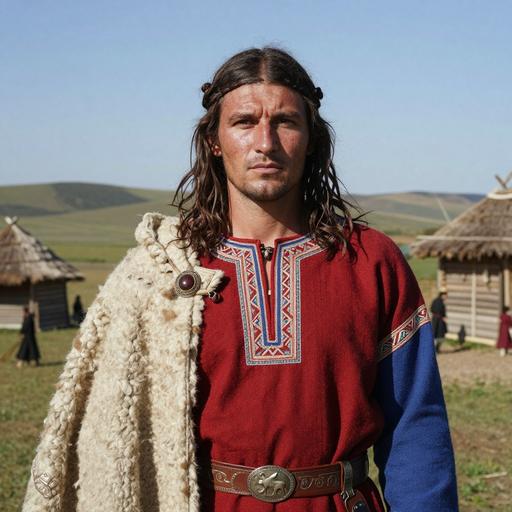
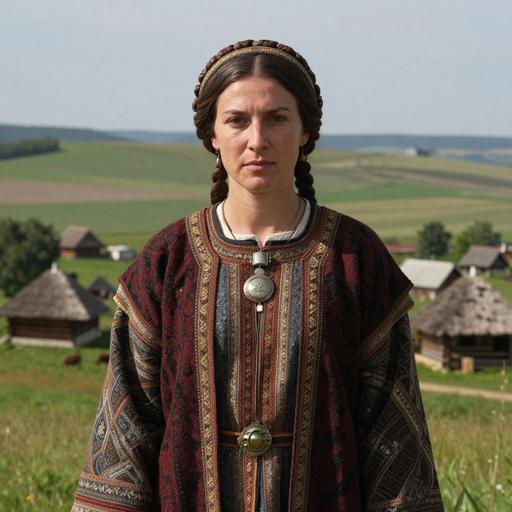
Haplogroup W is most commonly found in Europe, where it has a moderate presence, particularly in Eastern and Northern Europe. It is relatively rare compared to more common European haplogroups like H, U, and J, but it still plays an important role in understanding the genetic diversity of European populations.
- Eastern Europe: W is found at its highest frequencies in countries like Poland, Russia, and Ukraine, where it may have spread during the Neolithic and Bronze Age migrations.
- Northern Europe: In Scandinavia and the Baltic States, W also has a notable presence, reflecting ancient migration patterns in these regions.
Central Asia
Haplogroup W is particularly significant in Central Asia, where it is found at moderate frequencies in populations from Kazakhstan, Uzbekistan, and surrounding regions. The presence of haplogroup W in Central Asia highlights its role in ancient migrations along trade routes, such as the Silk Road, and the region's historical importance as a crossroads for human populations moving between Europe, Asia, and the Near East.
Near East
In the Near East, haplogroup W has a more modest presence, particularly in countries like Turkey, Iran, and Israel. This region is considered a major source of many haplogroups, including W, due to its role as a key area for human migration and cultural exchange during the Paleolithic and Neolithic periods.
South Asia
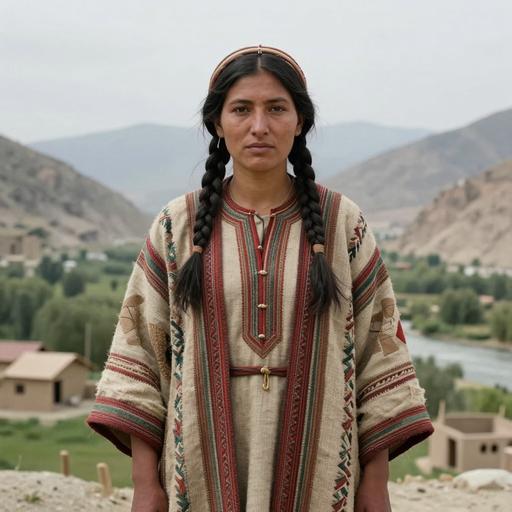
Haplogroup W is also found at lower frequencies in South Asia, particularly in India and Pakistan. Its presence in this region likely reflects ancient migration patterns that connected Central Asia with the Indian subcontinent.
Role in Human Migration
Haplogroup W provides important insights into the migratory history of human populations, particularly in Europe and Central Asia. Its geographic distribution is closely tied to the major population movements that occurred during the Upper Paleolithic, Neolithic, and Bronze Age periods.
Paleolithic Expansion
The origin of haplogroup W dates back to around 20,000 to 25,000 years ago, during the Upper Paleolithic. This period was characterized by the expansion of human populations into new territories, particularly as humans adapted to changing climates following the Last Glacial Maximum (LGM). The presence of haplogroup W in Europe and Central Asia likely reflects these early migratory events.
Neolithic Expansion
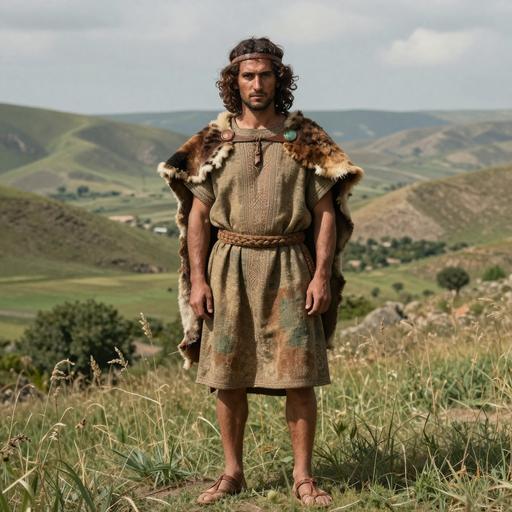
Haplogroup W may also have played a role in the Neolithic expansion, when early farming communities from the Near East began to migrate into Europe and Central Asia around 9,000 to 7,000 years ago. These Neolithic farmers introduced agriculture and new technologies to the region, contributing to the genetic makeup of European and Central Asian populations. Haplogroup W’s presence in these regions suggests that it was carried by some of these early agriculturalists.
Bronze Age and Later Migrations
During the Bronze Age, haplogroup W spread further into Europe and Central Asia as a result of population movements driven by trade, technological advancements, and the expansion of early civilizations. The development of metalworking and the rise of new cultural centers facilitated the movement of people and their genetic lineages, contributing to the dispersal of haplogroup W across Eurasia.
Ancient DNA and Archaeological Evidence
Ancient DNA studies have identified haplogroup W in several prehistoric human remains, providing valuable insights into the early movements of populations across Europe and Central Asia. These findings help trace the presence of haplogroup W in ancient populations and its contribution to the genetic diversity of modern groups.
For example:
- Haplogroup W has been detected in Neolithic remains from Europe, particularly in Eastern Europe, suggesting its role in early farming communities.
- Ancient DNA from Central Asia has also revealed haplogroup W in populations from the Bronze Age, highlighting its spread through this region during significant migratory and cultural events.
Modern Distribution and Frequency
Haplogroup W is relatively rare compared to more common haplogroups like H, U, and J, but it is still present in various populations across Europe, Central Asia, and the Near East.
- Eastern Europe: Haplogroup W is most commonly found in Eastern Europe, particularly in countries like Poland, Ukraine, and Russia, where it reaches frequencies of around 2-5% in some populations.
- Northern Europe: In Scandinavia and the Baltic States, W is present at lower frequencies but still plays a role in the genetic diversity of these populations.
- Central Asia: W is found at moderate frequencies in Kazakhstan, Uzbekistan, and neighboring regions, reflecting the historical movements of populations through this area.
- South Asia and the Near East: Haplogroup W is found at lower frequencies in India, Pakistan, and the Near East, particularly in Turkey and Iran.
Genetic and Evolutionary Significance
Haplogroup W is significant for understanding the genetic history of Europe, Central Asia, and the Near East. Its presence in both ancient and modern populations highlights its role in the migration and settlement patterns of human populations during the Paleolithic, Neolithic, and Bronze Age periods. Although it is less common than some other haplogroups, W provides valuable insights into the genetic diversity of these regions and the complex history of human migration.
Conclusion
Haplogroup W is a mitochondrial DNA lineage with ancient origins in the Near East or Central Asia and a significant presence in Europe, Central Asia, and parts of South Asia. Emerging around 20,000 to 25,000 years ago, haplogroup W played an important role in the migration and genetic diversification of early human populations, particularly during the Upper Paleolithic and Neolithic periods.
Although relatively rare, haplogroup W is found at moderate frequencies in Eastern Europe and Central Asia and at lower frequencies in Northern Europe, the Near East, and South Asia. Its presence in ancient and modern populations provides valuable insights into the early migrations of humans and the development of farming communities, as well as the broader patterns of human settlement and cultural exchange across Eurasia.
As a key maternal lineage, haplogroup W continues to be a focus of research in population genetics and human prehistory, offering further insights into the genetic diversity of human populations and the migratory events that shaped the modern world.
Wichtige Punkte
- Origin and Evolution
- Subclades of Haplogroup W
- Geographic Distribution and Significance
- Role in Human Migration
- Ancient DNA and Archaeological Evidence