Zum Hauptinhalt springen
Y-DNA · Väterliche Linie

N1B

Y-DNA Haplogroup N1B

Ein Referenzprofil für einen Abstammungszweig. Gemeinsame Haplogruppen begründen weder eine familiäre Beziehung noch eine kulturelle Identität.

Referenzprofil

Hintergrund des Zweigs

Historischer Kontext für den Y-DNA-Abstammungszweig N1B

Origins and Evolution

Y-DNA haplogroup N1b is a downstream branch of haplogroup N1, itself part of the larger haplogroup N lineage. The deeper roots of haplogroup N are usually placed in northern Eurasia, with a broad timeframe in the late Upper Paleolithic, while N1b likely emerged later as one of the differentiated branches within this expanding paternal clade. Its phylogenetic position suggests formation in the forest zone of northeastern Europe or adjacent northern Eurasia, where ancestral N lineages diversified during post-glacial population movements.

The distribution of N1b fits the broader pattern of haplogroup N, which is strongly associated with northern Eurasian ancestry and is especially frequent among Uralic-speaking populations. The lineage likely became important through demographic expansions linked to mobility across boreal forest environments, river corridors, and the northern Eurasian taiga belt.

Subclades

As an intermediate clade, N1b serves as a branching point connecting the broader N1 lineage to more derived descendant branches. In many phylogenetic systems, the exact substructure of intermediate N subclades can vary as new SNPs are discovered and classified, so the internal resolution of N1b may differ across databases and studies.

In practical population-genetic terms, N1b should be understood as part of the northern Eurasian N phylogeny, with descendant lineages that may show different degrees of enrichment in Finnic, Sámi, Uralic, and Siberian populations depending on the terminal branch.

Geographical Distribution

Haplogroup N1b is expected to be found primarily in northern and northeastern Europe and northern Asia, though frequencies may vary widely among downstream lineages. Its broader parent clade is notably common in:

  • Finnish and Baltic-Finnic populations
  • Estonian, Latvian, and Lithuanian populations
  • Sámi populations of northern Fennoscandia
  • Uralic-speaking populations such as the Khanty, Mansi, Nenets, and Komi
  • Siberian populations including Yakuts and related northern Asian groups
  • Ancient and modern populations of northern and northeastern Europe

The lineage is therefore most strongly tied to the forest zone and adjacent subarctic regions rather than to the agricultural populations of southern Europe. Where found in lower frequencies outside this core area, it is often the result of historic migration, admixture, or the presence of related northern Eurasian ancestry.

Historical and Cultural Significance

Haplogroup N1b is important for understanding the paternal history of populations connected to the Uralic world and the spread of northern Eurasian ancestry across the Baltic region and into Fennoscandia. While haplogroups do not map directly onto languages or archaeological cultures, N-lineage distributions often correlate with populations that participated in long-distance movements across the northern forest belt.

Its broader phylogenetic context has been discussed in relation to prehistoric expansions that may overlap with the Neolithic-to-Bronze Age transition in northern Europe, later Iron Age population structure, and medieval-era ethnolinguistic formations in the Baltic and circum-Baltic regions. In Siberia, related N branches are also relevant to population histories shaped by taiga adaptation, hunter-fisher mobility, and east-west gene flow across northern Asia.

Subclade Interpretation and Population Genetics
Because N1b is an intermediate clade, its exact significance depends heavily on which downstream lineages are included in a particular phylogenetic update. In population genetics, intermediate branches like this often represent ancient diversification nodes from which multiple regional lineages later emerged. Such branches can preserve signals of early regional differentiation even when their descendant clades become more geographically specialized.

Research on haplogroup N more generally indicates a strong association with northern Eurasian demographic history, including founder effects, serial expansions, and repeated movements between Siberia and northeastern Europe. N1b should therefore be interpreted as part of a larger paternal network that helps explain why some northern populations share deep Y-chromosome ancestry despite large differences in language and culture.

Conclusion

Y-DNA haplogroup N1b is a northern Eurasian paternal lineage nested within haplogroup N1, and ultimately within haplogroup N. Its significance lies in its connection to the ancient population history of the forest zone of Europe and Siberia, especially among Uralic-speaking and Baltic-Finnic populations, where related N lineages are often frequent and historically informative.

Wichtige Punkte

  • Origins and Evolution
  • Subclades
  • Geographical Distribution
  • Historical and Cultural Significance
  • Subclade Interpretation and Population Genetics
Referenzprofil

Baum und Verwandtschaft

Phylogenetischer Kontext und Subkladen

Entwicklungsweg

Folgen Sie den erfassten übergeordneten Zweigen bis N1B. Die Daten sind Schätzungen und können sich ändern, wenn Referenzdaten überarbeitet werden.

Schritte Haplogruppe Altersschätzung Archäologische Epoche Vergangene Zeit Unmittelbare Nachkommen Getestete moderne Nachkommen Antike Verknüpfungen
1 N1B Aktuell ~25,000 years ago Paleolithic 25,000 Jahre 2 17 0
2 N1 ~25,000 years ago Paleolithic 25,000 Jahre 2 80 14
3 N ~45,000 years ago Paleolithic 45,000 Jahre 2 172 17
4 NO ~45,000 years ago Paleolithic 45,000 Jahre 4 801 12

Geschwisterzweige (1)

Weitere Zweige derselben übergeordneten Haplogruppe

Referenzprofil

Verbreitung weltweit

Geografische Verbreitung und moderne Präsenz

Erfasster Ursprung

North Eurasia

Moderne Verbreitung

The populations where Y-DNA haplogroup N1b is found include:

  1. Finnish and other Baltic-Finnic populations
  2. Estonian, Latvian, and Lithuanian populations
  3. Sámi populations of northern Fennoscandia
  4. Uralic-speaking populations such as the Khanty, Mansi, Nenets, and Komi
  5. Siberian populations including Yakuts and other northern Asian groups
  6. Ancient and modern populations of northern and northeastern Europe
  7. Some East Asian and Central Asian populations through deeper and downstream branches

Regionale Präsenz

Northern Asia (Siberia) High
Northern Europe Moderate
Eastern Europe (northern zones) Moderate
Northeast Asia Low
Central Asia Low
Northeastern Europe High
Northern Asia Moderate
Historischer Kontext

Ein Zweig durch die Zeit

Geschätzte Entstehung in einer breiten historischen Zeitleiste. Zeitmarken liefern Kontext und implizieren keine Verbindung zu bestimmten Kulturen.

  1. ~25k Jahre zurück

    Haplogruppe N1B

    Geschätzte Entstehung dieses Y-DNA-Zweigs; Daten und Orte sind Referenzschätzungen.

    Dieser Zweig
  2. ~20k Jahre zurück

    Letztes glaziales Maximum

    Höhepunkt der letzten Eiszeit, isolierte Bevölkerungen

  3. ~10k Jahre zurück

    Neolithische Revolution

    Beginn der Landwirtschaft und feste Siedlungen

  4. ~5k Jahre zurück

    Bronzezeit

    Metallverarbeitung, Schrift und frühe Zivilisationen

  5. ~3k Jahre zurück

    Eisenzeit

    Eisenwerkzeuge und ausgedehnte Handelsnetze

  6. ~2.5k Jahre zurück

    Klassische Antike

    Blüte griechischer und römischer Kulturen

  7. Gegenwart

    Gegenwart

    Moderne Zeit

Referenzprofil

Archäologischer Kontext

Erfasste archäologische Zuordnungen für den Y-DNA-Zweig N1B

Erfasste Zuordnungen

Diese Bezeichnungen beschreiben archäologische Kontexte erfasster Referenzproben mit Bezug zu N1B. Eine Zuordnung bedeutet nicht, dass alle Träger einer Kultur angehörten oder einer bestimmten Migrationsroute folgten.

China_LN_Xiaoheyan China_Roman_LateAntiquity China_Shandong_Dinggong_LN China_Tibet_Sangdalongguo_IA Coastal Neolithic Fatyanovo Longsangquduo Culture Piyangjiweng Culture Yusa Culture Zongri Culture
Kulturzuordnungen basieren auf dem archäologischen Kontext antiker DNA-Proben und können regionale Verknüpfungen in bestimmten Zeiträumen widerspiegeln.
Referenzprofil

Probencatalog

1 Subkladen-Träger der Haplogruppe N1B (keine direkten Träger in der aktuellen Referenzauswahl)

1 angezeigt · 1 passende Proben

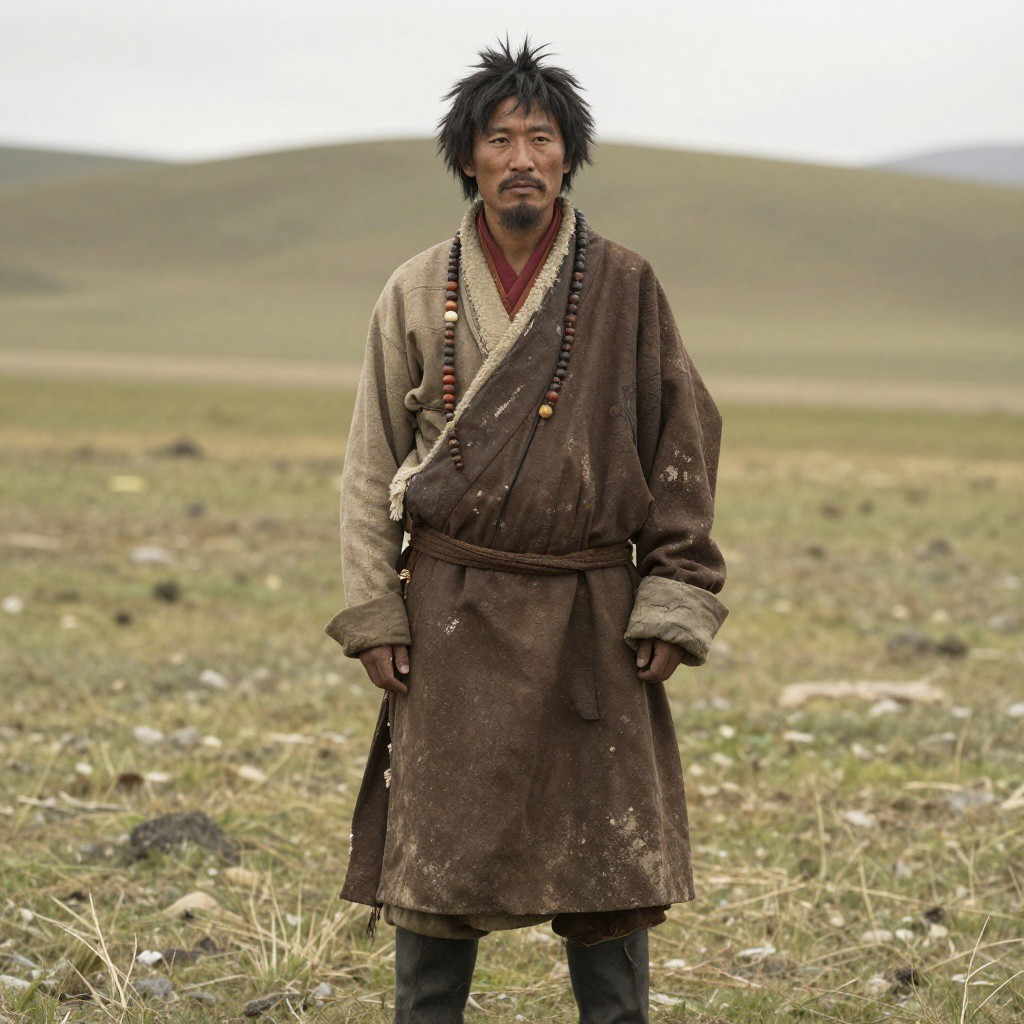
Porträts sind KI-generierte Illustrationen. Probenbezeichnungen und Zugangs-IDs identifizieren die Referenzdatensätze.

Porträt Probe Land Epoche Datum Kultur Y-DNA Übereinstimmung
KI-generiertes illustratives Porträt von Tibet Qulongsazha IA individual, Qulongsazha (Tibet, Ngari Prefecture), China (469-181 BCE)
Proben-ID: QLSZ8
China China Tibet Qulongsazha IA 450-200 BCE China_Tibet_Qulongsazha_IA N1b2a1b~ Subklade
PATERNAL LINEAGE · ANCIENT DNA

Ancient lineage evidence map

Follow parent clades toward this branch and explore where ancient carriers were found.

Loading ancient observations…

Markers are archaeological find locations. A dashed connector is an uncertain, proposed geographic transition between consecutive branches supported by multiple dated observations; it is not an exact travel route, birthplace or proof of direct descent. Parent-clade samples may belong to other descendant branches. Gaps remain where evidence is insufficient. Sample dates differ from haplogroup formation dates.

Referenzprofil

Trägerverteilungskarte

Geografische Verteilung von 1 antiker DNA-Probe (direkte und Subkladen-Träger von N1B)

Subkladen-Träger
Zeitraumfilter
Alle Zeiträume
Alle Proben werden angezeigt
Referenzprofil

Zeitliche Verteilung

Verteilung der Träger über archäologische Epochen

Referenzprofil

Geografische Verteilung

Anzahlen nach erfasstem Probenland. Sie spiegeln die verfügbare Referenzauswahl wider, nicht Bevölkerungshäufigkeiten.

Referenzprofil

Verteilung Land × Epoche

Vergleichen Sie erfasste Probenanzahlen nach Ländern und archäologischen Epochen. Wählen Sie eine belegte Zelle, um eine Probe anzusehen.

Daten

Daten und Herkunft

Quellenangaben und Datenqualität

Zuletzt aktualisiert 2026-06-17
Konfidenzwert 50/100
Abdeckung Low

Datenquelle

Klassifikation, geschätzte Daten und geografischer Kontext spiegeln die erfassten Referenzdaten wider und können sich bei überarbeiteten Belegen ändern. Die Probenabdeckung ist ungleichmäßig; erfasste Orte und archäologische Zuordnungen begründen weder persönliche Herkunft noch kulturelle Identität.