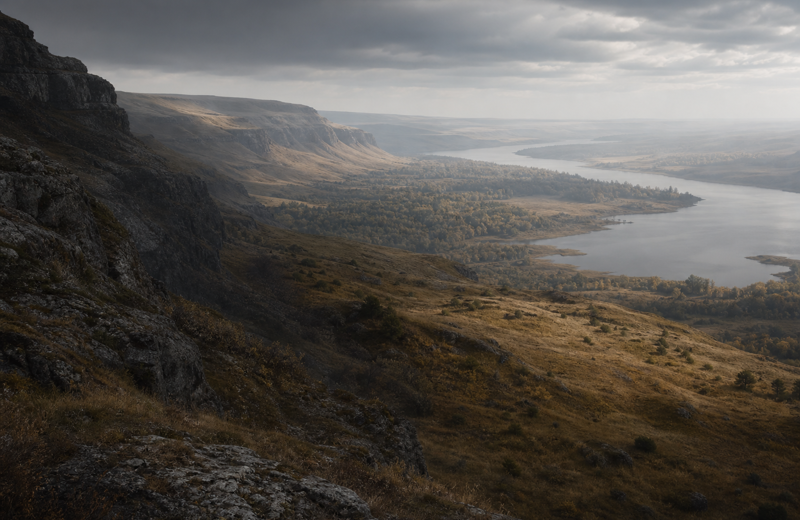
Russia_Yazykovo_N Forest Neolithic — Upper Volga A shadowed world of lakes, pottery and genomes from northern Russia 6594 CE - 3193 BCE Upper Volga, Western Siberia (Russia)
Caishichang: Echoes of the Iron Age Xinjiang burials (800–1 BCE) revealing a tentative blend of eastern and western maternal and paternal lineages. 800 CE - 1 BCE Xinjiang, China (Yili Region, Nileke County)
Zhagunluke Iron-Age Oasis A frontier community in the eastern Tarim Basin where steppe and oasis lineages met 541 CE - 8 BCE Zhagunluke, Qiemo County, Xinjiang, China
Maitan Alakul: Bronze Age Echoes Mid–Late Bronze Age pastoral community from Maitan, Kazakhstan, revealed by archaeology and DNA 1882 CE - 1623 BCE Maitan, Kazakhstan — Central Eurasian steppe
Sarmatians of the Kazakh Steppe Wind-swept riders of the Caspian plains — archaeological traces meet ancient DNA 800 BCE - 114 CE Caspian steppe & Central Steppe, Kazakhstan
Potapovka of the Volga Steppe Bronze Age kurgans on the Samara and Sok rivers reveal a fleeting, mobile society 2468 CE - 1900 BCE Samara & Volga River Valley, Russia
Maikop Steppe Echoes Early Bronze Age steppe lives where Caucasus foothills meet open grasslands 3650 CE - 2885 BCE Russia — North Caucasus & Kaspi steppe
Avars of the Carpathian Basin Steppe riders and local roots in early medieval Hungary 580 CE - 804 CE Pannonian Basin (modern Hungary)
Kazakhstan_Botai_Eneolithic Echoes of the Eurasian Steppe From Okunevo mounds to Mongolian highlands: archaeology and DNA reveal steppe mobility across millennia 3782 BCE - 775 CE Russia, Mongolia, Kazakhstan, China (Eurasian Steppe)
Kazakhstan_EIA Scythians: Riders of the Steppe Kurgans, goldwork and a mixed genetic legacy stretching from the Black Sea to Xinjiang 9 CE - 3 BCE Pontic–Central Steppe, Kazakhstan, Xinjiang, Hungary
Mongolia_EIA_SlabGrave_1 Nomadic Steppe Cultures — Hunnic Horizon Mobile horse societies of the Eurasian steppe traced through archaeology and ancient DNA 1650 BCE - 1500 CE Mongolia, Kyrgyzstan, Kazakhstan