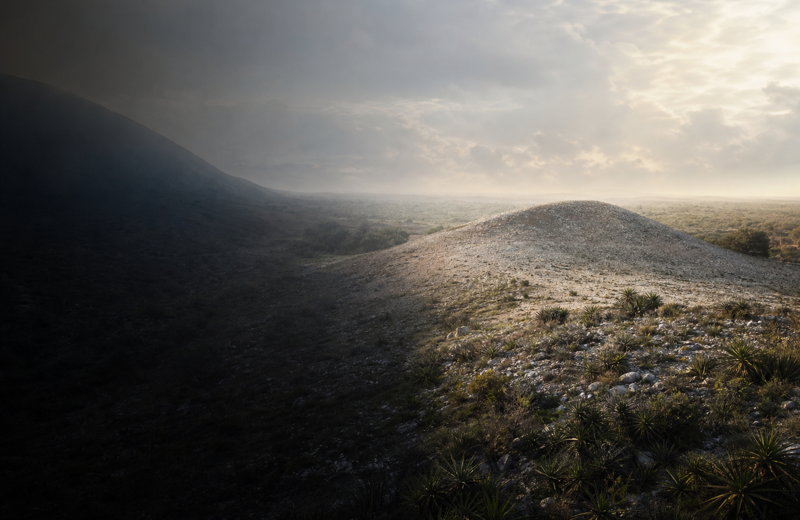
Danubian Dawn: Austria LBK Farmers Neolithic farmers along the Danube (5500–4500 BCE) where archaeology meets ancient genomes 5500 CE - 4500 BCE Austria (Lower Austria, Danube corridor)
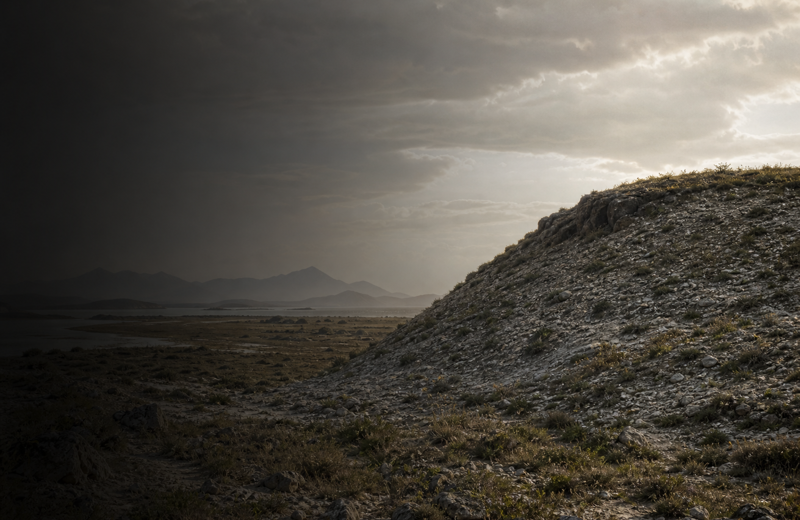
Loca do Suin: Echoes of an Early Sambaqui A lone genome from central Brazil opens a window onto coastal life c. 7300–7050 BCE. 7315 CE - 70479100 BCE Central Brazil (Loca do Suin)
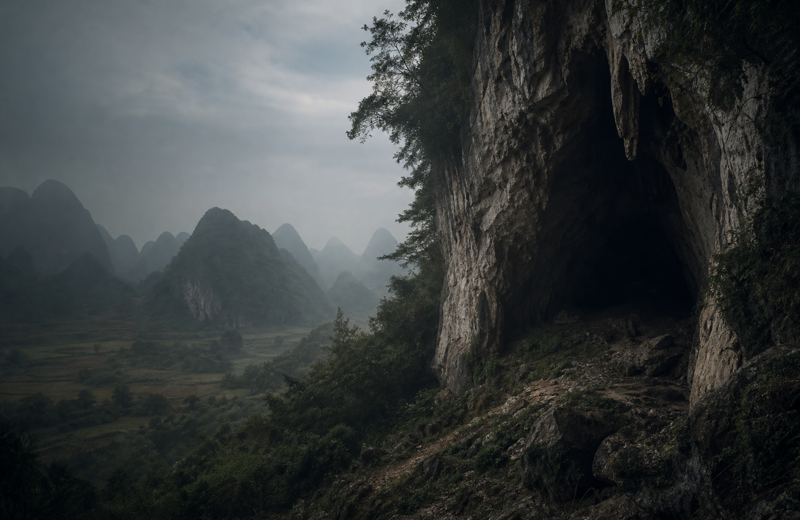
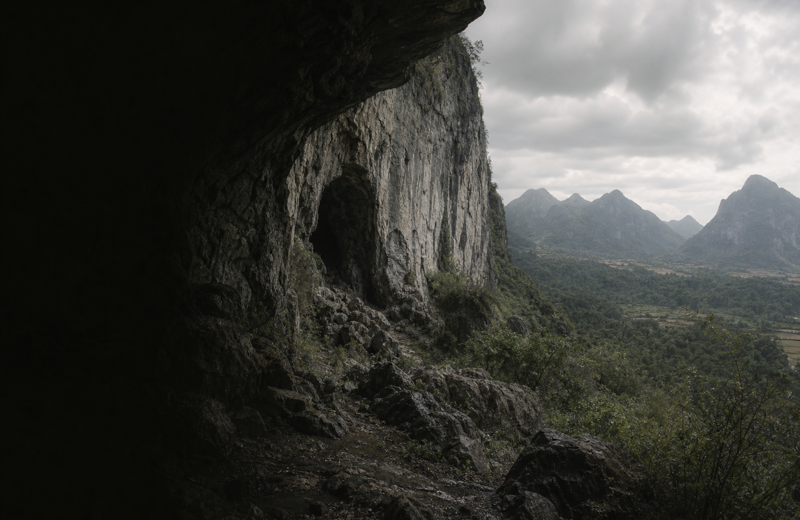
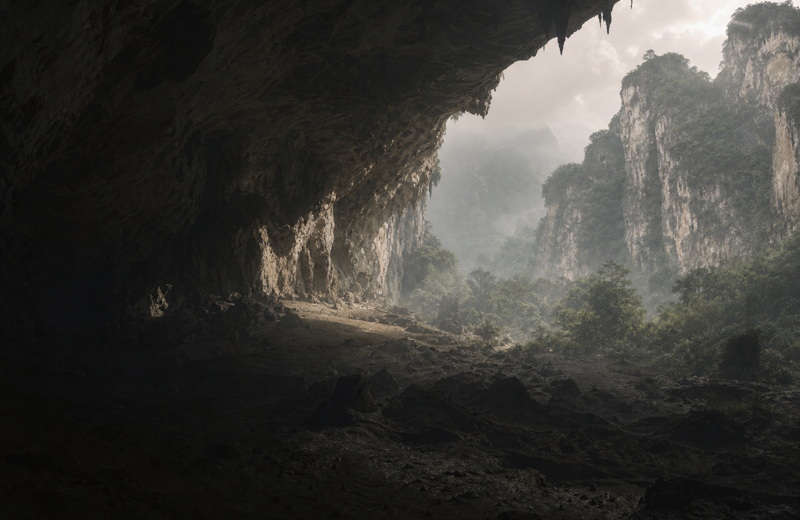
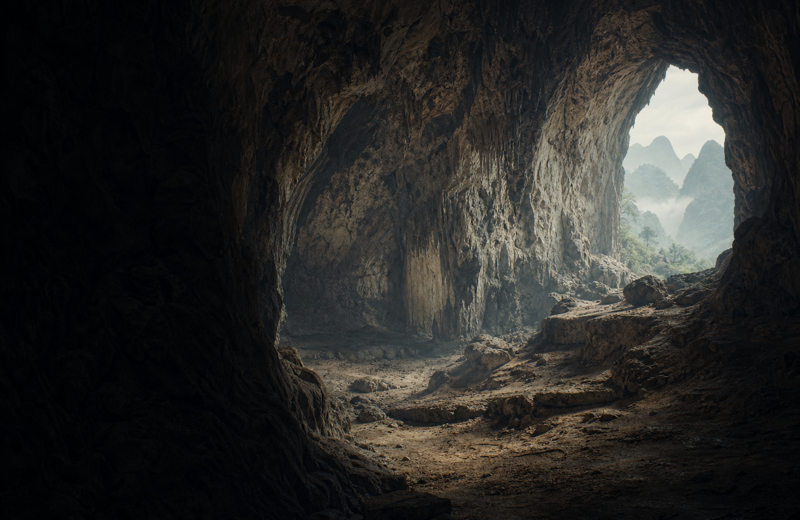
Cenxun Cave: Sui–Tang Southern Lineages Three 440–658 CE individuals from Guangxi point to southern maternal continuity during Sui–Tang transition 440 CE - 658 CE Guangxi, southern China (Cenxun Cave, Pingguo County, Baise City)
Sambaqui at Loca do Suin (c. 7300 BCE) A lone ancient genome from a Brazilian shell mound hints at deep coastal lifeways and rare maternal lineage connections. 7315 CE - 70479100 BCE Central Brazil — Loca do Suin
Cenxun Cave: Sui–Tang Voices from Guangxi Three early medieval individuals linking cave archaeology in Guangxi with ancient mitochondrial lineages 440 CE - 658 CE Guangxi (Baise City, Pingguo County)
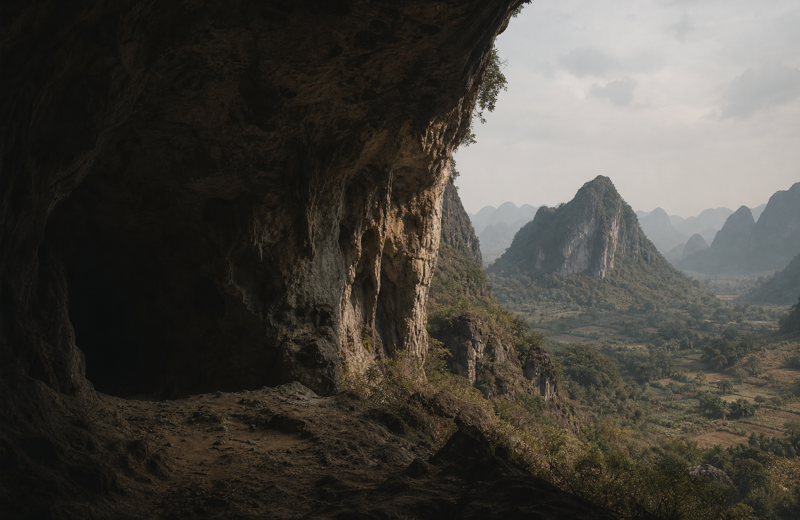
Lada Cave: A Guangxi Voice from Sui–Tang A single maternal genome from Hechi illuminates life on the southeastern frontier during dynastic transition. 484 CE - 644 CE Guangxi (Hechi City, Lada Cave)
Shenxian Cave: A Sui–Tang Moment A single mitochondrial genome linking Guangxi caves to East Asian maternal lineages 601 CE - 673 CE Guangxi, South China (Pingguo, Baise)
Yiyang Cave: Guangxi at the Turn of Dynasties A single ancient genome from Yiyang Cave illuminates lives in southern China between the Northern and Southern Dynasties and early Tang era. 484 CE - 644 CE Guangxi (Baise City, Pingguo County), southern China
Cenxun Cave: Sui–Tang Era Mothers of Guangxi Three mitochondrial genomes from Cenxun Cave (440–658 CE) illuminate local maternal lineages in southern China 440 CE - 658 CE Guangxi, southern China (Cenxun Cave, Pingguo County)
Cenxun Cave: Guangxi in the Sui–Tang Era Three individuals from Cenxun Cave (440–658 CE) illuminate southern China's past 440 CE - 658 CE Guangxi, southern China (Pingguo County)