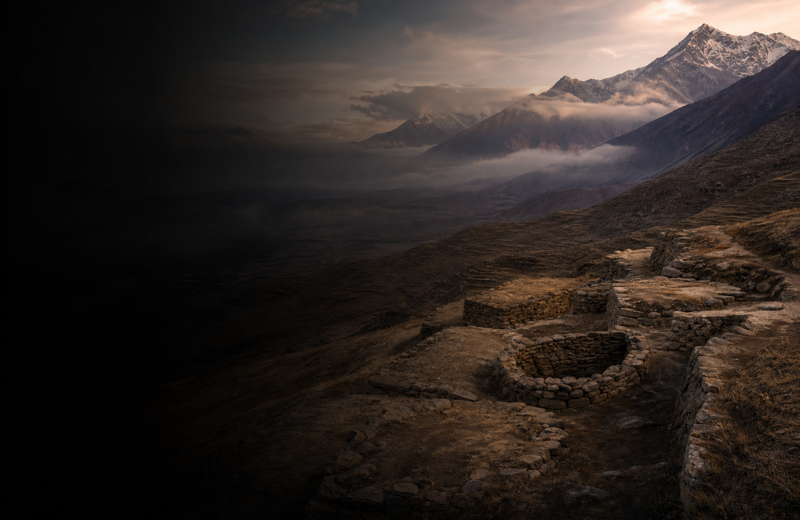
TibetanPlateau_Nudagang Pre-Tibetan Voices of the Plateau Archaeology and DNA from Longsangquduo to Lajue reveal a millennial story on the Tibetan Plateau 387 BCE - 1942 CE Tibetan Plateau, China (Lhasa, Shigatse, Shannan, Nagqu, Nyingchi)
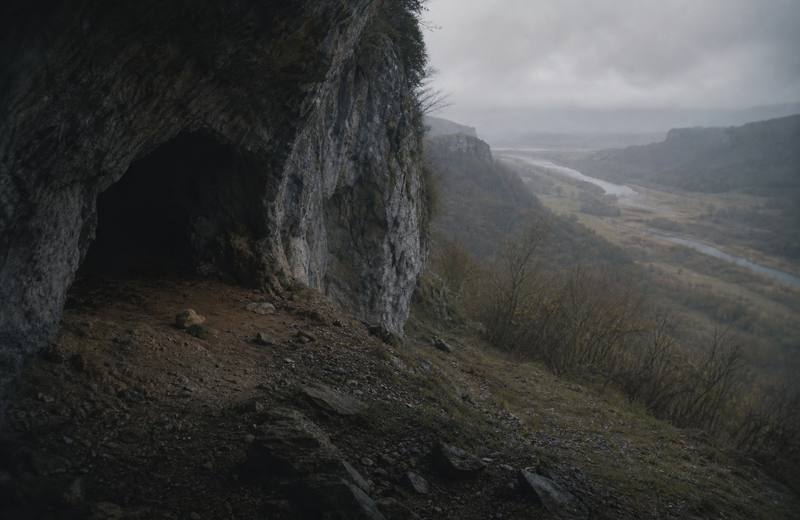
Belgium_UP_GoyetQ116_1 Goyet Q116-1: A Voice from 33,000 BCE A single Upper Paleolithic individual from Troisième caverne, connecting stone-age life to deep Eurasian DNA 33678 CE - 32771 BCE Goyet cave, Namur province, Belgium
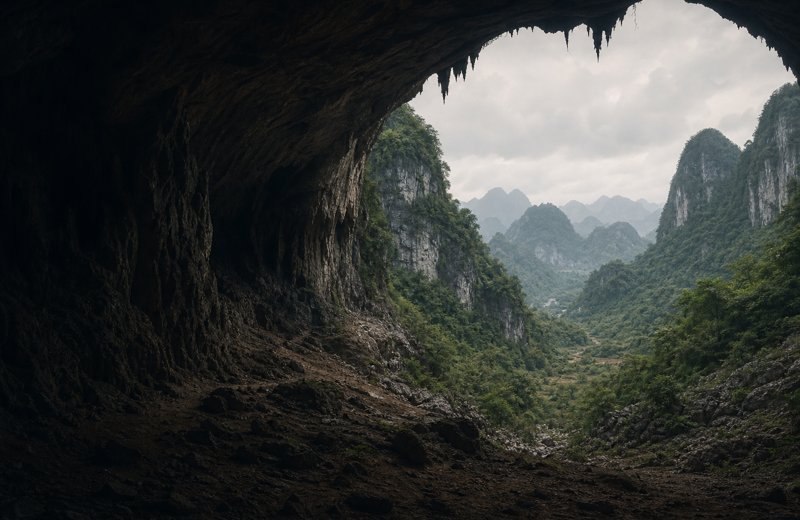
Balong Cave: Southern China, 250–550 CE Tiny sample, deep stories — maternal lineages from Guangxi's Balong Cave illuminate movement during the Jin and Northern–Southern Dynasties 250 CE - 550 CE Guangxi (Hechi City, Dahua Yao County)
Mebrak Tomb: Himalayan Voices Three late Iron Age individuals from Mebrak reveal a Himalayan genetic imprint — preliminary but evocative. 450 BCE - 100 CE Mebrak, Nepal (Himalaya)
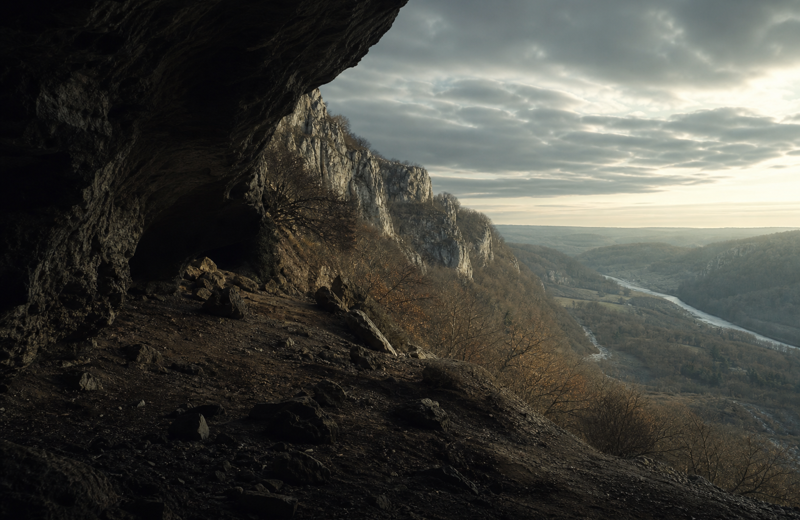
Goyet Q116-1: A Paleolithic Echo A single Upper Paleolithic individual from Goyet cave linking archaeology and ancient DNA 33678 CE - 32771 BCE Goyet cave, Namur Province, Belgium
Baojianshan Neolithic Echoes Two maternal lineages from a karst cave speak to deep southern China roots 6400 CE - 4400 BCE Guangxi, Southern China
Balong Cave: Jin–Northern & Southern Dynasties Human remains from Guangxi that whisper of southern China during 250–550 CE 250 CE - 550 CE Guangxi, China (Balong Cave)
Longlin Cave: Epipaleolithic Guangxi A 10,000‑year maternal lineage from Longlin Cave — single ancient mtDNA M sample 9853 CE - 9319 BCE Guangxi, southern China (Longlin Cave)
Yinwang Cave: Guangxi Ming-Era Trace A lone mitochondrial voice from Yinwang Cave links Guangxi's past to maternal lineages of East Asia 1400 CE - 1700 CE Guangxi, China (Baise City, Pingguo County)
Cenxun Cave: Guangxi in the Sui–Tang Era Three individuals from Cenxun Cave (440–658 CE) illuminate southern China's past 440 CE - 658 CE Guangxi, southern China (Pingguo County)