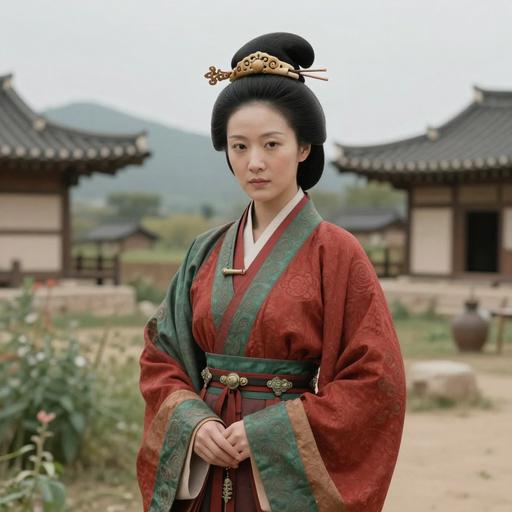
The Three Kingdoms Period in Korean history, lasting from 57 BCE to 668 CE, is a significant era marked by the rule of the three rival kingdoms of Goguryeo, Baekje, and Silla, along with the Gaya confederation. Within this context, the Yuha-ri region in Gimhae, South Korea, provides a compelling glimpse into the cultural and historical dynamics of the period, especially in relation to the Gaya confederation.
Historical Context
Gimhae, located in the southeastern part of the Korean Peninsula, was a prominent area associated with the Gaya Confederation. This confederation differed somewhat from the other kingdoms as it was not a centralized monarchy but rather a collective of small polities or states. Among these, Geumgwan Gaya was the most influential and is considered the central polity, forming the economic and political heart of Gaya.
The Culture of Gaya and Yuha-ri
Politics and Society
The Gaya Confederation, including regions like Yuha-ri, functioned with a distinct political structure characterized by a network-based organization rather than centralized monarchy. The political alliances were often secured through marriages and trade agreements, with power being distributed among various ruling clans. The chiefs of these polities wielded considerable authority and often collaborated to resist external pressures from larger state entities such as Silla and Baekje.
Economy and Trade
The Gaya states, and particularly the region of Yuha-ri in Gimhae, were renowned for their rich iron resources. Gaya iron works played a pivotal role in the economy, producing tools and weapons that were among the most advanced in East Asia at the time. The proficiency in metallurgy made Gaya an important trade hub, facilitating the exchange of goods and culture throughout the Korean Peninsula, Japan, and even parts of China.
Art and Material Culture
The artistic expression of the Three Kingdoms Period, including that of Yuha-ri, was heavily influenced by both indigenous traditions and external contacts through trade. Iron and pottery works are particularly significant, with Gaya known for its distinctive style of pottery characterized by grayish-black or gray-colored ware. Artifacts such as burial goods, decorative items, and weaponry provide insights into the aesthetics and technological sophistication of the period.
Religion and Beliefs
During the Three Kingdoms Period, shamanistic practices were prevalent across the Korean Peninsula, and Gaya was no exception. The people of Yuha-ri likely practiced indigenous spiritual traditions involving ancestral worship and shamanism, with a focus on nature and agricultural rites. As with other regions influenced by Chinese culture during this time, Buddhism began to make inroads into the region, though it was not as pronounced as in the neighboring kingdoms of Silla and Baekje.
Burial Practices
Archaeological findings from burial sites in Yuha-ri have shed light on the mortuary customs of the Gaya people. The tombs, typically constructed with stone chambers, were often filled with burial goods that reflected the individual's status and role within society. Such items included iron weapons, horse trappings, pottery, and various ornaments, highlighting both the practical and ceremonial aspects of their culture.
Conclusion
Yuha-ri in Gimhae during the Three Kingdoms Period provides a fascinating lens through which to explore the Gaya Confederation’s contributions to the cultural tapestry of early Korean history. Its role as an iron production center and a nexus of trade underscored its regional importance, while its distinct social structures and cultural achievements contributed to the broader narrative of the Three Kingdoms Period. This era remains a crucial part of understanding the development of Korean identity and cultural heritage.