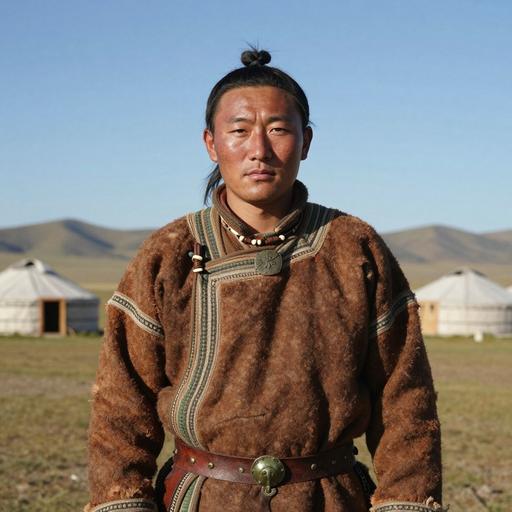
The Late Bronze Age Khovsgol region, specifically designated as Khovsgol 6, in modern-day Mongolia represents an intriguing and complex phase within the cultural and historical tapestry of the Eurasian Steppe. This era, typically spanning from approximately 1500 to 1300 BCE, is notable for showcasing a distinct confluence of nomadic lifestyles, advancing metallurgy, intricate social structures, and unique mortuary practices.
Geography and Environment:
Khovsgol, situated in northern Mongolia, is known for its rugged terrain, which includes stunning landscapes such as Lake Khovsgol, one of the largest freshwater lakes in Asia. The geography of this region during the Late Bronze Age consisted of vast steppes, forests, and mountainous areas, providing a rich and varied ecosystem. This environment was crucial for nomadic pastoralism, the predominant lifestyle, as it offered grazing grounds for herds.
Society and Culture:
The social structure of Khovsgol during the Late Bronze Age was likely tribal, with clans led by chieftains. These societies were generally egalitarian, though status distinctions may have been evident through burial practices and the possession of certain goods. Kinship and alliances were likely significant, ensuring resource sharing and mutual protection.
Culturally, the Khovsgol 6 societies were part of a broader network of steppe cultures that shared common linguistic and spiritual elements. They might have spoken a Proto-Turkic or Proto-Mongolic language, contributing to the deep linguistic and cultural layers present in the region today.
Economy and Livelihood:
The economy was predominantly based on pastoralism, with horse, sheep, goat, and cattle herding playing crucial roles. The domestication of horses was particularly significant, not only for transportation but also as a cultural symbol of power and prestige. Farming was limited due to the harsh climate and geography, though some evidence suggests small-scale agriculture may have been practiced.
Trade and exchange were integral, with Khovsgol serving as a node connecting Siberian, Central Asian, and East Asian cultures. The exchange of goods such as metals, textiles, and pottery facilitated cultural interactions and technological diffusion.
Metallurgy and Craftsmanship:
The Late Bronze Age witnessed significant advancements in metallurgy. Khovsgol 6 societies were adept in working bronze, which they utilized for tools, weapons, and ornamental objects. The craftsmanship was detailed, with artifacts often exhibiting intricate designs that indicated both technical skill and aesthetic appreciation. This metallurgical expertise points to substantial knowledge exchange with neighboring cultures, possibly including influences from the Chinese and Siberian metallurgical traditions.
Mortuary Practices:
Burial customs during this era provide important insights into the beliefs and social structures of the Khovsgol 6 people. Tombs often contained a variety of grave goods, including pottery, weapons, and ornaments, suggesting beliefs in an afterlife where such items were deemed necessary. Burial mounds and kurgans were common, with more elaborate setups possibly indicating the higher status of individuals interred within.
Rituals associated with death may have included feasting and offerings, likely meant to honor and appease ancestral spirits. This points to a spiritual framework deeply tied to shamanistic beliefs, where nature and the ancestral world were closely interconnected.
Art and Symbolism:
Artistic expression during the Late Bronze Age in Khovsgol was manifested through petroglyphs, carvings, and intricate designs on functional items. Art often depicted scenes of hunting, herding, and spiritual symbology, reflecting the close interaction between the people and their environment.
Challenges and Adaptations:
The people of Khovsgol 6 faced various environmental and socio-political challenges, such as harsh winters, resource scarcity, and potential conflicts with neighboring groups. Adaptation strategies included seasonal migration, strategic alliances, and innovations in animal husbandry and metallurgy.
In conclusion, the Late Bronze Age Khovsgol 6 period in Mongolia represents a dynamic era characterized by nomadic resilience, cultural interaction, and significant technological advances. The legacy of these societies is reflected in the complex cultural identities and historical developments that continued to evolve on the Eurasian Steppe.