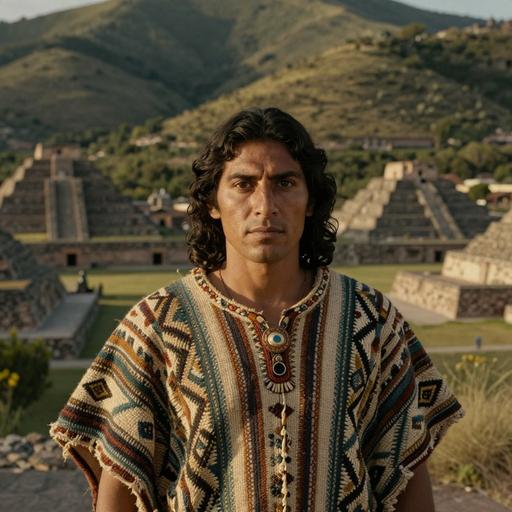
The \Not a recognized historical culture of Unknown" presents a fascinating exercise in speculative anthropology, where we imagine a culture that evades the grasp of traditional historiography but offers a rich narrative woven from imagination, possibility, and abstraction.
Geography and Environment
This fictional culture, let's call it the "Valeans," inhabited an enigmatic land known as the Vale of Myst. The geography of this fictive realm was characterized by lush, rolling hills, dense, impenetrable forests, and mysterious waterways that twisted through the landscape like veins of a gigantic living organism. The climate ranged from temperate to warm, with misty mornings and golden sunsets that seemed to stretch the boundaries of perception. The land's isolation, bordered by towering, impassable mountains, contributed to the Valeans' unique development, both culturally and technologically.
Society and Social Structure
The Valean society was organized around a complex kinship system that revolved around clans. Each clan was represented by an animal totem that was believed to imbue its members with specific qualities and spiritual guidance. Leadership within the clans was fluid and based on meritocratic principles, with roles assigned according to talent, wisdom, and contribution to communal life. This structure fostered a strong sense of communal responsibility and cohesion, where decisions affecting the clan or the environment were made collectively in grand councils held during the equinox.
Language and Communication
The Valeans spoke a language that was lyrical and fluid, composed of a wide range of sounds that mimicked the natural environment. It lacked a written form, relying instead on oral tradition to pass down history, lore, and knowledge. Storytellers, honored figures within each clan, were responsible for maintaining the collective memory through elaborate myths, songs, and epic poems. Their narratives intertwined factual accounts with allegorical tales, creating a rich tapestry of cultural identity that was both ephemeral and eternal.
Art and Architecture
Valean art was deeply tied to the natural world, with motifs that mirrored the shapes and rhythms of their surroundings. Craftspeople were skilled in using natural materials such as wood, bone, and stones to create intricate carvings, jewelry, and textiles adorned with vibrant dyes made from herbs and minerals. Architecturally, Valean dwellings cleverly blended with the environment, constructed from living trees and earth. These organic structures were not only aesthetically pleasing but also reinforced the Valeans' fundamental belief in harmony with the natural world.
Beliefs and Philosophies
The Valeans practiced a form of animism, seeing every element of their environment as imbued with spirit and life. Their beliefs were not codified into a religion but manifested as a way of life that respected and revered the interconnectedness of all things. This philosophy promoted sustainable living practices and an acute awareness of ecological balance. The central ethical tenet was a profound respect for life, manifesting in rituals that celebrated life cycles, from birth to death, with grace and gratitude.
Technology and Innovation
Though isolated, the Valeans developed sophisticated technologies fueled by their deep understanding of their environment. They practiced advanced forms of agriculture, utilizing companion planting and permaculture principles far ahead of their time. Their tools, crafted from organic materials, were efficient and reflected a high level of ingenuity. Valeans had an intuitive grasp of herbal medicine and healing practices, combining physical and spiritual elements to maintain health and well-being.
Legacy and Influence
The Valeans, though not recognized by traditional historians, offered a narrative that challenges the conventional understanding of civilization. Their hypothetical existence urges contemporary observers to reconsider assumptions about progress, technological advancement, and the delicate relationship between humans and nature. The Valean era stands as an allegory for the timeless pursuit of harmony, wisdom, and the celebration of life's mysteries, resonating as a beacon for those who seek a deeper connection with the world around them."