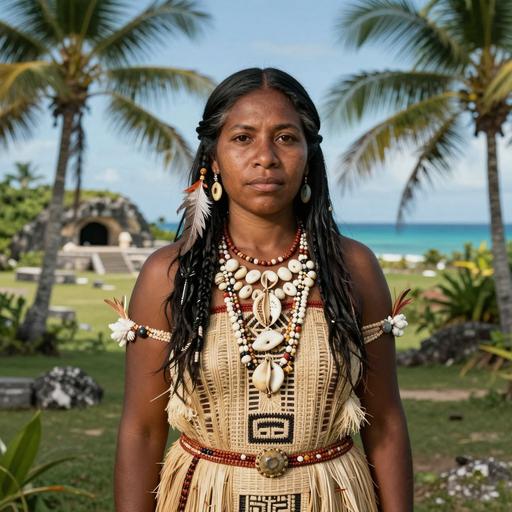
The Taíno culture, particularly within the Bahamas, is a fascinating subject that reveals the complexity and richness of the indigenous societies in the Caribbean prior to European contact. The Taíno people were part of the Arawak-speaking indigenous groups that inhabited the Greater Antilles, the Bahamas, and parts of the northern Lesser Antilles.
Origins and Settlement
The Taíno are believed to have migrated from the region of what is now Venezuela and made their way north through the Caribbean islands. By about 1000 AD, they had settled across many islands, including the Bahamas, creating a network of communities connected by trade and cultural exchange. The sub-group of the Taíno who settled in the Bahamas are sometimes referred to as the Lucayan Taíno.
Society and Social Structure
The Taíno society was highly organized and characterized by a hierarchical structure. At the top was a chief, known as a cacique, who governed several villages. These villages were part of small chiefdoms, which were themselves often parts of larger confederations. The cacique wielded considerable power, leading both in times of peace and war, and their role was hereditary. Supporting them were the nitaínos, the noble class, who helped in governance and acted as advisors.
Economy and Subsistence
The economy of the Taíno was primarily based on agriculture, fishing, and trade. They practiced a form of slash-and-burn agriculture to cultivate their main crops, which included cassava (yuca), sweet potatoes, maize, beans, and peanuts. Cassava was particularly crucial, as it could be processed into casabe, a durable bread-like food. The Taíno also engaged in extensive fishing and hunting, utilizing the rich marine resources available to them. Their canoes, or canoas, were important for fishing and also facilitated trade among islands.
Art and Beliefs
The Taíno culture was rich in artistry and religious beliefs. Artworks, such as petroglyphs, pottery, and wooden carvings, often depicted deities and ancestral spirits. The Taínos practiced a form of animism and revered a pantheon of gods, with Yucahú being the principal deity associated with cassava and agriculture. Religious leaders, known as bohíques or shamans, were central figures in Taíno communities, conducting ceremonies, communicating with the spiritual world, and maintaining oral traditions.
Housing and Settlements
The typical Taíno village, or yucayeque, consisted of bohíos, circular thatched huts made from local materials like wood, straw, and palm leaves. The larger villages often centered around a ceremonial plaza known as a batey, where important social and religious activities took place, including the playing of a ceremonial ball game that held cultural and spiritual significance.
Clothing and Ornaments
Taíno clothing was simple due to the tropical climate. Men generally wore breechcloths, while women wore skirts called naguas. Both men and women adorned themselves with a variety of ornaments crafted from gold, bones, shells, and stones. Tattoos and body paint were also common, serving both decorative and symbolic purposes.
Decline and Legacy
The Taíno people of the Bahamas, like other indigenous groups in the Caribbean, experienced significant decline following European contact in the late 15th century. The Spanish colonization brought about diseases, enslavement, and cultural disruption, leading to a dramatic decrease in their populations. However, the Taíno legacy persists today, influencing Caribbean culture in language, agriculture (with continued cultivation of crops like cassava), art, and spirituality. Many people in the Caribbean identify with Taíno heritage, and efforts to preserve and revitalize Taíno cultural traditions continue.
In summary, the Taíno culture of the Bahamas represents a sophisticated society with a rich cultural heritage, marked by their societal structures, agricultural innovation, artistic expressions, and spiritual beliefs. Despite the challenges posed by European colonization, the impact of the Taíno continues to resonate in the Caribbean region.