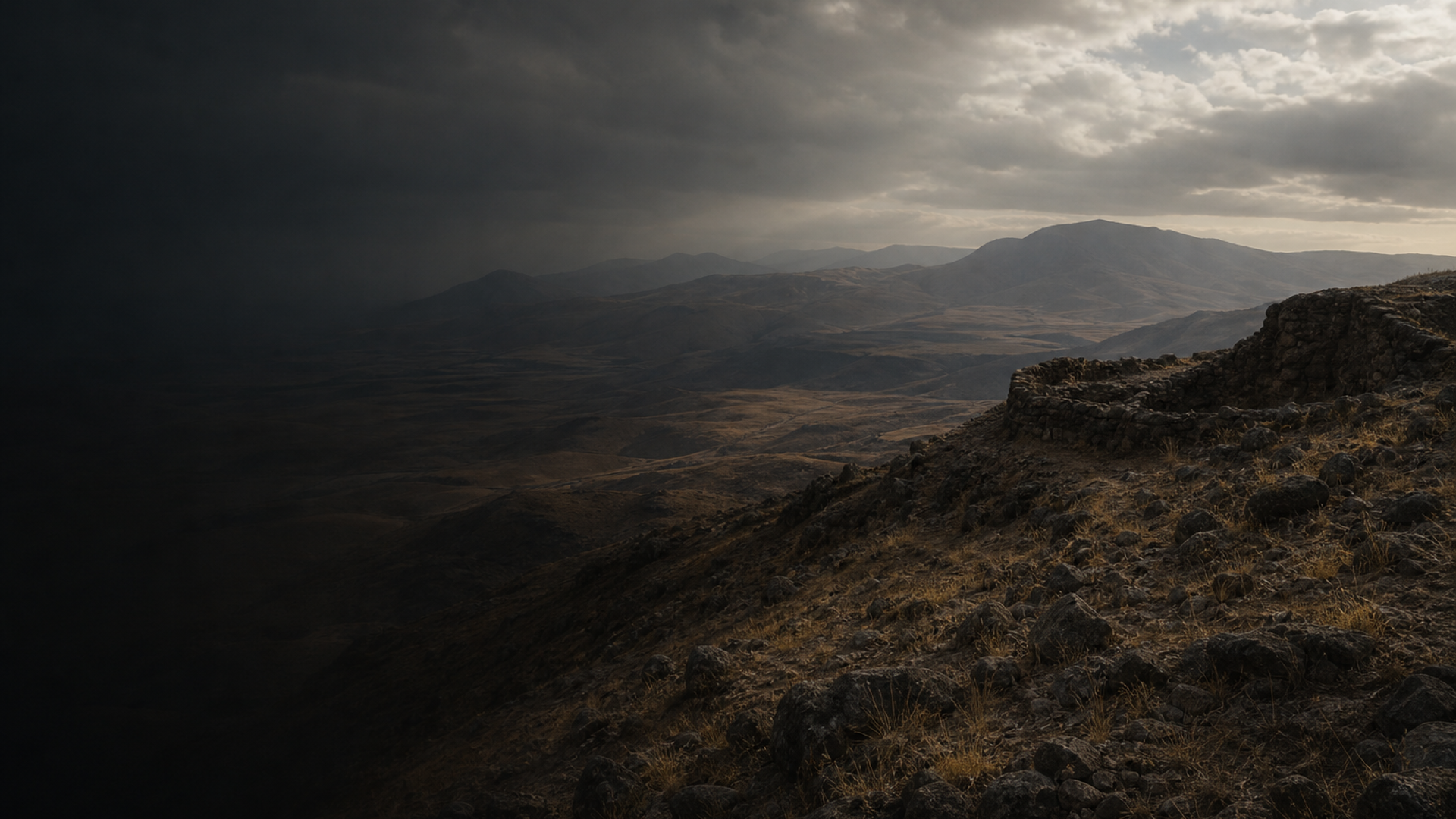
Everyday life in Iron Age Armenia combined resilient mountain agriculture with mobile pastoralism and expanding artisanry. Archaeological indicators from the broader Shirak region—settlement mounds, hearths, and scattered workshop debris—point to households engaged in cereal cultivation, sheep and cattle herding, and local metalworking. Trade routes threaded the highlands, bringing exchange in raw metals, finished goods, and stylistic ideas from Anatolia, the Caucasus, and the Iranian plateau.
Funerary contexts like the burial at Beniamin provide intimate glimpses: osteological data can reveal diet, workload, and health stress, while grave goods (when present) help place individuals within social networks. For this single individual, the archaeological record is sparse, and thus any reconstructions of status, occupation, or lifestyle are speculative. Nonetheless, the material world surrounding Iron Age communities suggests a rhythm of seasonal herding, agricultural cycles, and specialized craft production—lives shaped by the demands of mountain climate and the opportunities of interregional exchange.
Archaeology therefore paints a cinematic picture of a community negotiating continuity and change: rooted in local landscapes yet in conversation with neighbors across valleys and mountains.